925 vs 950 vs 999 Silver: Which Purity Level Should You Buy?
Three silver grades, one real question: which one survives daily wear? For almost all jewelry the answer is 925, because the 7.5% copper in sterling is what makes it hard enough to hold a chain link or a stone setting. 950 and 999 are purer, they tarnish a little slower, and they dent a little sooner. This guide compares the three grades on metal content, hardness, tarnish, skin reaction and price, then shows how to specify purity correctly for a bulk order.
925 sterling silver is the right choice for daily-wear chains, rings and earrings. It is 92.5% silver and 7.5% copper, and the copper is what gives it the hardness to hold a shape and survive wear. 950 silver (95%) and 999 fine silver (99.9%) are both real silver and both tarnish more slowly, but they are softer, so they scratch and dent sooner. Higher purity is a claim about metal content, not about wear life.
Contents
- 925 vs 950 vs 999 silver: the short answer
- What the purity numbers actually mean
- Why 925 became the standard
- What 950 silver is and where you meet it
- What 999 fine silver is and why it is soft
- What daily-wear silver chains need
- The green finger problem, and why purity is not the fix
- How purity affects the price of a piece
- Common mistakes when comparing silver purity
- Factory insight: what we check when a buyer asks for 950 or 999
- How to check the purity of an incoming batch
- What a batch record should contain
- Choose the next step after comparing silver purity
- Sources and standards for silver purity
- Related buyer resources
925 vs 950 vs 999 silver: the short answer
In a 925 vs 950 vs 999 silver comparison, 925 sterling silver is the right answer for almost all jewelry. It is 92.5% silver and 7.5% copper, and the copper is what makes it hard enough to wear every day and to hold a stone setting. 950 silver (95% silver) and 999 fine silver (99.9% silver) are real silver and both tarnish more slowly, but they are softer. A 999 piece dents and scratches more easily than a 925 piece of the same shape. Higher purity is therefore a statement about metal content and collectability, not about wear life.
A buyer choosing a chain for daily wear should stay with 925. A buyer choosing a gift for someone who reacts to base metals should choose 925 with a nickel-free plating system, not a higher purity level, because the reaction usually comes from the alloy, not from the silver.
| Property | 925 sterling | 950 silver | 999 fine silver |
|---|---|---|---|
| Silver content | 92.5% | 95% | 99.9% |
| Main alloy | 7.5% copper | 5% copper | 0.1% |
| Hardness | Workable, all-round | Softer than 925 | Softest of the three |
| Tarnish speed | Normal for silver | Slightly slower | Slowest of the three |
| Typical use | Jewelry, chains, rings | Regional fine silver | Coins, bars, some fine silver |
| Metal cost | Baseline | Slightly higher | Highest per gram |
What the purity numbers actually mean
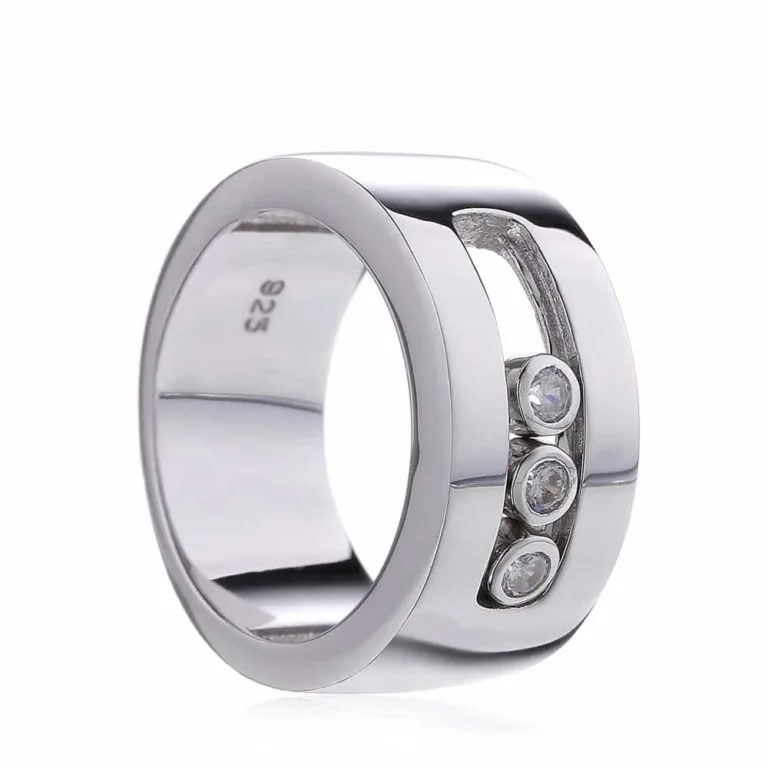
Across the 925 vs 950 vs 999 silver range, sterling is an alloy and not a pure metal. Pure silver is too soft to hold a shape in a ring or a chain link, so makers add a harder metal. In sterling, that metal is copper, and the mix is fixed at 92.5% silver to 7.5% copper. The “925” stamp is a content mark. It tells you how much silver is in the piece. It does not tell you the weight, the wall thickness, the polish, or the quality of the stone setting.
This point matters more than any other in this guide. Two pieces can both carry a 925 stamp and still be completely different products. One can be a hollow, thin-walled, sand-cast charm. The other can be a solid, hand-finished, 4.2 g pendant with clean set stones. The stamp is identical. The value is not.
Read more about marks and stamps in our 925 silver certification guide, and see the field tests in how to tell if silver is real. The Silver Institute publishes the market data and standard definitions behind sterling silver.
Why 925 became the standard
Two forces set the standard. Hallmarking law in the United Kingdom, driven by the Goldsmiths’ Company assay system, defined sterling as 925 parts per thousand, and that definition spread with the trade. The second force is physics: copper hardens silver, and 7.5% is close to the balance point where the alloy is hard enough for daily jewelry but still takes a fine polish.
This is why you will not find 900 silver or 835 silver in a normal jewelry catalog, even though both exist in older and regional markets. They are legal fineness levels, but they are softer, they show wear faster, and they carry no market recognition.
What 950 silver is and where you meet it
950 silver is 95% silver with 5% copper. It appears most often in specific markets, and it is legal in the United States and the European Union as long as it is described accurately. It tarnish slightly slower than 925 and it is a little softer, so it shows dents sooner on chain links and rings that take knocks.
In our experience with daily-wear chains, 950 is the compromise choice: the buyer wants a “higher purity” story, and the price difference against 925 is small. It is a defensible choice. It is not a better choice for wear.
What 999 fine silver is and why it is soft
999 silver is 99.9% pure. It is the same metal as a silver bar with only trace elements left in. It is beautiful, it resists tarnish better than sterling, and it is also the softest of the three. A 999 chain will scratch. A 999 cuff will dent. A 999 ring will deform and it is harder for a jeweler to resize because the metal moves under pressure instead of cutting cleanly.
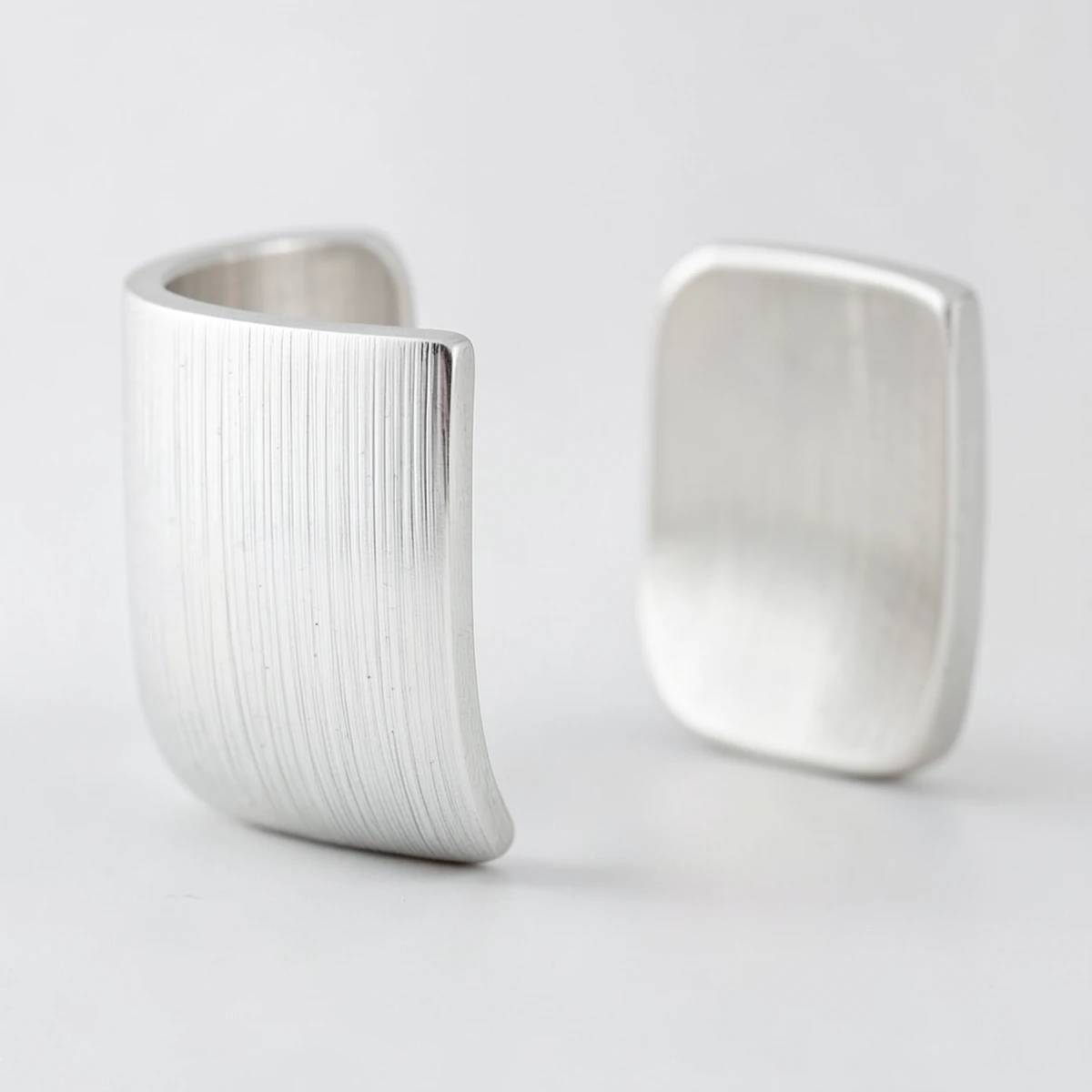
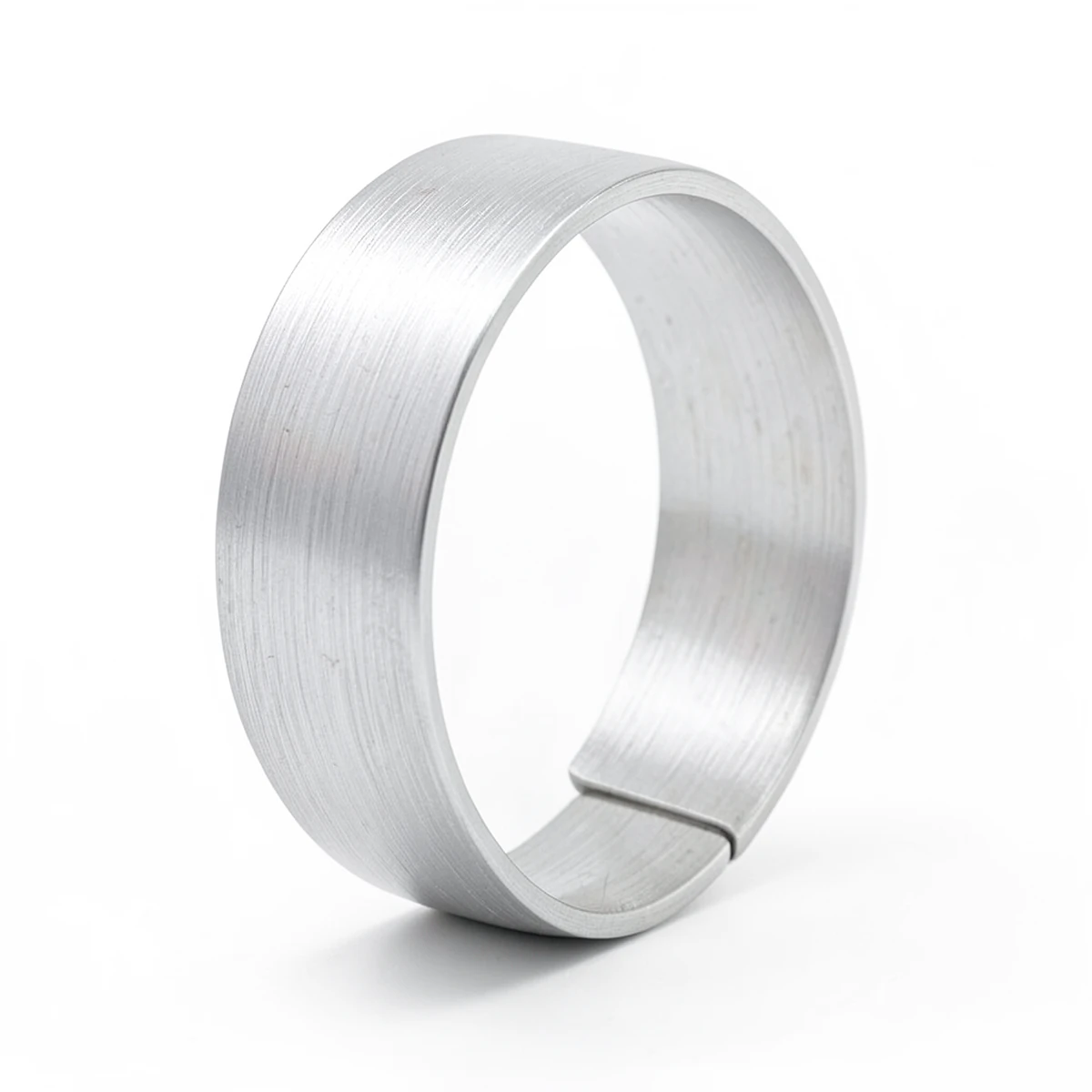
999 fine silver is used for coins, bars, and specialty flatware, and it appears in a small number of jewelry pieces. For a buyer who wants a chain or a bracelet to survive years of daily wear, 999 is the wrong material. The metal content does not create the strength. The alloy does.
What daily-wear silver chains need
The most common 925 vs 950 vs 999 silver question we see is about chains, and it usually starts like this: a buyer has worn 925 chains for years, they have tarnished, and they want to know if a purer silver will tarnish less and last longer. The honest answer is that 950 and 999 will stay bright a little longer, but they will mark sooner, and a dent on a bright chain is more visible than a dent on a matte one.
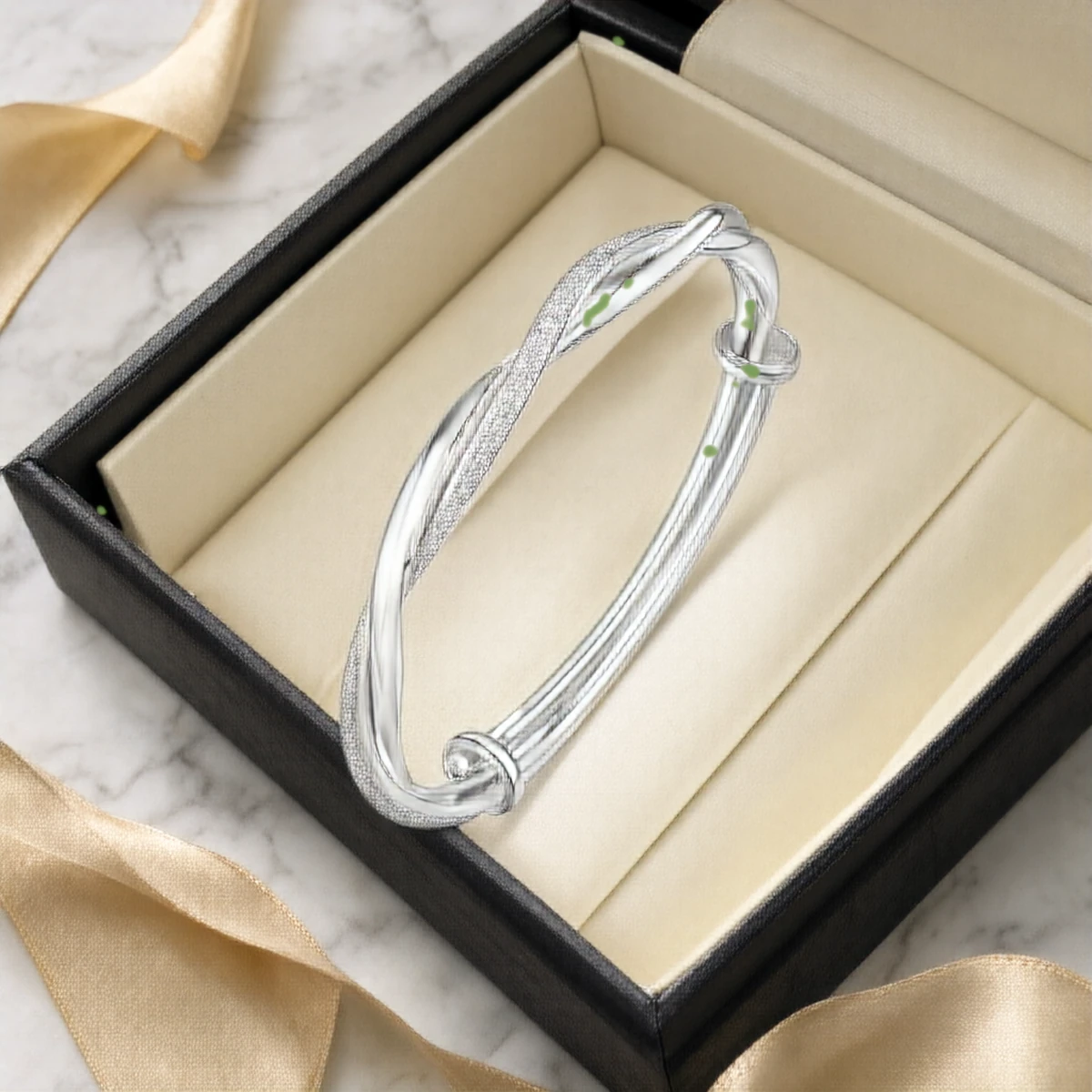
If the priority is a chain that survives daily wear, three factors matter more than purity:
- Wall thickness and link construction. A solid, well-soldered link stands up to tension. A hollow or loosely closed link does not.
- Weight per link. Heavier links resist deformation and stay in shape.
- Finish. A brushed or matte finish hides micro-scratches. A high-gloss mirror finish shows everything.
You can compare construction in our silver chain types guide, or read how we build and check wholesale chains in the sterling silver chain wholesale case study.
The green finger problem, and why purity is not the fix
The green finger problem is the most misunderstood part of any 925 vs 950 vs 999 silver discussion. A recurring question in consumer forums is why a silver ring turns a finger green or grey after a few hours of wear. The cause is not fake silver. It is the alloy in the filler metal reacting with skin chemistry, sweat, and cosmetics, and it is often aggravated by a plating layer that wears through in the high-contact area.
Higher purity does not fix this. In fact, a piece with more copper or other filler metals reacts more easily than fine silver. What fixes it is a specification: a nickel-free base, a nickel-free plating system, and a surface preparation that makes the plating adhere.
See our 925 sterling silver vs brass vs stainless steel comparison for how base metal and plating work together, and our jewelry care page for what to tell the end customer.
How purity affects the price of a piece
In a 925 vs 950 vs 999 silver price comparison, metal content is only one part of a silver piece. A 925 pendant costs more than a 999 pendant of the same shape when the 999 piece weighs more grams of higher-priced metal, but the difference is usually a small share of the total. The larger cost drivers are the weight of the piece, the complexity of the design, the labour, the setting work, the finish, and the packaging.
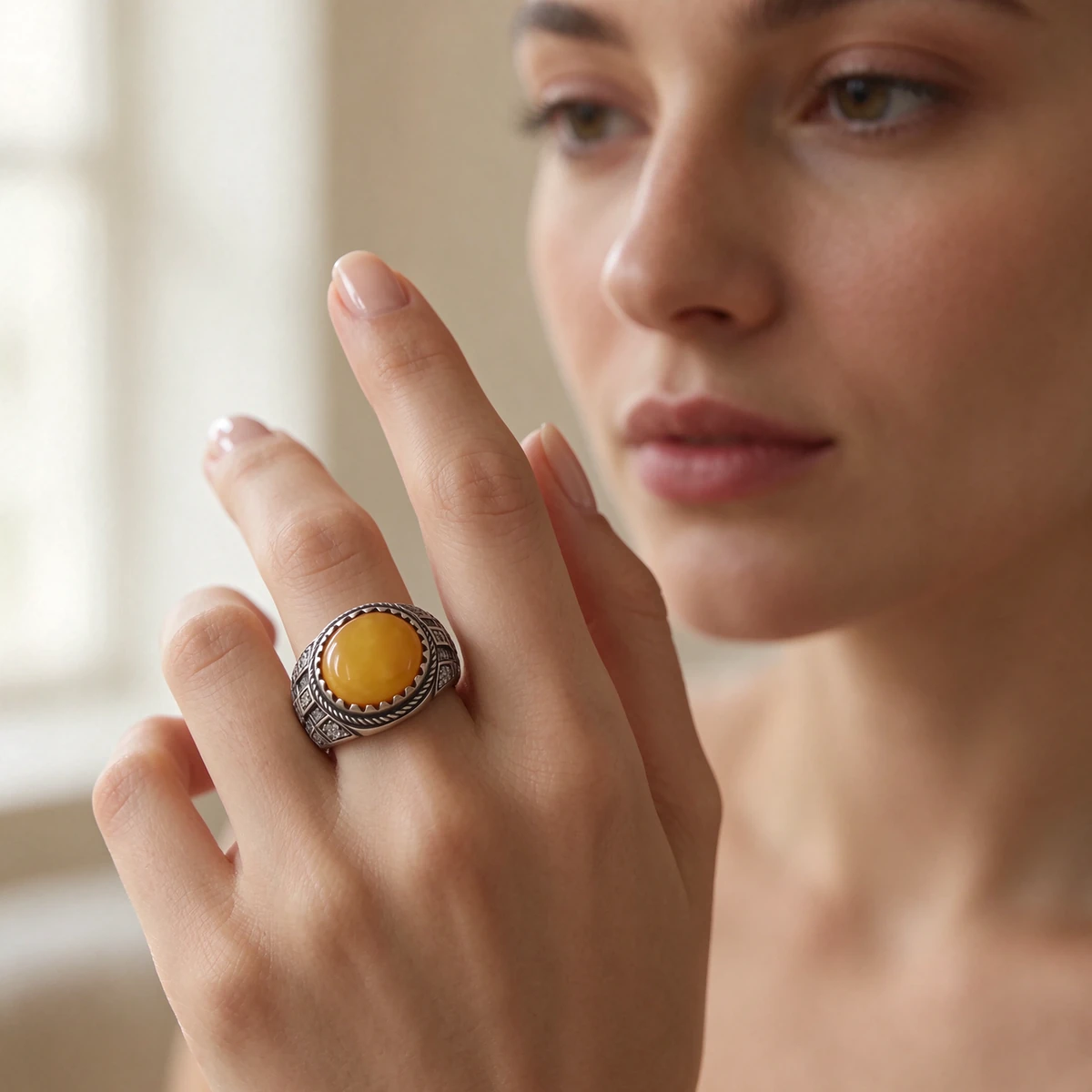
This matters when you specify purity for a bulk order. If you ask for 950 because a competitor sells 950, you are buying a claim, not a product. If you ask for 950 because your customer buys with a purity-first mindset, you are buying a market position. Know which one you are doing, and price for it.
Common mistakes when comparing silver purity
Treating the stamp as a quality grade. A 925 stamp is a content mark. Weight, thickness and workmanship decide the value.
Assuming purer silver is stronger. It is the opposite. Copper is what gives sterling its strength.
Using purity as an allergy solution. Skin reactions come from the alloy and the plating, not from the silver percentage.
Comparing prices across different weights. A 999 piece at 3 g and a 925 piece at 8 g cannot be compared by purity alone.
Forgetting hallmark rules for the destination market. Fineness marks and precious-metal descriptions are regulated. Check the labelling rules for the country where the piece will be sold before printing the purity on the product page.
Factory insight: what we check when a buyer asks for 950 or 999
We produce 925 sterling silver in our own workshop in Panyu, Guangzhou, and we have produced 925 since 1990. When a buyer asks for 950 in a 925 vs 950 vs 999 silver program, we ask one question first: is the goal a purity claim on the product page, or a wear-life requirement? If the answer is a claim, we advise staying with 925 and using the weight and the finishing to carry the value story, because 925 is the grade buyers recognise and the grade that keeps its shape.
When a buyer asks for 999, we send back a sample and a wear note. A 999 sample handled for a week shows the softness faster than any photograph can show it. On one recent 925 vs 950 vs 999 silver program, a buyer moved from 999 to 950 after seeing the wear, and then to 925 after weighing the price difference. The sample saved two production runs.
Our XRF testing in quality control confirms the metal content of the finished piece rather than of the incoming billet, which is the only number that matters when you put a mark on a product.
How to check the purity of an incoming batch
Most disputes about silver purity start with a batch, not a catalogue. A buyer approves a sample in October, receives 300 pieces in November, and finds the weight is low and the surface is dull. The stamp still says 925. The question is not what the mark says. The question is what the metal contains, and that question has a short set of answers.
XRF first. An X-ray fluorescence reading on the finished piece shows the silver percentage at the surface and a few microns below it. Take readings from three parts: the face, the edge and the clasp. A reading of 92.5% plus or minus 0.5% is normal. A face reading of 925 with an edge reading of 700 tells you the piece is plated or the alloy is uneven.
Weigh second. A digital scale to 0.01 g and a calculator settle the net weight claim in two minutes. Average ten pieces and compare the result against the purchase order. A 5% shortfall on a 12 g pendant is 0.6 g of silver per piece, and on 300 pieces that is money.
Look at the mark third. The 925 stamp should be crisp and shallow, not a soft blur from a worn punch. A stamp that sits on top of the plating, rather than under it, was added later.
Ask for the batch record. A serious factory keeps the casting lot, the XRF reading and the plating thickness for each run. The record is not the same thing as a certificate, and in any 925 vs 950 vs 999 silver audit it beats one. It is more useful, because it follows the pieces you actually received.
Any buyer weighing a 925 vs 950 vs 999 silver decision can use the same three steps against two suppliers. The supplier whose records match the scale and the XRF is the supplier you keep.
What a batch record should contain
A batch record is the file that answers every question after delivery. Ask for it before the first order, and check that it covers the pieces you bought rather than the pieces in the catalogue.
The casting lot. One number per production run. It lets the factory trace a complaint back to one pour of metal, and it shows the buyer that the run was planned rather than assembled from leftovers.
The XRF reading. The silver percentage on the finished piece, with the date and the operator. A reading taken on the billet is not the same evidence as a reading taken on the finished pendant.
The plating specification. Metal, thickness in microns, and the nickel position for the finished item.
The weight sheet. Target weight, tolerance and the average weight of the packed run. A 925 vs 950 vs 999 silver buyer who receives this sheet can check the whole order on a kitchen scale in an afternoon.
The packing list and the photos. Carton count, piece count and photos of the finished goods before packing. These are the documents a dispute actually turns on.
Choose the next step after comparing silver purity
In a 925 vs 950 vs 999 silver decision, the right purity is the one that matches the product claim, the wear expectation and the price you can defend. For daily-wear chains, rings and earrings, that is 925 with a documented nickel-free plating system. For fine silver programs and collectible pieces, we can quote 950 and 999 as well.
If you are specifying silver for a wholesale or private-label collection, send MIRAMETAL the design, the target retail price, the net weight you need and the destination market. We will tell you which purity is realistic for that spec, and what it does to the cost.
Explore sterling silver jewelry · View our 925 silver wholesale program · Request a quotation
Sources and standards for silver purity
- The Silver Institute publishes the sterling silver standard and the market data behind silver pricing.
- CIBJO sets the international jewelry industry standards for precious metal fineness and marking.
- FTC Jewelry Guides explain how a jewelry seller must describe the metal content of a piece.
Related buyer resources
- 925 Sterling Silver vs Brass vs Stainless Steel: A Jewelry Material Comparison
- How to Tell If Silver Is Real: 9 Field Tests
- 925 Silver Certification Guide: Marks, Tests and Batch Records
- Sterling Silver Chain Types: A Buyer’s Reference
FAQ: 925 vs 950 vs 999 silver
Is 999 silver better than 925 silver?
In a 925 vs 950 vs 999 silver comparison, 999 is purer and tarnishes more slowly, but it is softer. For daily-wear jewelry, 925 is the better choice because the copper in sterling makes it harder and easier to resize and repair.
Does 950 silver tarnish less than 925?
Yes, but only slightly across the 925 vs 950 vs 999 silver range. The difference is visible over years, not weeks, and 950 still tarnishes because the remaining 5% is mostly copper.
Is 999 silver the same as fine silver?
Yes. In a 925 vs 950 vs 999 silver chart, fine silver is 99.9% pure silver, and it is usually marked 999. It is the same metal as a silver bar.
Is 925 silver real silver?
Yes. 925 means 92.5% of the metal is silver, and the other 7.5% is usually copper. It is not silver plating and it is not a silver-coloured base metal.
Will 999 silver turn my skin green?
Pure silver does not cause the green mark. That reaction comes from copper or other filler metals in an alloy, or from a plating layer wearing through. A nickel-free 925 piece with a sound plating system is the safer specification.
Can you resize a 999 silver ring?
It is difficult, and it is the clearest practical argument in the 925 vs 950 vs 999 silver debate. Fine silver moves under pressure, so a jeweller has to work the metal rather than cut it. 925 rings resize far more easily.