OEM vs ODM Jewelry Manufacturing in China: Cost & MOQ | MIRAMETAL
Choosing between OEM vs ODM jewelry manufacturing decides your cost, speed, and brand control. This guide compares both models with real data from our Guangzhou 925 silver workshop, so you can pick the right path for 2026.
OEM vs ODM Jewelry Manufacturing: Key Takeaways
- OEM gives you design control; ODM gives you speed to market with a proven factory design.
- In OEM vs ODM jewelry manufacturing, OEM needs tooling fees; ODM usually starts with sample cost only.
- MOQ starts at 1 piece for samples in both models at our factory.
- Ask for XRF material reports and design ownership terms before you sign with any factory.
- New brands get the best start with ODM plus a custom logo, then move to OEM when demand is proven.
OEM and ODM are two different manufacturing models. Most jewelry brands confuse them. This guide explains the difference, costs, MOQ, lead times, and which model fits your business.
We have run OEM and ODM production in Guangzhou since 1990. We serve 3,500+ brands in 12+ countries. Here is what you need to know before choosing a manufacturing model.
Quick Answer
OEM (Original Equipment Manufacturing): You provide the design. The factory makes it. You own the design.
ODM (Original Design Manufacturing): The factory provides the design. You buy and rebrand it. The factory owns the design.
Choose OEM if: You have unique designs and want exclusivity.
Choose ODM if: You want ready-made designs with low risk.
What Is OEM Jewelry Manufacturing?
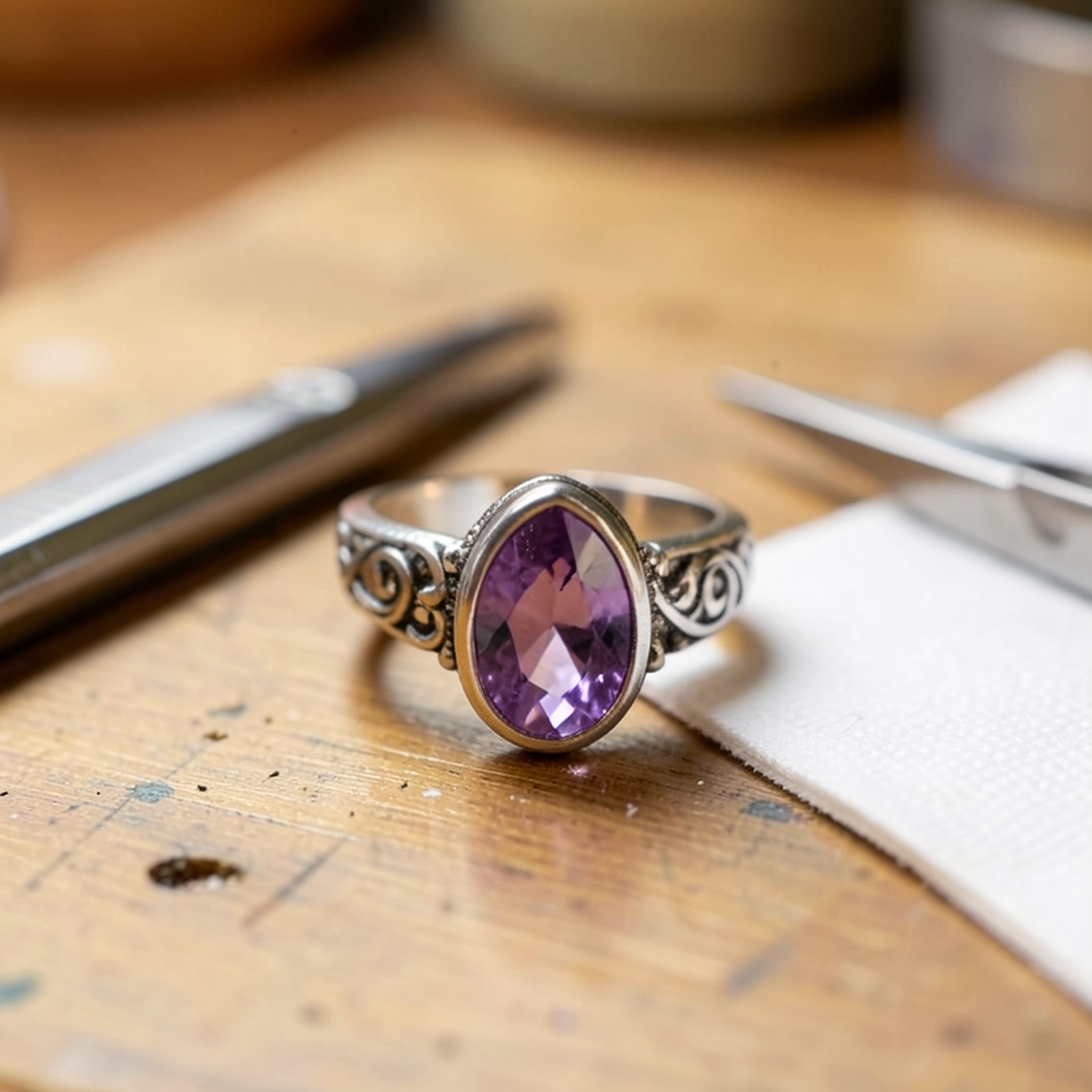
OEM means you own the design. The factory only makes it. You control everything: materials, stones, plating, packaging.
How OEM Works
- You send a design (sketch, CAD, or sample)
- The factory makes a wax model or 3D print
- You approve the prototype
- The factory produces the order
- You receive the finished products
OEM Process Timeline
| Stage | Duration | What Happens |
|---|---|---|
| Design review | 1-2 days | Factory checks feasibility |
| CAD modeling | 3-5 days | 3D model created |
| Prototype sampling | 5-7 days | Sample made and shipped |
| Approval | 1-3 days | You approve or request changes |
| Mass production | 15-20 days | Bulk order produced |
| Quality control | 2-3 days | Inspection and packaging |
| Total | 27-38 days | From design to delivery |
OEM Costs
| Cost Item | Typical Range | Notes |
|---|---|---|
| CAD design | $50-150 per design | One-time cost |
| Mold/tooling | $200-2,000 per design | Depends on complexity |
| Sampling | $30-80 per sample | Refundable with order |
| Production | $10-80 per piece | Depends on product |
| Setup fee | $100-500 | Some factories charge |
OEM Advantages
- Full exclusivity: No other brand has your design
- Higher margins: Unique products command premium prices
- Brand building: Your designs define your brand
- IP protection: You own the design rights
- Quality control: You specify every detail
OEM Disadvantages
- Higher cost: CAD and mold fees add up
- Longer lead time: 27-38 days vs 15-20 days for ODM
- Design risk: Bad designs cost money
- Higher MOQ: Usually 30-50 pieces per design
- Design responsibility: You must provide production-ready designs
What Is ODM Jewelry Manufacturing?

ODM means the factory owns the design. You select from their catalog. You rebrand with your logo and packaging.
How ODM Works
- You browse the factory’s design catalog
- You select designs you like
- The factory modifies colors, stones, or plating
- You approve the sample
- The factory produces the order
- You receive the finished products
ODM Process Timeline
| Stage | Duration | What Happens |
|---|---|---|
| Catalog selection | 1-3 days | You choose designs |
| Modification | 2-3 days | Factory adjusts specs |
| Sampling | 3-5 days | Sample made and shipped |
| Approval | 1-2 days | You approve or request changes |
| Mass production | 15-20 days | Bulk order produced |
| Quality control | 2-3 days | Inspection and packaging |
| Total | 24-36 days | From selection to delivery |
ODM Costs
| Cost Item | Typical Range | Notes |
|---|---|---|
| Design fee | $0 | Factory already owns design |
| Modification | $0-50 | Minor changes are free |
| Sampling | $30-80 per sample | Same as OEM |
| Production | $8-60 per piece | Slightly lower than OEM |
| Setup fee | $0-200 | Many factories waive it |
ODM Advantages
- Lower cost: No CAD or mold fees
- Faster launch: Designs are ready
- Lower risk: Designs are proven to sell
- Lower MOQ: Usually 30-50 pieces per design
- No design skills needed: Factory handles design
ODM Disadvantages
- No exclusivity: Other brands can buy the same design
- Lower margins: Generic designs compete on price
- Limited customization: You can only change colors and stones
- Brand confusion: Hard to differentiate
- IP risk: Factory owns the design
OEM vs ODM: Side-by-Side Comparison
| Factor | OEM | ODM |
|---|---|---|
| Design ownership | You | Factory |
| Design cost | $50-2,000 | $0-50 |
| MOQ | 30-50 pieces | 30-50 pieces |
| Lead time | 27-38 days | 24-36 days |
| Unit cost | Higher | Lower |
| Exclusivity | Full | None |
| Customization | Full | Limited |
| Risk | Medium | Low |
| Margin potential | High | Medium |
| Brand building | Strong | Weak |
| Best for | Established brands | New brands |
Which Model Should You Choose?
Choose OEM If…
- You have a unique design concept
- You want exclusive products
- You have a design team or freelancer
- You are building a premium brand
- You have $10,000+ for first order
- You understand your target market
Choose ODM If…
- You are just starting out
- You want to test the market
- You have no design team
- You want ready-made designs
- You have $3,000-5,000 for first order
- You want to minimize risk
Hybrid Approach: Start with ODM, Scale with OEM
Many successful brands start with ODM. They test designs. They find winners. Then they switch to OEM for exclusivity.
Example: A client started with 10 ODM designs. They found 2 winners. They switched those 2 to OEM. They added 5 custom designs. Now they have 7 exclusive designs and 3 ODM designs.
OEM vs ODM: Real Cost Comparison
Scenario: 100 x 925 Silver Rings
| Cost Item | OEM | ODM |
|---|---|---|
| Design/CAD | $300 | $0 |
| Mold/tooling | $500 | $0 |
| Sampling (3 pcs) | $150 | $150 |
| Production (100 pcs) | $2,500 | $2,200 |
| Setup fee | $200 | $0 |
| Total | $3,650 | $2,350 |
| Unit cost | $36.50 | $23.50 |
Difference: OEM costs $13 more per piece. But OEM gives you exclusivity. You can charge $60+ for an exclusive design vs $40 for a generic ODM design.
Scenario: 100 x Silver Necklaces
| Cost Item | OEM | ODM |
|---|---|---|
| Design/CAD | $400 | $0 |
| Mold/tooling | $600 | $0 |
| Sampling (3 pcs) | $180 | $180 |
| Production (100 pcs) | $4,000 | $3,500 |
| Setup fee | $250 | $0 |
| Total | $5,430 | $3,680 |
| Unit cost | $54.30 | $36.80 |
Difference: OEM costs $17.50 more per piece. For necklaces, the gap is larger because designs are more complex.
IP Protection: Who Owns the Design?
This is critical. Many brands lose money because they do not understand IP rights.
OEM IP Rights
- You own the design: The factory cannot sell it to others
- You own the mold: The factory must return it on request
- You can patent the design: If it is unique enough
- Contract required: Sign an NDA and IP agreement
ODM IP Rights
- Factory owns the design: They can sell it to anyone
- You own the brand: Your logo and packaging are yours
- No exclusivity: Competitors can buy the same design
- Modification rights: You can change colors and stones
How to Protect Your OEM Designs
- Sign an NDA before sharing designs
- Sign an IP agreement with the factory
- Use a factory that specializes in OEM (not ODM)
- Register your designs in key markets
- Monitor the market for copies
- Use unique design elements that are hard to copy
Warning Signs of IP Theft
- Factory refuses to sign NDA
- Factory wants to show your design to other clients
- Factory has no IP protection policy
- Factory sells on Alibaba with your designs
- Factory has a history of disputes
How to Find an OEM or ODM Factory in China
OEM Factory Requirements
- In-house design team
- CAD/CAM capabilities
- 3D printing or wax carving
- Tooling and mold making
- Flexible production line
- IP protection policy
ODM Factory Requirements
- Large design catalog
- Proven best sellers
- Quick modification ability
- Low MOQ
- Fast sampling
- Good quality control
Factory Verification Checklist
| Check | OEM | ODM |
|---|---|---|
| Business license | Required | Required |
| Export license | Required | Required |
| Design team | Required | Not required |
| CAD capability | Required | Not required |
| Mold making | Required | Not required |
| Production line | Required | Required |
| Quality control | Required | Required |
| IP policy | Required | Recommended |
| Client references | Required | Required |
Questions to Ask Before Choosing
- Do you offer OEM, ODM, or both?
- Who owns the design rights?
- What is the MOQ for OEM vs ODM?
- Can I see your design catalog (ODM)?
- Can you make a custom sample (OEM)?
- What is your lead time for each model?
- Do you sign an NDA and IP agreement?
- Can I visit the factory?
Case Study: OEM vs ODM in Practice
Client A: ODM-First Strategy
Brand: New Shopify store, 2024
Budget: $5,000
Strategy: Start with ODM, test designs
Month 1-3: Ordered 10 ODM designs, 50 pieces each. Found 2 winners.
Month 4-6: Scaled winners to 500 pieces/month. Added 5 more ODM designs.
Month 7-9: Switched 2 winners to OEM. Added custom packaging.
Month 10-12: Reached $40,000/month. 60% ODM, 40% OEM.
Result: Low risk start. Gradual transition to exclusivity.
Client B: OEM-Only Strategy
Brand: Established brand, 2024
Budget: $30,000
Strategy: Full custom OEM from day one
Month 1-3: Designed 15 custom pieces. Ordered 100 pieces each.
Month 4-6: Launched collection. Strong brand identity.
Month 7-9: Reached $80,000/month. High margins.
Month 10-12: Expanded to 30 designs. Wholesale to retailers.
Result: Higher upfront cost. Faster brand building. Higher margins.
Frequently Asked Questions
Can I switch from ODM to OEM later?
Yes. Many brands start with ODM to test the market. They find winning designs. Then they switch those designs to OEM for exclusivity. The factory can help you modify ODM designs into OEM designs.
Who owns the mold in OEM?
You own the mold. The factory must return it on request. Make sure this is written in your contract. Some factories charge a mold storage fee.
Can I customize ODM designs?
Yes. You can change metal type, stone color, plating, and engraving. You cannot change the core design. The factory owns the design rights.
What is the MOQ for OEM vs ODM?
MOQ is usually the same: 30-50 pieces per design. Some factories accept lower MOQ for ODM because the design is ready. For OEM, the factory needs to cover CAD and mold costs.
How do I protect my OEM design from being copied?
Sign an NDA and IP agreement. Use a reputable factory. Monitor the market. Register your design in key markets. Use unique design elements.
Which model is better for a new brand?
Start with ODM if you are new. Test designs with low risk. Find winners. Then switch to OEM for exclusivity. This minimizes risk and maximizes learning.
What is the main difference in OEM vs ODM jewelry manufacturing?
OEM produces your own design. ODM produces a factory design with your brand. OEM costs more in tooling; ODM ships faster because the design already exists.
Who owns the design in OEM vs ODM jewelry manufacturing?
In OEM, you own the design and the factory should sign an NDA. In ODM, the factory keeps the base design; your logo and packaging stay exclusive to you.
Which model has lower MOQ?
Both models can start low. Our MOQ begins at 1 piece for samples. Bulk MOQ depends on design complexity: simple stamped pieces run from 30 pieces, cast pieces from 50.
Does OEM vs ODM change delivery time?
Yes. ODM samples ship in 3-7 days because no new tooling is needed. OEM adds 7-15 days for CAD, mold making, and first article checks.
Can I move from ODM to OEM later?
Yes, and many brands do. Start with ODM to test the market, then invest in OEM tooling for the designs that reorder the most.
Which model protects quality better?
Quality depends on the factory, not the model. Demand XRF silver tests, in-line QC photos, and a pre-shipment inspection in either model — the same checks decide success in OEM vs ODM jewelry manufacturing.
Is the OEM vs ODM jewelry manufacturing cost gap big for small brands?
For first orders, yes: OEM adds tooling that ODM skips. One factory study we ran showed a $300-$800 tooling gap on a small pendant program. As volume grows, OEM vs ODM jewelry manufacturing costs converge because tooling amortizes.
Can one factory handle both OEM vs ODM jewelry manufacturing?
Yes. Our Guangzhou workshop runs both under one roof, so you can start a design as ODM and convert it to OEM later without changing suppliers or re-approving quality systems.
Which is faster in OEM vs ODM jewelry manufacturing?
ODM wins on speed: samples ship in 3-7 days because the design already exists. OEM adds CAD approval and mold making, usually 7-15 extra days before bulk production starts.
Do minimum orders differ in OEM vs ODM jewelry manufacturing?
Bulk MOQs look similar, but OEM ties MOQ to mold life while ODM ties it to stock. In practice, OEM vs ODM jewelry manufacturing MOQs both start at 30-50 pieces for silver at our workshop.
How do sample costs compare in OEM vs ODM jewelry manufacturing?
ODM samples reuse existing molds, so they cost less. OEM samples carry first-article labor. Review both numbers when you compare OEM vs ODM jewelry manufacturing quotes for a launch budget — sample spend is the cheapest insurance in OEM vs ODM jewelry manufacturing.
What team do you need for OEM vs ODM jewelry manufacturing?
ODM needs one decision maker and a logo file. OEM needs someone who can read CAD drawings or a factory that translates sketches for you. Plan for OEM vs ODM jewelry manufacturing with the team you actually have, not the team you wish you had.
Common OEM vs ODM Jewelry Manufacturing Mistakes
Buyers lose money in OEM vs ODM jewelry manufacturing through avoidable process errors, not model choice. Check this list before you transfer any deposit.
- No written IP terms — in OEM, your CAD files must be protected by an NDA. In ODM, confirm which parts of the design stay factory-shared.
- Tooling quoted without first article check — always approve a physical first article before full mold payment in OEM.
- Comparing quotes without specs — weight, thickness, and stone size change OEM vs ODM jewelry manufacturing prices by 30-50%.
- Full payment upfront — standard terms are 30% deposit and 70% against inspection photos.
- Skipping the sample round in ODM — factory catalog photos hide plating and weight issues that samples reveal in 3-7 days.
- Ignoring lead-time math — count sample rounds, holidays, and shipping when you compare OEM vs ODM jewelry manufacturing timelines for a launch date.
A disciplined process turns OEM vs ODM jewelry manufacturing into a predictable cost decision instead of a gamble. Write your spec sheet first, then let the factory match the model to it. Send the same spec sheet to every factory on your short list, and the OEM vs ODM jewelry manufacturing quotes you get back become directly comparable.
Related Guides and Authoritative Sources
Keep researching OEM vs ODM jewelry manufacturing with these guides, then confirm factory quality before your first deposit.
- private label silver jewelry guide
- how to evaluate a jewelry factory
- 925 silver MOQ rules
- factory-direct jewelry manufacturing
For gem claims in custom designs, cross-check the GIA gem encyclopedia. For EU compliance, review the ECHA REACH restrictions on nickel release.
Next Steps: Choose Your Manufacturing Model
You now understand OEM and ODM. Here is what to do next:
- Assess your budget: How much can you invest?
- Evaluate your designs: Do you have custom designs?
- Choose a model: OEM, ODM, or hybrid
- Find 3 factories: Request quotes and samples
- Start small: Test with 30-50 pieces
- Scale winners: Increase order volume
Ready to start? Contact MIRAMETAL for a free consultation. We offer both OEM and ODM services. We will help you choose the right model for your brand. Email: mirametal@lhpv88.shop