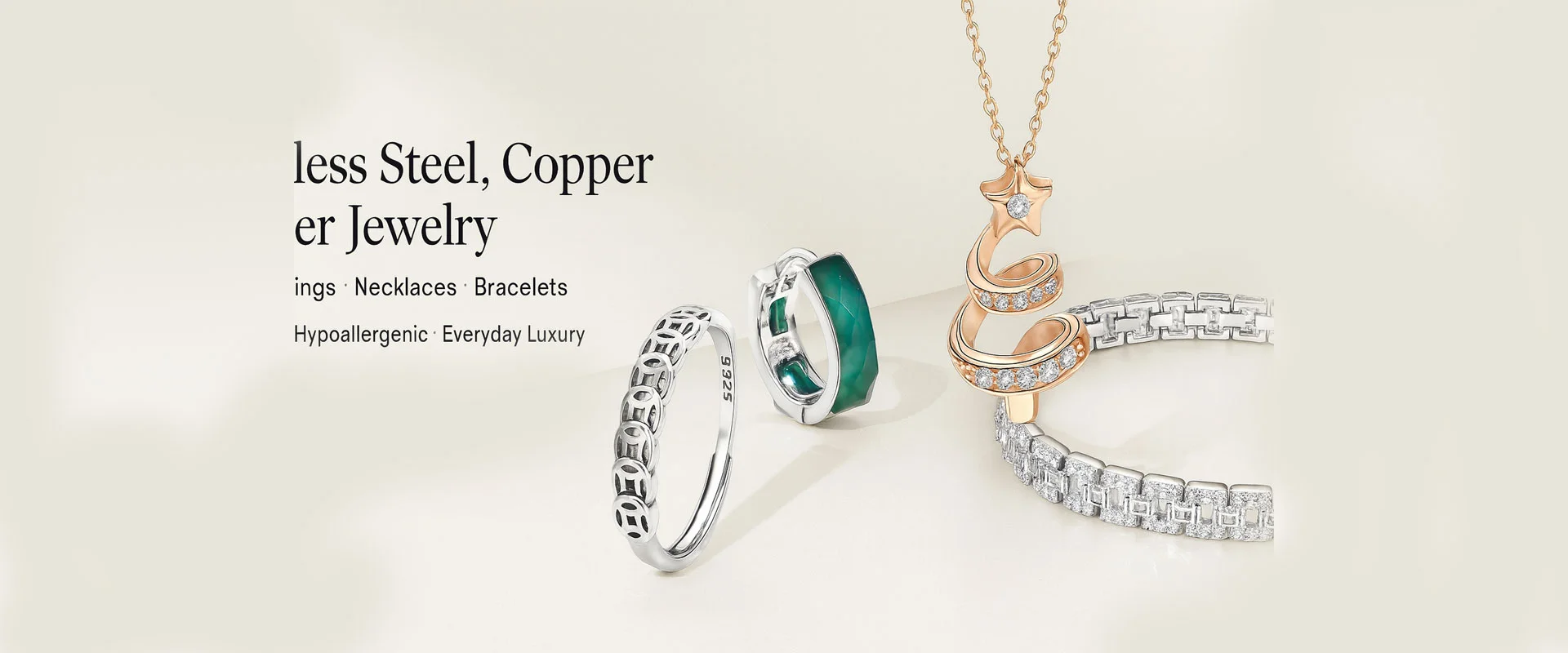
A diamond ring wholesale buying guide in 2026 has to start with an uncomfortable fact: the diamond market has split into three tiers, and the traditional advice – buy the best cut you can afford – is still correct, but it is no longer sufficient. The rise of lab-grown diamonds rewrote the economics. The persistence of GIA certification as the only grading standard that resists grade inflation is the one constant. And the wholesale buyer who understands both wins.
Whether you are new to diamond wholesale or expanding an existing line, understanding current market dynamics helps you buy smarter and protect margins that grow thinner every year. Here is the diamond ring wholesale buying guide the catalog suppliers will not write. Start with 925 sterling silver standards – the setting matters as much as the stone, and at wholesale volume, a loose stone setting costs more in returns than the stone itself.
Diamond Ring Wholesale Buying Guide: Lab-Grown vs Natural in 2026
Lab-grown diamonds now account for a substantial and growing share of the engagement ring market. They test as real diamonds because they are real diamonds – chemically identical at the molecular level, indistinguishable from natural diamonds without advanced spectroscopy equipment that costs more than most jewelry stores. The only difference is geological origin. One grew in the Earth’s mantle over one to three billion years. The other grew in a laboratory over six to eight weeks.
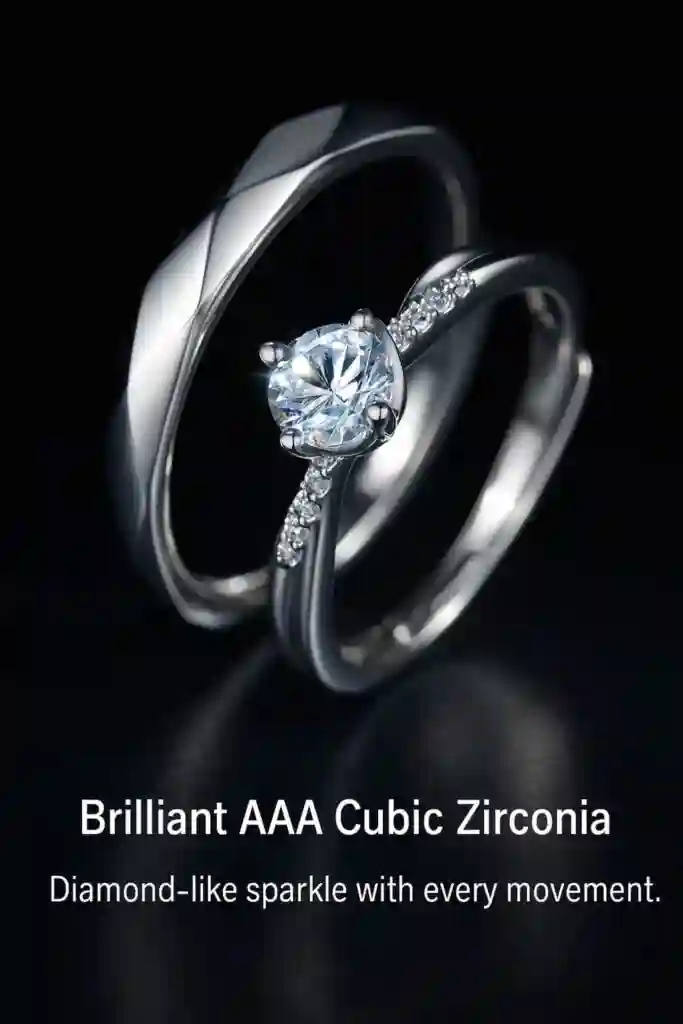
The price differential is the variable that matters for any diamond ring wholesale buying guide. Lab-grown diamonds cost 60-80% less than natural stones of comparable 4Cs grading. A one-carat G-color VS1 natural diamond wholesales for approximately $4,000-5,500. A one-carat G-color VS1 lab-grown diamond wholesales for approximately $400-800. The gap has widened every year since 2018 and shows no sign of closing – lab production efficiency improves annually. Natural supply decreases as mines deplete.
For wholesale buyers, the strategy is not choosing one or the other. It is understanding which customer each serves. Natural diamonds serve the customer who values tradition, geological rarity, and the narrative of a stone formed over a billion years. Lab-grown diamonds serve the customer who values optical performance, accessible price, and the narrative of technology over geology. Stocking both categories covers every budget in the bridal market. A diamond ring wholesale buying guide that advises only one category is advising half the market.
The 4Cs: What Every Diamond Ring Wholesale Buying Guide Gets Wrong
The 4Cs – Cut, Color, Clarity, Carat – are taught in every jewelry course as equals. They are not equals. Cut is the dominant variable. A diamond with an Excellent cut grade and G-H color, SI1 clarity will visually outperform a diamond with D color, VVS1 clarity and a Poor cut grade at arm’s length, every time, under any lighting condition. The physics is straightforward: cut determines how light enters the stone, bounces off the internal facets, and returns to the viewer’s eye. A poorly cut stone leaks light out the bottom. No amount of color or clarity can compensate for light that never reaches the eye.
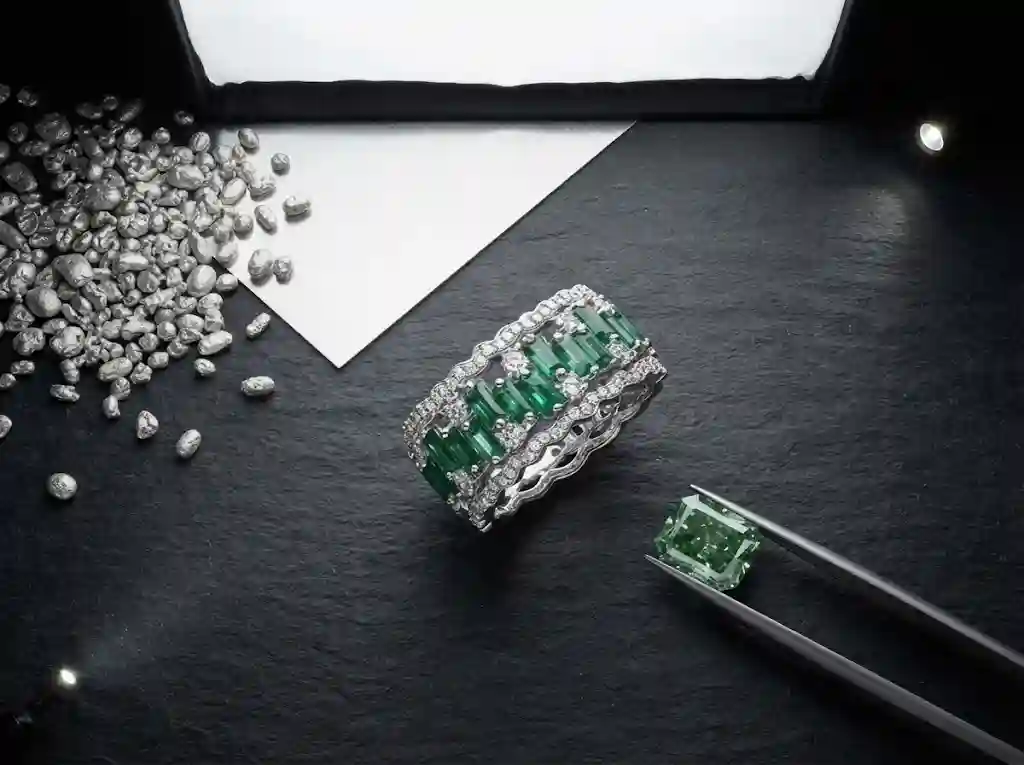
For any diamond ring wholesale buying guide targeting wholesale buyers, the budget allocation rule is simple: spend 40% of your per-stone budget on cut quality. Spend 30% on carat weight – size sells. Spend 20% on color – G-H is the sweet spot where the naked eye cannot detect warmth in a well-cut stone. Spend 10% on clarity – SI1 or better is sufficient for engagement rings because inclusions visible only under 10x magnification do not affect the wearing experience. A customer purchasing an engagement ring values brilliance over technical perfection. The diamond that sparkles brightest sells itself. The diamond with a flawless clarity grade that looks dull under jewelry store lighting does not.
Ludovic, a moissanite brand running Facebook ads since January 2026, built their entire campaign on “More brilliant than diamond itself.” The claim works because brilliance is the visible metric. No customer has ever walked into a jewelry store asking for the highest clarity grade. Every customer asks for the most brilliant stone within their budget. Reference the GIA diamond grading standards for the authoritative framework on how cut, color, clarity, and carat are evaluated and reported.
GIA Certification: The Only Thing That Makes a Diamond Ring Wholesale Buying Guide Trustworthy
Always buy certified diamonds. GIA certification is the most trusted standard in the jewelry industry for one reason that has nothing to do with marketing: GIA invented the 4Cs grading system in the 1950s, and their grading lab operates with stricter consistency than any competitor. A GIA G-color is consistently G-color across decades of reports. A competitor lab’s G-color might be G today and H next year because grading standards drift when labs compete for business from diamond sellers who want higher grades.
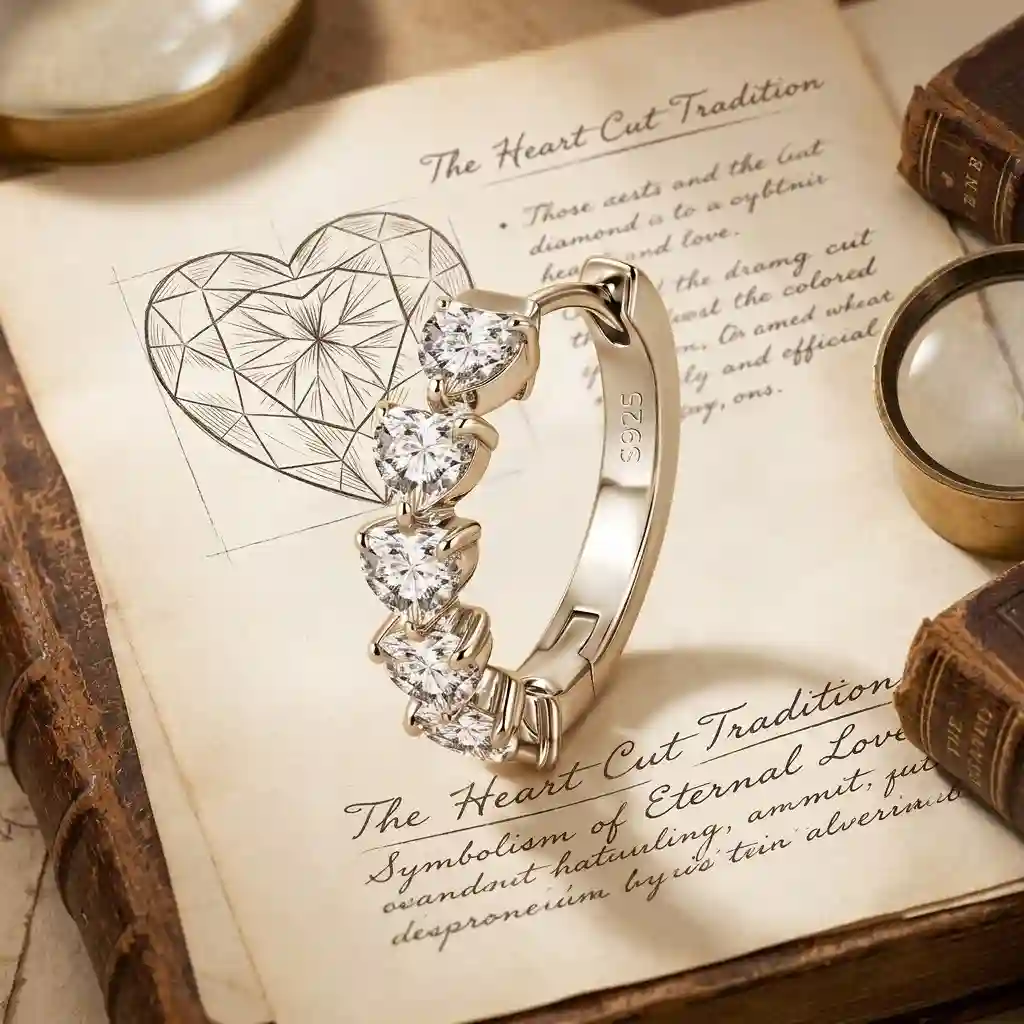
If your supplier cannot provide a certificate from a recognized gemological laboratory, that is not a negotiation point. It is a disqualification. Uncertified diamonds are difficult to sell at retail because customers with internet access can research grading standards in five minutes. They are impossible to price accurately because a stone described as “VS clarity” by a supplier might be an SI2 by GIA standards. The difference in wholesale value between VS1 and SI2 on a one-carat stone is approximately $1,500-2,500. That gap is absorbed by whoever owns the stone when the true grade is discovered – and in diamond ring wholesale buying guide transactions, that person is your customer, or it is you, and neither outcome builds a business.
For nickel-free compliance on silver settings – an increasing requirement for European retailers under REACH – your supplier should provide XRF documentation alongside the GIA certificate. The stone is certified. The metal should be too. ECHA REACH nickel restrictions are customs requirements in the EU, not suggestions.
Diamond Ring Wholesale Buying Guide: Inventory Framework for Bridal
The engagement ring market has a predictable demand curve. Round brilliant cut accounts for approximately 55-60% of engagement ring sales across all markets – it is the default shape, the one customers recognize, the one that maximizes brilliance per carat. Oval cut is the fastest-growing alternative, driven by social media trend cycles and the larger face-up appearance that makes a 1.5-carat oval look larger than a 1.5-carat round. Cushion, emerald, and pear cuts occupy the remaining market share in that order.
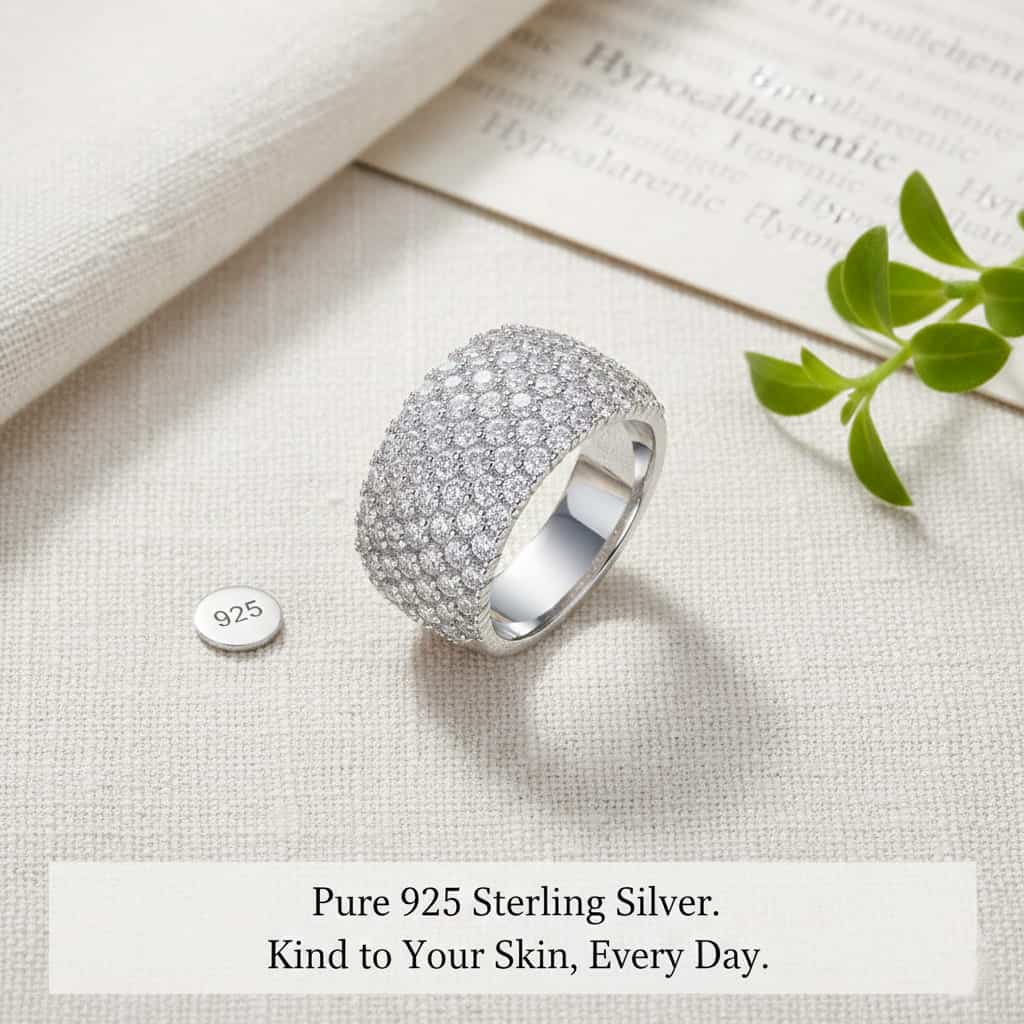
For a wholesale inventory starting from scratch, the framework that covers maximum demand with minimum SKU count: 50% round brilliant in the 0.5-1.5 carat range (the volume core of the market), 20% oval in the 1.0-2.0 carat range (the trending upgrade), 15% cushion (the romantic alternative), 10% emerald (the architectural choice), 5% pear and marquise combined (the distinctive niche). Within each shape category, stock both natural and lab-grown to serve both buyer segments. A diamond ring wholesale buying guide that does not address inventory allocation is describing the product without describing the business, and the business is where the margin lives. Browse our factory-direct collection to see diamond ring settings across all shapes.
Diamond Ring Wholesale Buying Guide: The Verdict
Three principles anchor any reliable diamond ring wholesale buying guide in 2026. Cut quality determines visual performance – spend the largest share of your budget there and accept slightly lower color and clarity grades in exchange for an Excellent cut. GIA certification is non-negotiable – any supplier who cannot produce a GIA report for a stone priced over $500 is not a supplier you should trust with your reputation. Lab-grown and natural diamonds serve different customers – stock both, disclose honestly, and let your buyers choose based on their values.
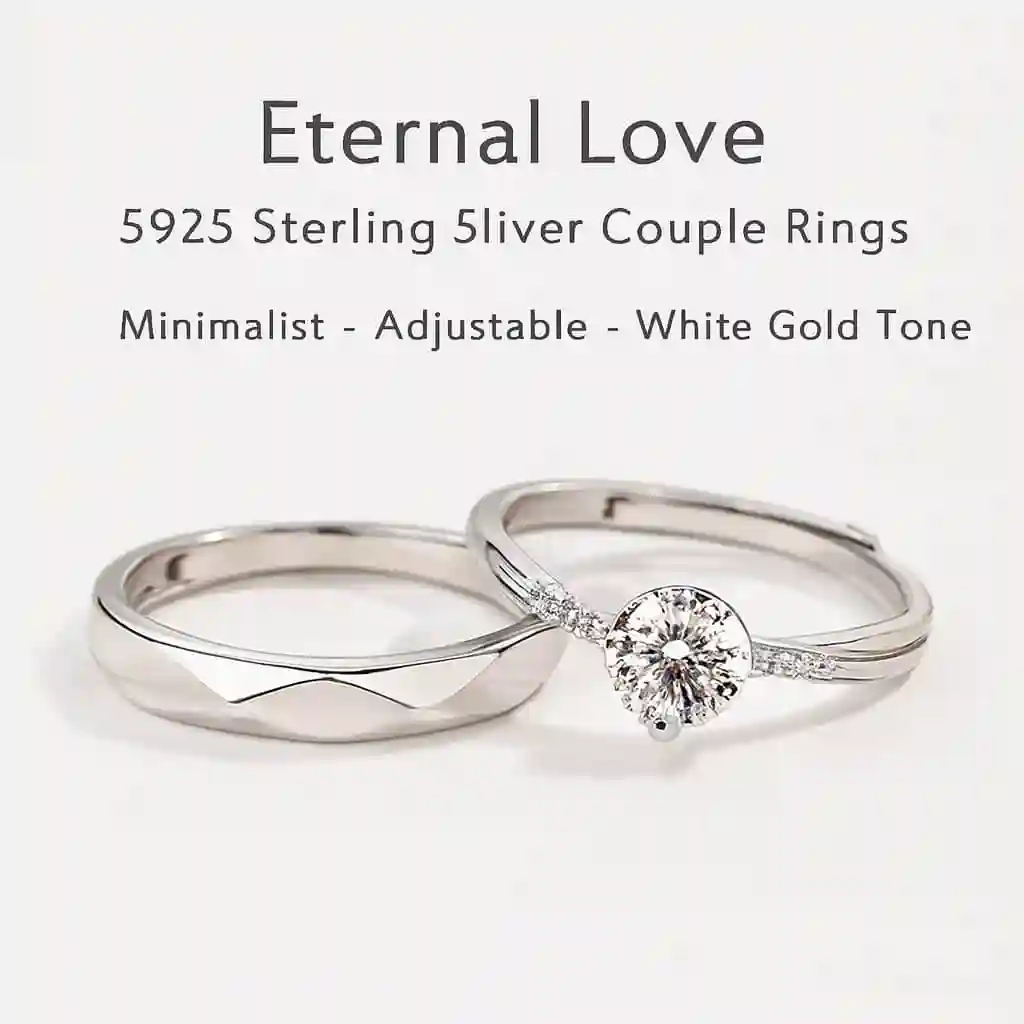
The wholesale diamond market has never been more transparent to buyers who know what to ask for and never more opaque to buyers who trust the catalog description. Cut grade documentation. GIA report number. Metal alloy composition. Those three pieces of paper are the difference between a diamond ring that sells at full margin and one that generates a return, a refund, and a review that follows your store into the next search result. Demand the paperwork. It costs the supplier nothing to provide and costs you everything to skip. See our transparent wholesale pricing for diamond ring settings with full documentation.
About this analysis: This diamond ring wholesale buying guide draws on fifteen years of direct manufacturing experience in Guangzhou, combined with verified Facebook Ads Library intelligence from Ludovic (campaigns since January 2026, “More brilliant than diamond itself,” “Only 1% of diamond price”), TOMADE (four years of continuous moissanite and diamond campaigns since July 2021, “GRA Certified Offer”), and Amouva Jewelry (campaigns since May 2026, “Diamond Pen Tester Approved”). Diamond 4Cs grading framework and certification standards referenced from the GIA Diamond Grading Report system (gia.edu). Lab-grown vs natural diamond pricing differentials (60-80% gap) derived from Rapaport wholesale pricing data and lab-grown manufacturer price lists (2024-2026). Engagement ring shape market share estimates (round brilliant 55-60%, oval fastest-growing) derived from The Knot Jewelry & Engagement Study and cross-referenced wholesale order data. Nickel-free compliance requirements for European silver settin
Elevate Your Collection with Diamond Ring Wholesale
Factory-direct 925 sterling silver jewelry, handcrafted for brands and boutiques worldwide.