Custom Jewelry Manufacturing: 2026 MOQ, CAD, Samples and Real Costs
Custom Jewelry Manufacturing: Real MOQ, Tooling & Sample Costs
Custom jewelry manufacturing starts with a quote that looks simple: one unit price, one MOQ, one lead time. At MIRAMETAL, we have seen the real problems appear later, when the buyer discovers that the mold was not included, the sample used a different stone, or the quoted MOQ applies separately to every color.
For a brand owner, the real question is not “Who can give me the lowest unit price?” It is “What will this order cost in total, and what exactly am I approving before production starts?”
This guide breaks down the custom jewelry manufacturing process, the fees that sit outside the unit price, and the details that should be confirmed in writing before you pay a deposit.
Contents
- What custom jewelry manufacturing includes
- The custom jewelry manufacturing process
- How custom jewelry manufacturing MOQ really works
- What a custom jewelry manufacturing quote excludes
- What to send for an accurate custom jewelry manufacturing quote
- How to compare custom jewelry manufacturing quotations
- Common mistakes in custom jewelry manufacturing
- Factory insight from live quotes
- FAQ: custom jewelry manufacturing
- Start a custom jewelry manufacturing project
What custom jewelry manufacturing includes
Custom jewelry manufacturing usually falls into two models, and the quote should make the difference clear.
OEM means the factory produces a design that already exists, often with your logo, packaging or minor modifications. It is usually faster because the construction and tooling have already been proven.
ODM means the factory helps develop a design from your reference, sketch or concept. The work may include CAD modelling, stone-setting planning, sample production, mold making and bulk manufacturing.
Many suppliers use the terms loosely. Ask which parts they complete in-house and which parts are outsourced. That answer affects communication speed, quality control and how quickly a problem can be fixed.
MIRAMETAL works with both ready-stock pieces and made-to-order custom projects. Ready-stock designs are the faster route for a first collection. Custom work is better when the design, dimensions, stone layout or branding needs to be unique.
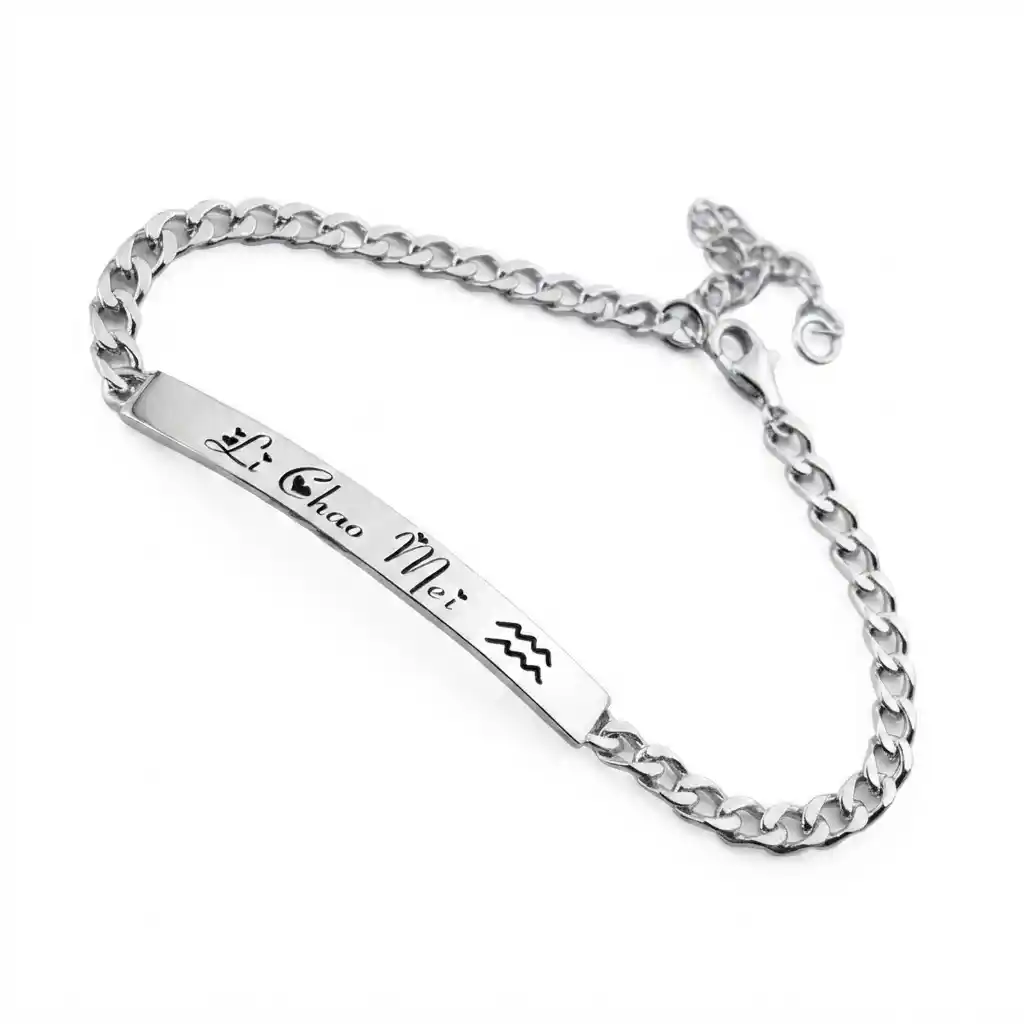
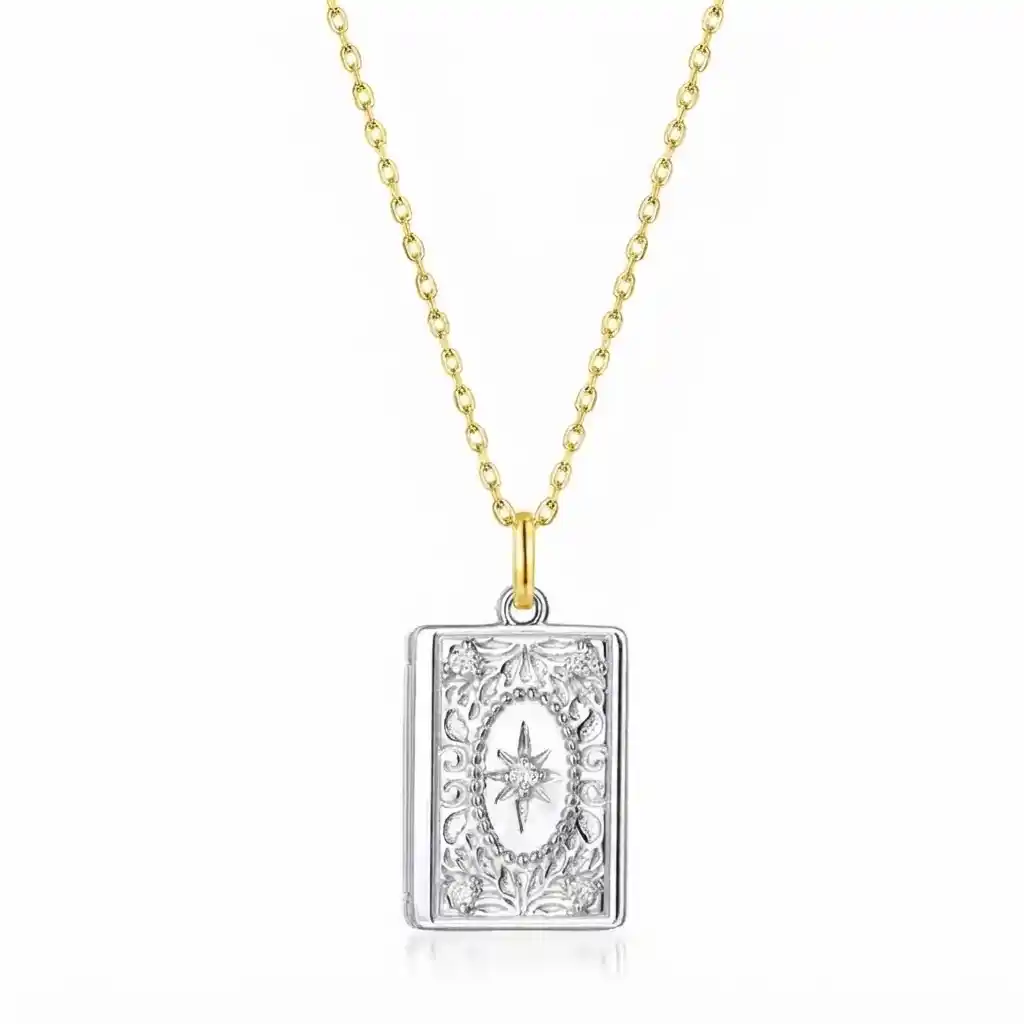
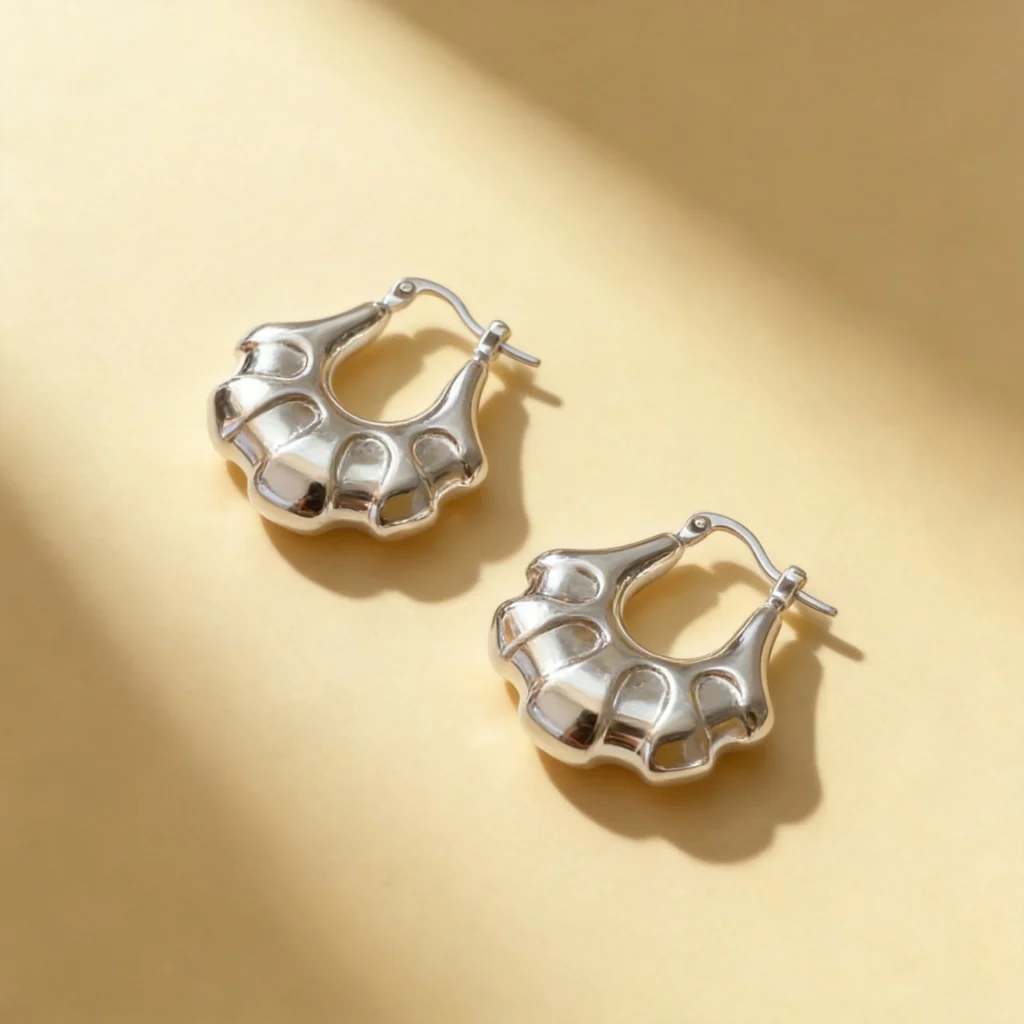
For a practical reference, compare a ready-stock piece such as the Silver Statement Earrings, or look at personalized formats like the Custom Name Bracelet and Photo Locket Necklace. These examples show why the production brief has to define more than the product category.
The custom jewelry manufacturing process, step by step
1. Project brief and feasibility check
In custom jewelry manufacturing, the process starts with a reference image, technical drawing or sketch, plus the intended material, stone type, finish, quantity and target market.
A good manufacturer will not jump straight to a price. They will first check whether the design can be cast, set, polished and plated reliably at your target quantity. Very thin walls, unsupported stones and impossible tolerances may look fine in an image but fail in production.
2. CAD design and technical review
CAD turns the reference into a measurable 3D model. The review should cover:
- Overall dimensions and proportions
- Metal thickness and weight target
- Stone sizes, positions and setting method
- Bail, clasp or earring-post construction
- Engraving area and logo placement
- Plating and finishing requirements
Ask for a labeled drawing or render from more than one angle. A single front view can hide a weak setting or an impractical back structure.
For custom work, a design fee may be charged separately. MIRAMETAL’s current custom design fee is USD 80 per design and includes revisions until the drawing is approved. Confirm the revision scope and design-file ownership with your supplier before work begins.
3. Sample or prototype approval
The sample is where a buyer should check more than appearance. Review:
- Finished dimensions against the approved drawing
- Actual weight
- Stone color, size and setting
- Surface finish under natural light
- Clasp, post or hinge function
- Engraving depth and legibility
- Comfort and wear points
- Whether the piece matches the reference in proportion, not just style
Take close-up photos and, where possible, a short video under daylight. It is much easier to catch an uneven satin finish or a loose stone before bulk production.
4. Master mold and production setup
After the sample is approved, a production mold may be made. This is a separate cost from the design fee because it is a production tool, not a drawing.
The mold should be treated as part of the project’s commercial terms. Ask:
- Is the mold fee charged once per design?
- Does it cover all sizes and colors?
- Who stores the mold?
- Is it refundable at a certain quantity?
- What happens if the design is changed after the mold is made?
MIRAMETAL’s current terms include a separate tooling fee and a refund of the mold and design fee when a single design reaches 200 sets or more, with the refund deducted from the balance. The exact terms should always appear on the quotation, not only in chat.
5. Bulk production
Production begins after the deposit, approved sample and final specification sheet are in place. The factory should confirm the production quantity, packing method and inspection standard before the line starts.
A common mistake is to approve a sample but leave the bulk order specification vague. “Same as sample” is not a specification. The approved material, weight tolerance, stone grade, plating thickness, logo file and packaging should be written down.
6. Quality control and shipping
Before shipment, the buyer should know:
- What percentage of pieces will be inspected
- How plating color and surface defects are judged
- How stone security is checked
- What happens if a piece fails inspection
- Whether photos or videos are provided before packing
- Who pays freight, duties and taxes
Shipping is usually calculated by actual weight, destination and service level. A sample freight quote should not be treated as the freight cost for a bulk order.
How custom jewelry manufacturing MOQ really works
In custom jewelry manufacturing, MOQ is one of the most misunderstood parts of sourcing. It is rarely one number for the whole factory.
| Order type | Typical MOQ logic | What to confirm |
|---|---|---|
| Ready stock | Often from 1 piece per design, subject to stock | Whether the color, size and finish are actually available |
| Brass custom production | Usually lower than fine-metal custom work | Current MOQ per design and whether colors can be mixed |
| 925 silver custom production | Depends on construction, stones and finishing | Per-design MOQ, size pooling and sample requirements |
| Multi-design order | Each design may carry its own minimum | Whether the total order quantity can be shared across designs |
At MIRAMETAL, the current custom MOQ for brass is 30 pieces per design. For 925 silver custom work, the minimum depends on the project and should be confirmed in the quotation. Ready-stock programs can start from one piece per design where stock is available.
Do not assume that 100 pieces across five designs satisfies a “100-piece MOQ.” Many factories apply the minimum per design, per size or per finish. Ask for the pooling rule in writing.
What a custom jewelry manufacturing quote does not always include
A responsible custom jewelry manufacturing quote should separate the one-time costs from the recurring costs.
Design and CAD fee
This covers the work of turning your reference into an approved 3D model. It is usually charged once per design, although revisions beyond the agreed scope may cost extra.
Mold or tooling fee
This covers the production tool needed for casting or forming the piece. It is not the same as the sample cost and should not be hidden inside the unit price without explanation.
Sample cost
A sample may include the CAD work, wax or resin model, casting, stone setting, polishing, plating and shipping. Ask whether the sample cost is credited against the bulk order.
Bulk production cost
This is the unit price multiplied by quantity. It should be based on the approved material, weight, stone specification and finish, not on a generic photo.
Freight, duties and taxes
These are separate from the factory unit price in most EXW or FOB quotations. Confirm the trade term, destination, chargeable weight and whether duties are included.
What to send for an accurate custom jewelry manufacturing quote
A short but complete custom jewelry manufacturing brief saves several rounds of email. Include:
- Reference image, sketch or technical drawing
- Product type and approximate dimensions
- Preferred material: 925 sterling silver, brass, stainless steel or another option
- Target finished weight, if you have one
- Stone type, color, size and grade
- Setting style and whether the stones must be a specific material
- Plating color and required thickness
- Logo, engraving and hallmark requirements
- Packaging requirements
- Quantity per design and total quantity
- Target market and any compliance requirements
- Required delivery date
If you do not know every detail, say so. A manufacturer should be able to propose options, but the final specification must be approved by you.
How to compare custom jewelry manufacturing quotations
When comparing custom jewelry manufacturing quotations, do not compare only the unit price. Use a simple landed-cost calculation:
Landed cost per piece = (unit price × quantity + design fee + mold fee + sample cost + freight) ÷ quantity
Then compare the commercial terms beside the number:
| Comparison point | Why it matters |
|---|---|
| Unit price | Only meaningful with the same material, weight and stone grade |
| Design fee | May be charged once, per design or per revision |
| Mold fee | Can change the real cost of a small first order |
| Sample cost | Ask whether it is credited against bulk production |
| MOQ | Check whether it applies per design, size or color |
| Lead time | Confirm whether it starts from deposit, CAD approval or sample approval |
| Payment terms | Understand deposit, balance and sample payment |
| Refund terms | Confirm how and when tooling or design fees are returned |
| QC standard | Defines what counts as a defect |
| Shipping terms | Clarifies who pays freight, duties and taxes |
A lower unit price can be more expensive at 50 pieces if it carries a higher mold fee, a mandatory sample charge or a separate fee for every color.
Common mistakes in custom jewelry manufacturing
Sending a photo and asking for “the best price”
The most common custom jewelry manufacturing mistake is sending a photo without metal weight, stone size, setting method or finish. The supplier has to guess, and the final quote may not match the piece you expected.
Assuming one MOQ covers every variation
Sizes, colors and finishes may be counted separately. Confirm the rule before you build a product launch around it.
Skipping the physical sample
Renders can hide proportions, rough edges, loose stones and uncomfortable wear points. A sample is especially important for a first collection.
Comparing prices without checking the stone
“Moissanite” or “CZ” is not a complete specification. Ask for color, clarity, cut, dimensions and certification where applicable.
Treating plating as a permanent finish
Plating is a wear layer. Its life depends on thickness, base material, skin chemistry, friction and care. Ask for the thickness in microns and the care limits, not just “gold plated.”
Sharing original designs without an NDA
If the design is proprietary, ask for a mutual NDA before sending production files. Also confirm who owns the CAD files and whether the design can be reused for other clients.
Factory insight: custom jewelry manufacturing lessons from live quotes
The useful part of custom jewelry manufacturing is rarely the generic definition. It is what changes the quote and what prevents a bad approval.
- A US brand recently asked for brass pendants at 1, 10, 50 and 500 pieces. The only honest way to compare those prices is to separate the prototype, the tooling and the bulk unit price. A low 500-piece unit price does not tell the buyer what the first 50 pieces will cost.
- A European buyer asked for 2.5 μm gold vermeil on 925 silver. That is a project-specific requirement, not the standard 0.25–0.5 μm plating specification used on applicable MIRAMETAL custom programs. The base metal, coating thickness and nickel-free statement all have to be written on the same specification sheet.
- A buyer sent one reference image for a moissanite pendant and asked for the “best price”. Without finished dimensions, stone sizes and setting method, two factories can quote two different products. In custom jewelry manufacturing, those three details are part of the price, not decoration.
Before approving a material or stone claim for a custom jewelry manufacturing project, use the CIBJO jewellery standards, GIA diamond and gemstone guidance, and Silver Institute material information as reference points. They do not replace your own sample approval, but they make a supplier conversation more concrete.
FAQ: custom jewelry manufacturing
These are the questions we hear most often in custom jewelry manufacturing.
What is the MOQ for custom jewelry manufacturing?
It depends on the material and construction. Ready-stock jewelry may start from one piece per design. Brass custom production at MIRAMETAL currently starts at 30 pieces per design. Custom 925 silver projects are quoted individually because stone setting, weight and finishing affect the minimum.
How much does CAD jewelry design cost?
MIRAMETAL’s current design fee is USD 80 per design. The scope should state how many revisions are included and what happens if the concept changes after approval.
Do I need to pay for a sample before bulk production?
Usually yes. A sample is a separate production step. Some factories credit part or all of the sample cost against a later bulk order, but this should be agreed before payment.
How long does custom jewelry production take?
MIRAMETAL’s standard production lead time is 15–20 working days after the design, sample, deposit and final specifications are approved. Complex stone setting, new molds or special packaging can require more time.
Can I mix designs, sizes or colors in one order?
Often yes, but the MOQ may still apply per design, size or finish. Ask for the exact pooling rule and have it written on the quotation.
Are mold and design fees refundable?
MIRAMETAL’s current terms refund the mold and design fee when a single design reaches 200 sets or more, with the refund deducted from the balance. Confirm the threshold and calculation on your own quotation.
Can you sign an NDA before I share my design?
Ask for a mutual NDA before sending original CAD files, technical drawings or unpublished collection concepts. The agreement should cover confidentiality, design ownership and permitted use.
Start a custom jewelry manufacturing project with a complete brief
The fastest way to get a useful custom jewelry manufacturing quote is to send a clear brief: reference, dimensions, material, stone specification, finish, quantity and target date.
If you are planning a custom piece or a small first collection, send the details to MIRAMETAL. We can review the construction, recommend a practical material and finishing route, and confirm the MOQ, sample cost and production timeline before you commit.