start a jewelry business quick answer: A jewelry business becomes expensive when inventory, photography, and returns are planned after launch. We manufacture 925 silver jewelry in Guangzhou for new brands, so this guide separates the costs that must be paid now from the ones that can wait until sell-through proves the product.
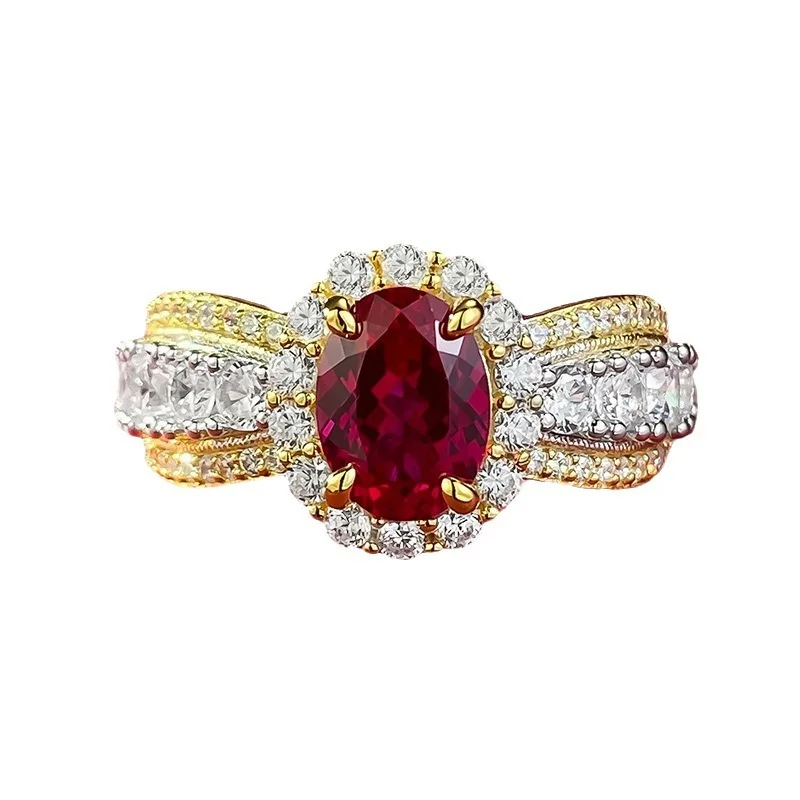
Start a Jewelry Business: 2026 Cost Guide
How to start a jewelry business successfully begins with understanding your materials, choosing the right niche, and finding a factory partner who does not cut corners. If you want to know how to start a jewelry business that survives past year one, this guide covers everything: real startup costs, sourcing strategies, manufacturer vetting, and pricing that protects your margins.
This is the guide we wish existed when we started. three decades of factory experience distilled into actionable steps.
Quick answer: what it costs to start a jewellery business
The controllable costs are stock, packaging and shipping. Stock is the one to manage carefully: on wholesale 925 silver, a starting range of a few hundred pieces across several designs is a realistic first buy, and samples let you test before committing.
We supply new brands from Guangzhou, and the ones that survive their first year are the ones that started narrow and re-ordered rather than buying wide once.
Why 2026 Is the Best Time
The jewelry industry is shifting. Lab-grown stones, direct-to-consumer brands, and social media marketing have lowered barriers to entry. But the fundamentals remain: product quality wins. how to start a jewelry business in 2026 means leveraging these trends while avoiding the mistakes that kill 80% of new brands in year one.
“The brands that win are the ones that treat sourcing as a competitive advantage, not a cost to minimize.” — MIRAMETAL, three decades in jewelry manufacturing
Step 1 — Pick a Niche
The biggest mistake new brands make is trying to sell everything. Focus on one category and dominate it. The most profitable niches in 2026:
- 925 Sterling Silver: Universal appeal, understandable value, lowest return rate
- Moissanite Engagement: Fastest-growing segment, 40%+ margins
- Personalized Jewelry: Custom names, coordinates, birthstones
- Bridal Collections: High average order value, repeat purchases
Step 2 — Understand Your Materials
For how to start a jewelry business, 925 sterling silver is the safest starting point. It is hypoallergenic, durable, and customers understand the value. Key material knowledge:
| Material | Best For | Margin |
|---|---|---|
| 925 Sterling Silver | Daily wear, sensitive skin | 60-80% |
| Moissanite + Silver | Engagement, bridal | 50-70% |
| Gold-Plated Silver | Fashion, trend pieces | 70-85% |
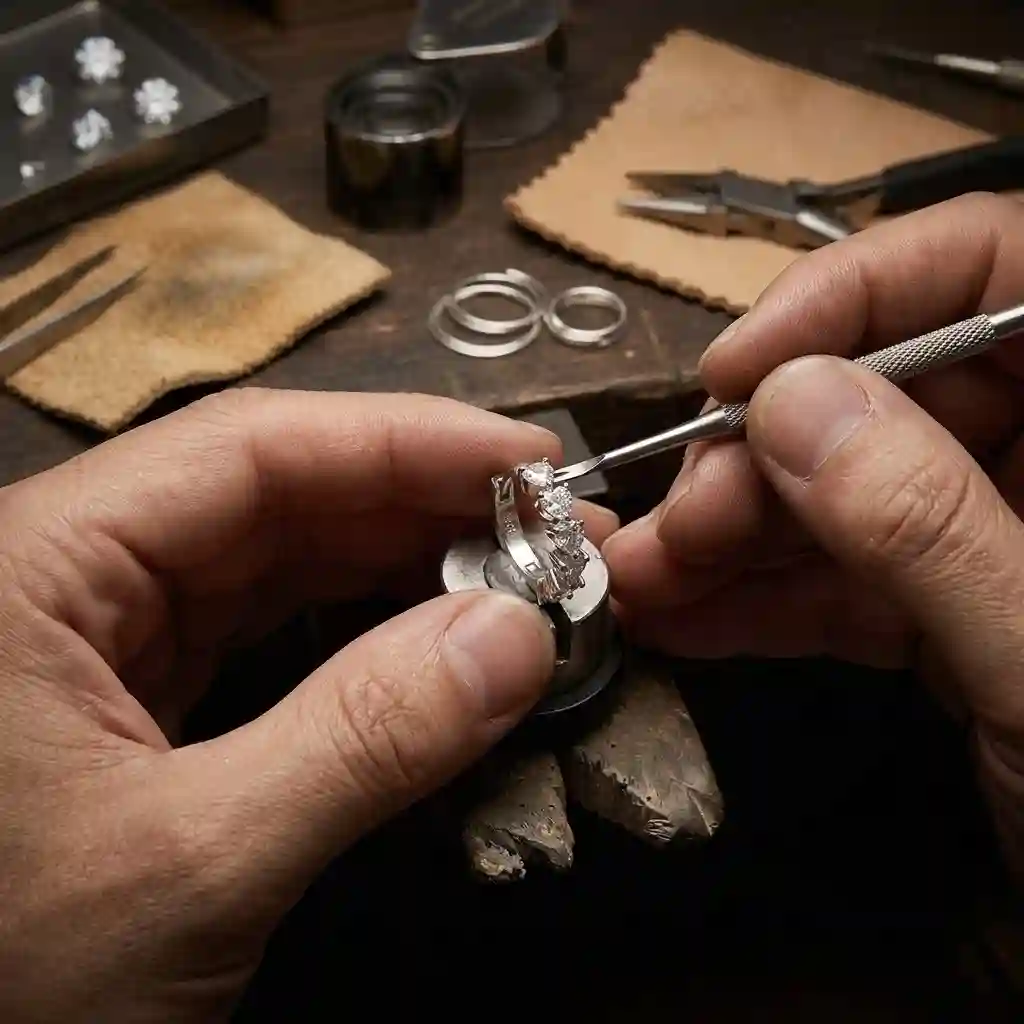
Step 3 — Find a Manufacturer
Your manufacturer determines your product quality, delivery reliability, and ultimately your brand reputation. How to start a jewelry business with the right factory:
The Factory Checklist
- 10+ years experience: Indicates stability and process maturity
- 925 stamp certification: Verify hallmark compliance
- MOQ flexibility: Start with 10-50 pieces, scale up
- OEM/ODM capability: Custom designs without minimums killing you
- Quality control photos: Every piece inspected before shipping
- Sample policy: Free or low-cost samples before bulk orders
Step 4 — Price for Profit
When learning how to start a jewelry business, factory direct pricing gives you an edge. The standard wholesale-to-retail multiplier is 3-5x. Here is the math:
| Product Cost | Wholesale Price | Retail Price | Your Margin |
|---|---|---|---|
| $12 | $25-30 | $75-120 | 60-80% |
| $25 | $50-60 | $150-200 | 60-75% |
| $45 | $90-100 | $270-400 | 55-70% |
How to start a jewelry business profitably depends on your sourcing. Cut the middleman, work factory-direct.
Step 5 — Build Your Brand
Your brand story is what justifies premium pricing. how to start a jewelry business with a compelling narrative:
- Origin story: Why you started, what you believe
- Material transparency: Source, certification, process
- Visual identity: Consistent photography and packaging
- Customer education: Content that helps buyers choose
Step 6 — Launch Your Store
Do not launch with 100 products. Launch with 5-11 proven designs. Test, learn, then expand. Platforms that work for jewelry brands:
- Shopify: Best for DTC brands, full control
- Amazon Handmade: Built-in traffic, higher fees
- Etsy: Best for personalized and vintage styles
- Wholesale platforms: Faire, Tundra for B2B
Step 7 — Market Without Burning Cash
This is exactly the strategy for how to start a jewelry business and build a sustainable brand:
- Pinterest: Free traffic, 90% female audience, visual product
- TikTok Shop: Fastest-growing jewelry sales channel
- Instagram Reels: Behind-the-scenes factory content performs
- SEO content: Articles like this one drive free organic traffic
- Email marketing: 40% ROI, builds repeat customers
Step 8 — Packaging & Unboxing
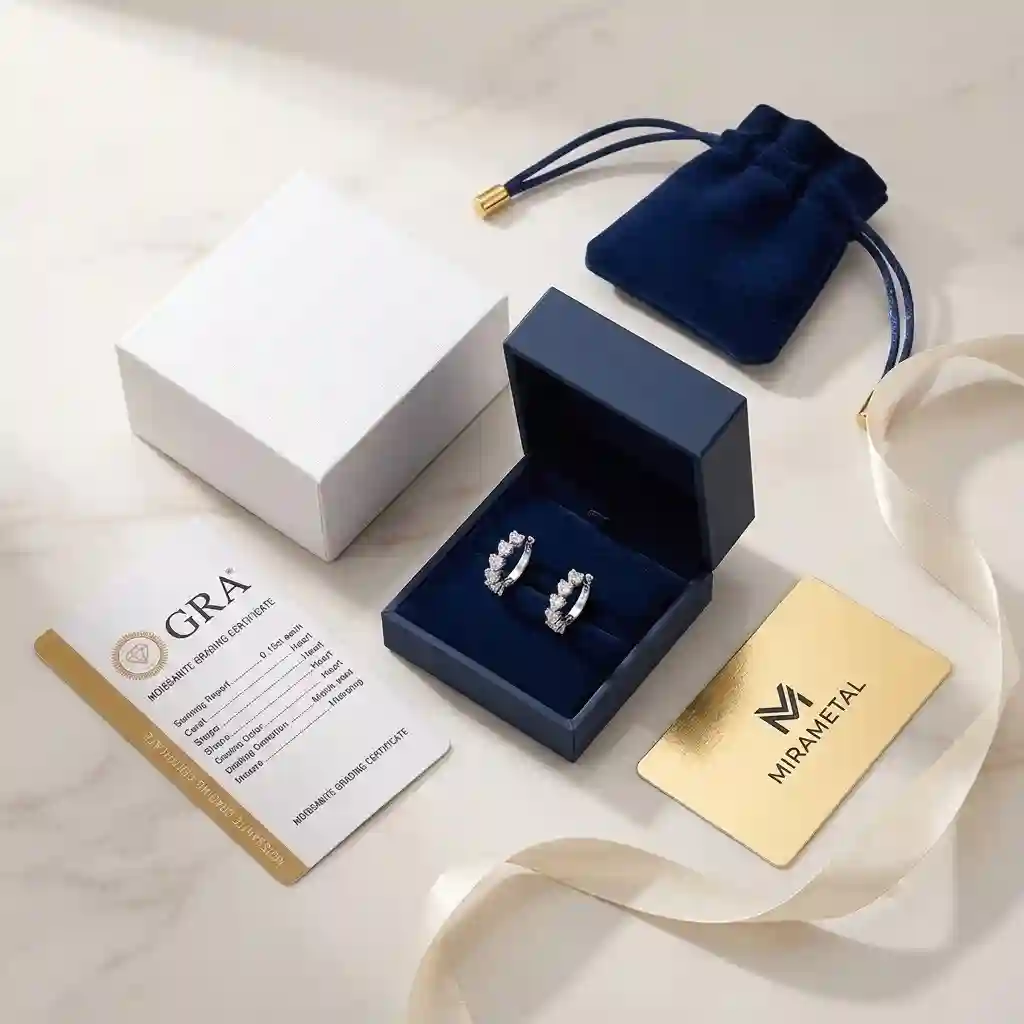
Packaging is your first physical touchpoint. Invest in:
- Branded gift box with logo
- Tissue paper and ribbon
- Care instructions card
- Thank you note with social media handles
- Certificate of authenticity for gemstone pieces
The 30-Day Launch Checklist
| Week | Action Items |
|---|---|
| Week 1 | Choose niche, research competitors, set budget |
| Week 2 | Contact 5 factories, request samples, compare quality |
| Week 3 | Finalize 5-10 designs, order first batch, set up store |
| Week 4 | Create content, launch with 3 products, start ads |
Styling & Presentation
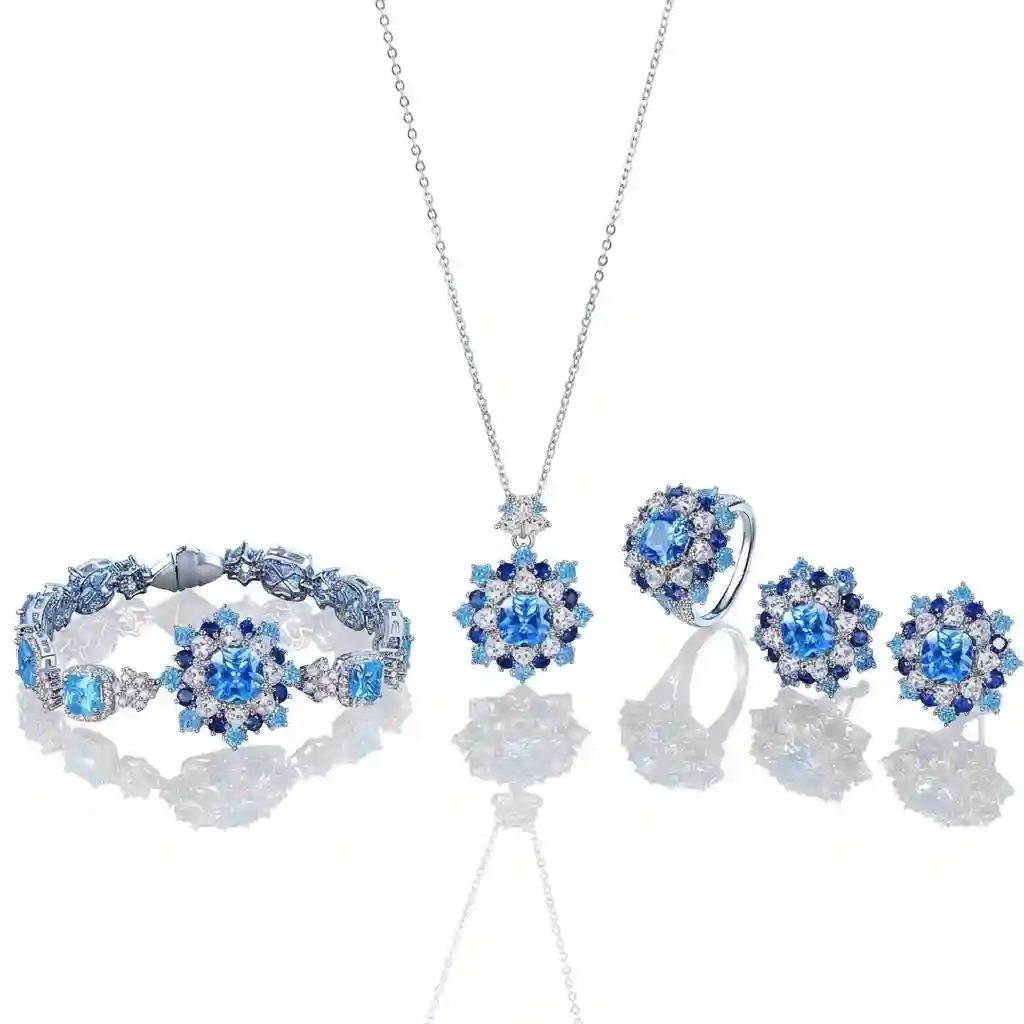
Your product photography and presentation determine whether customers trust your brand. how to start a jewelry business with strong visuals:
- White background shots: Essential for marketplace listings
- Lifestyle photography: Model wearing the piece, natural light
- Scale shots: Next to a coin or hand for size reference
- Video: 15-second spins and try-ons for social proof
How to start a jewelry business Sourcing Checks
Two offers for how to start a jewelry business can sit US$2 apart and describe entirely different products. That gap is why our Guangzhou team writes grams, microns and grades into every quotation rather than a single figure.
- Watch the line run before you commit.
- Insist certificates name your batch.
- Own the question of tooling before it is cut.
- Approve a physical sample against the written spec.
What Drives a How To Start A Jewelry Business Quote
What Drives a How to start a jewelry business Quote
Quotes differ because specifications differ. Below is the breakdown we use internally.
| Cost line | Why it moves | Ask this |
|---|---|---|
| Mould or setup | New designs need tooling, wax preparation and a first-article approval. | Is the setup fee one-time, and who owns the tooling? |
| Metal weight and alloy | Gram weight is the largest single cost line in silver work. | Will the quote state grams per piece, not just the alloy? |
| Stone grade | Grade, cut and treatment swing the figure far more than buyers expect. | Is the stone grade named, with the origin of the certificate? |
| Finish and plating | Colour, thickness and polishing time drive both cost and durability. | What thickness is applied, and how is it measured? |
| Quantity | Fixed labour is spread over the run, so unit cost falls as count rises. | What is the MOQ per design, colour and size? |
| Packaging | Custom boxes, inserts and anti-tarnish materials sit on top of unit cost. | Is packaging quoted separately or bundled? |
How To Start A Jewelry Business Order Mistakes to Avoid
How to start a jewelry business Order Mistakes to Avoid
Every one of these is avoidable in an afternoon of paperwork, and expensive afterwards.
- Do not skip the written spec because the relationship feels good.
- Do not approve a sample from a phone screen alone.
- Never leave defect, replacement or reorder terms in a chat thread.
- Do not assume the bulk run matches a sample made on a different line.
How To Start A Jewelry Business Market Fit
How to start a jewelry business Market Fit
Three regions, three checklists. The United States: fineness stamping, nickel limits, return logistics. The European Union and United Kingdom: REACH nickel-release evidence, hallmark eligibility, disclosure wording. The Middle East: plating longevity under heat, and presentation standards for gifting. We pack accordingly and label the difference on the quotation.
Start A Jewelry Business FAQs
How much does it cost to start a jewelry business?
You can start with $500 for handmade or $2,000-$5,000 for a private-label 925 silver brand with professional manufacturing.
Is a jewelry business profitable?
Yes. 925 sterling silver jewelry typically has 60-80% gross margins. The key is sourcing at the right price and building a brand that commands premium pricing.
Do I need a business license?
In the US, UK, and EU, yes. You will need a business registration and sales tax permit.
How do I know if a manufacturer is legitimate?
Check for real factory photos, material test reports, verifiable business license, willingness to send samples, and secure payment methods. Never pay 100 percent upfront.
What is the best jewelry to sell for beginners?
925 sterling silver is the safest starting point. It has universal appeal, understandable value, and customers know what to expect.
More Start A Jewelry Business Reading
Use these guides to compare production methods, material quality, and wholesale terms before you request pricing.
- Jewelry Wholesale Best Sellers: 2026 Data
- Scale Your Jewelry Business: Factory Direct Guide
- Jewelry Wholesale: 30+ Years of Factory Lessons
- Find a Reliable Jewelry Manufacturer in China
- Custom Jewelry Manufacturing for Small Business
- Wholesale jewelry program
- Private-label production
- Wholesale rings
Request a How To Start A Jewelry Business Quote
The fastest way to a firm number is specifics: reference, count, metal, finish, stone, packing, market. Send those and we will itemise rather than estimate.
About the Author
About the author: Liu Heping founded MIRAMETAL in Guangzhou in 1990 and still walks the floor. His team supplies 3,500+ brands in 12+ countries and certifies each production run by per-batch XRF assay. Enquiries: 786180138@qq.com · WhatsApp +1 342 888 0343.
From the factory floor: what new brands get wrong
- Buying too wide. Twenty designs at ten pieces teaches you less than five designs you can re-order. Breadth is the most common first-year mistake.
- Skipping samples. A sample run costs a fraction of a first stock buy and prevents buying a range you cannot sell.
- Under-budgeting packaging. Packing and care cards are what the customer receives, and they are also what prevents damage returns.