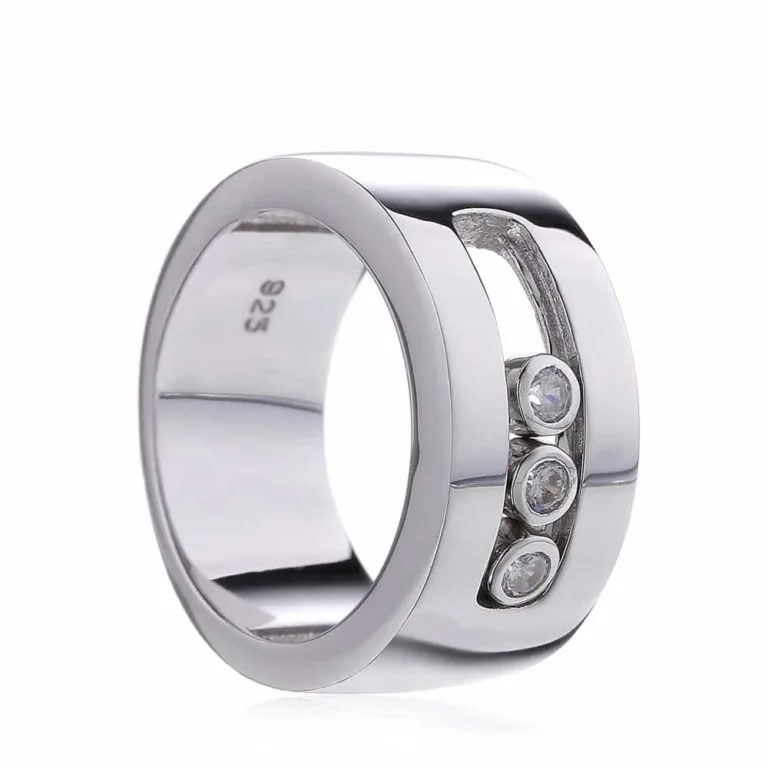
Sterling Silver Earrings for Sensitive Ears: A Nickel-Free Buying Guide
Silver rarely causes an ear reaction. Nickel does, and in jewelry nickel arrives through the filler metal of the base alloy and through the plating on the post and the back of the earring. A 925 sterling silver earring with a nickel-free plating system and a silver or titanium post is usually comfortable for sensitive ears. Fit matters too, and it costs nothing to get right.
Sterling silver itself is usually safe for sensitive ears. The metal that causes almost all reactions is nickel, and it enters jewelry through the base alloy filler and through the plating on the post and the back. Check four things: the post material, the plating system, the filler metal, and the fit. Ask for a nickel-free plating statement in writing and a test report on the finished item, because the EU limit of 0.5 micrograms per cm2 per week applies to the finished piece, not to the incoming metal.
Contents
- Sterling silver earrings for sensitive ears: the short answer
- Why ears get red, and what it is not
- The four checks that decide whether a silver earring is safe to wear
- Silver, titanium, gold and steel for sensitive ears
- What to say on the product page
- What this means for a brand building a silver earring line
- Common mistakes with silver earrings for sensitive ears
- Factory insight: what we check on an earring order
- How to test an earring for nickel before you ship
- What a nickel-free order looks like on paper
- Choose the next step for a sensitive-ear silver line
- Sources and standards for nickel in jewelry
- Related buyer resources
Sterling silver earrings for sensitive ears: the short answer
Sterling silver earrings for sensitive ears rarely cause a reaction on their own. The metal that causes almost all of them is nickel, and in jewelry nickel arrives through the filler metal of the base alloy and through the plating on the post and the back of the earring. A 925 sterling silver earring with a nickel-free plating system and a silver or titanium post is usually comfortable for sensitive ears. An earring described only as “925 silver” tells you nothing about either of those.
There is also a practical part of this that product photography never shows: the shape of the earring and the way it hangs. A heavy hoop in a hollow gauge wire moves, catches on the lobe and rubs. A stud that sits proud of the ear presses on the piercing. Fit causes irritation that customers blame on the metal, and it is the cheaper problem to solve.
| What the ear reacts to | Where it comes from | What to ask for |
|---|---|---|
| Nickel in the alloy | Base metal of low-grade or plated pieces | 925 sterling base, documented filler metal |
| Nickel in the plating | Post, back, and any rhodium or gold layer | Nickel-free plating system, in writing |
| Steel post in a silver earring | Post is not made with the piece | Silver, titanium or 316L post |
| Rubbing and pressure | Shape, gauge, weight, hanging position | Lighter gauge, seated fit, soft backs |
| Residue from products | Perfume, hair spray, lotion, sunscreen | Wear product after the jewelry, not before |
Why ears get red, and what it is not
When sterling silver earrings for sensitive ears still irritate, the cause is usually nickel rather than silver. The most common ear reaction is contact dermatitis caused by nickel. It appears as redness, itching, or a dry rash on the lobe or the back of the ear, usually within hours of wearing the piece. It is not caused by sterling silver. Sterling silver is 92.5% silver and 7.5% copper, and neither metal is a common contact allergen at the levels used in jewelry.
The confusion exists because “silver” on a price list can mean three different things. It can be sterling silver, which is an alloy. It can be silver plating over brass, where the surface is silver but the substrate and the plating bath may contain nickel. It can be a white or gold tone achieved with a base metal and a coating, where the silver content is zero.
This is why a piece that a customer describes as “silver” can still cause a reaction, and why the fix is not to change the description but to change the specification.
The four checks that decide whether a silver earring is safe to wear
Check one: the post. Look at what the post is made of, not what the front is made of. A sterling silver front on a steel post is still a steel post in the piercing. Silver, titanium and 316L stainless steel are the usual posts for sensitive wearers. Ask the supplier to state the post material separately from the body material.
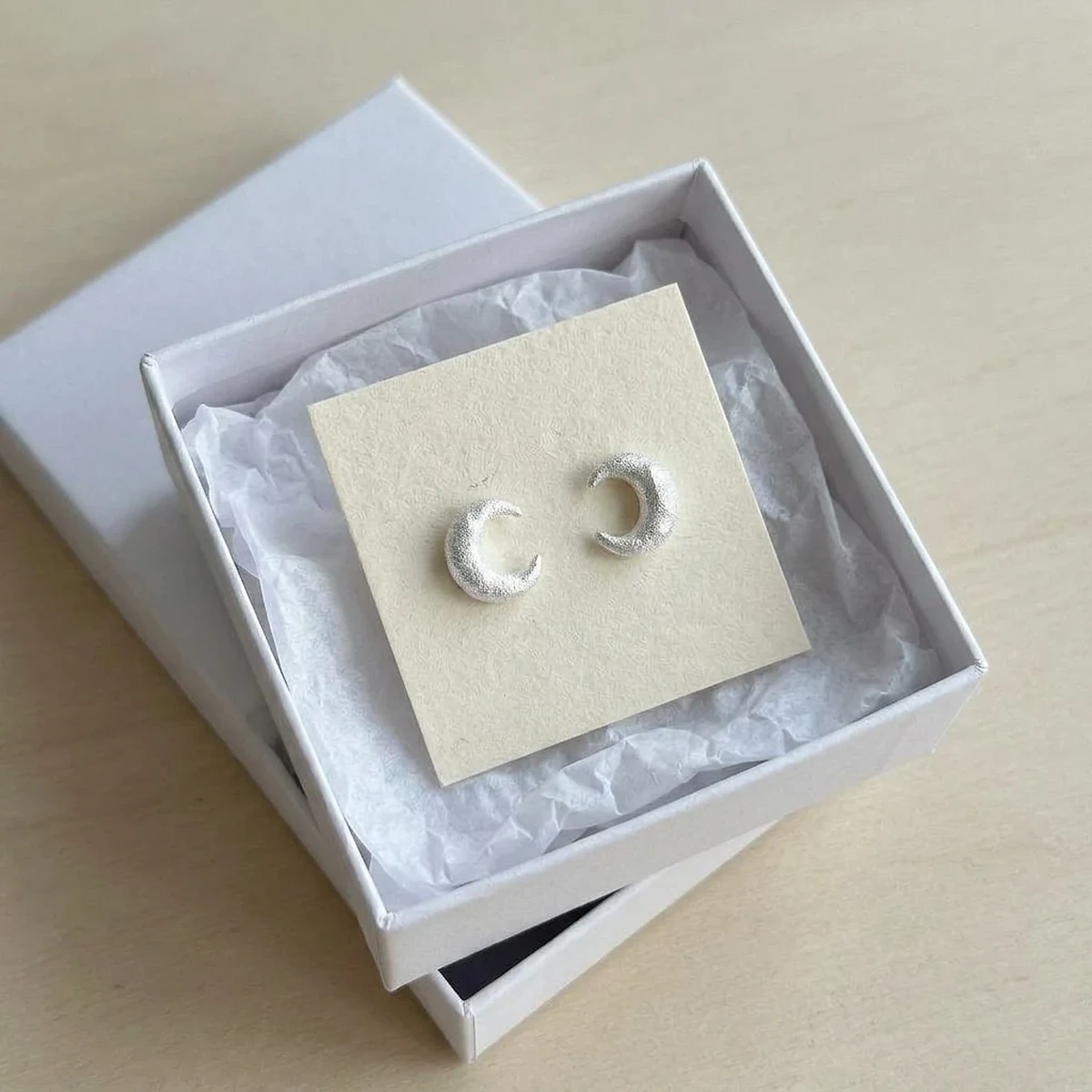
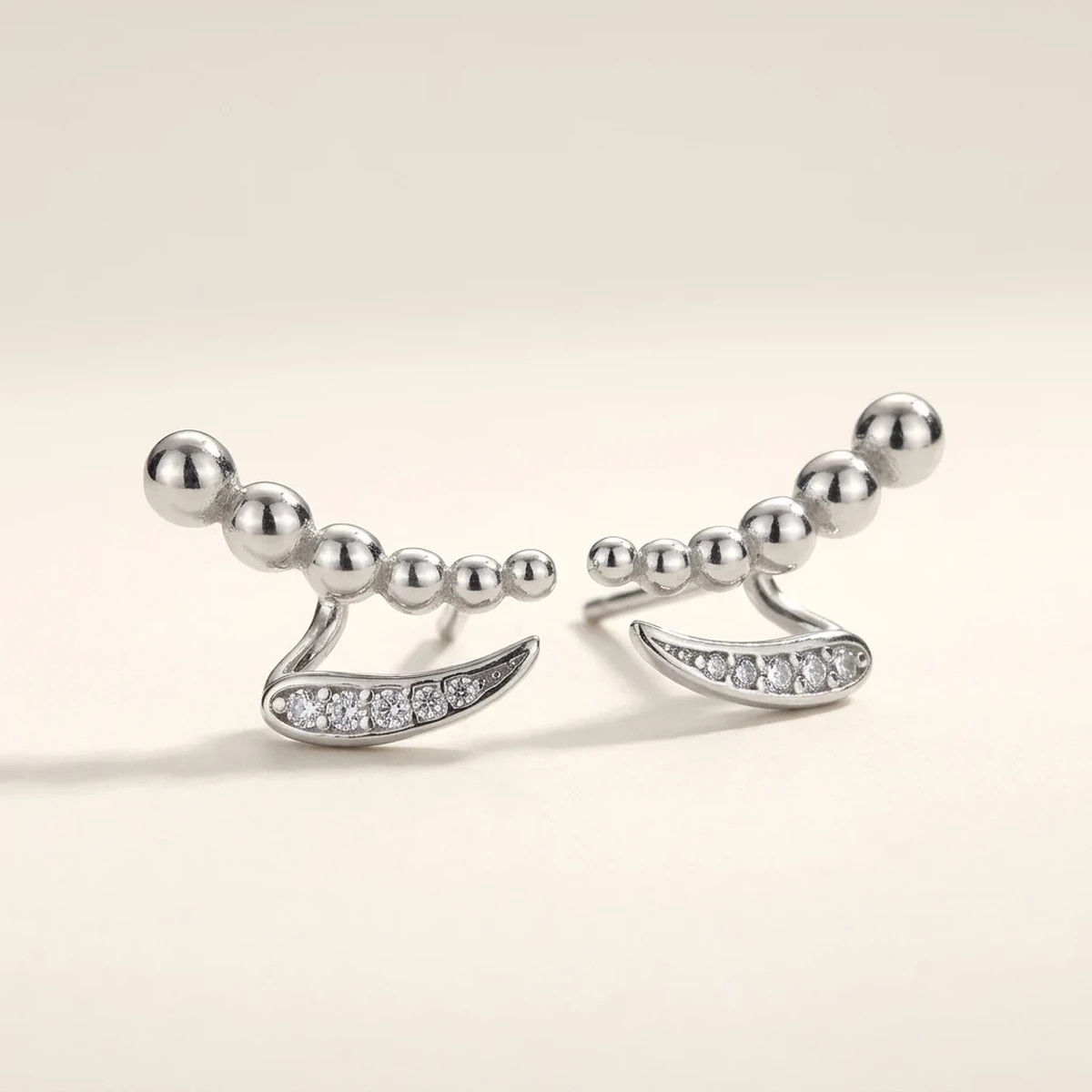
Check two: the plating system on the post and the back. Rhodium, gold and silver plating baths all have nickel-free variants, and all of them also have variants that contain nickel. A plating name on a quote is not a nickel statement. Ask for the plating system to be confirmed as nickel-free, and ask for it in writing.
Check three: the filler metal. Sterling silver requires copper, and the alloy in different factories is not always the same. For a piece sold into the European Union, the nickel release limit for articles intended for prolonged contact with the skin is 0.5 μg/cm² per week. That limit applies to the finished item, so it has to be tested on the finished item, not on the incoming billet.
Check four: the fit. A hoop that swings, a stud that presses on the piercing and a drop earring that pulls on the lobe will irritate an ear no matter how pure the metal is. This is where most of the real-world complaints come from, and it is the cheapest thing to fix in the design stage.
Silver, titanium, gold and steel for sensitive ears
| Material | Allergy profile | Feel and weight | Best fit |
|---|---|---|---|
| 925 sterling silver | Good when nickel-free | Heavier, warmer tone | Fine jewelry, studs, hoops for daily wear |
| Titanium | Excellent | Very light, cool | First-time piercings, cartilage, long wear |
| 316L stainless steel | Good in most cases | Light, cool, hard to resize | Minimalist and fashion lines |
| Gold vermeil (2.5 μm+ on 925) | Good with nickel-free base | Warm, slightly lighter | A softer look on sensitive wearers |
| Silver with a gold or rhodium coating | Depends on the bath | As the base metal | Color-corrected silver lines |
The comparison people usually ask about is silver against titanium, and the answer is straightforward. Titanium wins for a new piercing that must stay in for months, and for very small studs in a cartilage piercing. Silver wins for a customer who wants a piece that matches the rest of the jewelry, who wants a heavier feel, and who is buying a gift rather than a medical accessory.
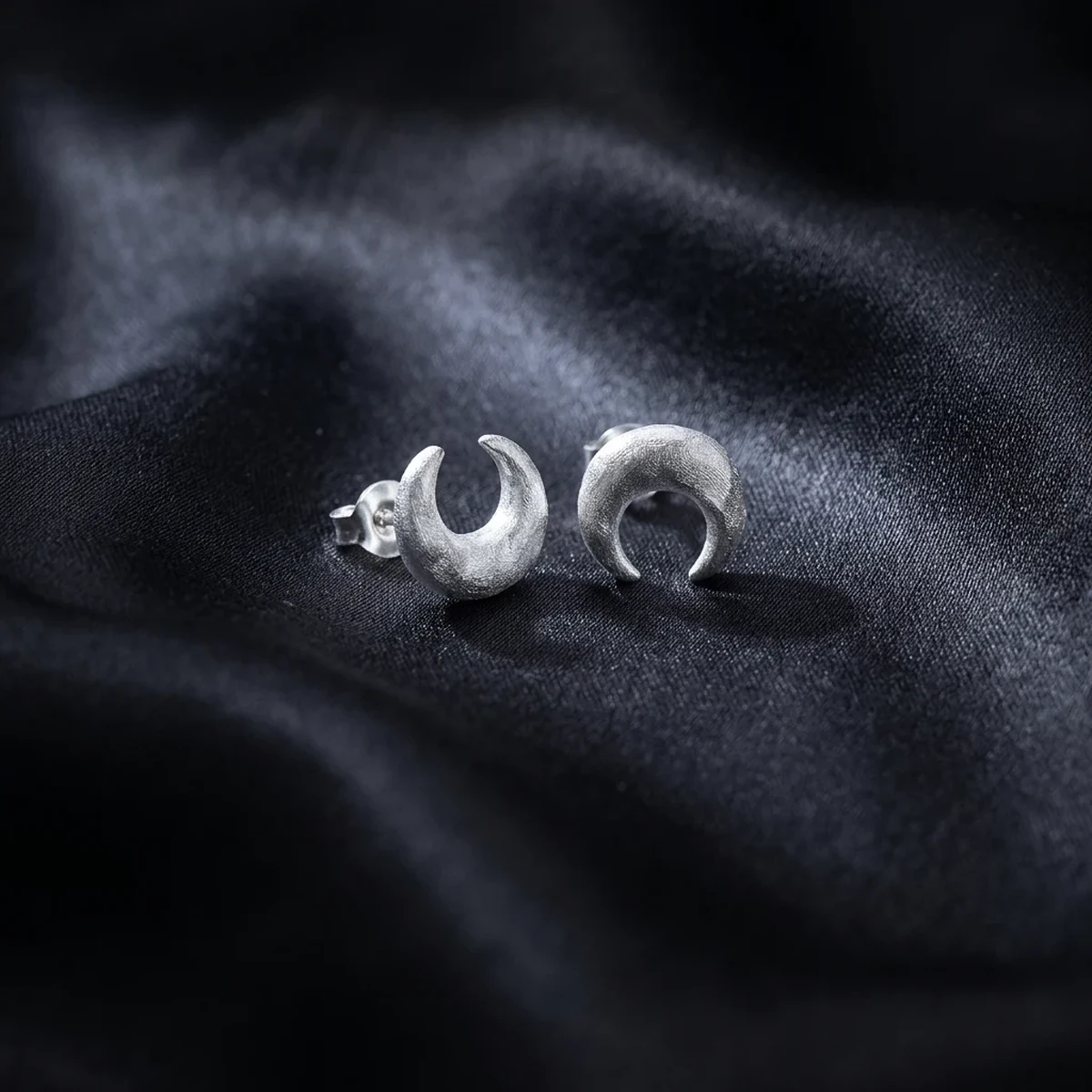
What to say on the product page
Most sterling silver earrings for sensitive ears lose the sale here. They write “hypoallergenic” as though it were a certified material claim. In most markets there is no legal definition of “hypoallergenic” for jewelry, and a customer who reacts and then reads the word on your product page feels misled.
Write the material facts instead, in plain words, on the product page:
- The base metal and its silver content.
- The post material.
- Whether the plating system is nickel-free.
- The finish, for example rhodium plated or high polish.
- The care limits, and what to avoid during the first weeks of a new piercing.
That last line matters more than people expect. A customer with a fresh piercing who wears a new earring over makeup, hair spray and sunscreen on day one will have a bad experience that has nothing to do with nickel.
What this means for a brand building a silver earring line
For sterling silver earrings for sensitive ears, the allergy question is a specification question, and it is cheap to solve at the order stage and expensive to solve after a recall. We recommend four things in the purchase order:
- The base metal stated as 925 sterling silver, with the filler documented.
- A nickel-free plating system stated in writing, with the thickness in microns.
- The post material stated separately, by part.
- A test report for the finished item, not for the raw material.
MIRAMETAL runs XRF checks on finished pieces in our quality process, and the same report confirms the metal content of the finished earring rather than of the billet it was cast from. Our 925 silver certification guide sets out what the batch records contain.
Common mistakes with silver earrings for sensitive ears
Writing “hypoallergenic” and nothing else. State the materials instead. It is more useful to the customer and it is defensible.
Checking the front and ignoring the post. The post is the part that sits in the piercing.
Assuming “925” covers the whole piece. It usually covers the front only. Ask about the post, the back and the solder.
Testing the base metal and ignoring the plating. A piece can pass a nickel test on the body and still carry nickel in the coating on the post.
Ignoring fit. Weight, gauge and the way the earring hangs cause more irritation than the alloy in most cases.
Leaving the first weeks of wear to the customer. Tell them to keep the piercing clean, to avoid products on the area, and to wear the piece for short periods at first.
Factory insight: what we check on an earring order
On sterling silver earrings for sensitive ears, two checks on our floor have caught real problems before shipment.
The first is the post. On any order where the customer asked about sensitive ears, our QC checks the post material against the purchase order, and we check the solder at the post joint. A post is often the one component that arrives from a different supplier than the body, which is exactly where an undeclared metal gets in.
The second is the recess check. Plating collects in the back of the butterfly and around the collar, and the plating on the post is thinner than the plating on the front. We check the continuity of the layer at the joint and the back, because that is where a nickel-containing layer would be missed.
Two specifications decide whether sterling silver earrings for sensitive ears pass or fail: the post and the plating. We also push back when a customer asks for a “hypoallergenic” earring with a gold-tone flash over a low-cost post and no plating specification. We can quote the piece, but we write the material facts on the quotation so the final product page can be honest. Our 925 sterling silver vs brass vs stainless steel comparison covers the base metal side of the same decision.
How to test an earring for nickel before you ship
Nickel testing on sterling silver earrings for sensitive ears is cheap compared with a recall, and most of it happens before the first carton leaves the building.
The first line is the purchase order. Ask for the post material by part, the plating system by name, and a nickel statement that covers the finished earring. These are paper controls, and they work only if the supplier signs them.
The second line is a spot test. A dimethylglyoxime test kit turns pink in the presence of nickel release. It costs about the price of one pair of studs and takes two minutes. Test the post, the back and the solder collar, because the plating on a post is thinner than on the face.
The third line is a wear panel. Five people with known sensitive skin wear the sample for a week, two hours a day, and report redness or itching. A wear panel will not replace a lab test, but it catches the errors that paperwork misses. Run it once per season on the styles with the thinnest posts, because thin posts lose plating first and thin posts are exactly where sterling silver earrings for sensitive ears tend to fail. Record the panel result next to the batch number, so the next order starts from evidence instead of memory.
The fourth line is the batch record. Record the plating bath, the thickness and the test result for each production run. When a customer reports a reaction eighteen months later, the record tells you whether the fault is in the product or in the care.
One more habit: ship earrings in individual sealed bags, and separate the post from the back with a small insert. A back that scratches a post in transit removes plating before the customer opens the box, and sterling silver earrings for sensitive ears lose their main advantage at that moment.
What a nickel-free order looks like on paper
A nickel-free claim is only as strong as the paperwork behind it. This is what a well-documented order contains, and what to request when it is missing.
On the purchase order. The post material by part, the plating system by name, the plating thickness in microns, and a signed statement that the finished item meets the destination market’s nickel release limit.
On the sample approval. A photo of the post, the back and the solder collar, plus a spot test result. The collar matters because plating collects there and runs thin.
On the production record. The plating bath, the thickness check and the test result per run. When a customer reports a reaction, this record separates a product fault from a care fault in one conversation.
In the packaging. A sealed bag per pair, and a card that tells the wearer to keep products off the ear for the first weeks.
For sterling silver earrings for sensitive ears, the difference between a safe product and a complaint is usually a document, not a metal.
Choose the next step for a sensitive-ear silver line
If you are building sterling silver earrings for sensitive ears as a product line, the safest route is a documented 925 sterling base, a nickel-free plating system, a silver or titanium post, and a test report on the finished item. All four can be written into one purchase order.
Send MIRAMETAL your designs, the destination market and the material claims you want to make. We will tell you which claims we can support with a record, and which ones we will not print.
Explore sterling silver earrings · See our silver earring manufacturing · Request a quotation
Sources and standards for nickel in jewelry
- ECHA Guidance on Nickel sets out the EU restriction on nickel release in articles in contact with the skin.
- The Silver Institute explains the composition of sterling silver and the role of the alloying metal.
- FTC Jewelry Guides cover the rules for hypoallergenic and other material claims.
Related buyer resources
- 925 Sterling Silver vs Brass vs Stainless Steel: A Jewelry Material Comparison
- 925 Silver Certification Guide: Marks, Tests and Batch Records
- Jewelry Care Instructions Customers Will Actually Follow
FAQ: sterling silver earrings for sensitive ears
Is 925 sterling silver safe for sensitive ears?
Yes, in most cases. Sterling silver earrings for sensitive ears work well because the alloy is 92.5% silver and 7.5% copper, and neither is a common contact allergen. The usual cause of a reaction is nickel in the post or in the plating, not in the silver.
Does “hypoallergenic silver” mean anything legally?
In most markets it is a marketing description with no regulated definition, and that is why sterling silver earrings for sensitive ears need material facts instead. Ask the supplier for the base metal, the post material and a written nickel-free plating statement instead.
Are titanium earrings better for sensitive ears than silver?
For a new piercing or a cartilage piercing, yes. Titanium is very light and very well tolerated, and it suits sterling silver earrings for sensitive ears as an alternative for a fresh piercing. and very well tolerated. For a gift that should match a silver collection, a nickel-free 925 piece is usually the better choice.
Can I wear 925 silver earrings with a new piercing?
You can, but keep the piercing clean, avoid makeup, hair spray and sunscreen on the area, and wear the earrings for short periods at first. A post-free design can be a good alternative during healing.
Why does one silver earring irritate me and another does not?
The two pieces probably differ in the post, the plating or the finish. The same design can also irritate one ear and not the other, because of fit and pressure.
How do I know the plating is nickel-free?
Ask for it in writing for the finished item, together with the plating thickness, and request a test report before you approve sterling silver earrings for sensitive ears. A plating name such as “rhodium plated” does not confirm the absence of nickel.