How Much Does 925 Silver Jewelry Cost? Metal, Weight, Making and Markup Explained
A silver jewelry price has four blocks in it: the metal, the making, the overhead and the margin. Weight is the biggest variable inside the metal block, and it is the one most often hidden. Two pendants can look identical in a photograph and differ by a factor of three in price, because one weighs 12 g and the other weighs 3 g. Price per gram is the number that makes two products comparable.
A 925 silver price is built from four blocks: the metal (fine silver content multiplied by the silver price), the making (casting, setting, polishing), the overhead (packaging, compliance, testing, freight, MOQ risk) and the margin. Weight is the biggest variable and the one most often hidden, so ask for the net silver weight rather than the piece weight. A quote also needs the metal price it is based on and a validity date, because the silver market moves daily.
Contents
- How much does 925 silver jewelry cost: the short answer
- The metal block: weight and fineness
- Net silver weight is the number to ask for
- The making block: where the labor is
- The overhead block: what happens after the piece is finished
- Reading a quote like a buyer
- What raises a price without raising the value
- What a customer should take away from a price
- Common mistakes when pricing silver jewelry
- Factory insight: two pricing decisions we push back on
- How to build a cost sheet for one silver design
- How freight changes the unit cost
- Choose the next step for a silver jewelry price
- Sources and standards for silver pricing
- Related buyer resources
How much does 925 silver jewelry cost: the short answer
The answer to how much does 925 silver jewelry cost has four blocks in it. The metal, which is the fine silver content multiplied by the silver price. The making, which is the casting, the stone setting, the polishing, the plating and the assembly. The overhead, which is the packaging, the compliance work, the quality checks and the freight. And the margin, which is the supplier’s margin and the retailer’s margin. Weight is the biggest variable inside the metal block, and it is the one most often hidden.
Two pendants can look identical in a photograph and differ by a factor of three in price, because one weighs 12 g and the other weighs 3 g, and because one carries a documented plating system and the other does not. Price per gram is the number that makes two products comparable.
| Cost block | What it covers | What moves it |
|---|---|---|
| Metal | Fine silver content | Piece weight, fineness, daily silver price |
| Making | Casting, forming, soldering, setting, polishing | Complexity, number of parts, finish |
| Finishing | Plating, rhodium, gold flash, sealing | Layer thickness, number of layers, topcoat |
| Overhead | Packaging, assay, testing, freight, MOQ risk | Order size, destination, compliance scope |
| Margin | Supplier and retail margin | Channel, brand positioning, service level |
The metal block: weight and fineness
Most questions about how much does 925 silver jewelry cost start with the metal. The cost of the metal in a silver piece is the fine silver content of the piece multiplied by the silver price. The fine silver content is not the same as the weight of the piece. A 12.8 g pendant in 925 sterling carries about 11.8 g of fine silver, because 7.5% of the weight is copper. In 999 fine silver the same 12.8 g carries almost 12.8 g of silver.
That is why the silver price moves retail prices on heavy pieces and barely moves them on light ones. A 30 g Cuban chain moves a lot when silver moves. A 3 g charm barely moves. It is also why a 999 piece costs more than a 925 piece of the same weight, and why it still may not be worth more to the customer: the value of a jewelry piece is not only its metal.
The other point that matters for buyers: the silver price changes daily, so any price that is described as fixed without a validity date is not a price. Ask for the quotation to state the metal price it is based on and how long it is valid.
Net silver weight is the number to ask for
Net silver weight is the single biggest factor in how much does 925 silver jewelry cost. The most expensive mistake in silver sourcing is comparing the weight of the piece with the weight of the silver in the piece. A hollow or lightly constructed piece can weigh the same on the scale as a solid one and contain far less silver, and in some designs the gap is large.
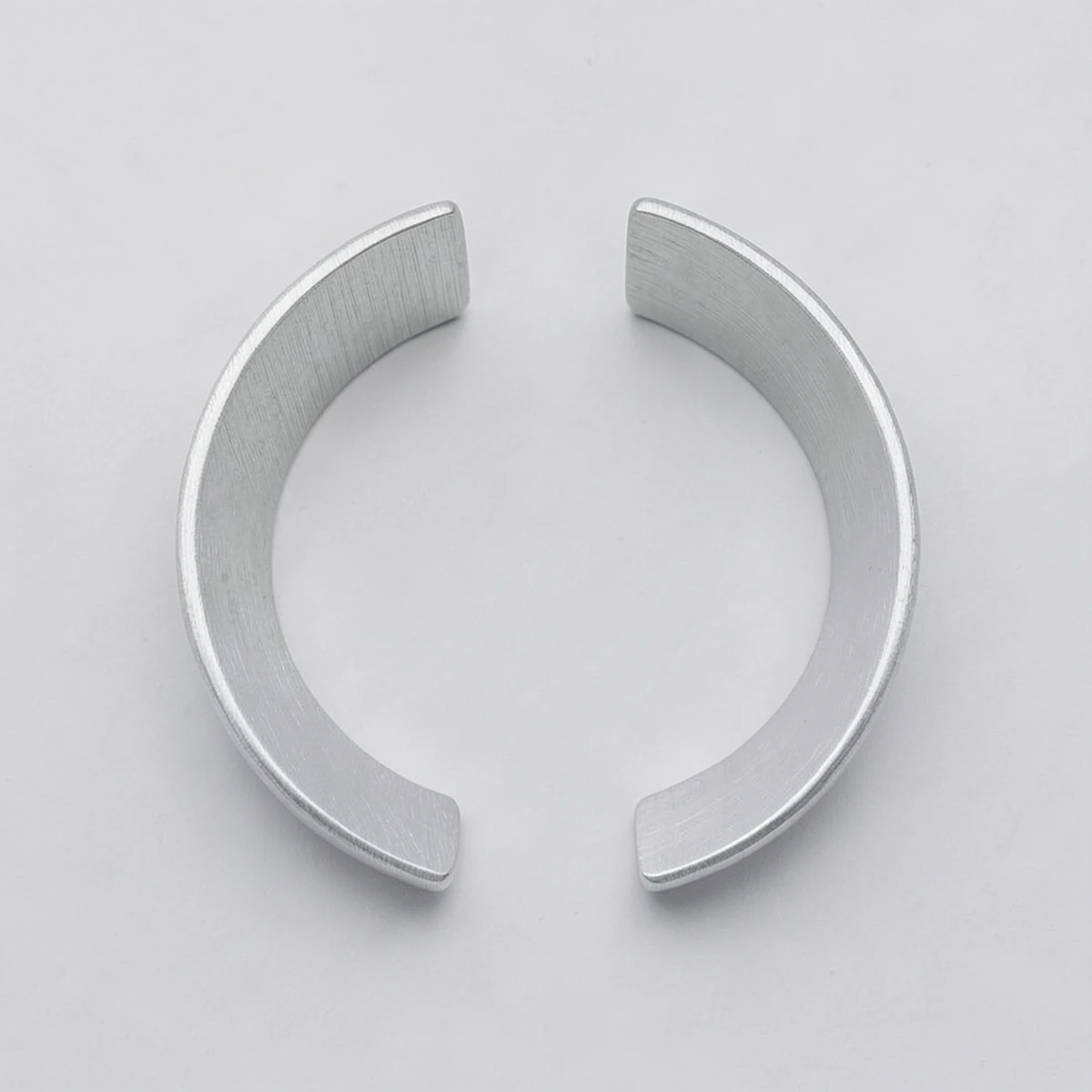
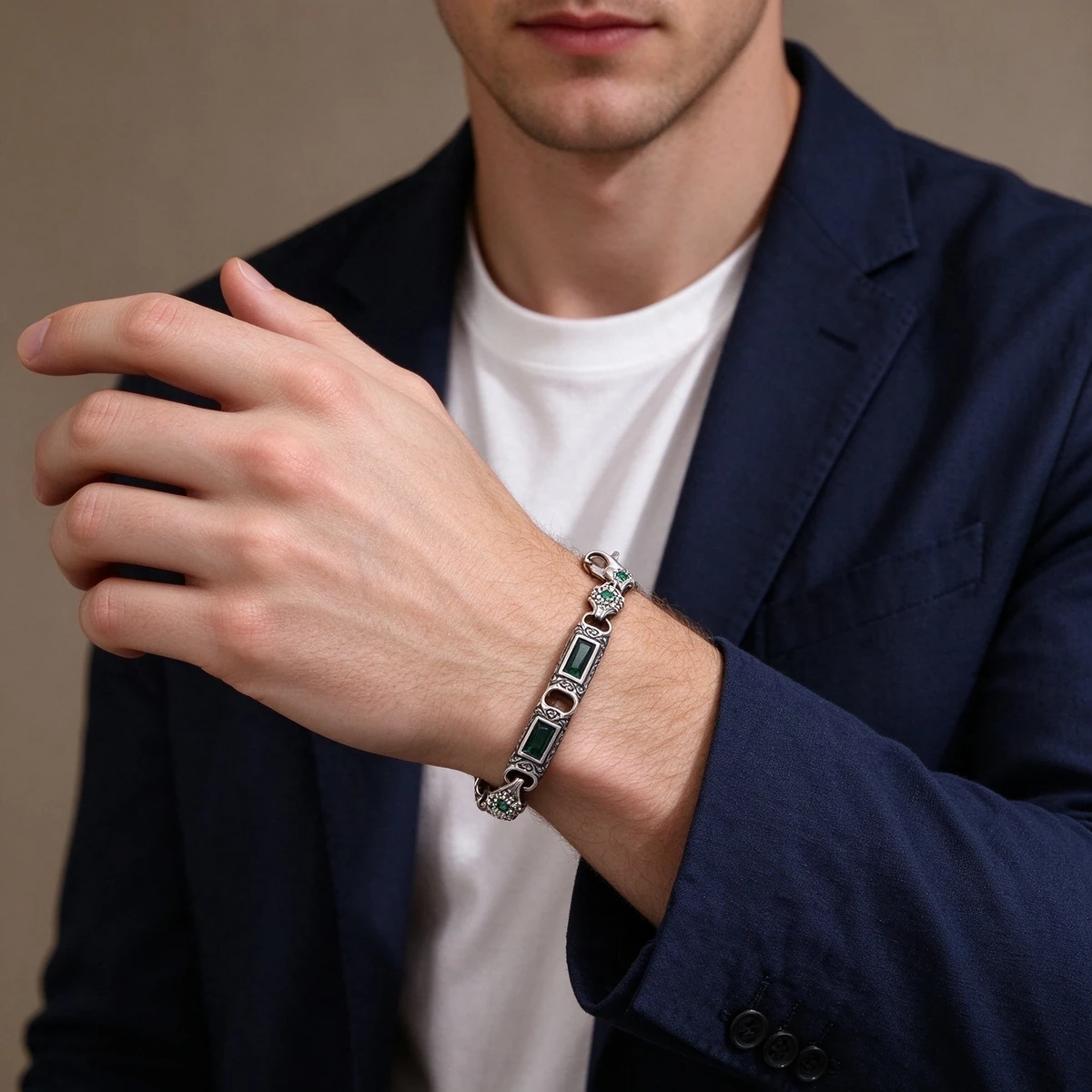
Ask a supplier for the net silver weight, or for the gross weight together with the construction method. Then check it against the piece you receive. A weighing scale, a caliper and a magnet answer most of these questions in a minute, and we explain the field checks in how to tell if silver is real.
The making block: where the labor is
Making a silver piece is more work than a photograph suggests. A simple stamped charm is cheap. A cast pendant with a bezel-set stone, hand-polished, with a soldered bail and a rhodium finish is a different product. The work in a piece that has several parts also multiplies the number of joints, and every joint is a place where a good maker spends time and a bad maker saves time.
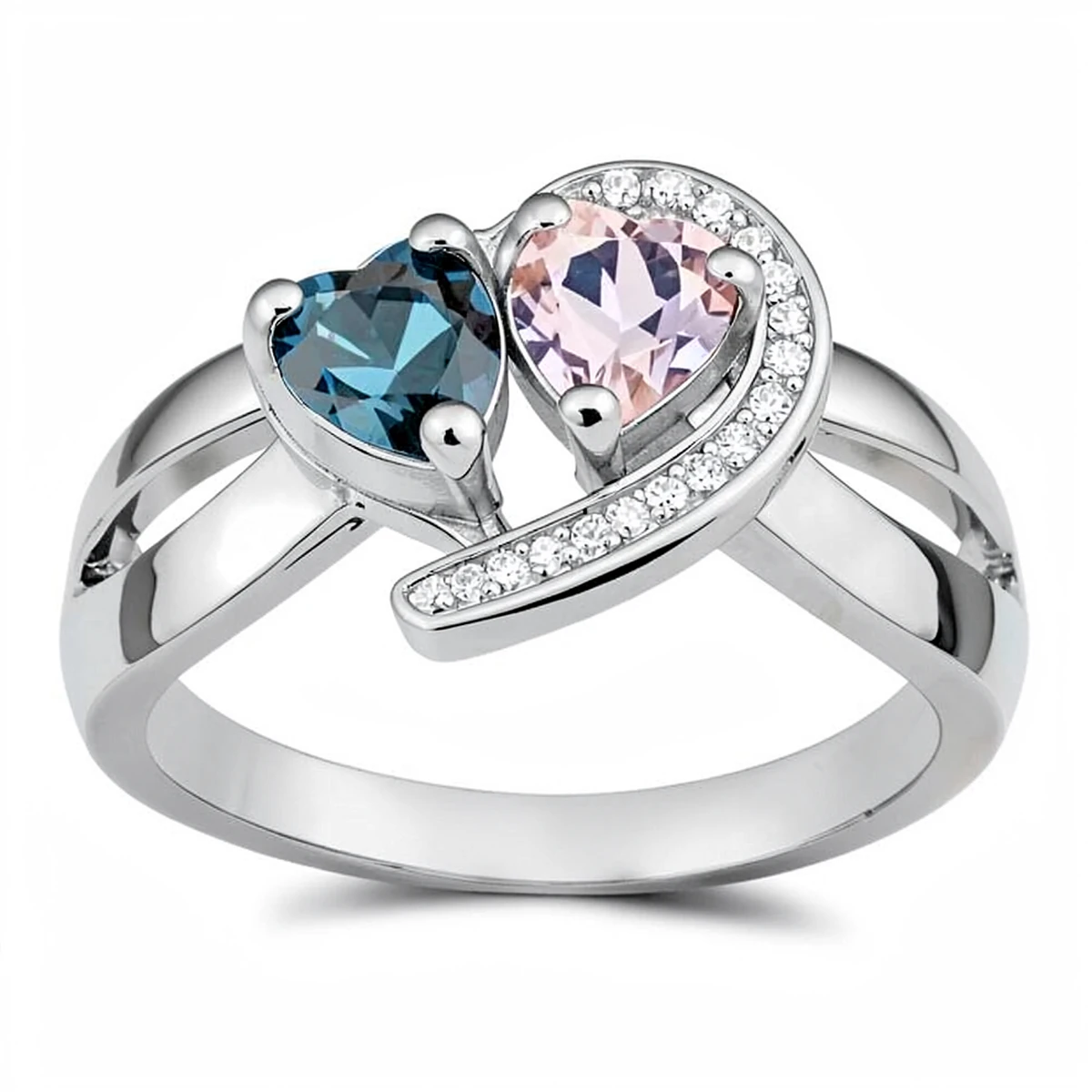
Three specification lines raise the making cost immediately, and all three are visible to the customer:
- Stone setting. Hand setting with clean, tight, symmetric claws costs more than a machine-set stone, and the difference is visible under a loupe.
- Surface finish. A mirror polish takes many more passes than a satin or brushed finish, and a brushed finish can hide a great deal of surface imperfection.
- Plating. A thicker layer, and a layer with a protective topcoat, costs more than a thin flash, and it wears differently. Our standard external plating specification for applicable custom programs is 0.25–0.5 μm with a nickel-free system, and a buyer who wants a heavier gold layer, such as a vermeil at 2.5 μm or more, should expect a different price and a different care story.
The overhead block: what happens after the piece is finished
The piece exists, and the cost of getting it to the customer has not started. Packaging, from a simple bag to a printed box with an insert. Compliance, including the material statements the destination market requires. Quality control, including the XRF confirmation of the finished piece. Freight and insurance. And the working capital cost of holding inventory, which is the block most invisible to a first-time buyer and the one that makes small orders expensive.
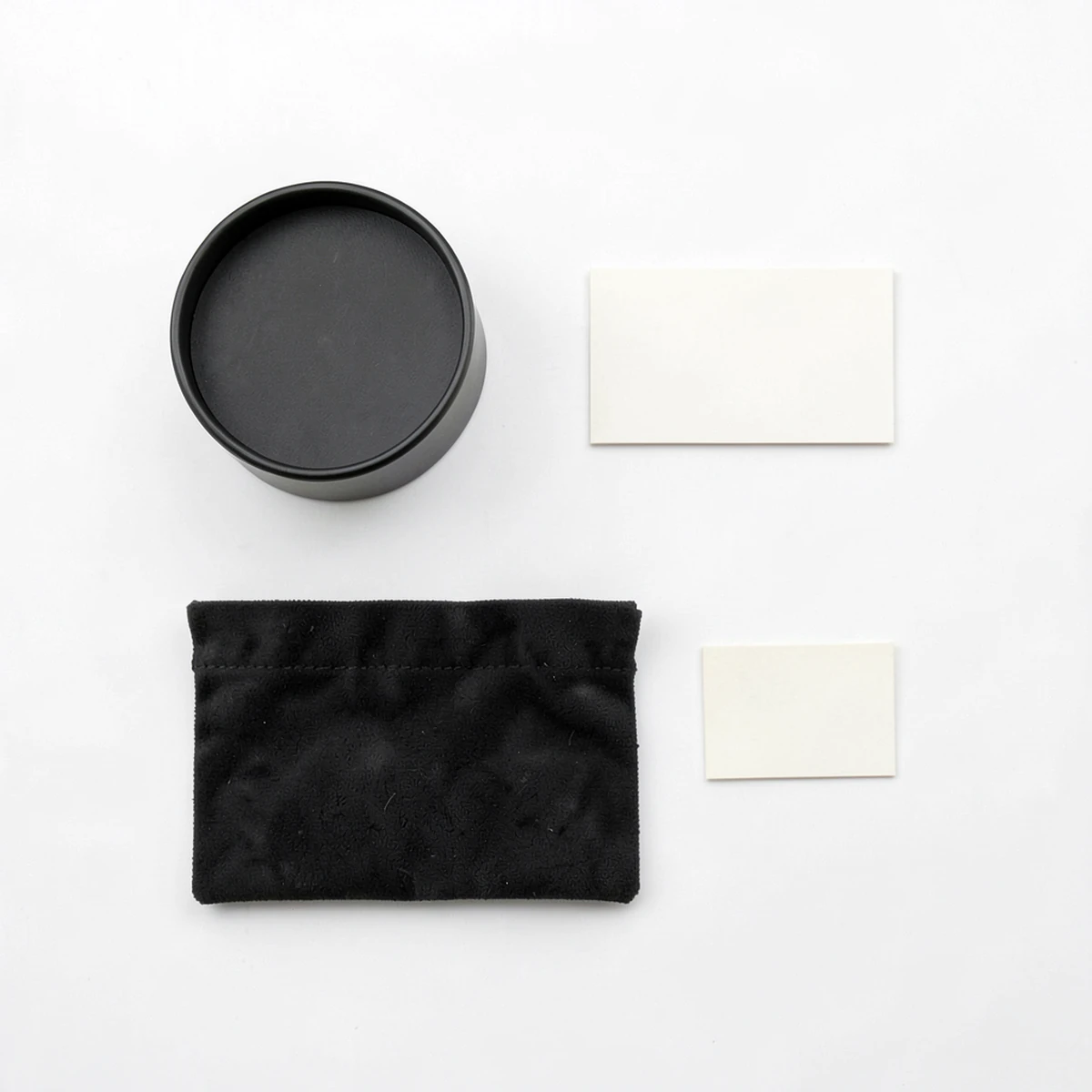
This is why a one-piece order and a 300-piece order of the same design do not have the same unit price. The tooling and the setup are spread over more pieces, and the risk is lower. It is also why a brand that wants low prices should look at MOQ before it looks at the metal. We cover the numbers in sterling silver MOQ and in the wholesale silver jewelry guide.
Reading a quote like a buyer
When a quotation arrives, these are the lines to read first if you need to know how much does 925 silver jewelry cost, in this order:
- The net silver weight per piece, and the metal price the quote is based on, and the validity date.
- The base metal and the plating specification, in microns, with the nickel position stated.
- What is included and what is extra: tooling, samples, packaging, freight, duties.
- The MOQ per design, per color, per size.
- The lead time for sample, for approval and for production.
Two quotes that look similar on the surface can be two different products. If one quote includes an XRF check on the finished piece and a plating record, and the other does not, the second price is not a cheaper version of the first. It is a different scope.
What raises a price without raising the value
Some cost is real and some is theater, and a buyer who cannot tell the difference will pay for theater twice. That is the second half of how much does 925 silver jewelry cost, and the half nobody quotes.
Hollow construction sold as solid. Weight is the first thing a customer feels. A light pendant feels cheap in the hand, and it is why “solid 925” is the phrase most used by honest suppliers in the category listings.
A heavy gold flash on a low-cost base. Plating costs money, but the layer is microns thick and it wears off. A heavier layer on a poor base is not a premium piece.
High minimums on many designs. A large MOQ spread over many low-selling designs ties up cash in the wrong SKUs. This cost never appears on the product page and always appears in the reorder rate.
Retail-only packaging on a wholesale line. Packaging built for gift retail is a real cost, and it is a choice, not a requirement.
Very low prices in general. If a 925 chain is priced far below the metal in it, the piece is not what the label says. Our 925 sterling silver vs brass vs stainless steel comparison explains what happens when the base metal is changed to reach a price.
What a customer should take away from a price
For a shopper, the practical version of how much does 925 silver jewelry cost is simple. Compare pieces by weight first, then by finish and setting quality, and only then by price. A heavier piece with clean finishing usually looks more expensive and wears better than a light piece with a heavy flash. And the price tag on a silver piece is mostly a price for the design and the making, not a price for the silver, so a heavy piece that is well made is a better long-term value than a light piece from a trend brand.
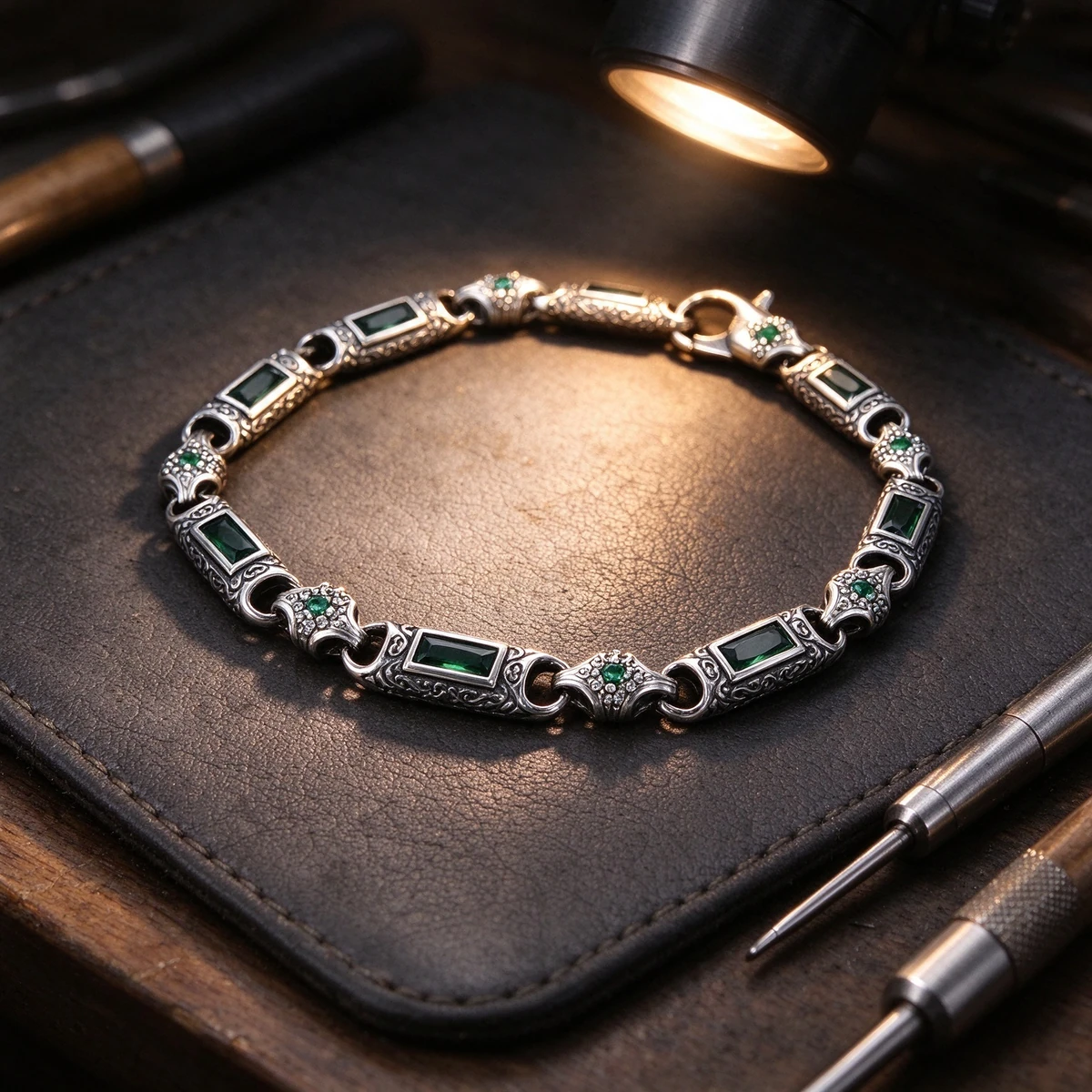
For a buyer building a collection, the same logic applies with one addition: price per gram is the only comparison that survives a change in silver price, a change in design and a change in supplier.
Common mistakes when pricing silver jewelry
Comparing prices without comparing weights. Two pendants at the same price can differ by 10 g of silver.
Treating the silver price as a fixed number. It moves daily, and a quote needs a validity date.
Comparing a plated quotation with an unplated one. The scope is different, so the price is not comparable.
Ignoring the net weight. Ask for the fine silver content, not just the piece weight.
Hiding the plating specification. It is the cheapest way to create a return and one of the most common causes of one.
Pricing a wholesale line like a retail line. Packaging, sampling and compliance scope change the unit cost completely.
Factory insight: two pricing decisions we push back on
Two pricing decisions come up most often when buyers ask how much does 925 silver jewelry cost. A buyer once asked us to reduce a chain from 14 g to 9 g to hit a target retail price. The sample confirmed the weight change and it confirmed that the chain no longer sat flat on the shoulder. The buyer kept the weight and moved the target price, and the line sold better because the piece felt right.
Another buyer wanted a gold-tone finish and asked for the thinnest possible layer to protect the margin. We produced the sample, and the first month of wear at the sample stage was enough to show the color shift at the clasp. We quoted a heavier layer with a topcoat and showed the cost difference on the quotation, so the decision stayed with the buyer, in writing.
Both cases took one sample round and one conversation. Both would have cost more as returns.
How to build a cost sheet for one silver design
A cost sheet answers the pricing question before the quotation arrives, and it is the only way to compare two suppliers fairly. Six rows are enough.
Row one is the metal. Net weight per piece, multiplied by the silver price, divided by the fineness factor. Record the silver price and the date you used, because the number has a shelf life of about one day.
Row two is the making. Put casting, filing, setting, polishing and assembly on separate lines. Ask the supplier to split them, because a single labour line hides which step is expensive.
Row three is the finish. Plating metal, thickness in microns, topcoat and colour matching. A rhodium layer at 0.25 micrometres and one at 0.5 micrometres can differ by a visible amount on the invoice and on the wrist.
Row four is packaging. Box, pouch, card and the artwork round. The artwork round is the row that makes gift programs late.
Row five is logistics. Freight, insurance, duties, and the working capital cost of the lead time. For 200 pieces at USD 20, a 45-day lead time carries a real financing cost that never appears on a quote.
Row six is the margin. Apply the margin to the ex-works price, not to the landed price, or the percentage will look better than it is.
Build the sheet once and reuse it. An hour spent on the sheet saves a week of email, and it turns how much does 925 silver jewelry cost from an opinion into a calculation.
How freight changes the unit cost
Freight is the row buyers skip, and it is the row that changes the answer to how much does 925 silver jewelry cost per piece once the order lands.
Air express. Fast, priced by actual or volumetric weight, and expensive per kilogram on light jewelry. A carton of 200 earrings can cost more to fly than to make.
Air cargo. Slower than express, cheaper per kilogram, and it needs a forwarder and a customs broker. The saving appears on orders above roughly 50 kg.
Sea freight. The cheapest per kilogram and the slowest. It adds four to six weeks and a working capital cost that belongs in the cost sheet, not in a footnote.
Duties and taxes. Check the destination tariff for the metal and the product type before you quote a landed price. A rate you did not check is a margin you already spent.
Two suppliers can quote the same ex-works price and deliver a different landed cost. The comparison only works when freight, insurance and duties sit on the same sheet as the metal and the making.
Choose the next step for a silver jewelry price
A price is defensible, and an answer to how much does 925 silver jewelry cost is defensible, when you can show what is in it: the weight, the metal, the plating, the making, and the scope of the order. That is also the price a customer will accept without a discount conversation.
If you are pricing a new line and need to know how much does 925 silver jewelry cost to make, send MIRAMETAL the design, the target retail price, the weight you want and the destination market. We will tell you what the piece can realistically cost to make, where the price pressure will land, and which specification changes will move the number most.
Explore our silver wholesale program · How to buy wholesale silver jewelry · Request a quotation
Sources and standards for silver pricing
- LBMA Silver Price publishes the daily silver benchmark used by the market.
- The Silver Institute publishes silver market data and the sterling silver standard.
- FTC Jewelry Guides set out how a jewelry seller must describe the metal content of a piece.
Related buyer resources
- Buy Wholesale Silver Jewelry: 7 Buyer Checks
- Silver Jewelry Wholesale Guide: MOQ, Samples and Lead Times
- How to Evaluate a Jewelry Factory Before You Order
FAQ: how much does 925 silver jewelry cost?
Why is one 925 pendant so much more expensive than another?
Weight is usually the first reason, and it is the largest lever on how much does 925 silver jewelry cost. The second is the making and finishing, and the third is the scope: plating, packaging, quality checks and freight.
How much is a gram of 925 silver worth?
How much does 925 silver jewelry cost in metal terms? The silver content of a 925 piece is 92.5% of its weight, and the metal value follows the silver market. Ask any supplier for the metal price and the validity date used in their quotation, because the answer changes daily.
Does a 925 mark mean the piece is valuable?
No. This is the most common misunderstanding about how much does 925 silver jewelry cost. The mark is a content mark. It says nothing about the weight, the construction or the workmanship. Compare pieces by net weight and by finish.
Why does a heavier silver piece cost more than a lighter one with the same design?
Because how much does 925 silver jewelry cost depends on where the weight sits. Most of the cost of a light piece is in the making, while in a heavier piece the metal becomes a large share of the total. Heavier pieces also move with the silver price.
Is silver jewelry a good store of value?
The metal content is a small fraction of the retail price, which is why how much does 925 silver jewelry cost is not the same question as what a used piece is worth. A used piece usually returns far less than it cost. Buy silver jewelry for the piece, not as an investment.
How do I compare two wholesale quotations?
Normalize them to net silver weight per piece, then check that the plating, the packaging, the testing and the freight are in the same scope on both sides, and check the MOQ and the lead time.