925 Sterling Silver Jewelry: Best 2026 Guide | MIRAMETAL
925 sterling silver jewelry is 92.5% pure silver and 7.5% other metal — almost always copper. That number is not a marketing label. It is the ratio that decides whether a ring survives years of daily wear or bends the first time it catches a door handle.
Most of the questions we field at our Guangzhou workshop come from two groups: shoppers who want to know what they are actually paying for, and buyers sourcing 925 sterling silver jewelry for a store or a brand. Both tend to ask the same five things. Is it real silver? Will it tarnish? Will it irritate skin? Why does the price swing so much? And how do you buy wholesale without getting burned?
We have manufactured 925 sterling silver jewelry in Guangzhou since 1990, for more than 3,500 brands across 12-plus countries. What follows is the version of those answers I would give in person, on the factory floor, with the actual pieces in front of us.
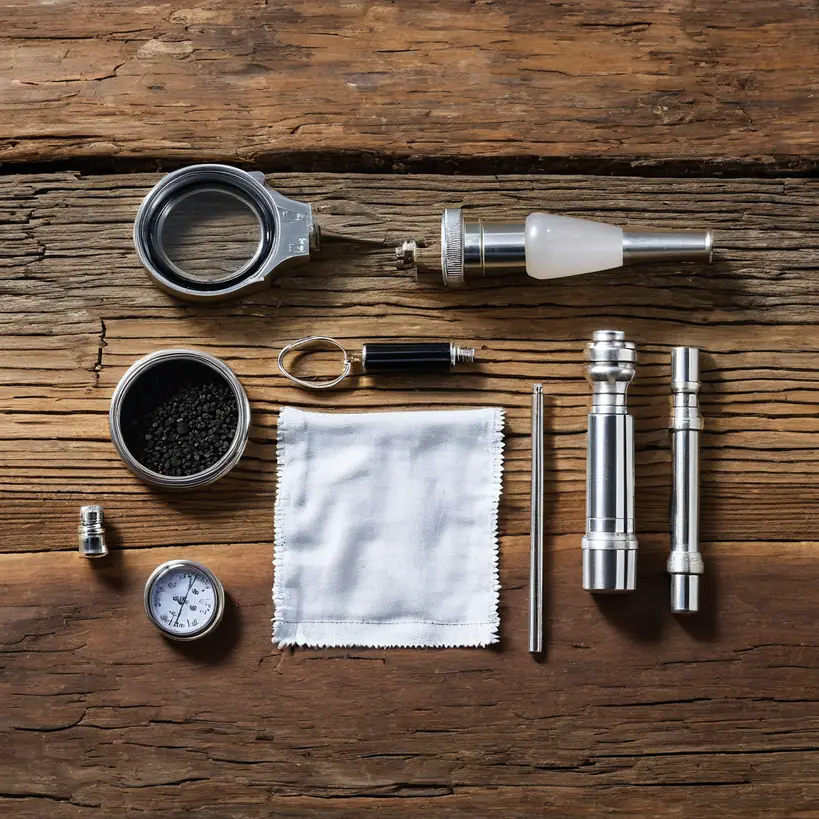
Quick answer: what 925 sterling silver jewellery is
925 sterling silver is 92.5% pure silver alloyed with 7.5% copper for strength. It is the international standard for silver jewellery, it carries a 925 hallmark, it tarnishes and polishes back, and it holds real metal value. If a piece is sold as silver without a 925 mark, assume it is plated. This guide covers 925 sterling silver jewelry, with straight answers from a factory that has manufactured them since 1990.
We have made 925 sterling silver in Guangzhou since 1990. This guide covers what the metal actually is, how it is priced, how to test it and what to ask a factory before you order.
What 925 Sterling Silver Jewelry Actually Is
"925" means 925 parts silver out of 1,000. The remaining 75 parts are alloy — mostly copper — added for one reason: pure silver is too soft to hold its shape or grip a stone setting. Fine silver is 99.9% pure and behaves almost like soft lead in jewelry terms. It scratches easily, bends under light pressure, and cannot reliably hold a prong. The 7.5% alloy is what turns silver into something you can wear every day.
The 92.5% Rule in Plain Numbers
A 5-gram ring contains roughly 4.6 grams of fine silver and 0.4 grams of copper. At today’s spot price, that silver is a surprisingly small part of the retail number. We get into why in the pricing section further down.
How 925 Sterling Silver Jewelry Compares to Other "Silvers"
| Name | Silver content | Can you wear it daily? |
|---|---|---|
| Fine silver | 99.9% | No — too soft for most settings |
| Sterling silver (925) | 92.5% | Yes — the jewelry standard |
| Silver-plated | Thin silver layer over base metal | For a while — the layer wears through |
| Nickel silver | 0% | It is a copper-nickel-zinc alloy, not silver |
That last row trips people up constantly. Nickel silver — also sold as German silver or alpaca — contains no silver at all. The name describes the colour, not the content. If a listing says "nickel silver", you are buying a base-metal alloy with a misleading name. The Silver Institute publishes the industry definitions if you want the formal version.
Why 925 Sterling Silver Jewelry Contains Copper
Copper is the alloy of choice because it is cheap, workable, and hardens silver enough to hold a setting. It is also the reason your silver darkens.
The black film that forms on silver is silver sulphide. Silver reacts with sulphur compounds in the air — not oxygen, despite the term "oxidation". Copper accelerates the reaction considerably. The same 7.5% that makes a ring wearable is what turns it dark in the jewellery box.
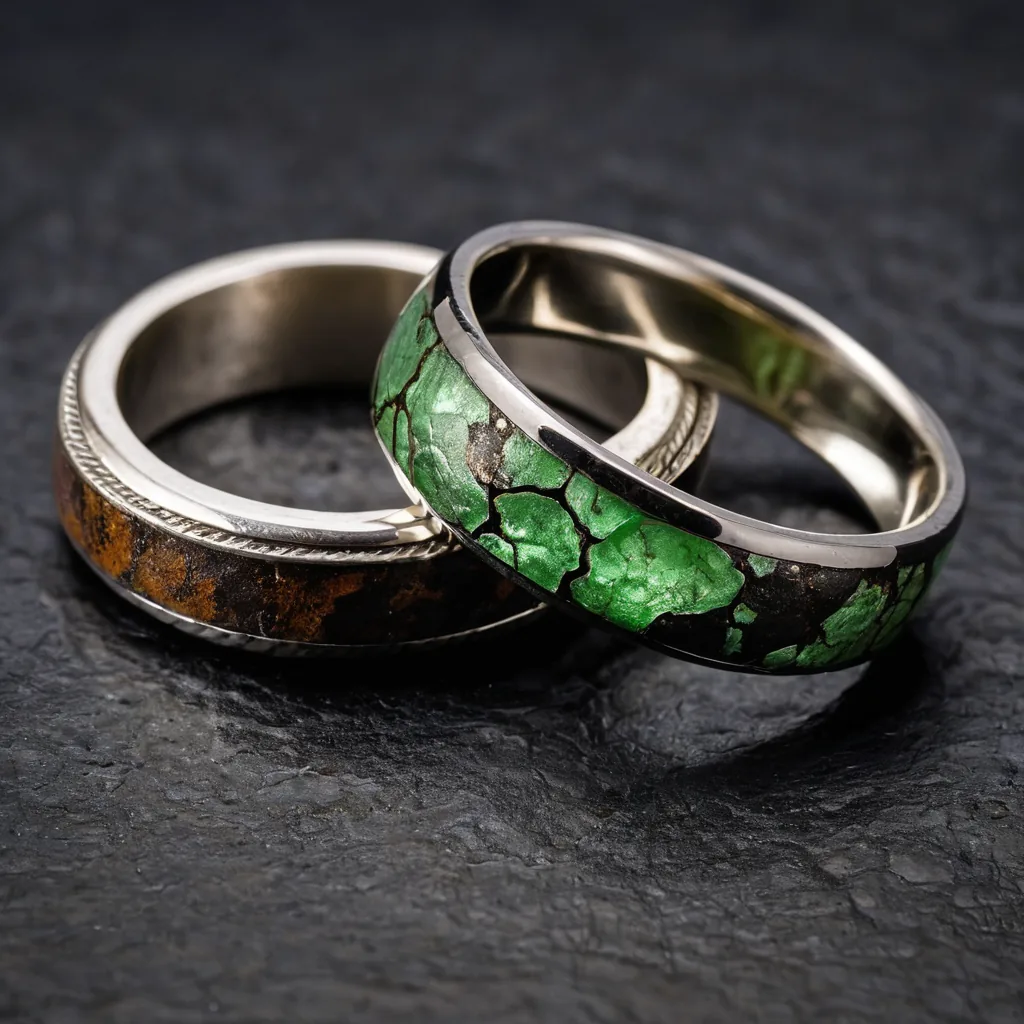
This is metallurgy, not a manufacturing defect. It means two things for anyone shopping for 925 sterling silver jewelry: tarnish is inevitable, and storage is the variable you actually control.
Some foundries replace part of the copper with germanium or zinc to slow tarnish. Those alloys genuinely perform better in humid, high-sulphur cities. They also cost more. In normal conditions, standard 925 with sensible storage holds up about the same.
How to Tell If 925 Sterling Silver Jewelry Is Real
Verification matters most when you are buying from an unfamiliar seller. These are the checks our QC team runs on incoming stock. Most of them work at home, and none of them damage the piece.
Start With the Hallmark
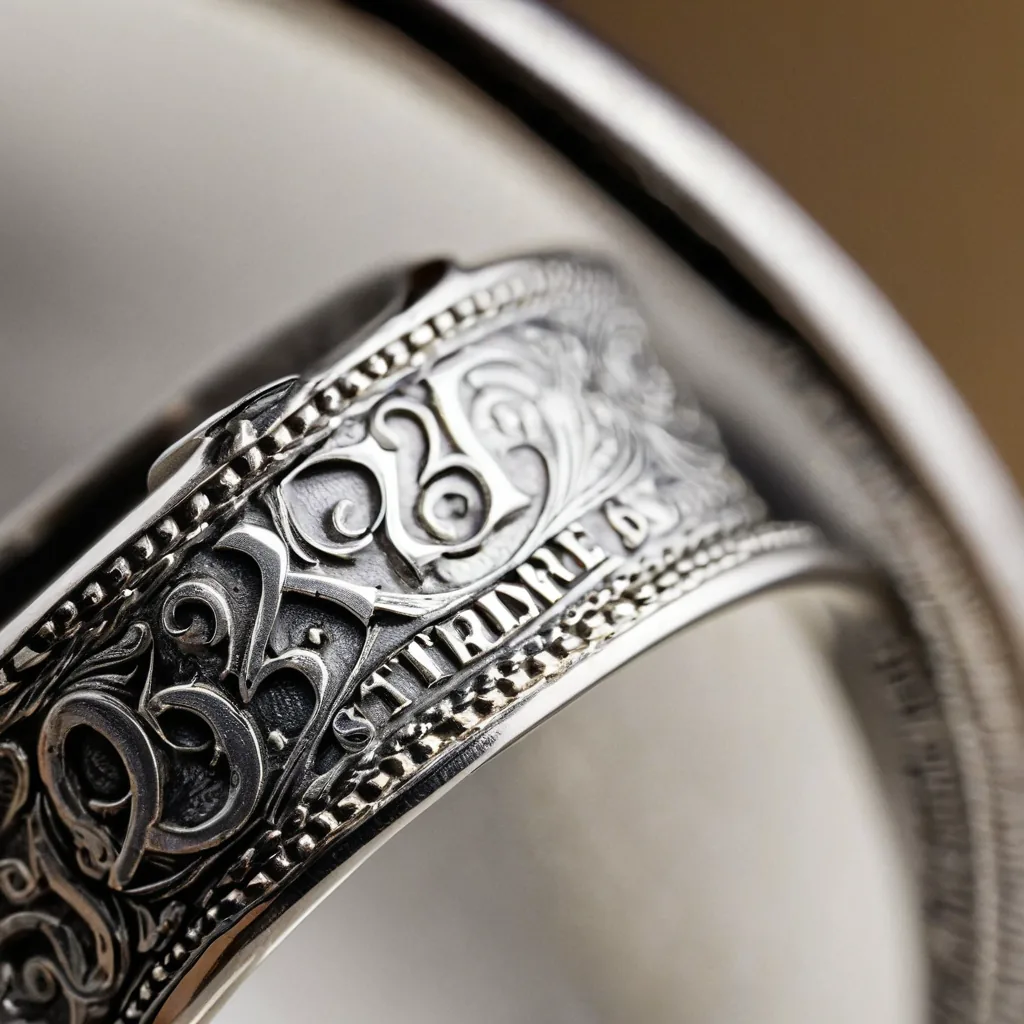
Look for 925, S925, Sterling, Ster, or .925. On rings, check inside the band. On pendants, the reverse. On chains, the clasp tab. A missing stamp is not automatic proof of a fake — plenty of old or handmade pieces were never marked — but it removes your cheapest line of protection. Hallmarking is regulated in the UK and several other markets; the Assay Office London explains how the system works.
The Five Tests That Actually Work
| Test | What it shows | Limitation |
|---|---|---|
| Magnet | Silver is not magnetic | Brass and copper are also non-magnetic |
| Ice melt | Silver conducts heat faster than most common metals | Needs a flat contact surface to read clearly |
| White cloth rub | Real silver leaves a black trace that polishes off | Not definitive on plated silver |
| Weight and sound | Silver feels dense and rings rather than thuds | Needs a similar-size comparison piece |
| Combination | Two or three together narrow the odds fast | Still not a laboratory assay |
No single home test proves a piece is solid 925 sterling silver jewelry. The combination does. Hallmark, then magnet, then weight is the sequence I would use on a wholesale shipment. It is fast, non-destructive, and catches the obvious fakes before they reach a customer.
What Not to Do
Skip the bleach test and the nitric acid test. Both damage the piece, and neither tells you more than the checks above. If you want the full field protocol, our guide to how to identify genuine sterling silver walks through every step, and the 925 silver certification tests page covers what a factory lab actually measures.
What Our Factory Lab Actually Checks
Home tests narrow the field. A factory lab confirms it. On every incoming silver lot we run an XRF read to verify the alloy percentage, then check plating thickness on finished 925 sterling silver jewelry with the same instrument. Stone security gets a pull test on a sample from each batch. Tarnish is a genuine customer complaint, so new plating recipes go through a sulphur-chamber test before production.
That part is invisible to buyers. It is also why I would not treat a single home test as final. Those checks tell you whether a piece is worth sending to a lab — not whether it is definitely solid 925 sterling silver jewelry.
Sterling Silver Tarnish: How to Slow It Down
Once you accept that tarnish is a sulphur reaction, prevention becomes simple. Four habits do most of the work.
Storage
Keep air off the metal. A tarnish-resistant pouch or an airtight box slows the reaction more than any polish.
Wear It
Counterintuitively, regular wear keeps silver bright. Friction and skin contact rub away early tarnish before it builds.
When to Take It Off
Chlorine attacks both the silver and the alloy, so remove rings for pools and hot tubs. The same goes for household cleaners. Rubber bands are vulcanised with sulphur and will blacken silver on contact.
Polishing
Use a proper silver cloth. Avoid toothpaste and baking-soda paste — they abrade the surface, and every pass removes a thin layer of silver. Deep tarnish can be reversed with aluminium foil, baking soda, and hot water; that reaction converts the sulphide back rather than grinding it off. Use it sparingly, because it cannot tell tarnish from an intentional antique finish. Our silver jewelry maintenance guide has the step-by-step version.
Is 925 Sterling Silver Jewelry Safe for Sensitive Skin?
Usually, yes. Fine silver is effectively hypoallergenic. Reactions almost always come from the other 7.5% — historically nickel, which is a common sensitiser. That is why the EU Nickel Directive restricts nickel release, and why reputable manufacturers state nickel-free composition in writing.
Ask two questions before buying: is the alloy nickel-free, and what plating is applied? Rhodium plating puts an inert barrier between skin and alloy, so the wearer contacts rhodium rather than copper. On rings, that layer wears through in one to three years on the palm side. That is maintenance, not failure. Replating restores it.
What Drives the Price of 925 Sterling Silver Jewelry
Buyers often expect the price to track the silver spot price. It does not. For a finished piece, raw silver is usually the smallest line on the cost sheet.
| Cost driver | Why it moves the price |
|---|---|
| Silver weight and spot | Real, but rarely the biggest factor |
| Labour and craftsmanship | Hand-setting, filigree, and hand-finishing dominate |
| Stone and setting | Moissanite, cubic zirconia, and gemstones sit at very different prices |
| Plating | Thickness in microns matters more than the label |
| Tooling | Original designs need a mould; repeat patterns do not |
| Quantity | Fixed setup costs fall sharply from 1 piece to 50, then more gradually |
Two pieces can contain identical silver and differ threefold in price. The gap is usually labour, plating thickness, and stone quality. If you want the full breakdown of how solid silver compares with plating over time, read our sterling silver vs silver plated comparison.
Buying 925 Sterling Silver Jewelry Wholesale
If you are sourcing for a brand rather than buying one piece, the questions change. Four things most first-time buyers fail to establish early:
Minimum Order Quantity
Traditional manufacturers ask for 50–500 pieces per design because setup costs have to be amortised. If you are testing a market, that is a wall. Ask directly whether low or single-piece MOQ is available for sampling. It decides which suppliers are even viable. Our guide to sterling silver MOQ covers the arithmetic.
Sample Lead Time
Before production, you need the piece in your hand. Existing tooling usually runs 3–7 days; new designs take longer. A supplier who cannot quote a sample date is hard to plan around.
Design Protection
If you are developing original product, an NDA is standard. Any serious manufacturer signs one without hesitation. Reluctance is a real signal.
Plating Specification
Ask for plating thickness in microns and the base metal. "Gold plated" is not a specification. This one question explains a disproportionate share of quality differences between quotes. For the wider checklist, see our guides to buying wholesale silver jewelry, silver jewelry wholesale, and the 925 sterling silver wholesale supplier checklist.
Why Buy 925 Sterling Silver Jewelry Factory Direct
MIRAMETAL has made sterling silver jewelry in Guangzhou since 1990. In that time we have supplied more than 3,500 brands across 12-plus countries.
Working with a manufacturer instead of a trading company changes what you can ask for. Customisation is the default, not a special request. Adjusting a dimension, swapping a stone, changing plating thickness, or building a design from a sketch are routine operations in a factory that owns its tooling.
- MOQ from 1 piece, for sampling and small collections
- Samples in 3–7 days
- NDA available on request
- 18K gold and rhodium plating over 925 silver
- OEM, ODM, and private label production
Honest framing: factory direct is not always cheaper on tiny orders, because setup cost still exists. What it buys you is control over specification, direct access to the people making the product, and the ability to iterate instead of accepting whatever is in a catalogue. See custom OEM and ODM jewelry manufacturing for the process, or read more about our Guangzhou factory.
Plating Options for 925 Sterling Silver Jewelry
Most 925 sterling silver jewelry sold today carries a surface layer of something else. The core is solid sterling; the plating is what the customer sees and touches. Three finishes cover almost everything we produce.
Rhodium Plating
Rhodium is a platinum-group metal: bright white, hard, and inert. That is why it is the default finish on good sterling silver, and why it reduces both tarnish and the chance of a skin reaction. The trade-off is wear. On a ring that takes constant friction, rhodium lasts one to three years before it thins at the palm side.
18K Gold Vermeil
Vermeil is a specific term — a gold layer of at least 2.5 microns over sterling silver. Plated jewelry can be far thinner. When you compare quotes for gold-finished 925 sterling silver jewelry, ask for the micron figure. Two suppliers can both say "gold plated" and differ by a factor of ten in how long the finish lasts.
E-Coating and Anti-Tarnish Layers
Some factories apply a clear electrocoat over silver to slow tarnish without changing the colour. It works, but it wears like any coating. For 925 sterling silver jewelry that is handled constantly, we usually recommend rhodium instead.
Plating decides cost, wear, and the sensitive-skin answer. It is worth settling before you approve a sample, not after.
How to Choose 925 Sterling Silver Jewelry That Lasts
Two pieces can use the same alloy and age very differently. The difference is in construction, not the silver percentage.
Setting Type
A bezel setting wraps the stone in metal and protects it from knocks. A prong setting shows more of the stone but exposes the corners. Channel settings sit between two rails and are hard to snag. For a ring worn daily, bezel and channel are the lower-maintenance choices.
Chain and Clasp
On chains, the weak point is almost never the silver. It is the clasp. A lobster clasp in the same alloy as the chain is worth paying for, because a mismatched base-metal clasp fails first and takes the piece out of rotation. On heavier pendants, ask for a soldered jump ring rather than an open one.
Weight and Wall Thickness
A ring that feels light is not automatically bad, but very thin walls deform under daily wear. When you compare two 925 sterling silver jewelry pieces at the same price, pick the one with more metal at the stress points — the band bottom and the setting shoulders — rather than the widest top.
A Replating Plan
Any plated 925 sterling silver jewelry will eventually need refinishing. Ask how the finish ages and what replating costs. A supplier who cannot answer that is selling a piece, not a product that has to survive a customer’s second year.
Frequently Asked Questions About 925 Sterling Silver Jewelry
Is 925 sterling silver real silver?
Yes. It is 92.5% pure silver — the standard alloy used for genuine silver jewelry worldwide. It is not the same as silver-plated, which is a thin silver layer over a base metal.
Why is it called sterling silver?
The term comes from historical English silver standards and has been in continuous use for centuries. Today it is a legal standard: material stamped "sterling" must meet 92.5% silver content.
Will 925 sterling silver jewelry tarnish?
Yes, inevitably. Tarnish is a surface reaction with sulphur compounds in the environment, accelerated by the copper in the alloy. It is removable and does not indicate low quality.
Can you wear 925 sterling silver jewelry every day?
Yes. It is durable enough for daily wear, though it is softer than gold or platinum and will pick up fine scratches over the years. Remove it for swimming, cleaning, and heavy physical work.
Will 925 sterling silver jewelry turn my skin green?
Sterling silver itself does not. Green discolouration usually comes from copper in the alloy reacting with skin chemistry or cosmetics. Rhodium plating prevents contact entirely.
How much silver is in a 925 ring?
92.5% of the metal weight. A 5-gram ring contains approximately 4.6 grams of fine silver. The remainder is alloy metal, typically copper.
What is the difference between 925 and fine silver?
Fine silver is 99.9% pure and too soft for most jewelry. 925 is alloyed for strength while retaining the appearance and value of silver.
Is rhodium-plated 925 sterling silver jewelry still real silver?
Yes. The piece is solid sterling silver with a rhodium surface layer that resists tarnish and adds brightness. The plating wears over time and can be reapplied.
Does 925 sterling silver jewelry have resale value?
It carries intrinsic silver value, but resale is typically far below retail. Labour, design, and brand are what you pay for at purchase; silver content is what scrap value reflects.
Where to Start With 925 Sterling Silver Jewelry
Two paths, depending on what you need.
If you are buying for yourself, browse the 925 sterling silver jewelry collection, start with sterling silver rings, or look at the moissanite jewelry collection if you want a stone set in silver.
If you are sourcing for a brand, send us your design or a reference photo. We will come back with MOQ, sample time, plating options, and production lead time. If you want to test the finish first, ask for a sample kit before committing to a production run.
You can request a quote here, or review the OEM and ODM process first.
From the factory floor: what matters about 925 that buyers miss
- Gram weight is the real price driver. Two identical rings can differ by 40% in silver content. Always ask for gram weight in writing, not just a unit price.
- Plating is a specification, not a finish. Rhodium plating slows tarnish and brightens the surface, but “rhodium plated” without a thickness means anything from a flash coat to a micron.
- The 7.5% alloy matters for compliance. Most of it is copper, but nickel content is what trips EU REACH. Ask for a nickel-release test on the finished piece.
- Sterling is repairable; plated is not. That single difference is why sterling belongs in a core range and plated belongs in a trend line.
FAQ: what does 925 mean on jewellery
What does 925 mean on jewellery?
It means 92.5% pure silver with 7.5% alloy, usually copper. Pure silver is too soft for jewellery, so 925 is the standard compromise between durability and silver content.
Is 925 sterling silver real silver?
Yes. It is the standard for real silver jewellery worldwide. It is not pure silver, but it is solid silver alloy rather than a plating over base metal.
Does 925 sterling silver tarnish?
Yes. The copper in the alloy reacts with sulphur in air and forms a dark surface layer. It polishes off completely and does not damage the metal underneath.
How can I tell if 925 silver is genuine?
Look for a struck 925 hallmark, compare the weight against a known sterling piece, and if it matters, get an XRF reading. Tarnish that polishes off is a good sign.
Is sterling silver hypoallergenic?
Usually, but not guaranteed. The alloy is mostly copper, but trace nickel is possible. If you need a hypoallergenic piece, specify nickel-free alloy and ask for a release test.
How much is 925 sterling silver worth?
The metal value follows the silver spot price times the gram weight. Finished jewellery is priced on metal plus a making charge, plus plating, stones and packing.
Can you wear sterling silver every day?
Yes. It is durable enough for daily wear. Remove it for swimming, gym and showers, because chlorine and soap accelerate tarnishing.
Will sterling silver turn my skin green?
It can, but far less often than plated base metal. The usual cause is copper in the alloy reacting to sweat or cosmetics, not a fault in the piece.
What is the difference between 925 silver and silver plated?
925 is solid alloy throughout and can be polished and repaired. Plated is a thin silver layer over base metal that wears through, usually within months to a couple of years.
How should I store sterling silver?
In an airtight bag with an anti-tarnish strip, away from rubber, wool and PVC. Wearing silver regularly actually slows tarnish.
Can sterling silver be resized or repaired?
Yes, and this is one of its main advantages over plated. A jeweller can resize, re-tip prongs and re-polish solid sterling.
What is the MOQ for wholesale 925 silver jewellery?
Around ten pieces per design for stock styles and fifty to one hundred for a custom design. One-piece samples are available on any stock design.
Next steps: request samples or a wholesale quote
MIRAMETAL has manufactured 925 sterling silver in Guangzhou since 1990, with per-batch XRF certification, rhodium or 18K gold plating, NDA-backed custom work and export packing that includes individual airtight bags and anti-tarnish strips.
- Request samples – one piece of any stock design, 3-7 days, credited against your first bulk order.
- Get a wholesale quote – send your designs, quantities and target market for itemised pricing with gram weight stated, within 48 hours.