OEM Jewelry Manufacturing: 8 Steps, 12-18 Days
OEM jewelry manufacturing quick answer: OEM jewelry manufacturing works when design, sample, deposit, QC, and delivery are fixed as one production system. Our Guangzhou workshop runs OEM programs for brands, so this guide maps the eight steps and the approval points that prevent costly surprises.
A brand asked us last month to “just make this” and sent a photo of a ring they’d bought at a Zara outlet. No dimensions. No CAD. No metal specification. They expected a quote within 24 hours. This guide covers oem jewelry manufacturing, with straight answers from a factory that has manufactured them since 1990.
We asked three questions. They stopped replying.
This piece is for the brand that has outgrown Alibaba sourcing and needs to understand what actually happens between “I have an idea” and “I have 200 pieces in stock.” I’ll walk through our real 8-step OEM process for sterling silver jewelry — with actual costs, actual lead times, and the checkpoints where most projects go wrong.
The cleanest projects start with a 3D CAD file. STL, STEP, OBJ, or IGES. If you have one, skip to Step 2.
If you don’t have a CAD, you have two options:
Option A — Send us a sketch with dimensions. We convert it to CAD in-house. Cost: USD 80 one-time per design. Turnaround: 2-3 days. This fee is waived on your first reorder of the same design.
Option B — Use an existing mold from our library. We maintain 200+ open designs that can be produced with your branding. No CAD fee. No mold fee. Lead time drops to 5-7 days. The trade-off: you don’t own the design, and other brands may use the same base.
The design intake checklist we send every new client:
| We need | Why it matters |
|---|---|
| 3D CAD file or dimensioned sketch | Without this, we’re guessing weight and material cost |
| Target weight or thickness | A 3g ring and a 8g ring of the same design have different prices |
| Stone type and size (if any) | CZ, moissanite, natural gemstone — each has different setting requirements |
| Plating specification | Silver, gold, rose gold, rhodium — each adds cost and lead time |
| Packaging requirements | Branded box, neutral box, or bulk poly bag — affects packing time |
A brand that sends us all five items gets a quote within 24 hours. A brand that sends us a Zara photo gets a follow-up email asking for the checklist.
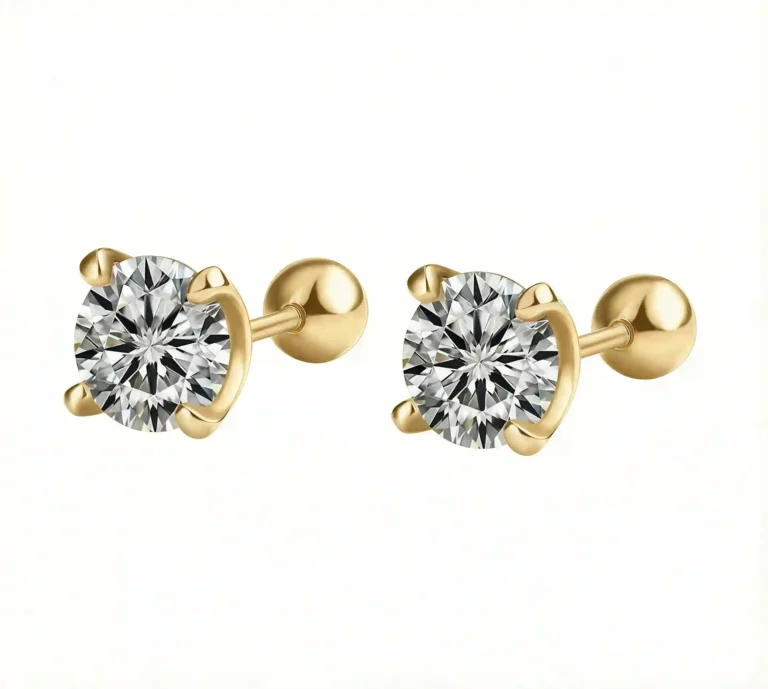
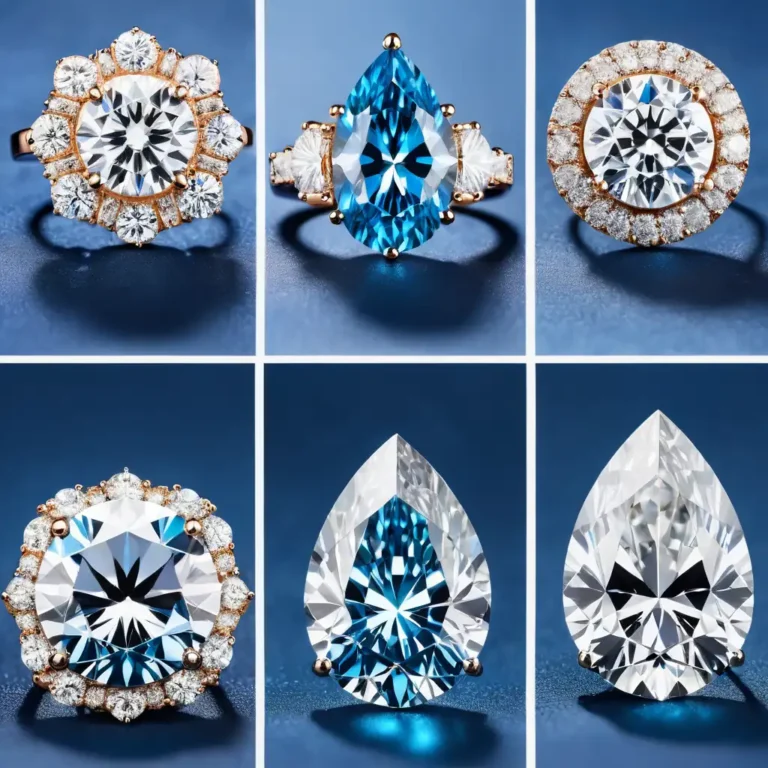
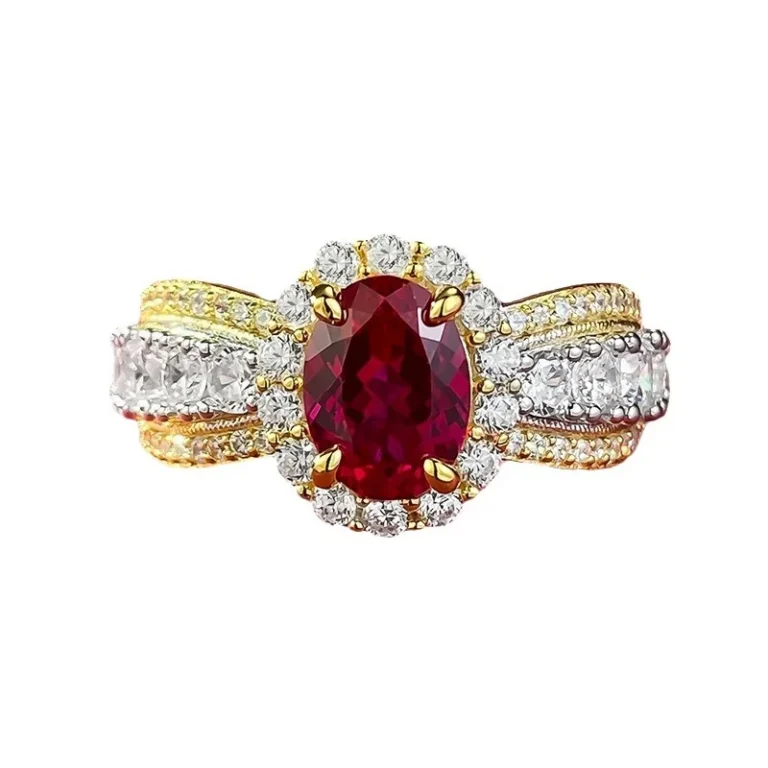
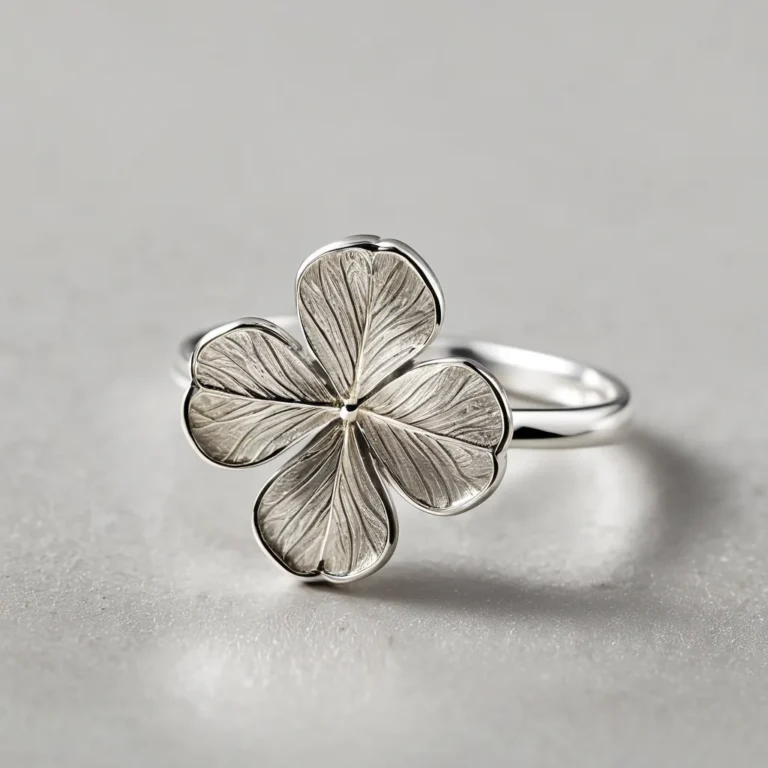
 OEM jewelry manufacturing reference image from MIRAMETAL
Quick answer: what the OEM process looks like and how long it takes
OEM jewellery manufacturing runs design brief, CAD render, sample, approval, tooling if needed, production, finishing, QC and packing. Stock designs take 12-18 days after sample approval; custom designs with new tooling take 20-25 days.
We have run OEM in Guangzhou since 1990. The steps below are the ones that actually decide whether an order lands on time, and the ones buyers underestimate.
Step 2: Design for Manufacturing (DFM) Review
Every design gets a DFM review before we quote. This is where we catch the problems that turn into mold rework and production delays.
Three issues come up constantly:
Wall thickness under 0.8mm. Sterling silver needs minimum 0.8mm wall thickness for structural integrity. Thinner walls break during casting or deform under polishing pressure. We had a filigree ring design last month with 0.5mm walls — beautiful on screen, impossible in metal. We adjusted to 1.0mm and the piece cast cleanly.
Undercuts that trap investment. Complex designs with deep recesses or internal cavities trap casting investment, leaving residue that corrodes the metal from inside out. We flag these and suggest design adjustments before mold making.
Stone setting feasibility. A design with 0.8mm prong walls won’t hold a 3mm stone securely. We check prong thickness, bezel wall height, and channel width against the specified stone dimensions. If the math doesn’t work, we say so before the mold is cut.
The DFM report is free. It takes 1 day. It saves an average of USD 150 in mold rework per design.
Step 3: 3D Printed Prototype (2-3 Days)
Once DFM is approved, we print a wax prototype at 0.025mm layer resolution. This is not a rendering. This is an exact physical replica of your piece in castable wax.
You receive photos from 6 angles plus a video showing scale against a ring mandrel or ruler. Some clients request the physical prototype shipped — we do that via DHL, cost USD 25-40 depending on destination.
This is your last free change window. Changes to the wax prototype are free. Changes after metal casting require a new mold. We learned this the hard way in 2023 when a brand approved a prototype, then changed the bail design after casting. That cost them a second mold fee of USD 120.
Step 4: Mold Making (1-2 Days)
After prototype approval, we cut the production mold from high-temperature vulcanized silicone rubber. Each mold lasts 100-500 casts depending on design complexity and piece size.
Mold cost at our shop: USD 80-150 one-time per design. This covers you for reorders within 12 months. After 12 months of inactivity, we may need to recut if the mold has degraded.
One detail most brands miss: the sprue design. The sprue is the channel that carries molten silver into the mold cavity. Its position determines how the metal flows, where air escapes, and how much material is wasted. A well-designed sprue saves 5-8% in silver consumption per piece. A poorly designed one leaves porosity that shows up as pitting after polishing.
Step 5: Casting Sterling Silver (1-2 Days)
The wax tree is invested in plaster, heated to 730°C to burn out the wax, then cast with 925 sterling silver at 1,010°C.
We use two casting methods depending on the piece:
- Vacuum casting for pieces over 15g or with thick sections. The vacuum pulls air out of the mold cavity before metal injection, eliminating porosity. This is our default for rings and bangles.
- Centrifugal casting for filigree or thin-section pieces under 5g. Centrifugal force pushes metal into thin channels that vacuum alone can’t fill completely. This is our default for earrings and fine chains.
The silver formula we use:
Per piece (RMB) = silver weight × RMB 5.2/g
+ labor × 1.4
+ plating per piece
+ stones + findings
÷ 6.8 = USD per piece
So a 5g sterling silver ring with 18K gold plating and CZ: (5 × 5.2) + (35 × 1.4) + 8 + 2 + 3 = RMB 91/piece. Divided by 6.8 = USD 13.40/piece landed factory. That’s the real cost floor for a gold-plated sterling silver ring at our shop.
Step 6: Polishing and Finishing (2-3 Days)
Raw casting shows sprue marks, investment residue, and surface roughness. Each piece is hand-filed to remove sprue connections, then polished through progressive grits from 400 to 3000.
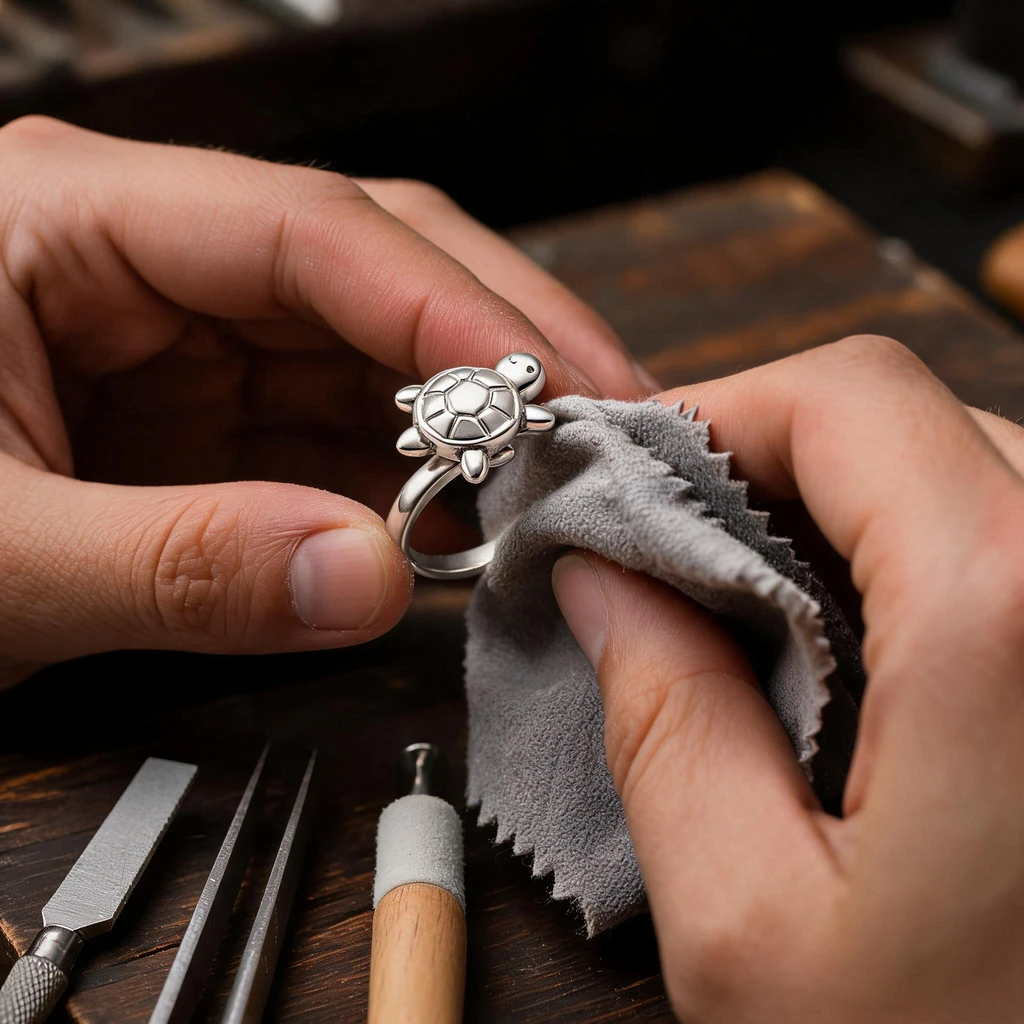
Four finishes we offer:
| Finish | Process | Durability | Best for |
|---|---|---|---|
| High polish | 3-stage compound polishing | Scratches visible quickly | Classic, clean designs |
| Satin/matte | Scotch-brite brushing | Hides scratches well | Contemporary styles |
| Oxidized | Selective darkening in recesses | Stable once sealed | Vintage, spiritual, nature designs |
| Dual finish | Polished high points + matre recesses | Best of both | Statement pieces |
The finish affects lead time. High polish takes 2 days. Oxidized takes 3 (extra step for sealing). Dual finish takes 3.
Step 7: Stone Setting and Assembly (1-3 Days)
We handle prong, bezel, channel, pave, and glue settings. Setting time depends on stone count: a 1-stone ring takes 15 minutes. A 24-stone pave bracelet takes 4 hours.
The setting quality check we do on every piece:
- Stone security: push test with 2kg force
- Stone level: visual check under 10x loupe
- Alignment: stones evenly spaced, no tilting
- Surface: no tool marks visible on metal
Multi-component pieces get assembled here — soldering chains to pendants, adding clasps, attaching earring posts. We use cadmium-free silver solder with matching 925 content. Lead-based solder is cheaper. It’s also toxic and illegal in the EU. We don’t use it.
Step 8: Quality Control and Packaging (1-2 Days)
Every piece is individually inspected against your approved master sample. Not AQL sampling. Every piece.
Our QC checklist has 8 items:
- Visual inspection under 10x magnification
- Dimensional measurement (within ±0.2mm)
- Weight verification (within ±3% of spec)
- Stone security test
- Clasp/function test
- Stamp verification (925, brand mark if specified)
- Plating adhesion test (tape test for peeling)
- Packaging check against your requirements
For plating: we measure plating thickness with X-ray fluorescence. Minimum 0.5 micron for anti-tarnish rhodium. Minimum 1.0 micron for gold plating on rings and bracelets (high-wear items). Under 0.3 micron wears off in weeks. For OEM jewelry manufacturing, write it into the approval sheet, not the chat.
The Four Questions to Ask Any OEM Factory
Before you send a CAD file, ask these four. The answers tell you everything.
“Can you show me a casting line — not just a polishing table?” For OEM jewelry manufacturing, that is where a cheap quote usually hides a cost.
If they can’t show you a casting line, they’re a reseller buying from job shops. Their lead times will be longer, their quality less consistent, and their prices higher (they’re marking up someone else’s production).
“What’s your plating thickness specification?” For OEM jewelry manufacturing, it is the fastest way to spot an inconsistent supplier.
A factory that says “1 micron” knows what they’re doing. A factory that says “yes, gold plating” without a number is guessing. Under 0.3 micron wears off in weeks. Over 1.0 micron lasts years. The cost difference is USD 0.30 per piece.
“Who owns the mold after production?” For OEM jewelry manufacturing, compare it line by line instead of trusting a summary.
Most factories keep it. That means you can’t move production without paying again. We ship molds to clients for postage cost, or store them free for 12 months with written terms in the PI. A factory that won’t put mold ownership in writing is keeping leverage, not molds.
“Can I get XRF reports on my finished batch?” For OEM jewelry manufacturing, get it into the QC document, not just the email thread.
A serious factory tests every batch. A factory that hedges on testing is a factory whose plating fails in three months. Ask for the report before you wire the deposit.
What a Real OEM Timeline Looks Like
| Stage | Duration | What you receive |
|---|---|---|
| Design + DFM review | 1-2 days | DFM report, firm quote |
| 3D printed prototype | 2-3 days | Photos + video of wax prototype |
| Mold making | 1-2 days | Production mold ready |
| Casting | 1-2 days | Raw silver pieces |
| Polishing + finishing | 2-3 days | Finished silver pieces |
| Stone setting + assembly | 1-3 days | Complete jewelry pieces |
| QC + packaging | 1-2 days | Inspection report, packed goods |
| Total (from approved design) | 7-15 days | Finished products ready to ship |
For first orders, budget 15 days. For reorders of existing designs, we run 7-10 days. The difference is mold availability and setup familiarity. For OEM jewelry manufacturing, check it on the sample before you scale the order.
From Process to Partnership
Understanding the manufacturing process is the foundation. Once you are ready to evaluate specific factories, our 8-point factory audit gives you the checklist. Before you commit, understand how MOQ affects your costs. And after production starts, verify quality with the testing protocols in our certification and testing guide.
Oem jewelry manufacturing Sourcing Checks
Every Oem jewelry manufacturing enquiry that lands on our desk gets the same first answer: price is a result, not a starting point. We have run the same Guangzhou line since 1990, so we know the numbers move with silver weight, stone grade and plating thickness. Ask any supplier of oem jewelry manufacturing to break those three out before you compare totals.
- Request video of the casting, setting and polishing bays, shot that week.
- Tie every material certificate to the batch number it describes.
- Settle tooling ownership and defect responsibility in writing.
- Approve a physical sample, then compare the bulk piece against it.
What Drives a Oem Jewelry Manufacturing Quote
What Drives a Oem jewelry manufacturing Quote
Quotes differ because specifications differ. Below is the breakdown we use internally.
| Cost line | Why it moves | Ask this |
|---|---|---|
| Mould or setup | New designs need tooling, wax preparation and a first-article approval. | Is the setup fee one-time, and who owns the tooling? |
| Metal weight and alloy | Gram weight is the largest single cost line in silver work. | Will the quote state grams per piece, not just the alloy? |
| Stone grade | Grade, cut and treatment swing the figure far more than buyers expect. | Is the stone grade named, with the origin of the certificate? |
| Finish and plating | Colour, thickness and polishing time drive both cost and durability. | What thickness is applied, and how is it measured? |
| Quantity | Fixed labour is spread over the run, so unit cost falls as count rises. | What is the MOQ per design, colour and size? |
| Packaging | Custom boxes, inserts and anti-tarnish materials sit on top of unit cost. | Is packaging quoted separately or bundled? |
Oem Jewelry Manufacturing Order Mistakes to Avoid
Oem jewelry manufacturing Order Mistakes to Avoid
The expensive version of this mistake shows up after the deposit, when a detail nobody wrote down turns out to matter.
- Do not approve a sample from a phone screen alone.
- Never leave defect, replacement or reorder terms in a chat thread.
- Do not skip the written spec because the relationship feels good.
- Do not assume the bulk run matches a sample made on a different line.
Oem Jewelry Manufacturing Market Fit
Oem jewelry manufacturing Market Fit
Destination drives documentation. Ship to the United States and expect questions on fineness stamping and nickel. Ship to Europe or Britain and expect REACH and hallmarking requirements. Ship to the Gulf and expect scrutiny of plating durability. One oem jewelry manufacturing catalogue, several evidence packs.
OEM Jewelry Manufacturing FAQs
How long does the full OEM process take?
From design intake to shipped order: 8-15 days for standard designs, 15-25 days for complex multi-component pieces. The breakdown: design + DFM (1-2 days), prototype (2-3 days), mold making (1-2 days), casting (2-3 days), polishing (2-3 days), stone setting (1-3 days), QC + packaging (1-2 days). For OEM jewelry manufacturing, it usually matters more than the headline price.
Can I see the piece before mass production?
Yes. We provide 6-angle photos and a video of the wax prototype at 0.025mm layer resolution. This is your last free change window. Changes after metal casting require a new mold fee (USD 80-150).
What CAD formats do you accept?
STL, STEP, OBJ, and IGES. If you do not have a CAD file, send a dimensioned sketch and we convert it in-house for USD 80 one-time (waived on first reorder). You can also choose from our library of 200+ open designs to eliminate the CAD fee entirely. For OEM jewelry manufacturing, put it in the approved specification so the order stays repeatable.
Who owns the mold after production?
You do. We ship molds to clients for postage cost (USD 25-40 via DHL), or store them free with written terms in the PI. A factory that will not put mold ownership in writing is keeping leverage, not molds.
What if my pieces do not match the approved sample?
Every piece is individually inspected against your approved master sample before shipping (100% inspection, not AQL sampling). If a piece does not match, it is reworked or recast at our cost. About the author : Liu Heping runs MIRAMETAL, a 925 sterling silver jewelry manufacturer in Guangzhou, China. The factory has shipped to 3,500+ brands across 12+ countries since 1990. Direct: 786180138@qq.com · WhatsApp +1 342 888 0343. For OEM jewelry manufacturing, ask every supplier the same question here.
What’s the minimum CAD quality needed to start OEM?
At minimum: an STO or STEP file showing all dimensions in mm, with the casting direction and parting line marked. If you have a hand-drawn sketch only, most factories will redraw in CAD for $50-200 per design. This is one of the highest-leverage investments you’ll make: a good CAD pays for itself 10× in avoided rework.
More OEM Jewelry Manufacturing Reading
Use these guides to compare production methods, material quality, and wholesale terms before you request pricing. For OEM jewelry manufacturing, this is the detail most buyers skip until the reorder.
- Find a Reliable Jewelry Manufacturer in China
- Custom Jewelry Manufacturing for Small Business
- 925 Silver Jewelry Wholesale: 2026 Buyer Checklist
- 925 Silver Wholesale 2026: Factory Data Guide
- Evaluate a Jewelry Factory: 8-Point Audit
- Sterling Silver MOQ: Real Factory Order Numbers
- 925 Silver Certification: 4 Factory Tests
- OEM and ODM jewelry manufacturing
Request a Oem Jewelry Manufacturing Quote
Send the design reference, target quantity, material, finish, stone grade, packaging and destination market. We come back with itemised pricing and the two or three questions that actually move lead time — usually within one working day.
About the Author
About the author: Liu Heping has run MIRAMETAL, a 925 sterling silver manufacturer in Guangzhou, China since 1990. The workshop has shipped to 3,500+ brands across 12+ countries. Every batch leaves with per-batch XRF assay. Reach him at 786180138@qq.com or WhatsApp +1 342 888 0343.
OEM Jewelry Manufacturing Standards and References
Compare OEM jewelry manufacturing claims against independent standards before approving a supplier or production batch.
From the factory floor: where OEM timelines slip
- Approval, not production, is the usual delay. Most late orders were late because a sample sat in an inbox. Decide on samples within a week and the schedule holds.
- CAD changes cost more than CAD time. Every revision after tooling starts is expensive. Approve the render carefully before metal is cut.
- Plating and stone setting are the bottlenecks. Production rarely slips; finishing does, because plating baths and stone setting are shared resources.
- Packing is part of the product. Individual airtight bags, anti-tarnish strips and care cards add a day and remove most tarnish complaints later.
FAQ: what does OEM mean in jewellery
What does OEM mean in jewellery?
Original equipment manufacturing: the factory makes to your design and specification, and the product carries your brand.
How long does OEM jewellery production take?
Twelve to eighteen days after sample approval for stock-based designs, and twenty to twenty-five days where new tooling is required.
How long does a sample take?
Three to seven days for a stock design and seven to ten days for a custom piece that needs a CAD render and tooling.
Do I own the tooling I pay for?
You should. Make it explicit in the order terms, otherwise the design can be produced for other buyers.
What is the MOQ for OEM?
Around fifty pieces per design for custom work and ten for stock designs adapted to your specification.
Can I change the design after the sample?
Yes, before tooling. After tooling starts, changes are expensive and usually require new tooling.
What files should I send for a custom design?
Sketches or reference photos with dimensions, plus metal, plating, stone and finish requirements. A CAD render comes back from the factory for approval.
Will the factory sign an NDA?
Yes. We sign before receiving drawings, and you should not send a design without one.
What are the payment terms?
Typically forty percent deposit with the order and sixty percent before shipment. T/T and PayPal are both accepted.
Can I get my brand stamped on the piece?
Yes. Custom laser or stamp branding is standard, usually placed on the clasp tag or inside the band.
What packaging options are available?
Stock pouches and boxes, or custom printed packaging with its own minimum. Export orders ship with individual airtight bags and anti-tarnish strips.
What happens if production is delayed?
A good factory tells you before the ship date, not after. Ask how delays are communicated before you place the order.
Similar Posts
GRA Certified Moissanite: D-Color VVS1 Guide
GRA certified D-Color VVS1 moissanite, more brilliant than diamond at just 1% of the price. 925 sterling silver, nickel-free, passes diamond tester. Factory wholesale from 10pcs. Free shipping worldwide.
How to Evaluate a Jewelry Factory: 8 Steps
evaluate jewelry factory quick answer: Evaluate a jewelry factory by its production records, not by the lobby or the catalogue. We operate a 925 silver factory in Guangzhou, so this guide gives buyers an eight-point audit for capacity, materials, QC, communication, and order ownership. A sourcing agent visited us last year with a 12-point checklist…
How to Start a Jewelry Business: 2026 Costs
Learn how to start a jewelry business from scratch. Includes real startup costs, 925 silver sourcing tips, OEM manufacturer checklist, and profit margins from a factory with 10+ years experience.
Four Leaf Clover Ring Meaning: Symbolism, Style
Four leaf clover ring meaning: luck, hope, faith, love. 2026 wholesale guide for sterling silver clover jewelry. MOQ 1 at MIRAMETAL.
Handcrafted Filigree Jewelry: 7 Quality Tests
Handcrafted filigree jewelry by 4-gen artisans. Genuine 925 silver, nickel-free, XRF tested. Spot fakes instantly. Wholesale from 10pcs. Free shipping.
Silver Star Ring Meaning: Symbolism & Style
Silver star ring meaning: guidance, hope, ambition, protection. 2026 symbolism guide by MIRAMETAL factory. Shop star jewelry.