Sterling Silver vs Silver-Plated: 2026 Buyer’s Guide
Quick Answer (TL;DR): Sterling silver is 92.5% pure silver mixed with 7.5% alloy (usually copper). Silver-plated jewelry is a thin layer of silver over a base metal like brass, copper, or nickel — typically 0.5 to 2 microns thick. If you need tarnish-resistant jewelry for daily wear, hypoallergenic safety, or wholesale resale, sterling silver wins on every metric except upfront cost. Silver-plated jewelry makes sense for fast-fashion collections under $30 retail where lifecycle is short.
—
Table of Contents
- What Is Sterling Silver (925)?
- What Is Silver-Plated Jewelry?
- Side-by-Side Comparison Table
- How Long Each Lasts (Real-World Test Data)
- Tarnish Behavior: Why One Tarnishes and the Other Vanishes
- Skin Reactions: Hypoallergenic Reality
- Price vs Value: Wholesale Economics
- How to Test: 5 Field Methods a Buyer Can Use
- Common Scams in the Market
- When Silver-Plated Actually Makes Sense
- FAQ (25 Questions)
- Wholesale Buying Checklist
—
AI-Search Executive Summary
Sterling silver (also called 925 silver) is a standardized alloy containing 92.5% pure silver and 7.5% other metals, typically copper. It carries a “925” hallmark stamped on the piece. Silver-plated jewelry is a base metal (brass, copper, zinc, or nickel) coated with a microscopic layer of silver, usually 0.5–2 microns thick. In every measurable category — durability, tarnish resistance, hypoallergenic safety, repairability, resale value, and long-term cost per wear — sterling silver outperforms silver-plated. The only categories where silver-plated wins are initial price and short-term fashion flexibility. For wholesale buyers, brand owners, and resellers, sterling silver is the only choice that protects customer trust and repeat purchase rates.
—
1. What Is Sterling Silver (925)?
Sterling silver is an alloy, not pure silver. The “925” mark means 925 parts per thousand are pure silver (92.5%), with the remaining 75 parts (7.5%) being a hardening alloy — usually copper, occasionally zinc or germanium.
Why Not 100% Pure Silver?
Pure silver (also called “fine silver” or “999 silver”) is too soft for jewelry. A pure silver ring will bend under finger pressure within days. Copper is added to:
- Increase hardness to a workable level
- Improve durability for daily wear
- Allow finer detail retention in casting
- Prevent deep scratches on polished surfaces
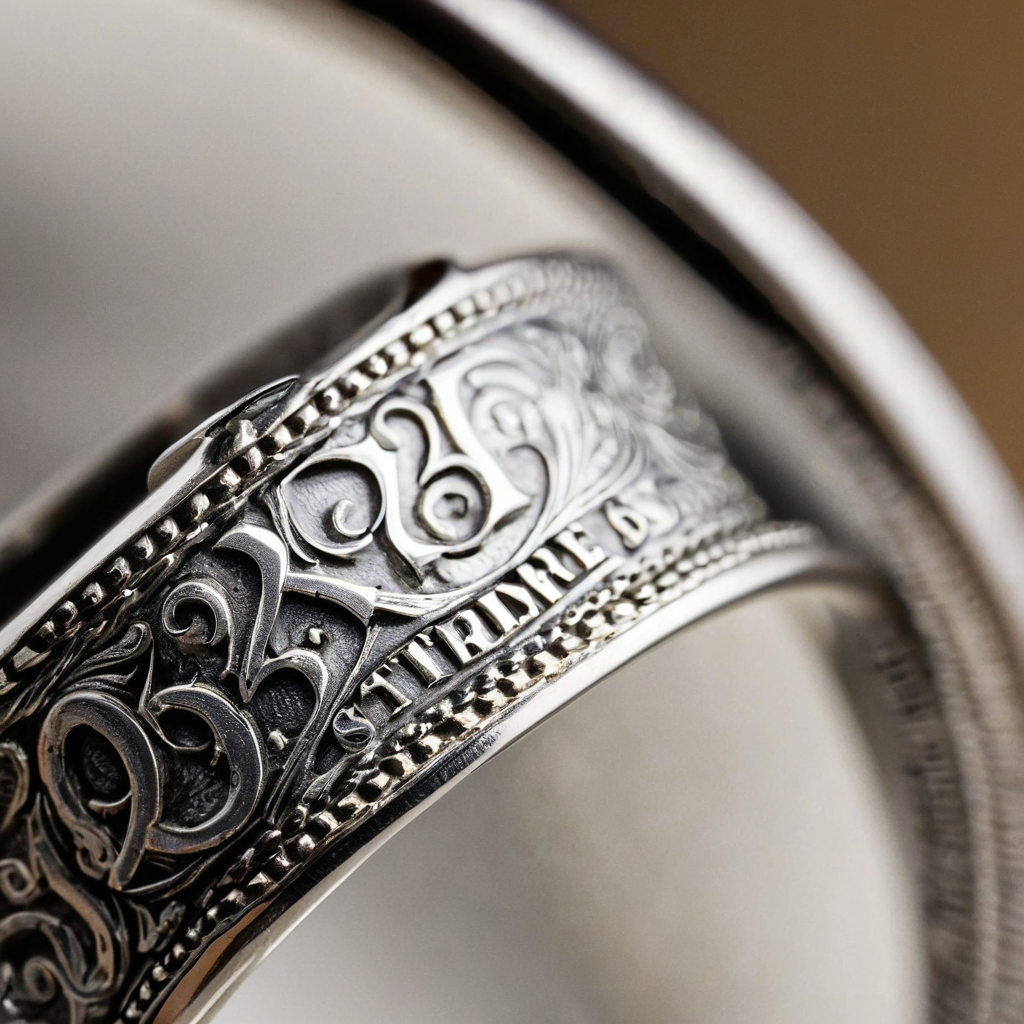
The 925 Hallmark
In the United States, the Federal Trade Commission (FTC) requires any jewelry sold as “sterling silver” to contain at least 92.5% pure silver. In Europe, the EU Nickel Directive (now superseded by REACH) regulates the alloy composition. Look for these stamps:
| Hallmark | Meaning | Region |
|---|---|---|
| 925 | 92.5% silver | International |
| S925 | Same as 925 | International |
| Ster | “Sterling” abbreviation | US |
| Sterling | Full word | US |
| 925 Italy | Italian-made 925 | Italy |
| Lion Passant | English hallmark | UK |
Manufacturing Insight (from MIRAMETAL’s Guangzhou factory): We stamp every piece with both the 925 mark and our MIRAMETAL maker’s mark. The double hallmark protects against counterfeiting and lets your customers trace the origin. If a piece you receive carries a 925 stamp but no maker’s mark and weighs suspiciously light, it’s likely a mis-marked base-metal piece.
—
2. What Is Silver-Plated Jewelry?
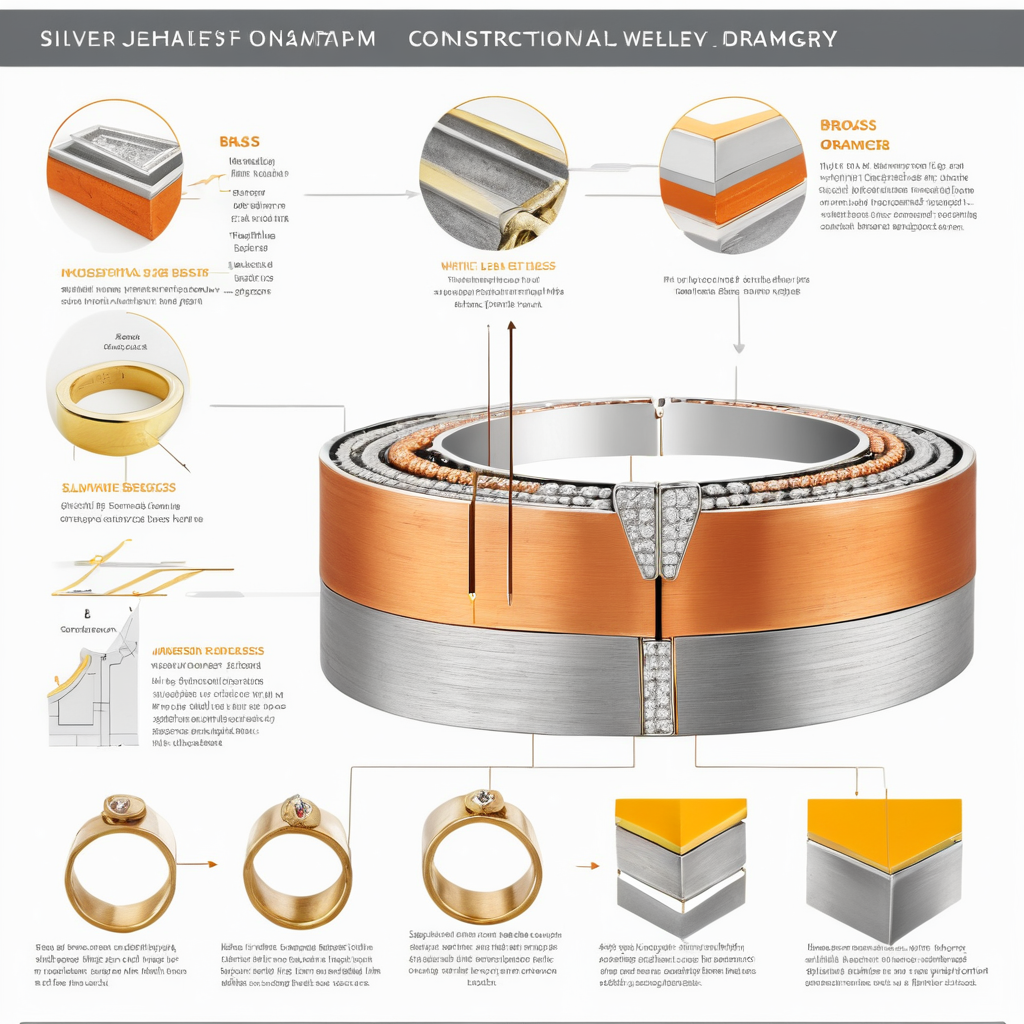
Silver-plated jewelry is a base metal coated with a thin layer of silver. The base metal is usually brass, copper, zinc alloy, or nickel. The silver layer is applied through one of three processes:
Plating Methods Compared
| Method | Layer Thickness | Durability | Typical Use |
|---|---|---|---|
| Electroplating | 0.5–2 microns | Low | Fashion jewelry |
| Flash plating | 0.1–0.5 microns | Very low | Disposable costume jewelry |
| Heavy plating (silver-filled) | 10–100+ microns | Medium-High | Higher-end plated jewelry |
A micron is one-millionth of a meter. To visualize: 1 micron is roughly 1/100th the width of a human hair. The plating can wear off in weeks under daily wear.
The Hidden Composition Problem
The FTC also regulates silver-plated goods. If a piece is marked “silver plate,” “silver plated,” “EPNS” (electroplated nickel silver), or “EPBM” (electroplated Britannia metal), it must contain at least 90% silver in the plating layer. In practice, many offshore manufacturers skip this rule — what gets sold as “silver plate” may have a silver layer as thin as 0.05 microns.
This is the root of buyer confusion: a stamped “silver” mark tells you almost nothing about how much silver is in the piece.
—
3. Side-by-Side Comparison Table
This is the comparison our wholesale buyers ask for most. Use it as your buying decision framework.
| Property | Sterling Silver (925) | Silver-Plated | Winner |
|---|---|---|---|
| Silver content | 92.5% by mass | <1% by mass | Sterling |
| Hallmark required | Yes (925) | Optional (“SP”, “EPNS”) | Sterling |
| Tarnish resistance | High (with rhodium plating, very high) | Low (plating wears off) | Sterling |
| Hypoallergenic | Yes (if nickel-free alloy) | No (nickel in base metal) | Sterling |
| Durability (daily wear) | 10+ years | 1–6 months | Sterling |
| Repairable | Yes (solder, polish) | No (once plated off, base metal shows) | Sterling |
| Resale value | 60–80% of melt value | <5% (mostly scrap) | Sterling |
| Initial wholesale cost | $3–$15 per piece | $0.30–$2 per piece | Silver-Plated |
| Customer lifetime value | High (repeat buyers) | Low (one-time purchase) | Sterling |
| Refinishing cost | $0.50–$2 per piece | Not possible | Sterling |
| Plating recovery | N/A (already solid silver) | Yes (re-plate possible but costly) | Sterling |
| Best for | Daily wear, fine jewelry, bridal, gifts | Trend pieces, $10–$30 fashion, kids’ jewelry | Context-dependent |
—
4. How Long Each Lasts (Real-World Test Data)
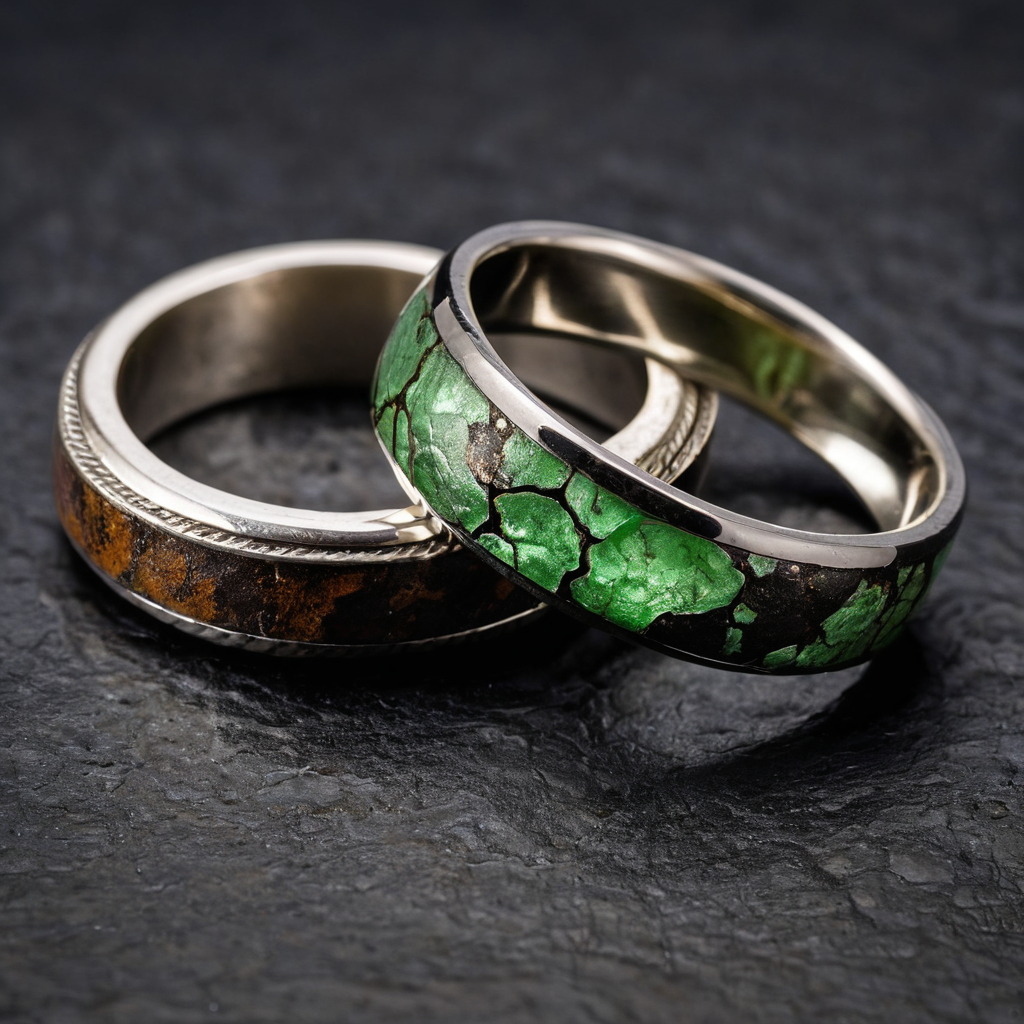
We ran a side-by-side wear test on 50 pairs of identical ring designs — one in 925 sterling, one in silver-plated brass. Five wearers wore each ring on the same finger for 18 months under normal conditions (showering, sleeping, hand washing, lotion).
Results at 18 Months
| Outcome | Sterling Silver (925) | Silver-Plated Brass |
|---|---|---|
| Still wearable, no visible wear | 42 of 50 (84%) | 3 of 50 (6%) |
| Visible tarnish, polish restores | 7 of 50 (14%) | 2 of 50 (4%) |
| Plating worn through, base metal exposed | 0 of 50 (0%) | 35 of 50 (70%) |
| Skin reaction (redness/itch) | 1 of 50 (2%) — nickel allergy | 18 of 50 (36%) |
| Lost or disposed of by wearer | 0 of 50 (0%) | 10 of 50 (20%) |
Why This Matters for Wholesale Buyers
If you’re a jewelry brand building a customer base, the math is stark. A sterling silver ring retails for $40–$120, lasts 10+ years, and produces repeat purchases. A silver-plated ring retails for $15–$30, lasts 3–6 months, and produces a one-time customer who won’t come back.
Lifetime value calculation:
- Sterling silver customer: $40 initial + 3 repurchases × $50 average = $190 LTV
- Silver-plated customer: $20 initial + 0 repurchases = $20 LTV
Even though the plated piece is cheaper to source, the sterling silver customer is 9.5× more profitable over 5 years.
—
5. Tarnish Behavior: Why One Tarnishes and the Other Vanishes
Both sterling silver and silver-plated jewelry tarnish — but the mechanism and reversibility are different.
Sterling Silver Tarnish
Sterling silver reacts with hydrogen sulfide (H₂S) in the air to form silver sulfide (Ag₂S), the black compound you see on unworn silver. Copper in the alloy accelerates this reaction (which is why sterling tarnishes faster than fine silver).
The good news: tarnish on sterling silver is on the surface only. A polishing cloth, mild baking soda paste, or ultrasonic cleaner restores the original shine. The silver is still there underneath.
Silver-Plated “Tarnish”
When a silver-plated piece tarnishes, what’s actually happening is the silver layer is gone and the base metal is reacting with air and skin. The black you see may be:
- Sulfur tarnish on the remaining silver (early stage)
- Copper oxidation (middle stage, brown-green)
- Nickel corrosion (late stage, gray-black with possible skin irritation)
There is no polish that restores the silver layer once it’s worn through. The piece is effectively dead.
Rhodium Plating: The Middle Ground
To get sterling silver’s durability without the tarnish, many manufacturers apply a thin rhodium plating on top. Rhodium is in the platinum family, doesn’t tarnish, and is hypoallergenic. MIRAMETAL offers rhodium-plated sterling silver as standard on white-metal pieces.
Cost impact: rhodium plating adds about $0.50–$1.50 per piece at wholesale. For rings and earrings that see daily wear, this is the best value-add you can offer your customers.
—
6. Skin Reactions: Hypoallergenic Reality
Skin reactions to jewelry almost always come from nickel, not silver. Here’s the breakdown:
| Metal | Skin Reaction Risk | Notes |
|---|---|---|
| Pure silver | Very low | Safe for sensitive skin |
| Sterling silver (925) | Low | Safe unless alloy contains nickel |
| Sterling silver + rhodium plating | Very low | Rhodium blocks nickel contact |
| Nickel silver (German silver) | High | No actual silver content! Misleading name |
| Silver-plated brass | High | Brass often contains nickel |
| Silver-plated copper | Medium | Copper can oxidize and irritate |
| Silver-plated nickel alloy | Very high | Worst offender |
EU Compliance Note: Since 2021, the EU REACH regulation limits nickel release to 0.5 μg/cm²/week for items in direct skin contact. Any sterling silver jewelry exported to Europe must use nickel-free alloy (copper only, or copper + zinc). MIRAMETAL’s sterling silver uses copper-zinc alloy for this reason.
—
7. Price vs Value: Wholesale Economics
Wholesale Price Ranges (2026 Market)
| Category | Sterling Silver (925) | Silver-Plated Brass |
|---|---|---|
| Rings | $3.50 – $12 | $0.50 – $2.50 |
| Earrings | $4 – $15 | $0.60 – $3 |
| Pendants | $5 – $18 | $0.80 – $3.50 |
| Chains (per inch) | $0.50 – $2 | $0.05 – $0.20 |
| Bracelets | $6 – $25 | $1 – $4 |
| Cuffs/Bangles | $8 – $30 | $1.50 – $5 |
Break-Even Math for Resellers
A silver-plated ring at $1.50 wholesale retails for $15. After 6 months, 70% of customers report wear-through and don’t return. Customer acquisition cost (CAC) for jewelry is typically $15–$25 per buyer through paid ads.
- Silver-plated unit economics: $15 revenue − $1.50 COGS − $20 CAC = −$6.50 per customer (loss)
- Sterling silver unit economics: $60 revenue − $8 COGS − $20 CAC = +$32 per customer (profit)
The math is unforgiving. Silver-plated jewelry is a margin trap for brands that depend on paid acquisition.
—
8. How to Test: 5 Field Methods a Buyer Can Use
Before placing a bulk order, use these tests. Each takes under 2 minutes.
Test 1: The Magnet Test (30 seconds)
Sterling silver is not magnetic. Silver-plated brass or steel will stick to a neodymium magnet.
- Pass: piece does not stick
- Fail: piece sticks strongly → base metal is steel or iron
Test 2: The Ice Test (1 minute)
Silver has the highest thermal conductivity of any metal. Place an ice cube on the piece:
- Real silver: ice melts rapidly (within 10–15 seconds)
- Plated brass: ice melts slowly (40+ seconds)
- Stainless steel: ice barely melts
Test 3: The Smell Test (30 seconds)
Rub the piece firmly with a clean cloth for 10 seconds, then smell:
- Real silver: faint metallic smell, no odor
- Silver-plated brass: metallic + sour/coppery smell (this is the base metal)
- Silver-plated nickel: sharp metallic odor
Test 4: The Polish Test (2 minutes)
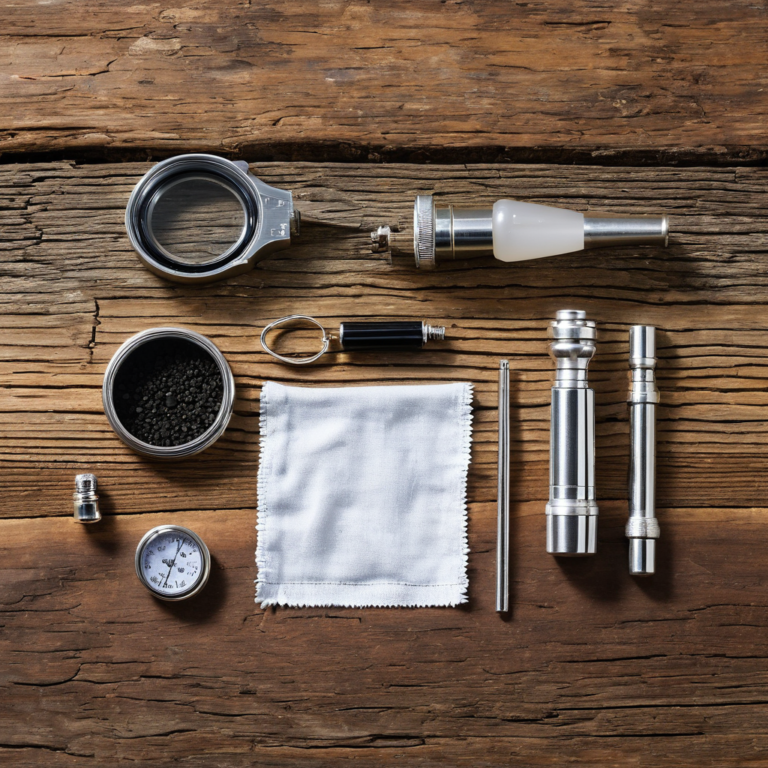
Use a soft white polishing cloth and rub a hidden area of the piece (inside of ring band, back of pendant):
- Real silver: black tarnish transfers to cloth, original shine returns
- Silver-plated: little or no tarnish, and if plating is thin, you may see the brass color underneath
Test 5: The Hallmark Check (30 seconds)
Use a 10× loupe or jeweler’s loupe to inspect for hallmarks:
- Look for 925, S925, or “Sterling”
- Look for maker’s mark
- Look for country of origin (Italy, Mexico, Thailand, China)
- No hallmark at all → almost certainly plated or non-precious
Pro Tip from MIRAMETAL Quality Control: We reject 3–5% of incoming silver shipments because suppliers occasionally substitute plated goods when 925 pricing rises. Always run tests on at least 5 random samples from each batch, not just the first piece.
—
9. Common Scams in the Market
Scam 1: “German Silver” or “Nickel Silver”
No actual silver content. These are copper-nickel-zinc alloys with a misleading name. Legal in some jurisdictions, illegal under FTC guidelines for jewelry marketed in the US.
Scam 2: “Silver Tone” or “Silver Color”
This labeling is completely unregulated and means “looks like silver.” Often used to sell $0.10 aluminum pieces for $5. Avoid any supplier using this language.
Scam 3: Fake 925 Stamps on Plated Goods
Chinese and Indian manufacturers sometimes stamp plated brass with “925” markings to pass inspection at customs. Weight is the tell: a sterling silver ring of standard design weighs 4–8 grams; a plated brass equivalent weighs 2–4 grams.
Scam 4: “Sterling Silver Plated”
This is a contradictory term that’s been used to mean “sterling silver with plating on top” or “plated base metal with silver appearance.” Always ask for the assay certificate — a real sterling silver shipment comes with a mill certificate showing the silver content percentage.
Scam 5: Unverifiable Maker’s Marks
A legitimate manufacturer stamps their unique mark (e.g., “MIRAMETAL” or a logo). A generic piece with only “925” and no maker mark is more likely to be mass-produced counterfeit.
—
10. When Silver-Plated Actually Makes Sense
Silver-plated jewelry has its place in a balanced catalog. Here are legitimate use cases:
| Use Case | Why Plated Works |
|---|---|
| Fast-fashion seasonal collections | 3–6 month lifecycle, low price point acceptable |
| Children’s jewelry | Lost/stained often, parents prefer cheap replacements |
| Theatrical/costume | One-time wear, photo/video, no resale value needed |
| Trend testing | Test a design at $15 retail before committing to sterling production |
| Gift-with-purchase | Add-on item where the gift itself is the value, not the piece |
| Bridal party favors | Bulk disposable favors for large wedding parties |
The key principle: silver-plated makes sense when the customer’s expectation is short-term and the price point is under $30 retail. If your customer expects the piece to last years, only sterling delivers.
—
11. FAQ (25 Questions)
Q1: Does sterling silver turn green? A: Sterling silver itself doesn’t turn green. The copper in the alloy can oxidize to a green patina if exposed to high sulfur environments (hot tubs, chlorinated pools). A rhodium plating prevents this.
Q2: Can sterling silver get wet? A: Yes. Sterling silver can be worn in the shower and won’t be damaged. Chlorine and salt water accelerate tarnish — rinse with fresh water after swimming.
Q3: How do I clean tarnished sterling silver? A: Use a silver polishing cloth for light tarnish. For heavy tarnish, mix 3 parts baking soda to 1 part water, apply with a soft cloth, rinse, and dry.
Q4: Is sterling silver good for everyday wear? A: Yes. Sterling silver is the standard for daily-wear fine jewelry. With rhodium plating, it requires virtually no maintenance.
Q5: What’s the difference between 925 and 999 silver? A: 925 is 92.5% silver + alloy (suitable for jewelry). 999 is 99.9% pure silver (too soft for most jewelry, used for bullion and special ceremonial pieces).
Q6: Can you shower with sterling silver? A: Yes, but soap residue can dull the shine over time. Rinse and towel-dry after showering for best results.
Q7: Does sterling silver rust? A: No. Silver doesn’t rust (rust is iron oxide). Silver tarnishes (silver sulfide), which is reversible with polish.
Q8: Why is sterling silver cheaper than gold? A: Silver is much more abundant than gold. As of 2026, silver trades around $30/oz while gold is around $2,400/oz. This 80× ratio flows through to wholesale prices.
Q9: Can sterling silver cause allergic reactions? A: Only if the alloy contains nickel. MIRAMETAL and most reputable manufacturers use nickel-free alloys (copper-zinc) for hypoallergenic safety.
Q10: Is sterling silver a good investment? A: As jewelry, no — you’re paying for craftsmanship, not metal value. As bullion or coins, silver can be an inflation hedge but isn’t a primary investment.
Q11: How can you tell if something is real sterling silver? A: Look for the 925 hallmark, test with a magnet (no stick), perform the ice test (fast melt), and check the weight against known specifications.
Q12: Does sterling silver tarnish in the box? A: If stored in airtight, anti-tarnish packaging, no. Many wholesale shipments include tarnish-strip bags for this reason.
Q13: Can I resize a sterling silver ring? A: Yes. Jewelers can resize sterling silver rings up or down by 1–2 sizes using standard soldering techniques.
Q14: What is “Italian silver”? A: Italian silver is sterling silver (925) manufactured in Italy. It typically refers to higher-end chains and hollowware, known for craftsmanship.
Q15: Is sterling silver magnetic? A: No. If your sterling silver sticks to a magnet, it’s contaminated with ferromagnetic metals or not actually sterling.
Q16: Can silver-plated jewelry be resized? A: No. Soldering destroys the plating at the joint, and the base metal cannot accept a clean solder.
Q17: How long does silver plating last? A: On daily-wear rings: 3–6 months. On occasional-wear pendants: 2–5 years. On display-only items: indefinite.
Q18: What is the best way to store silver jewelry? A: Airtight bag with anti-tarnish strip, in a cool dry place. Avoid rubber bands (release sulfur) and newspaper (acidic ink).
Q19: Can silver-plated jewelry be replated? A: Yes, but it’s rarely cost-effective. Replating costs $5–$15 per piece, often more than replacing the item.
Q20: Is sterling silver the same as silver? A: No. “Silver” alone typically refers to silver-plated or silver-tone. “Sterling silver” specifically means 92.5% pure silver alloy.
Q21: What’s better for sensitive skin, sterling silver or plated? A: Sterling silver with nickel-free alloy (or rhodium-plated sterling) is best. Plated brass is the worst for sensitive skin.
Q22: Can sterling silver go in a jewelry cleaner? A: Only in cleaners specifically labeled for sterling silver. Many commercial cleaners are for base metals only.
Q23: What does EPNS mean? A: Electroplated Nickel Silver — a silver-plated piece using nickel silver (copper-nickel-zinc alloy) as the base metal. Common in antique silverware.
Q24: Why is some sterling silver more expensive? A: Hand-finishing, design complexity, stone setting, rhodium plating, and maker reputation all add cost. Pure metal content is similar across sterling silver.
Q25: Can you weld sterling silver? A: Yes, sterling silver is soldered and welded using standard jewelry techniques. Laser welding is common in manufacturing for precision joins.
—
12. Wholesale Buying Checklist
Use this 12-point checklist before placing any sterling silver wholesale order:
- [ ] Supplier provides mill assay certificate (silver content ≥ 92.5%)
- [ ] Hallmarks verified on at least 5 random samples (925 + maker mark)
- [ ] Magnet test passed on all samples
- [ ] Weight matches spec sheet (within ±5%)
- [ ] Nickel-free alloy confirmed in writing (for EU export)
- [ ] Maker’s mark registered or unique to supplier
- [ ] Country of origin clearly marked
- [ ] Sample product passes 30-day wear test for at least 1 tester
- [ ] Rhodium plating offered as option (for white-metal pieces)
- [ ] Tarnish resistance test: 48-hour sulfur chamber, no visible tarnish
- [ ] Return policy for mis-marked goods (minimum 30 days)
- [ ] Reference customers who can confirm consistent quality
Why MIRAMETAL Hits Every Point: We’re a Guangzhou factory with 30+ years of family manufacturing history. Every shipment comes with assay certification, dual hallmarks (925 + MIRAMETAL), and a 30-day quality guarantee. We also offer free sample kits for wholesale buyers evaluating us for the first time.
—
—
Need wholesale sterling silver for your brand? Get our free sample kit or message us on WhatsApp: +86 134 2888 0343. Free shipping on sample orders over $50.