Sterling Silver vs Plated Silver: The Complete 2026 Guide | MIRAMETAL
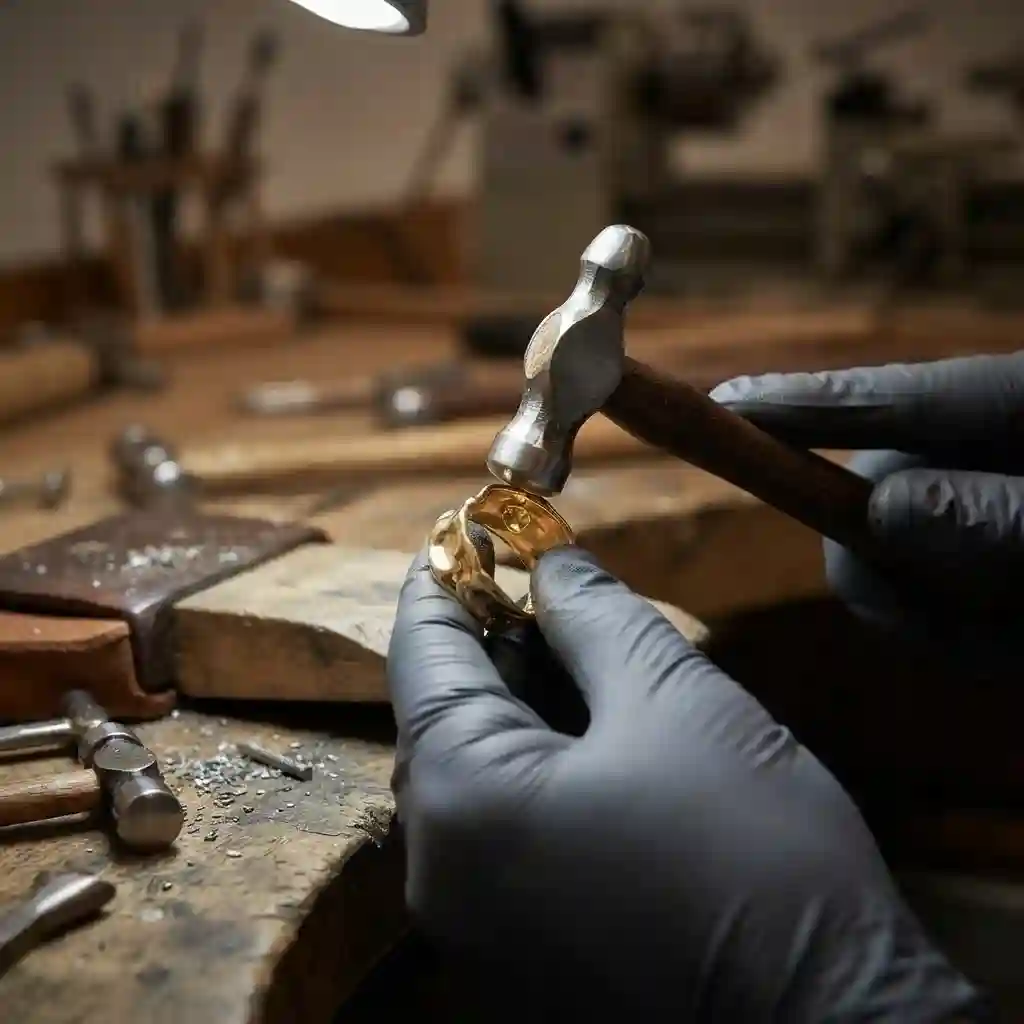
Sterling Silver vs Plated Silver: The Complete 2026 Guide
Sterling silver vs plated silver — this decision determines whether your jewelry business thrives or drowns in returns. One material lasts decades. The other lasts months. This guide gives you the exact data to make the right choice for your wholesale business.
Sterling Silver vs Plated Silver: What Is Sterling Silver?
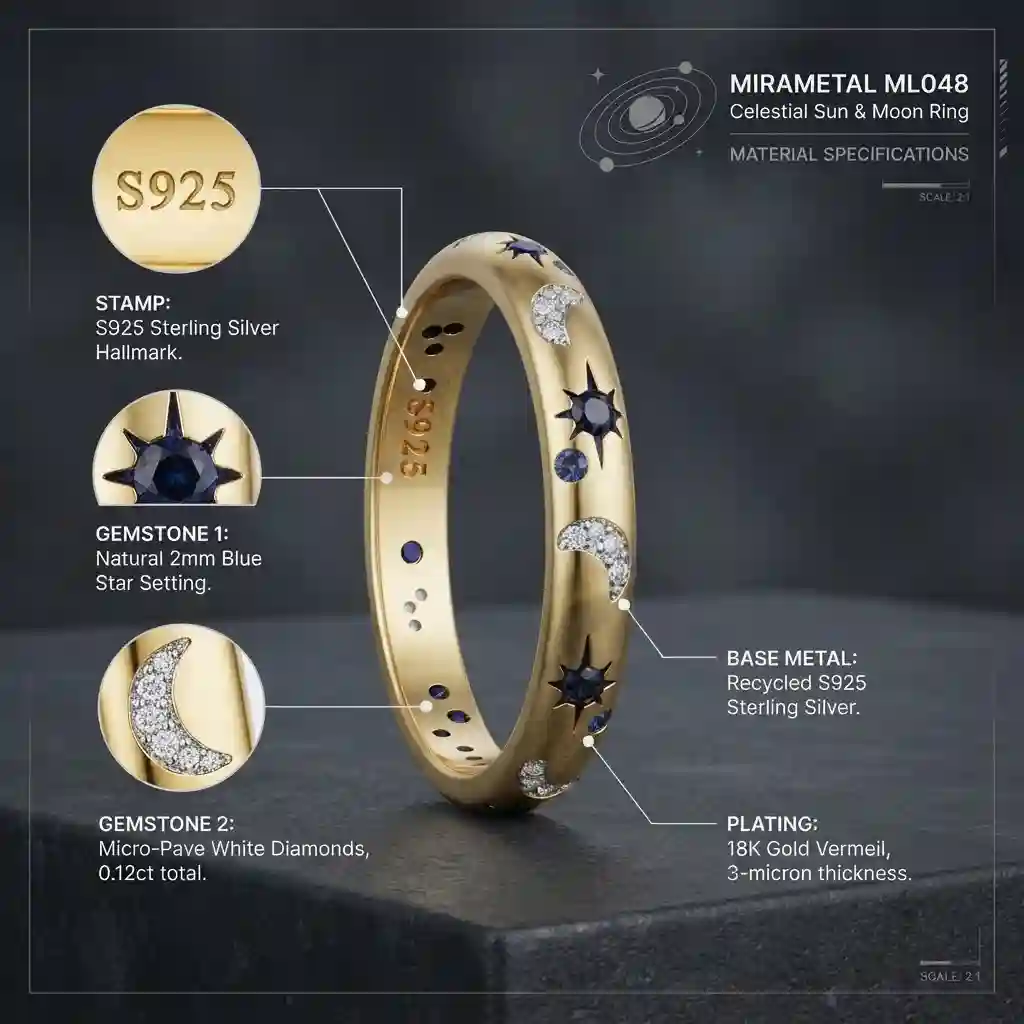
Sterling silver is 92.5% pure silver alloyed with 7.5% copper for hardness. It is hallmarked “925” or “Sterling.” For sterling silver vs plated silver, the key difference: sterling silver is solid throughout. Every layer is real silver.
Sterling Silver vs Plated Silver: What Is Silver Plating?
Silver plating deposits a thin layer of silver (0.5-2 microns) onto a base metal — typically brass, copper, or nickel. When comparing sterling silver vs plated silver, plating wears through at friction points within weeks to months. The base metal oxidizes. Skin turns green. Returns happen.
Sterling Silver vs Plated Silver: Complete Comparison
| Factor | Sterling Silver (925) | Silver Plated |
|---|---|---|
| Silver Content | 92.5% solid | 0.5-2 micron layer |
| Durability | 10+ years daily wear | 3-12 months |
| Return Rate | 2-5% | 20-40% |
| Hypoallergenic | Yes (nickel-free) | No (nickel base) |
| Re-plating | Not needed | Every 6 months |
| True Cost | Higher upfront, lower TCO | Cheaper upfront, higher TCO |
Sterling Silver vs Plated Silver: How to Tell the Difference
1. Hallmark Check
Look for “925” stamped on the piece. Plated items have no hallmark or use “GP” / “SP” designations.
2. The Magnet Test
Sterling silver is not magnetic. Plated brass often contains iron and will attract a magnet.
3. Friction Test
Rub a hidden area with a white eraser. Sterling silver shines brighter. Plated silver reveals the base metal underneath.
Sterling Silver vs Plated Silver: Factory Craftsmanship
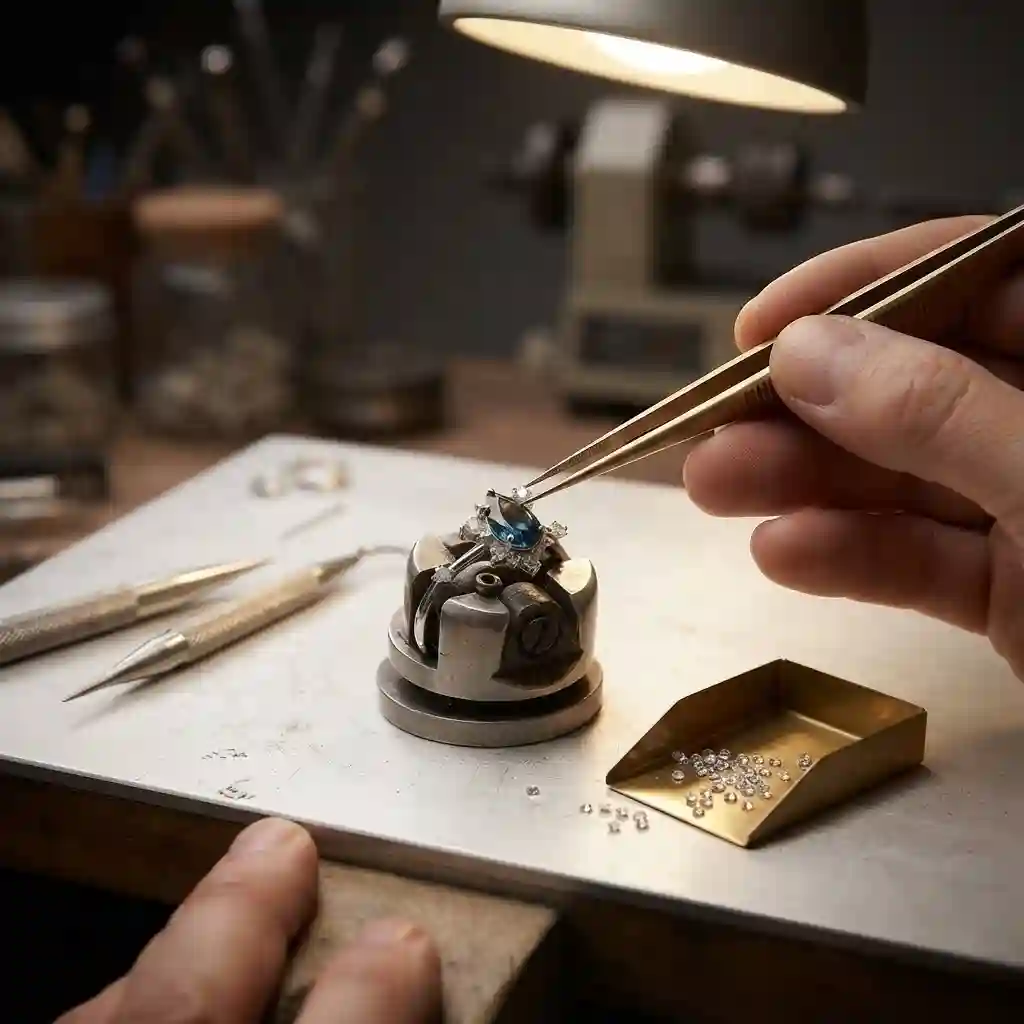
At MIRAMETAL, we manufacture only sterling silver. No plated products. No compromises. When evaluating sterling silver vs plated silver for your business, the answer is clear: stock what lasts, stock what customers return to buy again.
Sterling Silver vs Plated Silver: Care & Maintenance
| Do | Don’t |
|---|---|
| Store in anti-tarnish bags | Leave exposed to air and moisture |
| Polish with microfiber cloth | Use abrasive cleaners or toothpaste |
| Remove before swimming | Wear in chlorine or salt water |
| Clean with baking soda paste | Use commercial dips frequently |
Sterling Silver vs Plated Silver: Frequently Asked Questions
Is sterling silver worth more than plated?
Yes. Sterling silver has intrinsic metal value. Plated silver has almost no scrap value.
Can plated silver cause skin reactions?
Yes. The nickel base metal in most plated jewelry causes allergic reactions in 15-20% of wearers.
What does “silver tone” mean?
“Silver tone” means no actual silver content. It is base metal with a silver-colored coating.
Can I request all sterling silver from MIRAMETAL?
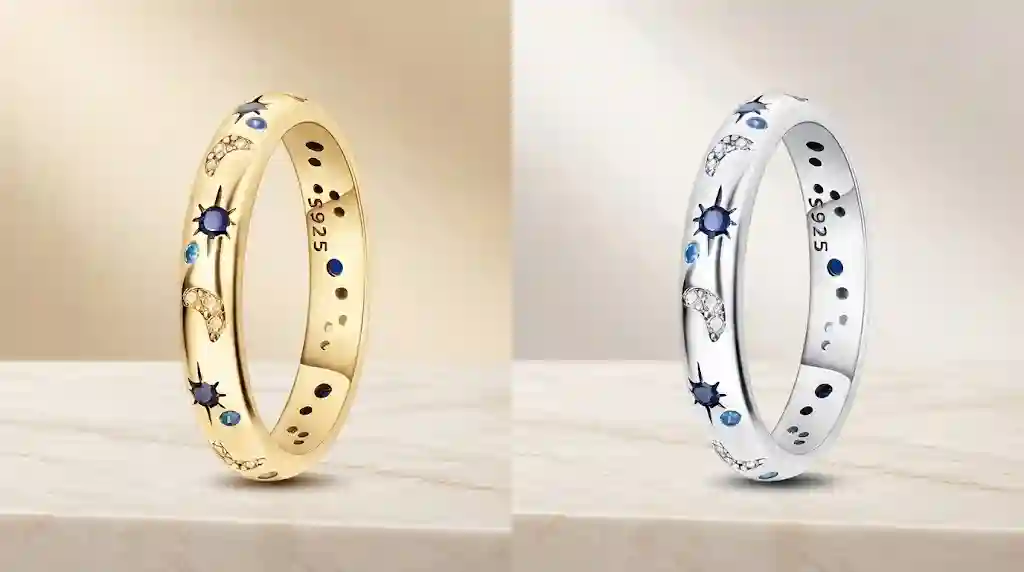
Yes. We manufacture solid 925 sterling silver as standard and can apply rhodium or 18K gold plating when a design calls for a specific finish.
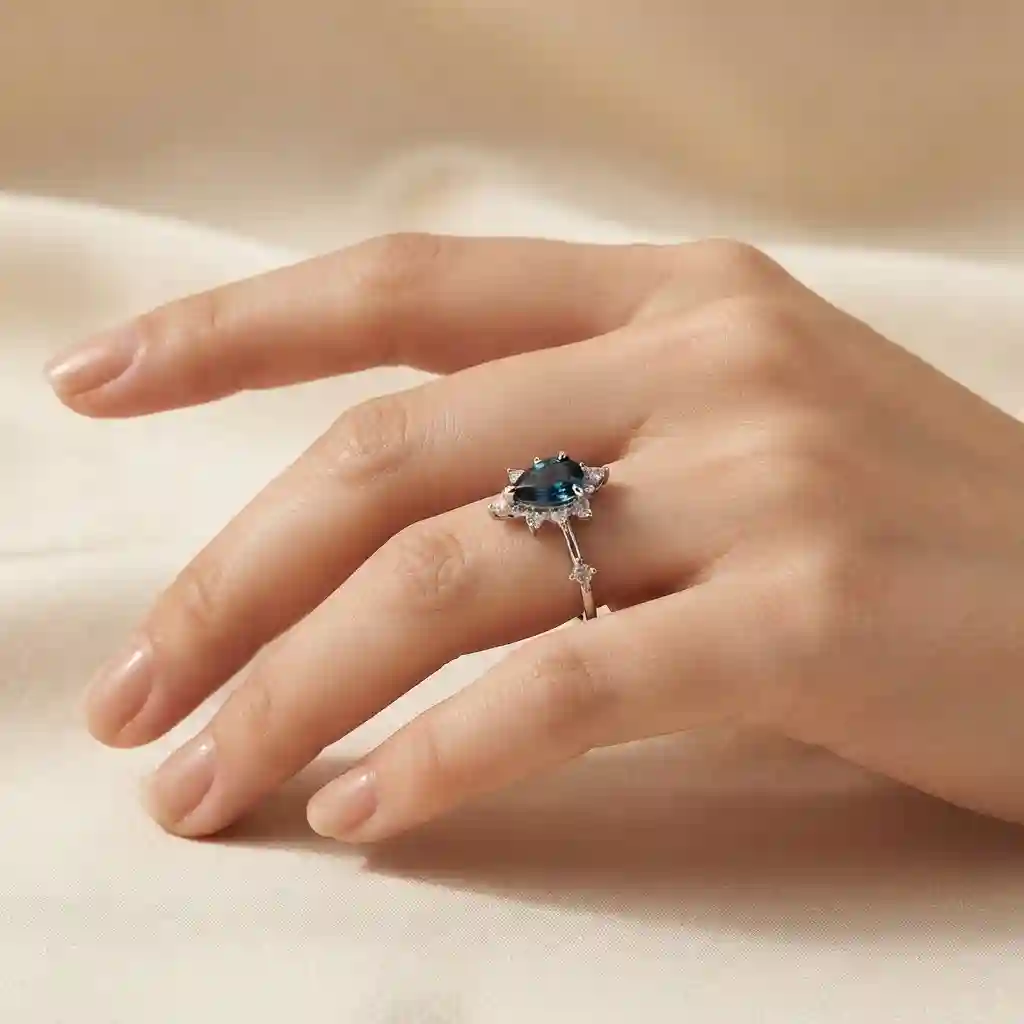
Sterling Silver vs Plated Silver: Why This Decision Matters for Your Business
When sourcing jewelry wholesale, the choice between sterling silver and silver-plated products directly impacts your return rate, customer lifetime value, and brand reputation. Industry data shows that plated jewelry returns average 20-40%, while sterling silver returns remain below 5%. For a wholesale buyer ordering 500 pieces, that difference means 100 fewer returns, 100 fewer customer service tickets, and significantly higher profit margins.
Understanding sterling silver vs plated silver is not just about material science—it is about protecting your business from the hidden costs of cheap jewelry. This guide provides the exact framework MIRAMETAL uses to evaluate every piece we manufacture.
Sterling Silver vs Plated Silver: Material Science Deep Dive
The 925 Standard Explained
925 sterling silver contains 92.5% pure silver and 7.5% copper or other alloy. This ratio has been the international standard since the 13th century because it balances purity with durability. Pure silver (99.9% fine silver) is too soft for jewelry—it bends, scratches, and loses shape within weeks of wear. The 7.5% alloy adds structural integrity without compromising the precious metal value.
How Silver Plating Works
Silver plating uses electrochemistry to deposit a thin layer of silver onto a base metal substrate. The process involves submerging the base metal (typically brass, copper, or nickel silver) in an electrolyte solution containing silver ions, then running an electric current to bond the silver layer. The resulting plating measures 0.5 to 2 microns thick—compared to solid sterling silver, which is uniform throughout the entire piece. According to electroplating standards, even the highest-quality plating wears through at friction points within 6 months of daily wear.
Price Per Wear Analysis
| Metric | Sterling Silver (925) | Silver Plated |
|---|---|---|
| Avg. Wholesale Cost | $8-$25 | $1-$5 |
| Lifespan (Daily Wear) | 10-20 years | 3-12 months |
| Cost Per Year | $0.80-$2.50 | $1.00-$5.00 |
| Customer Retention Rate | 85-92% | 40-55% |
| Resale/Trade-In Value | Yes (melt value) | Zero |
The cost-per-wear analysis reveals the truth behind sterling silver vs plated silver: sterling silver is actually cheaper over time because it lasts 10-20x longer and commands higher customer loyalty.
Sterling Silver vs Plated Silver: 5 Professional Identification Methods
Beyond the three basic tests covered above, professional buyers use these additional methods to verify sterling silver vs plated silver:
4. The Weight Test
Sterling silver is significantly denser than plated base metals. A sterling silver ring weighs approximately 30-40% heavier than its plated brass equivalent. Professional buyers carry precision scales and compare against known weight specifications.
5. The XRF Analyzer Test
X-ray fluorescence (XRF) analyzers provide instant, non-destructive metal composition analysis. At MIRAMETAL, every incoming material batch undergoes XRF testing to verify 92.5% silver content. The same technology is used by GIA and major assay offices worldwide.
Sterling Silver vs Plated Silver: Industry Standards and Regulations
International hallmarking conventions require that sterling silver jewelry be stamped with a quality mark indicating silver content. In the United States, the FTC requires “925” or “Sterling” stamps on items marketed as sterling silver. The European Union enforces similar standards under the Hallmarking Act. Plated items must be marked “GP” (gold plated), “SP” (silver plated), or “EP” (electroplated) to prevent consumer deception.
For wholesale buyers, verifying these markings is essential. Request material test reports from suppliers and conduct random sampling with your own testing protocol. MIRAMETAL provides full material certification with every order.
Sterling Silver vs Plated Silver: Wholesale Buying Guide
When sourcing sterling silver vs plated silver for wholesale, follow this checklist to protect your investment:
- Request material certificates — Every legitimate supplier provides XRF analysis or assay certificates
- Order samples first — Test with the hallmark, magnet, and weight methods described above
- Check return policies — Reputable factories offer return guarantees for material authenticity
- Verify manufacturing location — Established jewelry manufacturing hubs include Guangzhou, Bangkok, and Jaipur
- Ask about plating thickness — If you must stock plated items, require minimum 2-micron plating for acceptable durability
At MIRAMETAL, we manufacture only solid 925 sterling silver. Our wholesale program starts with a 1-piece sample; bulk pricing from 50 pieces with 3-7 day sampling, factory-direct pricing, and full material certification included.
Sterling Silver vs Plated Silver: Price Per Wear Analysis
When evaluating sterling silver versus plated silver for wholesale, the upfront cost tells only half the story. A plated ring might cost $1.50 at wholesale while its sterling silver equivalent costs $8. But over a 2-year period of daily wear, the plated piece requires 4-6 replacements as the base metal shows through. The true cost of plated silver often exceeds sterling silver by 30-60% when replacement and return costs are factored in. For a wholesale buyer ordering 500 units, this difference translates to $1,500-$3,000 in additional hidden costs that erode profit margins.
| Metric | Sterling Silver (925) | Silver Plated |
|---|---|---|
| Avg. Wholesale Cost | $8 – $25 | $1 – $5 |
| Lifespan (Daily Wear) | 10 – 20 years | 3 – 12 months |
| Cost Per Year | $0.80 – $2.50 | $1.00 – $5.00 |
| Customer Retention Rate | 85 – 92% | 40 – 55% |
| Resale/Trade-In Value | Yes (melt value) | Zero |
| Return Rate | 3 – 5% | 20 – 40% |
The cost-per-wear analysis reveals why professional buyers consistently choose solid sterling silver over plated alternatives. The higher upfront investment pays dividends through customer loyalty, repeat purchases, and minimal return processing.
Sterling Silver vs Plated Silver: 5 Professional Identification Methods
Beyond basic at-home tests, professional wholesale buyers use these verified methods to confirm material authenticity before placing orders:
1. The Hallmark Inspection
Authentic sterling silver carries a “925” or “Sterling” stamp required by law in most jurisdictions. Use a jeweler loupe (10x magnification) to inspect clasps, inner bands, and chain links. Plated items may carry misleading stamps like “925-style” or “Silver Tone” — these deliberately ambiguous markings signal plated construction. Genuine hallmarks are crisp, deeply stamped, and located at stress points where they would be costly to fake.
2. The Magnet Test
Silver is diamagnetic — it will not attract a magnet. Hold a strong neodymium magnet (N52 grade recommended) near the item. If the magnet pulls, the base metal contains iron, nickel, or steel — clear evidence of plated construction. This test is instant, non-destructive, and 100% reliable for detecting ferrous base metals.
3. The Weight Comparison
Sterling silver has a density of 10.36 g/cm3. Plated brass averages 8.4 g/cm3, while plated copper-nickel runs 8.9 g/cm3. A sterling silver ring feels noticeably heavier than its plated equivalent. Professional buyers carry digital precision scales (0.01g resolution) and compare against known weight specifications. A discrepancy of more than 15% from expected weight indicates plated construction.
4. The Acid Spot Test
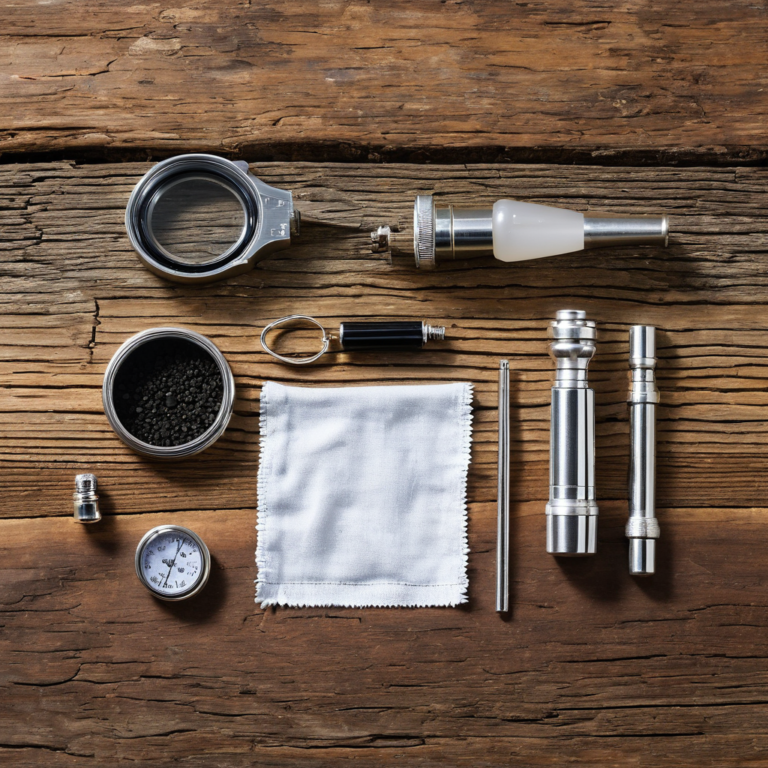
Nitric acid applied to a small inconspicuous scratch reveals metal composition. Sterling silver produces a creamy white reaction. Plated items show bright green (copper base) or gray (nickel base) as the acid penetrates through the thin silver layer. This test requires proper safety equipment — nitrile gloves, eye protection, and adequate ventilation. Many wholesale buyers use testing kits designed specifically for silver verification.
5. The XRF Analyzer (Gold Standard)
X-ray fluorescence provides instant, non-destructive composition analysis accurate to 0.01%. At MIRAMETAL, every incoming material batch undergoes XRF testing to verify 92.5% silver content before production begins. The same technology is used by GIA and major assay offices worldwide. Portable XRF analyzers cost $15,000-$30,000 and represent the gold standard for wholesale verification.
Sterling Silver vs Plated Silver: Industry Standards and Regulations
International hallmarking conventions require sterling silver to be stamped with quality marks indicating silver content. In the United States, the FTC mandates “925” or “Sterling” stamps on items marketed as sterling silver under 16 CFR Part 23. The European Union enforces similar standards under Council Directive 94/27/EC. Plated items must be marked “SP” (silver plated), “EPNS” (electroplated nickel silver), or “EP” (electroplated) to prevent consumer deception. Violations can result in fines, product seizure, and import bans. For wholesale buyers, verifying these markings protects your business from hallmark fraud and ensures compliance with destination market regulations.
Sterling Silver vs Plated Silver: Environmental and Health Considerations
The base metals in plated jewelry often include nickel, cadmium, and lead — substances regulated or banned in the European Union under REACH and in California under Proposition 65. When plating wears through, these metals contact skin and can cause allergic reactions, contact dermatitis, and long-term health concerns. Sterling silver, by contrast, is hypoallergenic and safe for sensitive skin. For wholesale buyers targeting the US and EU markets, choosing plated jewelry with unknown base metals creates significant liability exposure. A single nickel-allergy complaint can trigger a product recall costing tens of thousands of dollars.
Sterling Silver vs Plated Silver: Wholesale Buying Checklist
Before placing your next wholesale order, verify each point on this checklist to protect your investment and your customers:
- Material certificates — Request XRF analysis or assay certificates from every supplier. Legitimate factories provide these without hesitation.
- Sample testing — Order samples first and apply the hallmark, magnet, and weight tests described above.
- Return policy — Reputable factories offer return guarantees for material authenticity failures.
- Manufacturing location — Established jewelry manufacturing hubs include Guangzhou (China), Bangkok (Thailand), and Jaipur (India).
- Plating thickness specification — If stocking plated items, require minimum 2-micron plating for acceptable durability.
- MOQ flexibility — Start with small test orders (50-100 pieces) before committing to large quantities.
- Third-party inspection — For orders exceeding $5,000, consider hiring SGS or Bureau Veritas for pre-shipment inspection.
At MIRAMETAL, we manufacture only solid 925 sterling silver with full material certification. Our wholesale program starts with a 1-piece sample; bulk pricing from 50 pieces with 3-7 day sampling, factory-direct pricing, and XRF certificates included with every order.
Wholesale Sterling Silver vs Plated Silver: Source Direct from MIRAMETAL
MIRAMETAL manufactures solid 925 sterling silver and can apply rhodium or 18K gold plating when your collection requires a specific finish. Start with a 1-piece sample; bulk pricing is available from 50 pieces.