MIRAMETAL JEWELRY
2026 Jewelry Trends: What Wholesale Buyers Should Stock for Valentine and Beyond
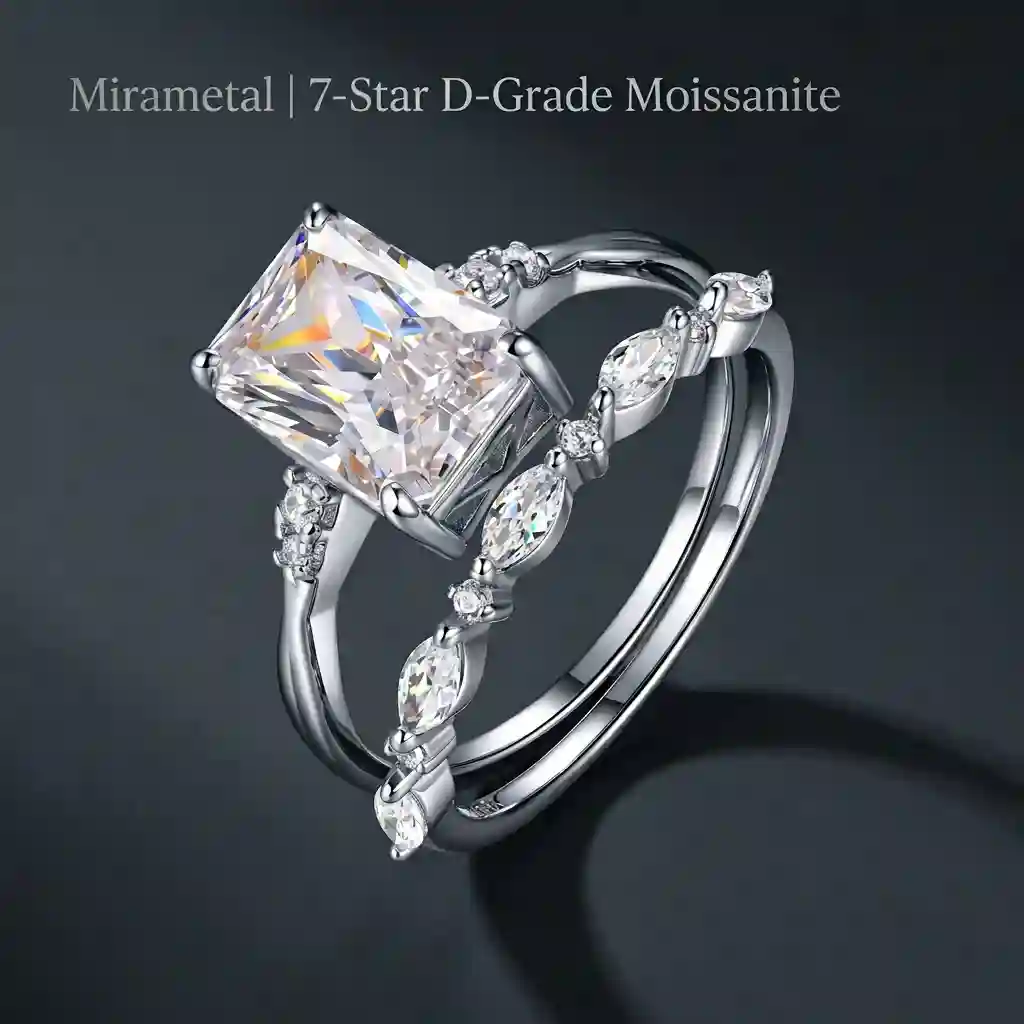
Consumer articles say self-gifting is trending and sterling silver is hot.
They do not tell you how to stock for this trend as a wholesale buyer.
This guide covers the wholesale perspective they skip.
The top consumer articles about Valentine jewelry in 2026 all focus on one message. Women are buying jewelry for themselves. Self-gifting is replacing the old idea of waiting for someone else to give you jewelry. Sterling silver is the metal of choice because it is durable, hypoallergenic, and holds its value. These articles are well written for end consumers but they leave out everything a wholesale buyer actually needs to know. When should you order Valentine inventory? How do you balance stock between gift buyers and self-gifters? How do you ensure your sterling silver is genuine 925 instead of plated fashion metal? How does the self-gifting trend affect your marketing approach? This guide answers those questions from a wholesale perspective.
Check our 925 silver standards to understand the quality your wholesale customers expect.
1. Order Timing for Valentine Day Inventory
Consumer articles tell you what to buy. They never say when to buy it for wholesale. Valentine Day is February 14 every year. If you wait until January to place orders with your Chinese factory, you will miss the selling window entirely. Chinese factories shut down for 2 to 4 weeks during Chinese New Year, which falls in late January to early February in 2026. Workers travel home to their families nationwide. Production stops completely. Your order needs to be placed, produced, shipped, and sitting in your inventory before the shutdown begins.
Here is the timeline based on years of sourcing seasonal inventory from Guangzhou. Place your Valentine orders by early November. This gives factories 4 to 6 weeks of normal production time before the holiday shutdown. Production completes by mid December. Ship by air freight from Guangzhou, which takes 5 to 7 days. Your inventory arrives by late December. You have all of January to market and sell your Valentine collection. If you plan to use sea freight to save on logistics, order by early October. Sea freight takes 25 to 35 days and your inventory needs to arrive before the shutdown. Many wholesale buyers miss this timing every year. They order too late, the factory cannot finish before the holiday, and they end up paying for expedited shipping or missing the season entirely. Plan your Valentine orders 4 to 5 months ahead of the holiday.

2. Real Sterling Silver vs Fashion Jewelry for Self-Gifting
Consumer articles correctly point out that women choosing self-gifts want quality that lasts. Sterling silver fits this perfectly. It is durable, hypoallergenic, and does not peel or discolor like plated metals. But from a wholesale perspective, you need to understand the real difference between 925 sterling silver and silver plated fashion jewelry. Real silver costs more at wholesale than plated alternatives. The quality difference is obvious to customers. Plated jewelry tarnishes quickly. The plating wears off over time. Real 925 silver maintains its appearance for years with basic care. Customers buying for themselves notice these differences. They are spending their own money and they want value. They will pay for real silver because they know it lasts. They have probably bought cheap plated jewelry before and been disappointed when it turned their skin green or the finish wore off.
For the self-gifting Valentine trend, stock genuine 925 silver. The higher wholesale cost is offset by higher customer satisfaction, fewer returns, and stronger repeat business. Self-gift customers are more quality conscious than gift recipients. They know what they want and they notice quality differences immediately. Ensure your silver is genuine 925 by checking hallmarks on every piece from your supplier. The hallmark must be deep and clear, not shallow or blurry appearing. Test random pieces from each shipment with a magnet. Real 925 silver is never magnetic. If a piece sticks to a magnet, it contains ferrous metals and is not genuine silver. Our wholesale collection uses only genuine 925 sterling silver.
3. The Sensitive Skin Opportunity
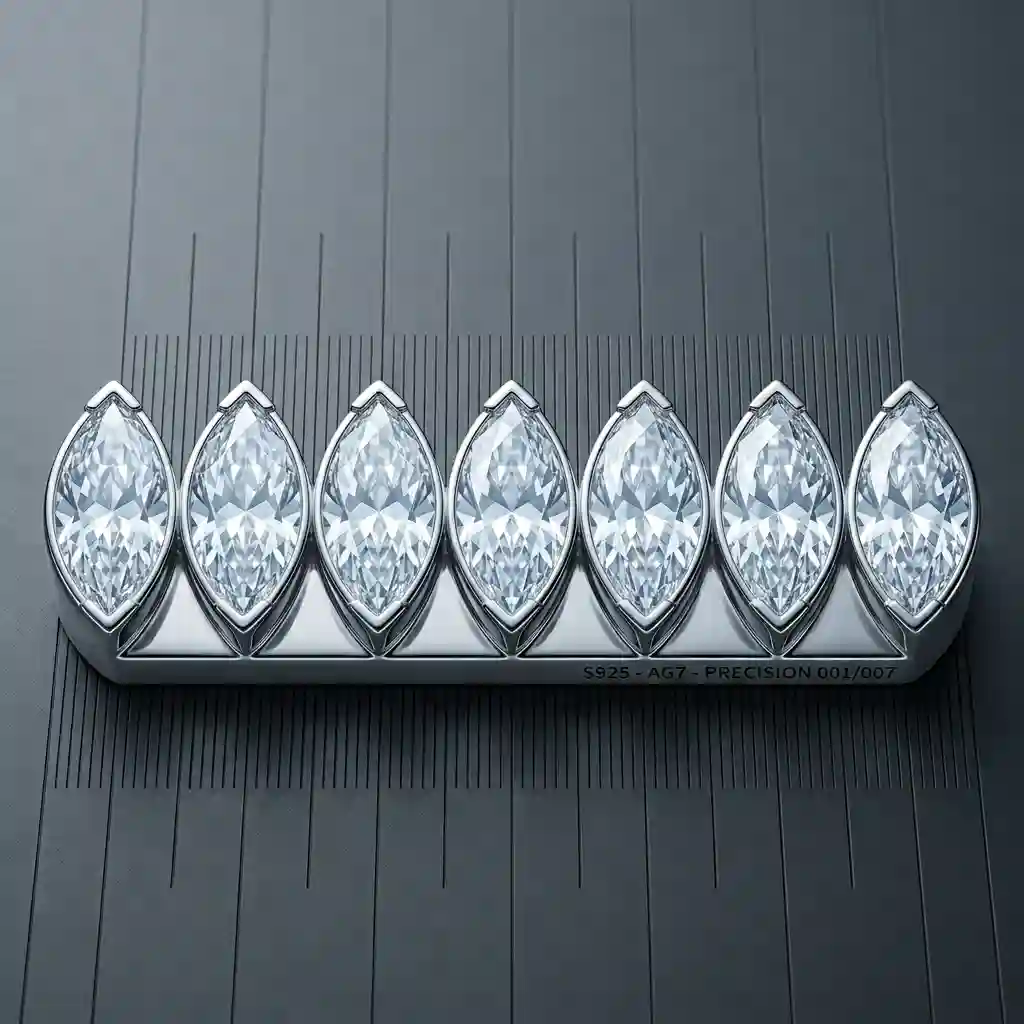
Several consumer articles highlight sterling silver as ideal for sensitive skin. They mention nickel-free and hypoallergenic as selling points. This is a real opportunity that many wholesale buyers overlook. Many women avoid buying jewelry altogether because they have had allergic reactions to cheap metals. They stick to the same few pieces they know are safe. When they discover that 925 sterling silver is naturally hypoallergenic and will not irritate their skin, they become enthusiastic buyers. The consumer articles mention this but do not explain from a wholesale perspective how to capitalize on it.
To capitalize on the sensitive skin angle, you need to confirm that your supplier uses nickel-free alloys in their 925 silver production. Ask your factory specifically about the alloy composition. The 7.5 percent non-silver content in 925 should be copper, not nickel. Some factories use nickel as a cheaper substitute. Nickel causes allergic reactions. Copper does not. Once you confirm nickel-free production, you can confidently market your sterling silver as safe for sensitive skin. This is a powerful differentiator from the fashion jewelry that causes reactions. Feature the hypoallergenic benefit in your product descriptions and on your packaging. Customers with sensitive skin will actively seek out your products once they know about this benefit.
4. Which Products to Stock for Self-Gifting
The consumer articles recommend statement rings, tennis necklaces, and modern heart designs. These are solid suggestions for end consumers. For wholesale buyers, you need to know how much to buy of each category and which styles to prioritize. Based on factory sales data, the top self-gift categories for Valentine 2026 are stud earrings, simple pendant necklaces, and stacking rings. These three categories account for the majority of self-gift purchases. Women buying for themselves choose versatile pieces they can wear daily with any outfit. They avoid overly themed or seasonal designs that they can only wear during February. Heart motifs do sell but keep them subtle. Modern minimalist heart pendants outsell traditional romantic heart designs by a wide margin. Customers want heart jewelry they can wear all year, not just for one holiday.
Statement rings are a growing category but order them in smaller quantities to test demand first. Tennis necklaces and layered chains sell at higher average order values so allocate appropriate inventory. The most popular items for self-gifting are stud earrings and simple bands because they work for every occasion. Pendants and rings make up the next tier of demand. For your inventory allocation, focus the majority of your Valentine budget on earrings and necklaces as your primary categories. Rings are your secondary category. Bracelets and anklets are your tertiary category. This allocation matches the actual demand pattern for self-gifting jewelry rather than traditional gift giving jewelry.
An important detail about heart motifs specifically. The consumer articles mention heart designs as a Valentine staple and they are right to do so. However the type of heart design matters significantly. Large traditional heart pendants in red or pink do not sell well for self-gifting. They feel too romantic and seasonal. Customers buying for themselves prefer subtle heart motifs. Tiny heart charms on delicate chains. Open heart shapes that are modern and minimal. Heart designs in neutral metals like silver rather than rose or yellow gold. These subtle designs work for Valentine season but also for year round wear. If you are ordering heart motifs for wholesale, choose modern minimal designs over traditional romantic ones. Traditional hearts sell better for gift buyers. Modern hearts sell better for self-gifters. Stock both types if you serve both customer segments.
5. Packaging That Serves Both Customer Types
Consumer articles talk about the self-gifting trend. They never discuss the packaging implications for wholesale buyers. Customers buying for themselves have very different packaging expectations than customers buying gifts for someone else. Self-gifters want the jewelry to look good but they do not need elaborate gift presentation. They are going to take the piece out and wear it immediately. Gift-givers want packaging that makes the present feel special and shows they put thought into it.
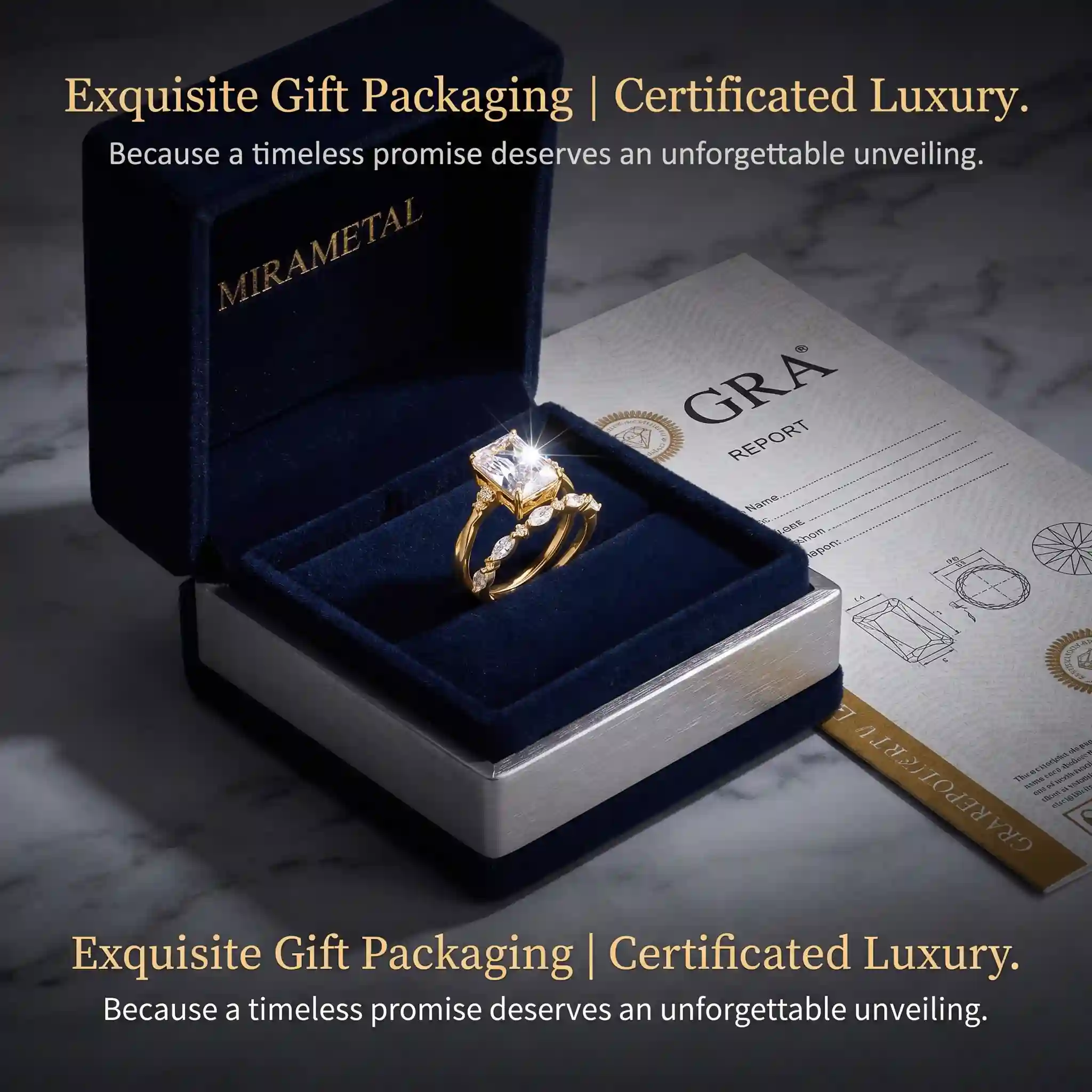
For wholesale buyers, offer both options. Provide simple protective packaging as the standard. A jewelry pouch or simple box is sufficient for self-gifters. Offer upgraded gift packaging as an optional add on. A branded gift box with a ribbon is perfect for gift buyers. Charge a small premium at retail for this upgrade. This gives you an extra revenue stream while serving both customer types effectively. Many wholesale buyers miss this because they assume all Valentine customers want fancy packaging. They do not. Ask your Guangzhou factory about packaging options. Most offer basic and premium packaging at different cost levels. Choose whichever packaging fits your brand positioning and customer expectations.
6. Marketing to Self-Gifters vs Gift Buyers
Consumer articles say self-gifting is trending. They do not tell you how to market to this customer. The self-gifter is motivated by personal milestones, career achievements, or simply the desire to celebrate themselves. They want messages about quality, durability, and self worth. They are not interested in romantic language. Gift buyers want romance, surprise, and thoughtfulness. These two customer types respond to completely different messaging. If you try to reach both with the same campaign you will reach neither effectively.
Create separate marketing campaigns. One for gift buyers using romantic language and gift guides. Another for self-gifters using empowerment language and messages about treating yourself and celebrating your own accomplishments. A third campaign focused on sensitive skin and hypoallergenic benefits can capture the health conscious buyer who chooses sterling silver specifically because it will not irritate their skin. For the self-gifter campaign, emphasize that the customer deserves quality. They have earned the right to treat themselves. The piece they choose should be something that lasts, not a trendy item that will go out of style next season. For the gift buyer campaign, emphasize romance and thoughtfulness. These two approaches are completely different and trying to combine them into one campaign will confuse both customer types. The self-gifting trend is not a passing fad. Search volumes for self-love gifts and buying jewelry for myself continue to grow year over year. Wholesale buyers who stock for this customer and market to them correctly will capture a growing segment of the jewelry market.
An important final note about how the trend affects wholesale buying going forward. The self-gifting trend changes more than just Valentine season. It means that year round demand for quality jewelry is growing. Customers who discover the joy of buying jewelry for themselves will continue to do so for other occasions like birthdays, promotions, and simply because they want to. This is good news for wholesale buyers because it reduces the seasonal spike and valley pattern of traditional jewelry sales. If you build your inventory and marketing around the self-gifting customer, you will see more consistent demand throughout the year rather than just peaks during Valentine and Christmas. The GIA jewelry care guide is a resource you can share with your wholesale buyers. Contact our team for wholesale pricing on 925 sterling silver suitable for Valentine season and year round self-gifting.
Ready to Stock for Valentine Season?
925 sterling silver jewelry. Factory direct from Guangzhou.
