How to Clean Sterling Silver at Home: 5 Safe Methods That Actually Work (2026)
Step-by-step guide to cleaning tarnished sterling silver at home using everyday items. Covers mild, deep, and preventive cleaning, plus what NOT to do that ruins jewelry. This guide covers how to clean sterling silver, with straight answers from a factory that has manufactured them since 1990.
Quick answer: the safest way to clean sterling silver — How To Clean Sterling Silver
For light tarnish, use warm water with a drop of mild dish soap and a soft cloth, then dry thoroughly. For heavy tarnish, use the baking soda and aluminium foil method. Avoid toothpaste, undiluted bleach and ultrasonic cleaners on plated or stone-set pieces. This guide covers how to clean sterling silver in practical detail — specifications, pricing and buying checks.
We make 925 sterling silver in Guangzhou and we clean a lot of it in-house before it ships. The methods below are the ones we actually use, ordered from safest to strongest, with the ones that damage silver called out separately.
Why does sterling silver tarnish (and is it bad?)
Sterling silver is 92.5% pure silver + 7.5% copper. The copper reacts with sulfur compounds in air, sweat, perfumes, and humidity to form silver sulfide (the black tarnish you see). Tarnish is normal, harmless, and fully reversible – it doesn’t mean your silver is fake or ruined. In fact, the ability to tarnish is one sign that you have real sterling silver. (Gold and platinum don’t tarnish this way.)
Tarnish happens faster in humid environments, after contact with lotions/perfumes/chlorine, and during summer when you sweat more. The good news: cleaning tarnished silver is one of the easiest jewelry care tasks, and you only need household items.
Method 1: Mild soap + warm water (for light tarnish)
Best for: routine cleaning, light tarnish, jewelry with delicate stones.
Steps:
- Mix a few drops of mild dish soap (Dawn works) in warm (not hot) water
- Soak the silver for 5-10 minutes
- Gently rub with a soft cloth or soft-bristled toothbrush
- Rinse under clean warm water
- Dry thoroughly with a soft microfiber cloth
Time: 10 minutes
Frequency: weekly for jewelry you wear daily
Don’t use this method on soft porous stones (pearl, opal, turquoise, lapis lazuli) – instead, just wipe the silver parts and avoid soaking.
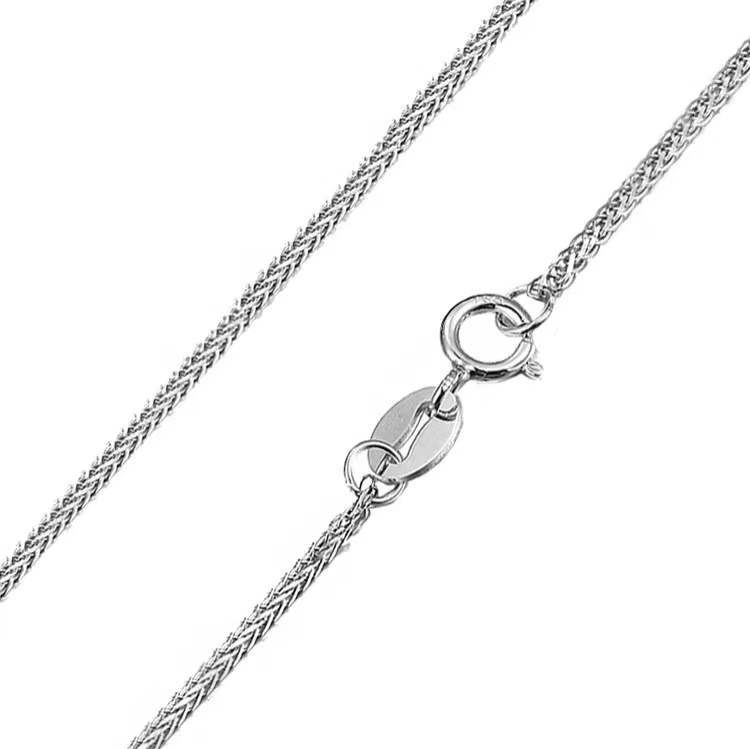 Chains trap soap residue between the links. Rinse under running water and dry flat before storing.
Method 2: Baking soda + aluminum foil (for heavy tarnish)
Best for: heavily tarnished silver, chains with intricate links, items you can fully submerge.
Steps:
- Line a glass or ceramic bowl with aluminum foil, shiny side up
- Add 1 tablespoon baking soda per cup of very hot water
- Submerge the silver so it touches the foil
- Wait 5-10 minutes (you’ll see tarnish transfer to the foil)
- Rinse with clean water, dry with microfiber
Why it works: this is an electrochemical reduction reaction. The aluminum attracts the sulfur off the silver, leaving both silver and foil clean.
Time: 15 minutes
Don’t use on: silver with lacquer/antiquing finish (you’ll strip the intentional dark patina), or with soft gemstones.
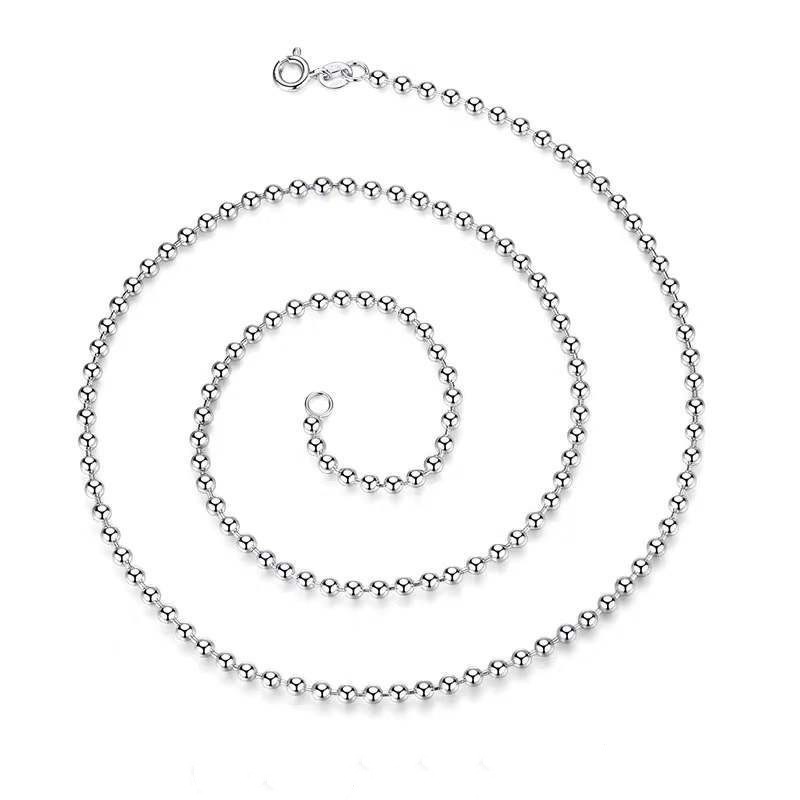 Bead chains respond well to the foil method because the solution reaches every surface. Rinse and dry immediately after.
Method 3: White vinegar + baking soda (for stubborn tarnish)
Best for: very stubborn tarnish that method 2 didn’t fully remove.
Steps:
- Mix 1/2 cup white vinegar with 2 tablespoons baking soda in a bowl
- Submerge silver for 2-3 hours (or overnight for extreme cases)
- Rinse thoroughly, dry with microfiber
Note: the solution will fizz. This is normal.
Don’t use on: antiqued/oxidized silver pieces (you’ll remove the intentional dark detailing), pearls, or porous stones.
Method 4: Silver polishing cloth (for jewelry with stones or detail)
Best for: jewelry you can’t soak (with pearls, soft stones, glued-in parts), quick touch-ups.
Steps:
- Use a treated silver polishing cloth (we recommend Sunshine Polishing Cloth)
- Rub gently in straight lines, not circles (circles can highlight micro-scratches)
- Turn the cloth as it picks up tarnish
Time: 5 minutes
Tip: keep one in your jewelry box for weekly maintenance. A good cloth lasts 30-50 uses.
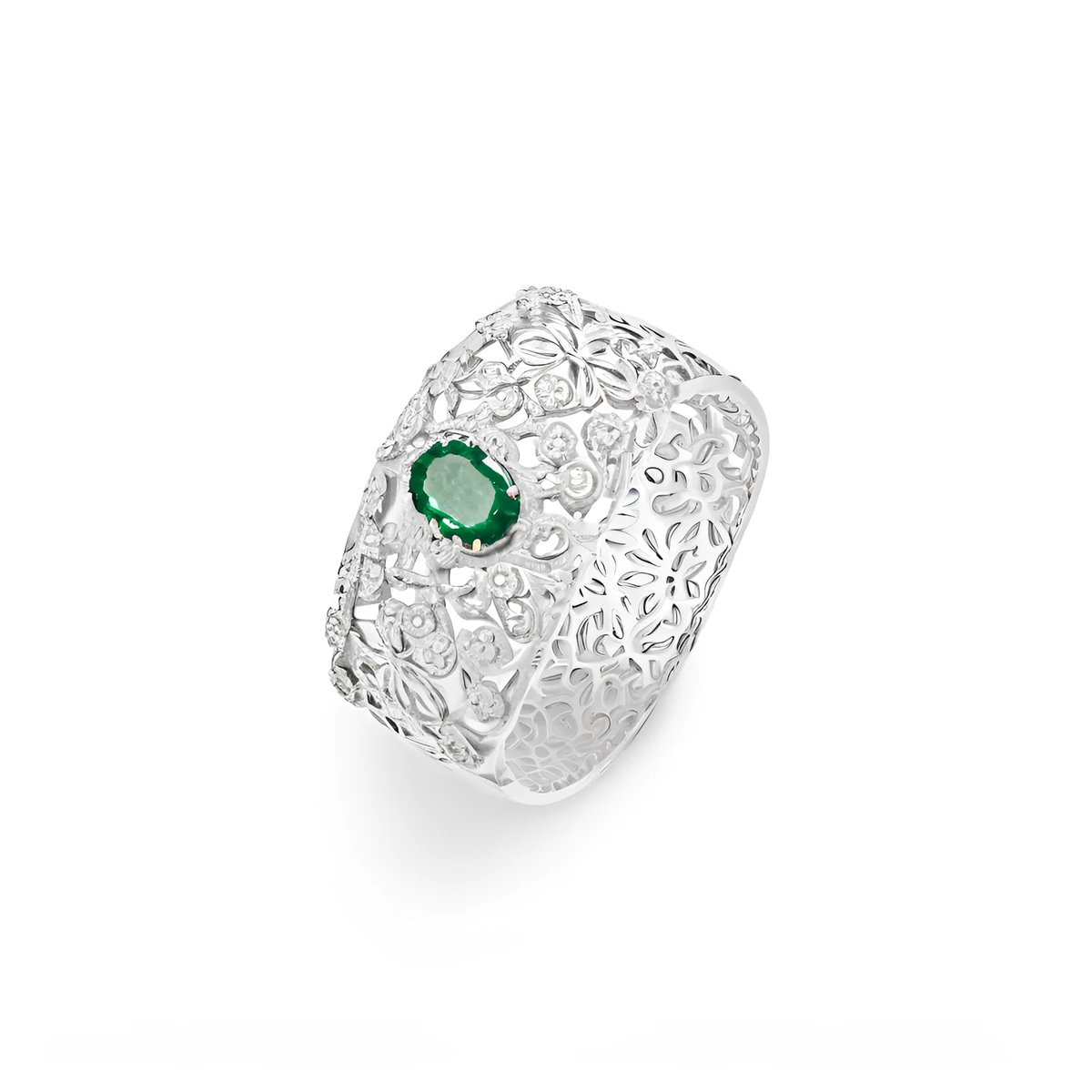 Stone-set and detailed pieces: use a polishing cloth rather than a dip. Liquid dips can cloud the stone and strip plating.
Method 5: Ketchup (yes really) for emergency tarnish spots
Best for: spot-cleaning where you don’t want to soak the whole piece.
Steps:
- Put a small amount of ketchup on a soft cloth
- Rub on the tarnished spots
- Wait 5-10 minutes
- Rinse thoroughly (don’t leave the acid on)
Why it works: ketchup contains vinegar, salt, and tomato acids – a mild acid that dissolves tarnish.
Time: 10 minutes
Don’t use on: gold-plated silver (the acid will strip the plating).
What NOT to do (common mistakes that ruin silver)
- Don’t use toothpaste: it’s abrasive and micro-scratches the silver, dulling the finish over time
- Don’t use bleach: it damages both silver and any stones
- Don’t use baking soda paste directly (only the soak method) – paste scratches
- Don’t leave wet: water sitting on silver causes water-spot tarnish
- Don’t store in plastic bags: plastic contains sulfur compounds that accelerate tarnish. Use anti-tarnish cloth pouches or sealed jewelry boxes
- Don’t use on lacquered silver: it strips the protective coating
- Don’t wear in chlorinated pools or hot tubs: chlorine reacts aggressively with silver
From the factory floor: what we see on silver that comes back
We finish and inspect 925 silver every day, and we also see pieces that come back from customers after a year. Three patterns account for most of the damage:
- Abrasive pastes scratch the surface permanently. Toothpaste and baking-soda rubbed by hand leave fine scratches that make the piece tarnish faster next time, because there is more surface for sulphur to attack. If you need an abrasive, use a purpose-made silver cloth.
- Dips strip rhodium plating. A liquid dip removes tarnish and the plating with it. On rhodium-plated 925 silver, one dip is often enough to expose the silver underneath and leave the piece looking uneven.
- Water left in the setting causes the real damage. Most “the stone went cloudy” complaints are trapped moisture behind the stone. Dry the piece flat, and if it has a closed setting, dry it with a hair dryer on cool rather than wearing it straight away.
Preventive care (so you clean less often)
- Apply lotion/perfume first, then put jewelry on – this avoids direct contact
- Remove before showering, swimming, exercising
- Wipe with a soft cloth after each wear to remove skin oils and sweat
- Store in anti-tarnish pouches or cloth-lined boxes with silica gel packets
- Add a piece of chalk or activated charcoal to your jewelry box – absorbs sulfur compounds
- Use the polishing cloth weekly for frequently worn pieces
For wholesale buyers: how we pack silver so it tarnishes slower
If you are importing 925 silver to resell, most tarnish complaints start in transit and in storage rather than in wear. What we do on export orders:
- Individual airtight bags. Each piece in its own sealed bag with an anti-tarnish strip. This is the single cheapest thing that reduces returns.
- Rhodium plating on request. Rhodium slows tarnish noticeably on chains and on pieces that sit on a display for months.
- No PVC in the packing. PVC pouches and foam release sulphur and will tarnish silver in weeks. If you repack locally, check that the foam is not PVC.
- Care card in the box. A one-line care card costs almost nothing and moves the blame away from the product.
When to send to a professional
If your silver has:
- Soft / porous stones (pearls, opals, turquoise) – these need special care
- Glued-in components – soaking can loosen them
- Heavy damage or deep scratches – professional polishing can restore
- Very valuable or antique pieces – better to be safe
- Tarnish that won’t come off with home methods – a jeweler can ultrasonic-clean it
Professional cleaning typically costs USD 10-30 per piece.
MIRAMETAL’s recommended cleaning routine
We’ve been making 925 silver jewelry for 13 years, and here’s what we recommend for daily wear pieces:
- Wipe with polishing cloth after each wear (30 seconds)
- Mild soap soak monthly for frequently worn pieces (10 minutes)
- Baking soda + aluminum foil method if tarnish appears (15 minutes)
- Professional clean once a year if you have a large collection
That’s it. Silver is much easier to care for than people think. If you have any questions about cleaning your MIRAMETAL silver piece, just contact us through mirametaljewelry.com – we’ll respond within 24 hours.
FAQ: cleaning sterling silver at home
How often should I clean sterling silver?
Light cleaning every few weeks if you wear it often, and a full clean only when you see tarnish. Over-cleaning with abrasives wears the surface, so clean as rarely as the piece allows.
Can I use toothpaste to clean silver?
No. Toothpaste is a mild abrasive and leaves fine scratches that make silver tarnish faster afterwards. Use a silver polishing cloth instead.
Does the baking soda and aluminium foil method damage silver?
It is safe for plain sterling silver and it is the fastest fix for heavy tarnish. Avoid it on plated pieces, on pieces with glued-in stones and on antiqued or oxidised finishes, because it removes the finish as well as the tarnish.
Can I clean silver with vinegar?
Yes, white vinegar with baking soda works on stubborn tarnish, but rinse immediately and dry fully. Do not leave silver soaking in vinegar, and never use it on pearls or soft stones set in the piece.
Is it safe to clean silver jewellery with stones?
Use a polishing cloth or mild soap only. Liquid dips and soaking can cloud opal, pearl, turquoise and emerald, and can loosen stones in their settings.
How do I clean a silver chain?
Rinse under warm running water with mild soap, work the links gently with your fingers, rinse again and dry flat. Chains trap residue between links, so drying matters more than scrubbing.
Can I use an ultrasonic cleaner on sterling silver?
Only on plain, unplated silver with no stones. Ultrasonic cleaning can loosen stones and strip rhodium plating, so it is not safe for most finished jewellery.
Does lemon juice clean silver?
It removes tarnish, but the acid is aggressive and dulls the surface over time. Use it only as a last resort on plain silver and rinse immediately.
How do I remove heavy black tarnish?
The aluminium foil and baking soda method: line a bowl with foil, add hot water and a tablespoon of baking soda, soak the piece for a few minutes, then rinse and dry. The tarnish transfers to the foil rather than being scrubbed off.
Why does my silver tarnish so fast?
Sulphur in air, humidity, and contact with wool, rubber, some cosmetics and chlorinated water all accelerate it. Silver worn regularly tarnishes less than silver left in a box, because skin contact keeps the surface polished.
Can I wear sterling silver in the shower?
Occasional contact is fine, but soap film and shampoo speed up tarnishing. Remove silver for daily showers, swimming and the gym.
How do I keep silver from tarnishing in storage?
Store each piece in an airtight bag with an anti-tarnish strip, away from rubber, wool and PVC. Silica gel in the storage box helps in humid climates.
Next steps: request a sample or a wholesale quote
MIRAMETAL manufactures 925 sterling silver jewellery with rhodium or 18K gold plating, ships every piece individually packed with an anti-tarnish strip, and supplies care cards with bulk orders.
- Request samples – one piece of any stock design, 3-7 days, credited against your first bulk order.
- Get a wholesale quote – send your designs and quantities for itemised pricing within 48 hours.
Related Resources on MIRAMETAL
- How to Tell if Silver is Real
- Sterling Silver vs Silver Plated
- GRA moissanite grading guide
- 925 Sterling Silver Wholesale
- Wholesale Silver Bracelets
- Wholesale Silver Earrings
- OEM / ODM Jewelry Manufacturing
- Moissanite vs Lab Diamond vs CZ
- 925 Sterling Silver Buying Guide
Authoritative Sources
Maintained by MIRAMETAL experts, reviewed quarterly, last updated October 2026.
Baking soda method on engraved silver — safe if you use a SOFT toothbrush and avoid scrubbing engravings. Polish with cloth instead.
For engraved pieces, use mild soap + soft toothbrush without scrubbing engravings. Dry with microfiber cloth immediately after.
Ultrasonic cleaners work great for plain silver pieces but damage pearls, opals, soft stones. Check jewelry type first.
Free anti-tarnish strip included with every wholesale order. 1 strip per 50 pieces for storage. Lasts 1-2 years active use.
Toothpaste warning — it’s too abrasive and will scratch silver over time. Many sites still recommend it, but pros use mild soap + cloth only.
Storage best practice: anti-tarnish strip + sealed bag + low humidity. We include free anti-tarnish strips with wholesale orders.
Anti-tarnish strip vs silica gel: strips actively absorb sulfur compounds for 1-2 years. Silica just removes moisture. Get both for maximum protection.