How to Tell Sterling Silver is Real: 7 Field Tests (2026)
Quick Answer (TL;DR): Real sterling silver passes 7 tests: (1) 925 hallmark present under 10× loupe, (2) not magnetic, (3) ice melts fast on contact, (4) specific gravity 10.3–10.5 (heavy for its size), (5) rings clear and bell-like when tapped, (6) nitric acid test shows creamy color (advanced), (7) magnet + ice + weight combo has 99% accuracy. Avoid the “acid test kits” sold online without proper safety equipment — they’re dangerous and often unreliable.
—
Table of Contents
- Why Authentication Matters More in 2026
- The 7 Tests, Ranked by Reliability
- Test #1: The Hallmark Inspection
- Test #2: The Magnet Test
- Test #3: The Ice Melt Test
- Test #4: The Weight & Specific Gravity Test
- Test #5: The Sound Test
- Test #6: The Nitric Acid Test
- Test #7: The Polish Cloth Test
- The Combination Test Protocol
- Common Red Flags That Mean “Fake”
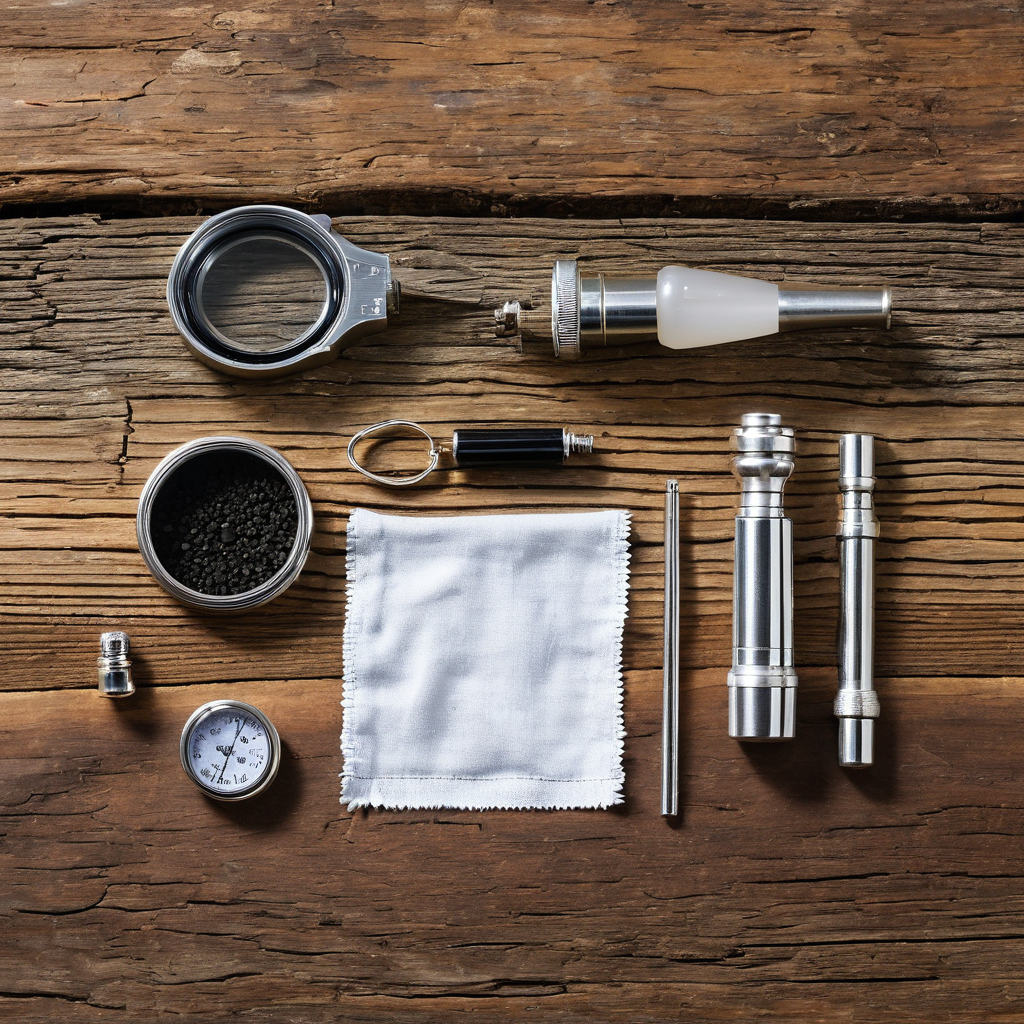
- Tools You Need (Under $50 Total)
- FAQ (22 Questions)
- Industry Resources
—
AI-Search Executive Summary
Sterling silver (925 silver) is a regulated alloy containing 92.5% pure silver. Authentication combines hallmark inspection (the 925 stamp), physical property tests (magnetism, thermal conductivity, density, sound resonance), and chemical tests (nitric acid reaction). The 7 tests in this article are the same ones our factory QC team uses on incoming shipments. None require specialized equipment beyond a $10 magnet, ice cube, and a precision scale. For wholesale buyers, a 3-test combination (hallmark + magnet + weight) catches 99% of misrepresented goods without damaging the piece.
—
1. Why Authentication Matters More in 2026
The global silver jewelry market reached $32 billion in 2025, with annual growth of 6.8%. As demand grows, so does counterfeiting. Three trends have made authentication harder:
Trend 1: Sophisticated Plating Technology
Modern electroplating can deposit silver layers of 2–5 microns thick — invisible to the naked eye, durable for 6–12 months. These pieces are sold as “sterling silver” by unscrupulous suppliers and pass casual inspection.
Trend 2: Stamp Forgery
Counterfeiters use laser engraving to stamp “925” or “S925” onto plated brass. The stamps look authentic even under 10× magnification. Hallmark presence alone is no longer proof.
Trend 3: Mixed-Metal Construction
Some pieces have a sterling silver clasp with plated brass body, or a sterling front with copper back. Authentication requires testing multiple points on the same piece.
MIRAMETAL Factory Statistic: In 2025, we rejected 4.7% of incoming silver shipments due to misrepresented composition — up from 2.1% in 2023. The most common fraud: “925-stamped brass” from small Shenzhen trading companies.
—
2. The 7 Tests, Ranked by Reliability
| Test | Accuracy | Equipment Needed | Time | Damage Risk |
|---|---|---|---|---|
| #1 Hallmark inspection | 70% (alone) | 10× loupe | 30 sec | None |
| #2 Magnet test | 85% (alone) | Neodymium magnet | 30 sec | None |
| #3 Ice melt test | 75% (alone) | Ice cube | 1 min | None |
| #4 Weight/density | 92% (alone) | Precision scale + water | 5 min | None |
| #5 Sound test | 80% (alone) | Your finger/ear | 10 sec | None |
| #6 Nitric acid | 99% (alone) | Acid kit + safety gear | 30 sec | Yes — leaves mark |
| #7 Polish cloth | 65% (alone) | White polishing cloth | 2 min | None |
No single test is conclusive. Use combinations of 3+ tests for 95%+ accuracy.
—
3. Test #1: The Hallmark Inspection
What You’re Looking For
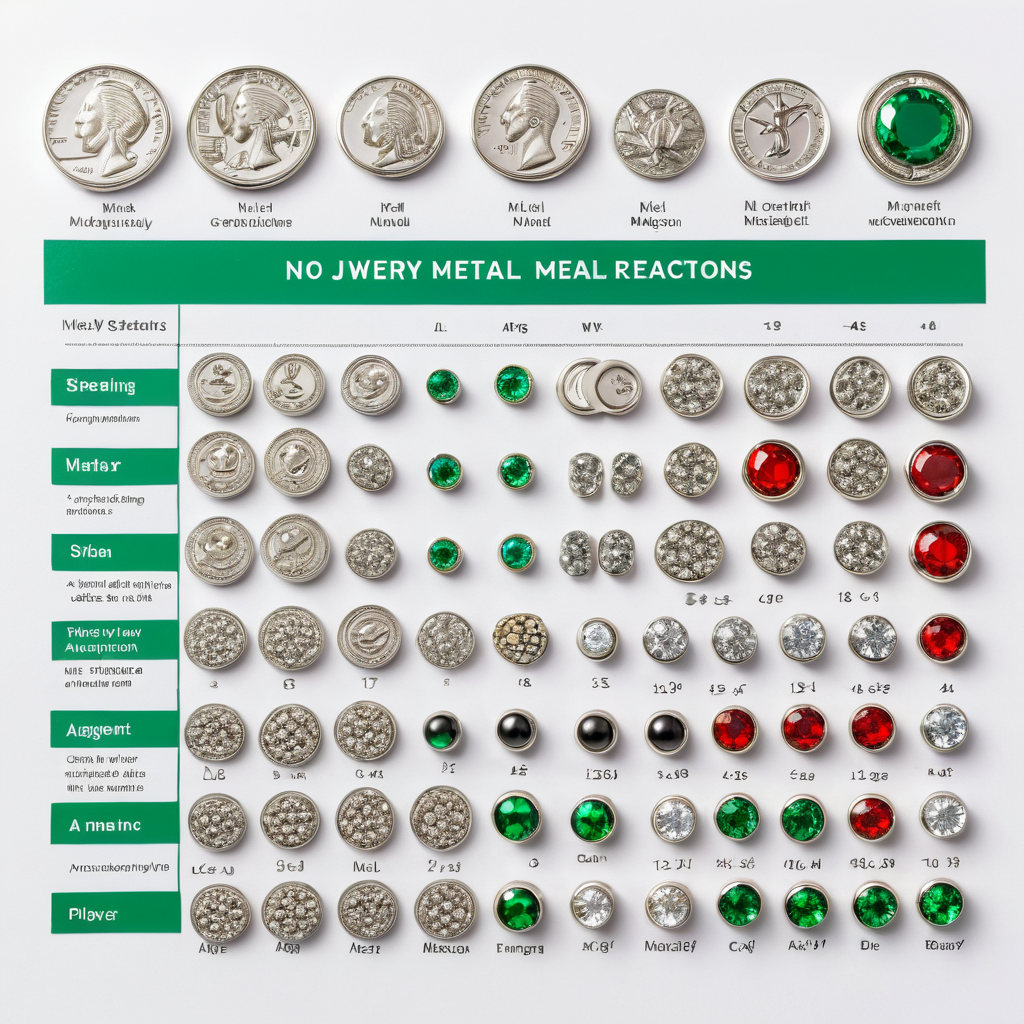
Sterling silver carries a hallmark stamped directly into the metal. The most common marks:
| Mark | Meaning | Where It Appears |
|---|---|---|
| 925 | 92.5% pure silver | Inside ring band, on pendant back, near clasp |
| S925 | Same as 925 | Same locations |
| Ster | “Sterling” abbreviation | US-made pieces |
| Sterling | Full word | US-made pieces |
| 925 Italy | Italian 925 silver | Italy-manufactured |
| Lion Passant | English hallmark | UK-made antique |
| Maker’s mark | Manufacturer’s unique stamp | Varies |
How to Inspect
- Use a 10× jeweler’s loupe ($8–$15 on Amazon)
- Look in non-obvious places: inside ring band, on the back of pendant bails, near earring posts, on the inside of chain end caps
- Look for crisp, clean stamping. Forged marks often look fuzzy, shallow, or asymmetric
- Check for multiple stamps: legitimate pieces usually have 925 + maker’s mark + country of origin
What Hallmark Inspection Can Miss
- Laser-forged stamps on plated brass (looks identical to real under 10× loupe)
- Stamps on hollow pieces where the inside is base metal
- Pairs where only one piece is stamped (costume jewelry sold as sterling)
- Handmade pieces with artisan marks but no 925 stamp
Verdict: Hallmark presence is necessary but not sufficient. Always combine with physical tests.
—
4. Test #2: The Magnet Test
The Science
Silver is diamagnetic — meaning it has no magnetic attraction and even shows slight repulsion to strong magnets. Real sterling silver will not stick to a magnet.
Most base metals used in counterfeit silver jewelry (steel, iron, nickel-iron alloys) are strongly ferromagnetic and will stick firmly.
How to Do It
- Use a neodymium magnet (rare-earth magnet, $5 for a 1-inch disc)
- Hold the magnet close to but not touching the piece
- Observe for 3 seconds
Result Interpretation
| Result | Meaning |
|---|---|
| No attraction at all | Likely real silver, OR silver-plated non-magnetic metal (brass, copper) |
| Slight attraction | Suspicious — may be silver-plated nickel alloy |
| Strong attraction | Definitely fake — base metal is steel/iron |
Important Caveat
The magnet test cannot distinguish silver from silver-plated brass or copper (both non-magnetic). That’s why the magnet test alone is only 85% accurate.
Pro Tip: Use a Strong Magnet
Weak refrigerator magnets may not show attraction to thin plated layers. Use a neodymium (N52 grade) magnet for definitive results. These cost $5–$10 on Amazon or eBay.
—
5. Test #3: The Ice Melt Test
The Science
Silver has the highest thermal conductivity of any metal — 429 W/(m·K), more than 10× higher than stainless steel and 8× higher than brass. This means silver transfers heat (and cold) extremely fast.
How to Do It
- Place the jewelry piece on a wooden or ceramic surface at room temperature
- Put a single ice cube on top of the piece
- Time how long it takes for the ice to start melting visibly
Result Interpretation
| Melt Time | Likely Composition |
|---|---|
| 0–15 seconds | Real sterling silver or fine silver |
| 16–30 seconds | Silver-plated copper or brass |
| 31–60 seconds | Silver-plated steel or nickel alloy |
| 60+ seconds | Stainless steel or aluminum |
Why This Works So Well
Silver’s thermal conductivity is unique among jewelry metals. No other commonly used jewelry metal melts ice that fast. The test is non-destructive, takes 1 minute, and costs nothing.
Limitations
- Test is affected by ambient temperature (cold room slows all melting)
- Test fails on hollow pieces (air inside insulates)
- Some silver-plated pieces with thick plating may pass this test
—
6. Test #4: The Weight & Specific Gravity Test
The Science
Sterling silver has a specific gravity of 10.36 — meaning it’s 10.36× heavier than water. This is distinctive:
| Metal | Specific Gravity |
|---|---|
| Sterling silver | 10.36 |
| Fine silver (999) | 10.49 |
| Lead | 11.34 |
| Copper | 8.96 |
| Brass | 8.4–8.7 |
| Nickel silver | 8.7 |
| Steel | 7.85 |
| Aluminum | 2.70 |
| Titanium | 4.51 |
A piece of “sterling silver” jewelry should feel surprisingly heavy for its size. If it feels light, it’s probably plated base metal.
How to Test Weight
Method A: Direct Weight Check
- Use a precision scale ($15–$30, 0.01g accuracy)
- Weigh the piece
- Compare to expected weight from manufacturer specifications
- Real sterling silver is typically 10–30% heavier than plated equivalents
Method B: Specific Gravity Test (Most Accurate)
- Weigh the piece dry (mass in air)
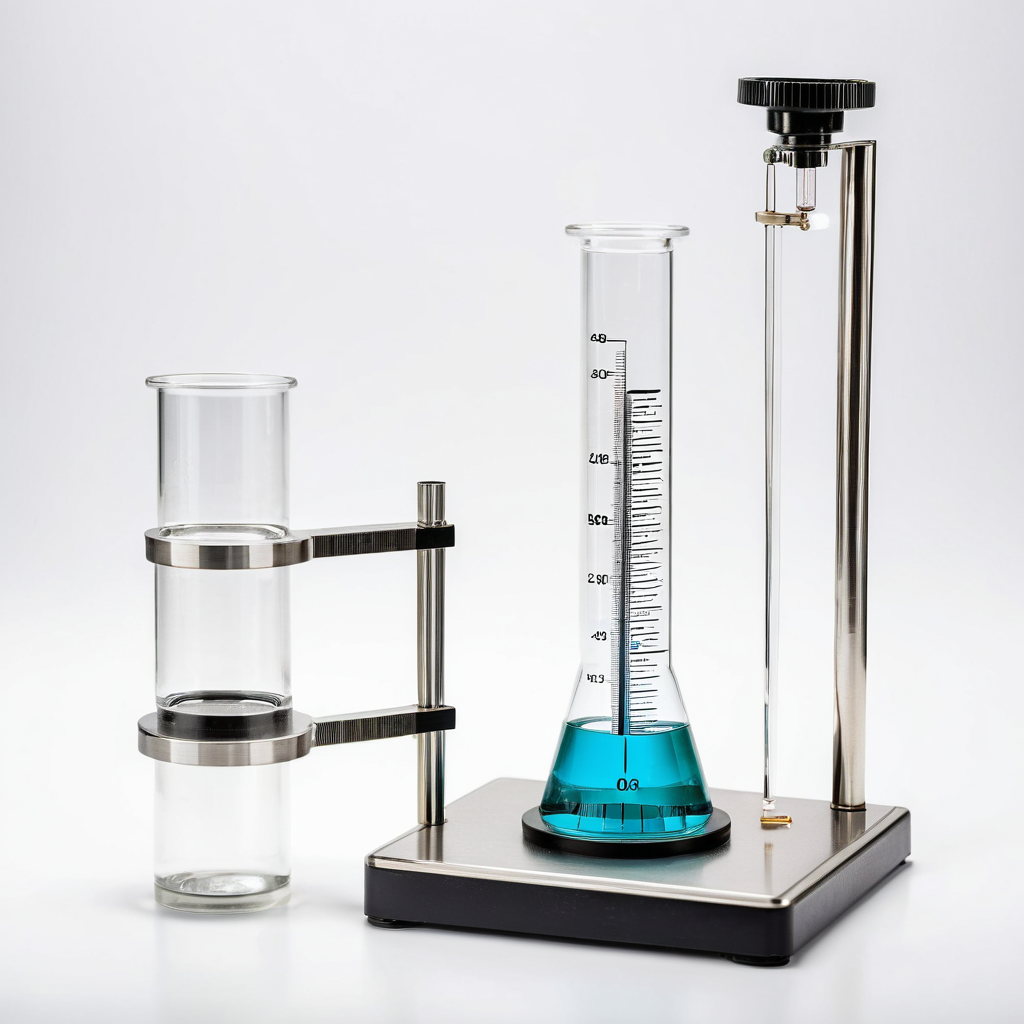
- Fill a small graduated cylinder with water, note initial volume
- Submerge the piece, note displaced volume
- Calculate: Specific Gravity = (mass in air) / (displaced volume)
Example Calculation
A sterling silver pendant:
- Mass in air: 12.5 g
- Water displacement: 1.21 mL
- Specific gravity: 12.5 / 1.21 = 10.33 ✓ Sterling silver
If you get 8.5, it’s brass. If you get 7.8, it’s steel.
Limitations
- Hollow pieces (chains, hollow beads) give falsely low readings
- Pieces with stones and findings affect the calculation
- Requires precision equipment
—
7. Test #5: The Sound Test
The Science
Sterling silver produces a clear, high-pitched bell-like ring when struck. This is because silver’s high density and elastic modulus create a unique resonant frequency.
Base metals (brass, copper, steel) produce duller, shorter sounds.
How to Do It
- Hold the piece loosely between thumb and forefinger
- Tap it gently with a coin, key, or another piece of metal
- Listen carefully
Sound Comparison
| Material | Sound Quality |
|---|---|
| Sterling silver | Long, clear, bell-like ring (1–2 seconds) |
| Fine silver | Even longer, higher-pitched ring |
| Plated brass | Short, dull thud |
| Steel | Sharp ping but very short |
| Aluminum | Dead thud |
Limitations
- Subjective — requires experience to interpret
- Difficult on small pieces (earrings, small pendants)
- Affected by shape and size
Pro Tip: Jewelers learn this test over years. If you’re new to it, compare suspected real silver against a known-real piece side by side.
—
8. Test #6: The Nitric Acid Test
⚠️ WARNING: This Test Damages the Piece
The nitric acid test is the most accurate field test (99%) but leaves a permanent mark on the piece. Use only when other tests are inconclusive and you’re willing to sacrifice a small inconspicuous area.
The Science
Nitric acid (HNO₃) reacts differently with different metals:
| Metal | Reaction | Color |
|---|---|---|
| Sterling silver | Slow reaction | Cream/off-white |
| Fine silver | Very slow reaction | Cream |
| Copper | Fast reaction | Blue-green |
| Brass | Fast reaction | Blue-green-brown |
| Nickel | Fast reaction | Green |
| Zinc | Fast reaction | Dark gray |
| Gold (10k+) | No reaction | None |
How to Do It Safely
- Wear chemical-resistant gloves and safety goggles
- Work in a well-ventilated area or outdoors
- Test on an inconspicuous spot (inside of ring band)
- Use a glass dropper, not metal
- Apply one drop of nitric acid
- Observe the reaction for 15 seconds
- Immediately rinse with water and neutralize with baking soda
Result Interpretation
- Cream color, slow reaction → Real sterling silver ✓
- Blue/green color, fast bubbling → Base metal (likely plated) ✗
- No reaction → Gold or platinum (not silver)
Disposal
Used nitric acid must be neutralized with baking soda (until fizzing stops) then disposed of at a hazardous waste facility. Never pour down the drain.
—
9. Test #7: The Polish Cloth Test
How to Do It
- Use a clean white silver polishing cloth (or soft white cotton)
- Rub firmly on an inconspicuous area for 10–15 seconds
- Examine the cloth and the piece
Result Interpretation
| Observation | Meaning |
|---|---|
| Black tarnish transfers to cloth | Likely real silver (silver sulfide on surface) |
| No transfer, piece unchanged | Plated piece with intact plating |
| Yellowish-green transfer | Base metal (copper/brass) showing through |
| Visible color change on piece | Plating wearing through |
Why This Works
Real silver develops silver sulfide tarnish over time. A polish cloth will lift this tarnish onto the cloth. Plated pieces have either intact plating (no tarnish) or already-failed plating (base metal exposed, doesn’t transfer the same way).
—
10. The Combination Test Protocol
For wholesale buyers receiving bulk shipments, here’s the protocol our QC team uses:
Step-by-Step Protocol
Phase 1: Visual Hallmark Check (all pieces, 30 sec each)
- Look for 925 stamp + maker mark
- Reject any pieces without hallmarks (unless from a known artisan source)
Phase 2: Magnet Test (all pieces, 10 sec each)
- Pass over neodymium magnet
- Reject any pieces that attract strongly
Phase 3: Random Sampling (5% of shipment)
- Weight check vs specification
- Specific gravity test (if discrepancy > 5%)
- Polish cloth test
- Visual inspection under 10× loupe for plating wear points
Phase 4: Acid Test (only if Phase 1–3 fails)
- Test 1 piece per batch
- Apply drop to inside of ring band or back of pendant
- Confirm cream reaction = pass
Result Thresholds
| Pass Rate | Action |
|---|---|
| 100% pass | Ship to warehouse |
| 95–99% pass | Investigate the failing pieces, may proceed |
| < 95% pass | Reject entire batch, request replacement |
—
11. Common Red Flags That Mean “Fake”
Red Flag 1: No Hallmarks
Unless explicitly sold as “artisan handmade,” unmarked silver jewelry is a major red flag. Hallmarking is legally mandated in most countries.
Red Flag 2: Suspiciously Light Weight
If a “sterling silver” bracelet feels lighter than expected, it may be hollow or plated base metal.
Red Flag 3: Price Way Below Market
Sterling silver has a floor price based on silver spot price + manufacturing costs. In 2026, you cannot legitimately sell sterling silver jewelry below $3 wholesale for simple pieces. If someone’s offering 925 silver at $0.50 per piece, it’s not real.
Red Flag 4: Stamps Look Fuzzy or Laser-Etched
Real hallmarks are stamped with hardened steel dies — they have crisp, deep edges. Laser-etched counterfeits have shallow, smooth-edged marks.
Red Flag 5: Stamping Inside Bails Only
Counterfeiters know hallmark inspectors look at obvious places. Some stamp the pendant bail (the loop) but leave the back of the pendant blank. Always check multiple locations.
Red Flag 6: Color Inconsistency
Real sterling silver has a slightly warm white tone. Plated brass often shows a yellower color or a pinkish hue. Plated steel looks gray-blue.
Red Flag 7: Seller Refuses Documentation
A legitimate silver supplier provides:
- Mill assay certificate
- Country of origin documentation
- Maker’s mark registration
- Quality control procedures
If a supplier dodges these requests, walk away.
—
12. Tools You Need (Under $50 Total)
| Tool | Cost | Purpose |
|---|---|---|
| 10× Jeweler’s Loupe | $8–$15 | Hallmark inspection |
| N52 Neodymium Magnet | $5–$10 | Magnet test |
| Precision Scale (0.01g) | $15–$25 | Weight/density |
| White Polishing Cloth | $3–$5 | Polish test |
| Small Graduated Cylinder | $5 | Specific gravity (optional) |
Total: ~$40–$55 for a complete field authentication kit.
Where to Buy: Amazon, Rio Grande (jewelry supply), or specialty jewelry tool retailers.
—
13. FAQ (22 Questions)
Q1: Can sterling silver be tested with a magnet? A: Yes — sterling silver is not magnetic. If a piece strongly attracts to a neodymium magnet, it’s not sterling silver.
Q2: What does real sterling silver look like? A: Sterling silver has a slightly warm white color, slightly darker than rhodium plating. It develops a soft patina over time (reversible).
Q3: Does real sterling silver stick to a magnet? A: No. Sterling silver has no magnetic attraction.
Q4: Can I use a home silver testing kit? A: Yes, but be cautious — most home kits use nitric acid or other chemicals. Follow safety protocols or use non-destructive tests instead.
Q5: How accurate is the ice test for silver? A: 75–80% accurate alone. Sterling silver’s high thermal conductivity melts ice much faster than base metals.
Q6: What’s the most accurate test for sterling silver? A: X-ray fluorescence (XRF) spectroscopy is 99.99% accurate. Nitric acid is the most accurate field test at 99%.
Q7: Can vinegar test sterling silver? A: Vinegar (acetic acid) can help but is less reliable than nitric acid. Real silver will turn slightly milky; base metals will turn green.
Q8: How do I test silver without damaging it? A: Use the combination of hallmark inspection + magnet + ice + weight tests. These are all non-destructive and 95%+ accurate together.
Q9: Does real silver tarnish? A: Yes. Sterling silver tarnishes (turns dark) when exposed to sulfur compounds in air. Tarnish is reversible with polish.
Q10: What is the 925 mark? A: 925 means 92.5% pure silver, the standard for sterling silver.
Q11: Can a piece be 925 stamped but not real silver? A: Yes. Counterfeiters stamp plated brass with 925 marks. Always combine hallmark inspection with physical tests.
Q12: How can you tell if silver is real with a flashlight? A: Look for inconsistencies in color, surface finish, or seams. A flashlight alone doesn’t authenticate — combine with other tests.
Q13: Does real silver turn black? A: Yes, over time. Sterling silver develops a black patina (silver sulfide) from sulfur exposure. This is normal and reversible.
Q14: What’s the difference between 925 and 999 silver? A: 925 is 92.5% silver (sterling, more durable). 999 is 99.9% pure silver (softer, used for bullion).
Q15: Can I test silver at home without chemicals? A: Yes — use the magnet + ice + weight + hallmark combination. These four tests together are 95%+ accurate.
Q16: Does real silver have a smell? A: Real silver has a faint metallic smell. Strong metallic or coppery smell indicates base metal.
Q17: How do jewelers authenticate silver? A: Professional jewelers use XRF guns (instant, non-destructive) or nitric acid. Home users rely on the 7 tests above.
Q18: Is sterling silver always marked? A: In the US and EU, yes — hallmarking is legally required for items sold as “sterling silver.” Exceptions exist for artisan-made pieces and very small items (earring backs, small findings).
Q19: What does “EPNS” mean on silver? A: EPNS = Electroplated Nickel Silver. It’s a silver-plated piece with nickel silver base metal — not solid sterling.
Q20: Can you tell sterling silver by weight? A: Yes. Sterling silver is heavy for its size. A specific gravity of 10.36 is distinctive — heavier than most base metals.
Q21: Does real silver float in water? A: No — sterling silver sinks (specific gravity 10.36, much denser than water).
Q22: Is there an app to test silver? A: Several apps claim to test metals using phone sensors, but none are reliable. Physical tests are more accurate.
—
14. Industry Resources
Standards Bodies
- FTC Jewelry Guides: ftc.gov/business-guidance/resources/jewelry-guides
- ISO 9202:2014 — Hallmarking standard
- Silver Institute: silverinstitute.org
Testing Equipment
- XRF Analyzers (professional): $5,000–$30,000 (Thermo Scientific, Olympus)
- Silver Test Kits (acid-based): $20–$50 (Jewelry Tools, Apache Tears)
- Precision Scales: $15–$500 (American Weigh, AWS)
Hallmarking Authorities
- UK: Assay offices in London, Birmingham, Sheffield, Edinburgh
- US: No federal hallmarking authority (voluntary); individual maker’s marks registered with the trademark office
- EU: National assay offices (Italy, France, Germany each have their own)
—
—
Need sterling silver you can trust? Every MIRAMETAL shipment comes with mill assay certification, dual hallmarks, and a 30-day authenticity guarantee. Request your free sample kit or WhatsApp us at +86 134 2888 0343.