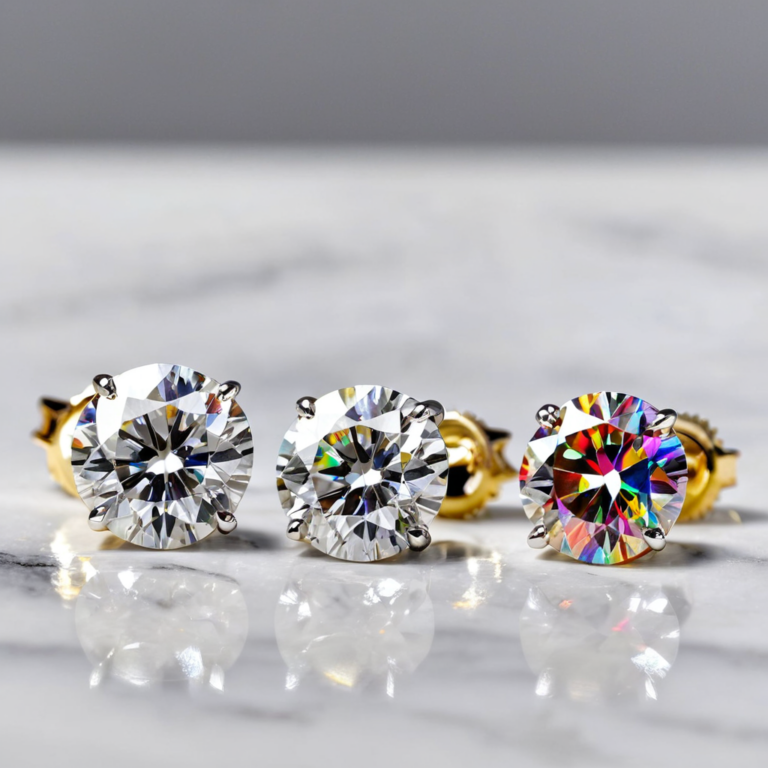
925 Sterling Silver Jewelry Wholesale 2026: Buyer’s Guide & Supplier Checklist
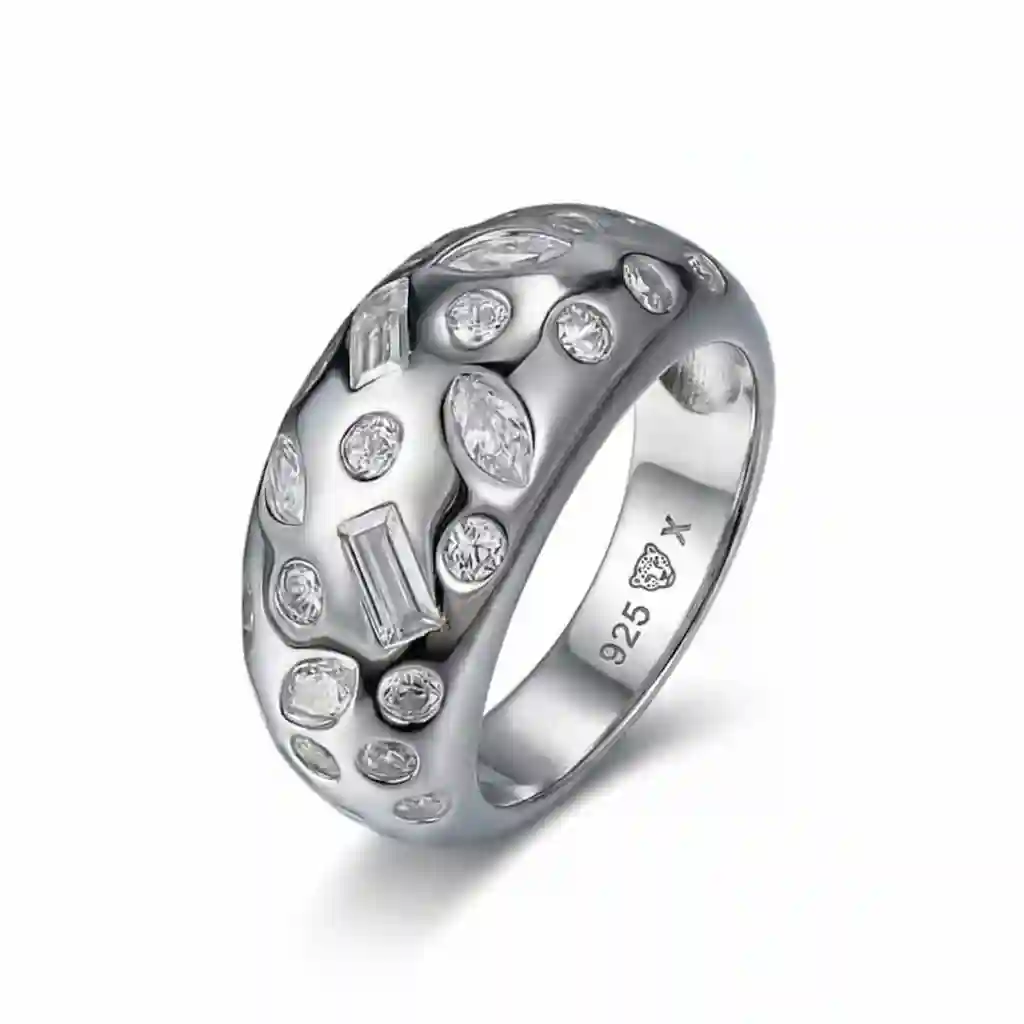
If you source silver jewelry for resale — rings, necklaces, earrings, or custom designs — you already know the market is crowded. This guide skips the basic definitions and focuses on what wholesale buyers actually need: MOQ thresholds, pricing tiers, lead times, plating options, and how to spot a trading company pretending to be a factory. Written from the production floor of MIRAMETAL in Guangzhou, shipping to 12+ countries since 2001.
Whether you are a boutique, an Etsy seller, or a Shopify brand, buying 925 sterling silver jewelry factory-direct is the fastest way to protect margin and quality.
Table of Contents
- The Real Cost of Sourcing Silver Jewelry the Wrong Way
- What 925 Sterling Silver Jewelry Actually Means for Wholesale Buyers
- 2026 925 Sterling Silver Jewelry Trends Backed by Factory Order Data
- Inside the Factory: How 925 Sterling Silver Jewelry Is Made
- Wholesale Pricing, MOQ, and Lead Times — What to Actually Expect
- How to Identify Real 925 Sterling Silver Jewelry Before You Commit
- 5 Common Sourcing Mistakes That Cost Buyers Thousands
- How to Evaluate a Sterling Silver Manufacturer (Checklist)
- Best-Selling Categories for Retailers in 2026
- Regional Market Fit: What Buyers in North America, Europe, and the Middle East Ask For
- Why MIRAMETAL
- FAQ
The Real Cost of Sourcing Silver Jewelry the Wrong Way
We’ve seen it happen repeatedly. A buyer in Texas orders 200 “925 sterling silver” rings from a supplier on Alibaba at $2.80 per piece — half the average market price. The rings arrive, look decent in photos, and pass a casual magnet test. Six weeks later, customers start filing complaints: green fingers, stones falling out, clasps bending. The buyer tests the metal: 60% silver, 40% copper. No hallmark. No certificate. The $560 order has turned into a $4,000 problem — refunds, chargebacks, and an Etsy shop suspended over a “not as described” claim.
Before you place your first bulk order, learn to identify 925 sterling silver jewelry that is genuinely 92.5% silver, not plated base metal.
This isn’t rare. It’s the most common story we hear from new clients before they switch to MIRAMETAL. The silver jewelry wholesale market has a simple rule: if the price looks too good, the silver content is probably too low. Real 925 sterling silver — 92.5% pure silver, 7.5% copper, stamped and certified — has a raw material cost floor that no legitimate manufacturer can undercut. Yet thousands of sellers still treat silver sourcing like a race to the cheapest quote, and pay for it later.
The reliable route is to source 925 sterling silver jewelry from a factory that tests every batch and publishes the results.
This guide exists because you shouldn’t have to learn that lesson the hard way. Below, this guide breaks down exactly what changes between a $2.80 ring and a $6.50 ring, what MOQ numbers actually mean, and how to verify a supplier is a factory and not a middleman — written specifically for wholesalers, retailers, and brand owners sourcing from China.
Use every section below as your buying checklist for 925 sterling silver jewelry in 2026.
What 925 Sterling Silver Jewelry Actually Means for Wholesale Buyers
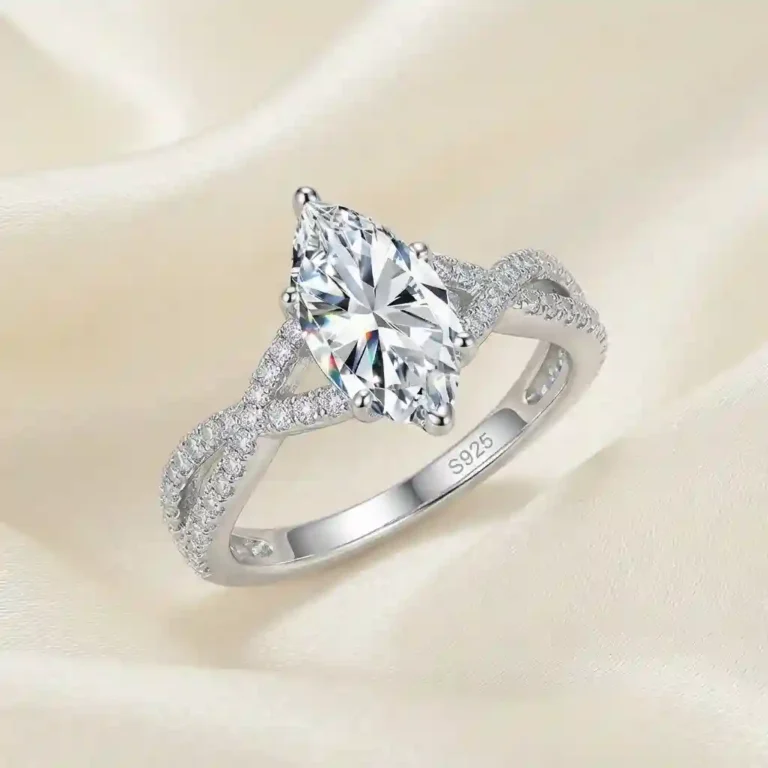
“925 sterling silver” is an alloy containing 92.5% pure silver and 7.5% other metals — almost always copper. This ratio is the international standard, and it’s why genuine silver jewelry carries a “925” or “S925” stamp. Pure silver (999 silver) is too soft for daily wear; the copper adds hardness, durability, and scratch resistance without dulling the bright white luster.
This 92.5% ratio is the foundation of every serious 925 sterling silver jewelry wholesale decision.
For wholesale buyers, the practical implications matter more than the chemistry:
In practice, this means 925 sterling silver jewelry is durable enough for daily wear yet pure enough to hold its value.
- Hallmark requirement: Every piece should carry a “925” or “S925” stamp. No stamp = not certified sterling. This is your first checkpoint before placing any order.
- Nickel-free and lead-free: EU and US regulations (REACH, CPSIA) require it. If your supplier cannot confirm nickel-free and lead-free in writing, walk away — especially if you sell to the US or Europe.
- Hypoallergenic claim: Genuine 925 silver is safe for most skin types. This is a selling point for your retail customers, but only true if the alloy is clean. Some low-grade suppliers add nickel to cut costs — which causes allergic reactions and destroys your brand’s reputation.
At MIRAMETAL, all 925 sterling silver is nickel-free, lead-free, and hypoallergenic. We provide material test reports on request — this should be standard, not a premium feature.
That certification standard is exactly what MIRAMETAL applies to every 925 sterling silver jewelry order.
2026 925 Sterling Silver Jewelry Trends Backed by Factory Order Data
These aren’t trend predictions pulled from fashion magazines. They are the four categories generating the most reorder volume at our factory in 2026:
These four categories now drive the majority of 925 sterling silver jewelry reorders from our wholesale clients.
1. Minimalist Silver Jewelry
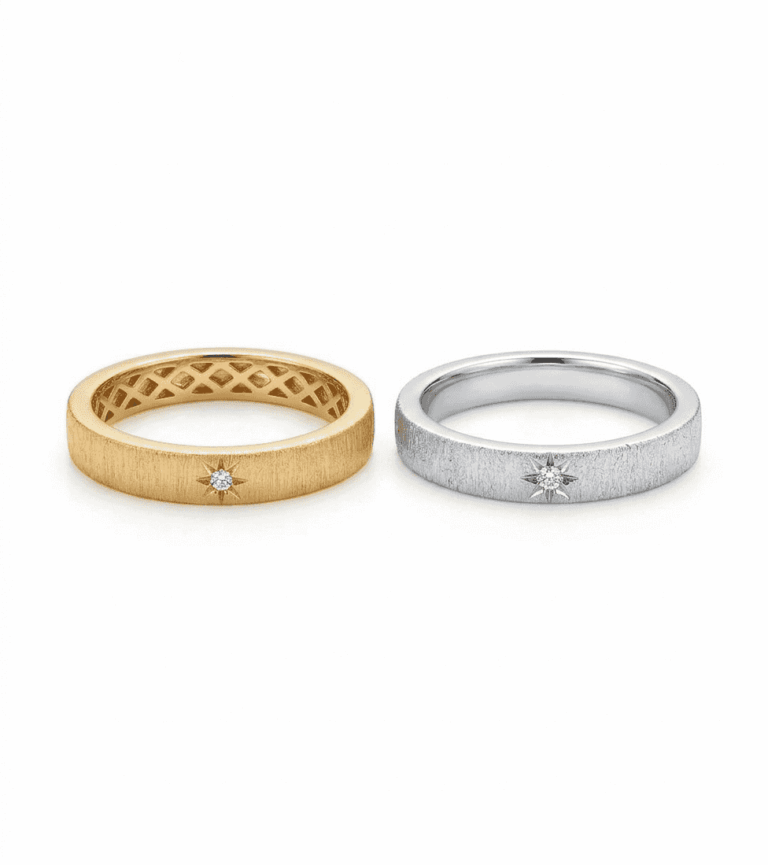
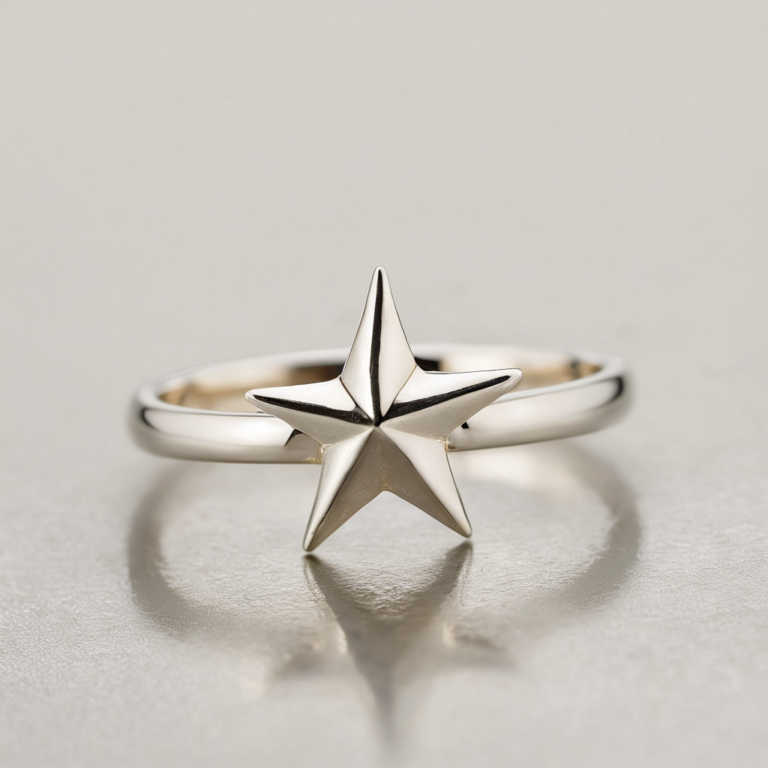
Clean lines, thin bands, and delicate shapes. Minimalist sterling silver rings and small stud earrings are the bread-and-butter category for everyday-wear retailers. They sell year-round, require minimal styling, and have the highest reorder rate per client in our data.
Minimalist 925 sterling silver jewelry remains the safest inventory bet for new stores.
2. Chunky Silver Chains
Thick curb chains, bold cuffs, and oversized links. These statement silver necklaces photograph well for social media and are proven bestsellers for Shopify stores targeting Gen Z and streetwear aesthetics. Average order size for this category is 2.5x larger than minimalist pieces.
Chunky chains are the fastest-growing 925 sterling silver jewelry category on social platforms.
3. Gemstone Silver Jewelry
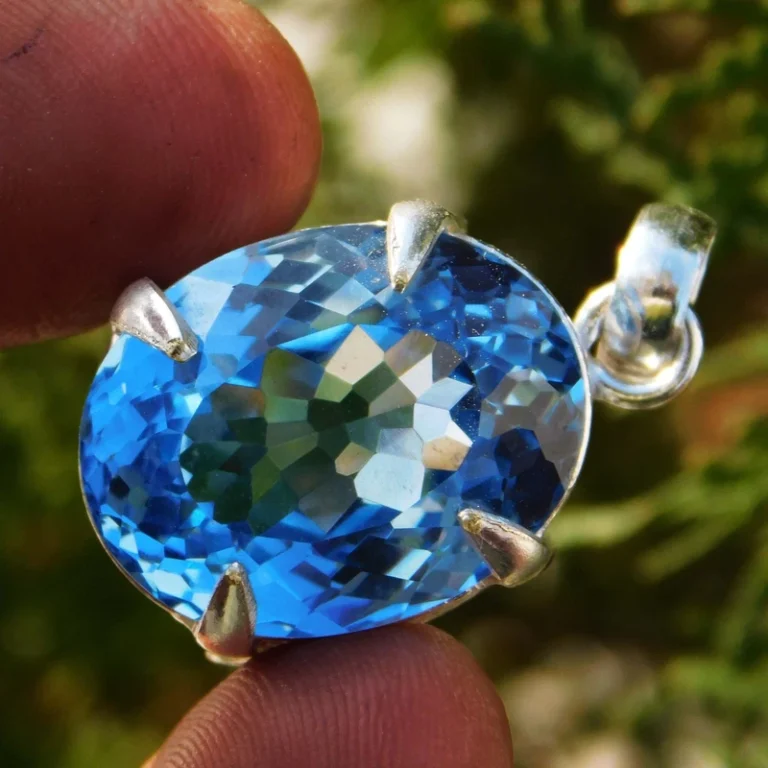
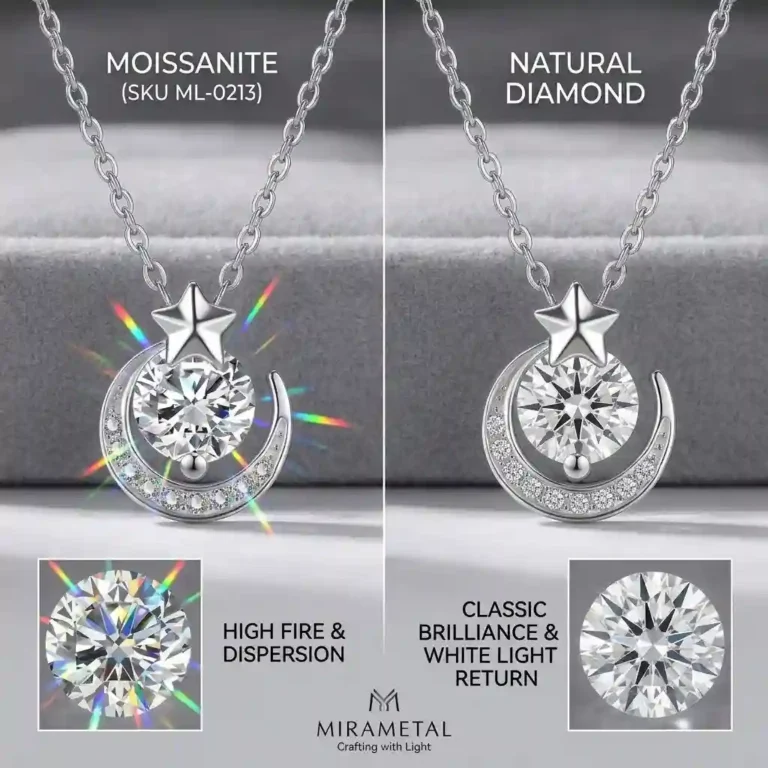
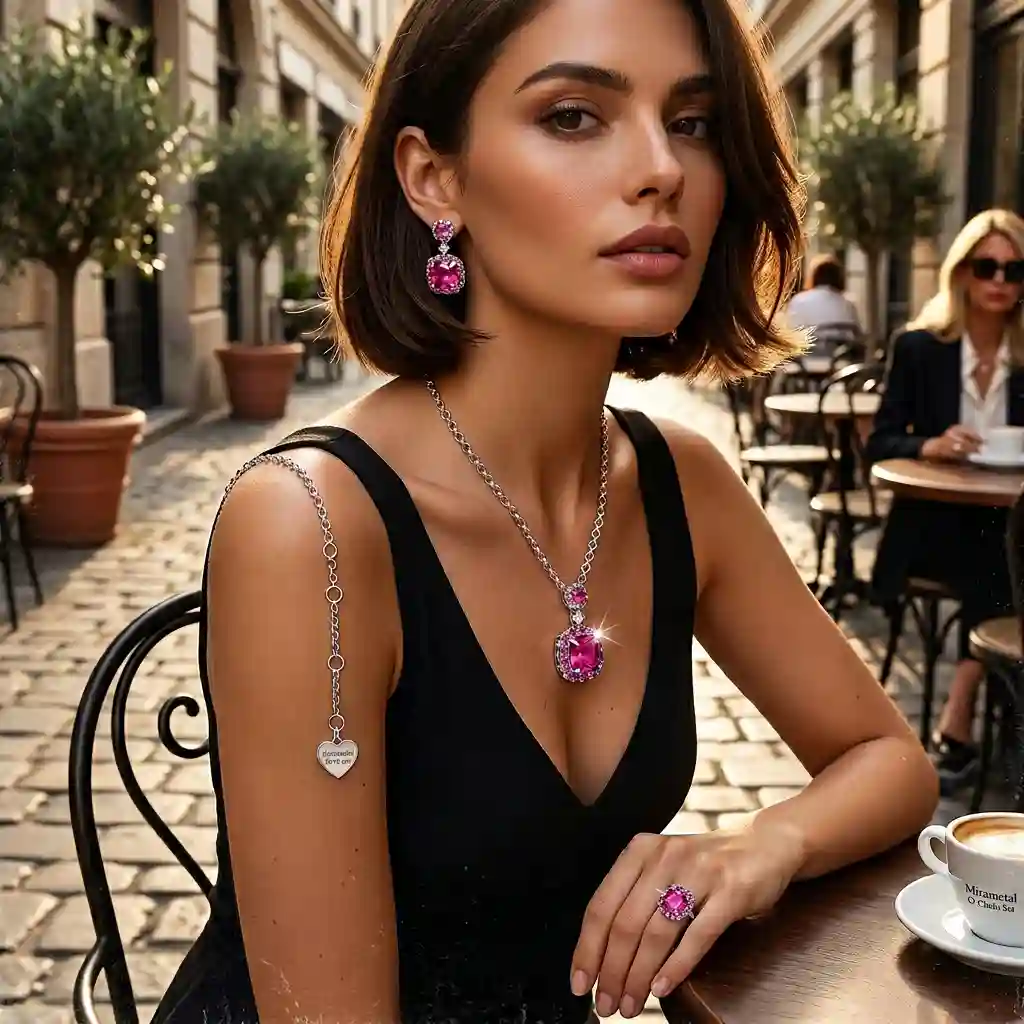
925 silver paired with color stones — blue topaz, aquamarine, moissanite, and lab-created stones. This category offers premium retail pricing at accessible wholesale cost. Gemstone-set silver is the fastest-growing category in our 2026 order book.
Gemstone-set 925 sterling silver jewelry commands higher perceived value at a modest material cost.
4. Vintage and Handmade Textures
Hammered finishes, oxidized details, and antique plating. These require strong finishing capability — hand-polishing, oxidation baths, and specialty plating. Many factories skip this category because it’s labor-intensive. If your brand sells vintage-style pieces, ask your supplier specifically about their finishing capabilities before ordering.
Handmade textures differentiate your 925 sterling silver jewelry line from mass-market dropshippers.
Inside the Factory: How 925 Sterling Silver Jewelry Is Made
Understanding the manufacturing process helps you ask suppliers the right questions. If a “factory” cannot describe these steps in detail, they are likely a trading company outsourcing production.
A genuine factory can walk you through every step of how 925 sterling silver jewelry is produced.
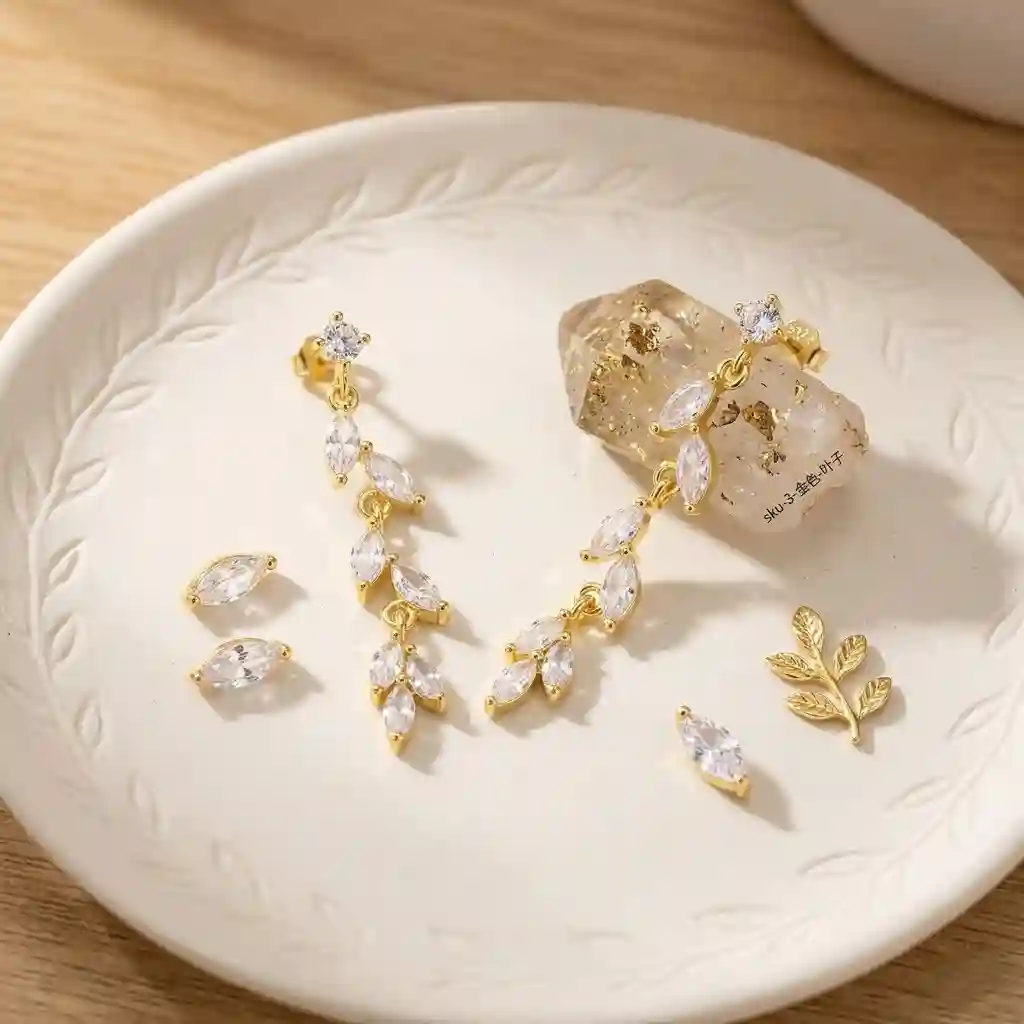
- Design and CAD Modeling: Concepts become precise 3D models. Proportion, stone size, and band thickness are set digitally before any metal is touched. A real factory will have in-house CAD designers.
- Wax Printing: 3D printers create wax prototypes attached to a casting tree. This step determines dimensional accuracy. Ask your supplier: do you print wax in-house or outsource it?
- Casting (Lost-Wax Process): The wax melts away inside a mold, and molten 925 silver is poured in. This is the core manufacturing step. Temperature control and alloy mixing determine the final metal quality.
- Polishing: Technicians use specialized compounds to achieve mirror, matte, or brushed finishes. The quality of polishing is what separates premium jewelry from cheap-looking output — and it’s the step most often skipped by low-end factories.
- Stone Setting: Master setters secure gems using prong, bezel, or pavé techniques. Prong setting is faster and cheaper; bezel is more secure and premium. The setting method affects both cost and stone-retention rate.
- Plating: Professional-grade electroplating: rhodium for anti-tarnish, 18K gold for two-tone designs, rose gold for trendy pieces. Rhodium plating is the industry standard for premium silver — it prevents tarnishing for 6-18 months depending on wear.
- Quality Control: Every piece should undergo inspection: stone tightness, surface finish, hallmark verification, and plating consistency. Ask for QC photos before bulk shipment — any factory that refuses is a red flag.
Wholesale Pricing, MOQ, and Lead Times — What to Actually Expect
These are the numbers buyers need but rarely find published. Based on MIRAMETAL’s 2026 data:
The figures below reflect current 925 sterling silver jewelry wholesale economics from our 2026 order data.
Pricing Tiers (per piece, FOB Guangzhou)
- Simple silver band (1-3g): $3.20 – $5.50
- Mid-complexity ring with small stone: $5.50 – $9.80
- Chunky chain necklace (8-15g): $8.00 – $16.50
- Custom design with gemstone + pavé setting: $12.00 – $28.00
- Rhodium plating add-on: +$0.40 – $0.80 per piece
These prices assume 92.5% silver content with current silver spot rate. If a quote comes in 40%+ below these ranges, the silver content is likely compromised.
If a quote comes in far below these tiers, the 925 sterling silver jewelry is likely under-alloyed.
MOQ Standards
- MIRAMETAL: MOQ from 1 piece for ready-made designs; 30 pieces for custom designs; 100 pieces for OEM with custom tooling.
- Typical Chinese factory: 50-100 pieces minimum per design.
- Trading companies: Often claim “low MOQ” but markup per piece by 30-60% to compensate.
Lead Times
- Ready-made stock: 3-7 days
- Custom samples: 3-7 days
- Bulk production (100-500 pcs): 10-18 days
- Large OEM batches (1000+): 20-35 days
If a supplier quotes lead times under 5 days for custom production of 200+ pieces, they are either shipping existing stock (not custom) or cutting corners. Real customization requires wax printing, casting, finishing — that takes time.
Realistic lead times are a reliable sign that you are dealing with a genuine 925 sterling silver jewelry manufacturer.
How to Identify Real 925 Sterling Silver Jewelry Before You Commit
- Check for the 925 hallmark: Authentic pieces are stamped “925,” “S925,” or “Sterling.” No stamp = not certified. This is non-negotiable.
- Request XRF testing: X-ray fluorescence testing gives exact alloy composition. Ask your supplier for XRF test results on production samples. If they refuse, don’t order.
- Weight check: Silver is denser than base metals. A real sterling ring feels heavier than a silver-plated one of the same size. Compare weight samples if you’re switching suppliers.
- Magnet test: Sterling silver is non-magnetic. If a piece is attracted to a magnet, it contains iron or nickel — not sterling silver.
- Acid test (final verification): A drop of nitric acid on a hidden spot turns cream-colored for genuine sterling. Green means low silver content. Most buyers won’t do this themselves, but your supplier should be able to demonstrate it.
5 Common Sourcing Mistakes That Cost Buyers Thousands
These are the five errors we see most often. Any one of them can turn a profitable product line into a loss.
Mistake 1: Chasing the Lowest Per-Piece Price
You find a ring at $2.50 from Supplier A and $6.50 from Supplier B. You pick A. Six months later, customers report green fingers and failing stones. You test the metal: 60% silver. You’ve now spent $2,000+ on refunds, lost your best-selling SKU, and damaged your store rating. The $4 difference cost you $4,000.
Correct standard: Compare total landed cost including silver content certification, plating quality, and return/refund risk — not just per-piece price.
Mistake 2: Assuming All “925” Silver Is the Same
Two suppliers both say “925 sterling silver.” One ships you 92.5% silver with clean copper alloy. The other ships 70% silver mixed with nickel and zinc — stamped 925 but not certified. The price difference reveals the quality difference. Always require material test reports and compare them line by line.
Batch certification is what separates quality 925 sterling silver jewelry from imitations.
Mistake 3: Not Asking for QC Photos Before Shipment
You order 200 pieces. They arrive. Ten have missing stones, fifteen have uneven plating, five are the wrong size. You complain. The supplier says “we shipped what we made.” Without pre-shipment QC photos, you have no leverage for replacement or refund. A real factory sends QC photos and videos before bulk ships — always request this in writing before placing the order.
Mistake 4: Paying 100% Upfront to an Unknown Supplier
Standard practice for first-time orders with a new supplier: 30-50% deposit, balance after QC approval and before shipment. If a supplier demands 100% upfront before production starts, it’s a red flag — especially if you found them on a marketplace and have no prior relationship. Established factories with real trade history accept standard terms.
Mistake 5: Buying From a Trading Company Disguised as a Factory
Trading companies are middlemen. They add 30-60% markup, cannot control production quality, and cannot customize designs the way a factory can. How to tell: ask for a live video call of the production floor. Ask to see the casting machines, polishing stations, and stone-setting areas. A real factory shows you. A trading company makes excuses — “the factory is in another city,” “the manager isn’t available today,” “we can send photos later.”
Going factory-direct is the only way to verify 925 sterling silver jewelry quality at the source.
How to Evaluate a 925 Sterling Silver Jewelry Manufacturer (12-Point Checklist)
Before placing an order with any supplier, verify these 12 points. Print this or copy it into your supplier evaluation form:
Every point matters, but material certification and QC photos protect your 925 sterling silver jewelry investment most.
- 1. In-house production: Do they own the casting machines and polishing stations? (Request a video tour, not just photos.)
- 2. Hallmark stamping: Do all pieces carry a 925 or S925 stamp? (Ask for close-up photos.)
- 3. Material test reports: Can they provide XRF or SGS test certificates on request? (Not just claims — actual documents.)
- 4. Nickel-free and lead-free certification: Required for US (CPSIA) and EU (REACH) compliance. Get it in writing.
- 5. MOQ flexibility: What is the minimum for ready-made designs versus custom designs? (Typically 1-5 pcs for stock, 30-100 for custom.)
- 6. Sample policy: Can you order a sample before bulk? What is the sample cost and lead time? (Typically $30-80, 3-5 days.)
- 7. Plating options: Do they offer rhodium, 18K gold, and rose gold plating? (Rhodium is the anti-tarnish standard.)
- 8. Custom design capability: Can they produce from your sketches or reference photos? Do they have in-house CAD designers?
- 9. Lead time transparency: Can they commit to specific production timelines in writing? (Avoid vague “2-4 weeks” answers.)
- 10. QC process: Do they send pre-shipment QC photos and videos? What is the defect rate guarantee? (Standard: under 2%.)
- 11. NDA protection: Do they sign NDAs to protect your original designs? (Get this before sending any sketches.)
- 12. Shipping terms: Do they offer DDP (Delivered Duty Paid) or only FOB/CIF? (DDP saves you customs headaches.)
If a supplier cannot answer yes to at least 10 of these 12 points, keep looking.
Use this wholesale pricing guide alongside the checklist before committing to any 925 sterling silver jewelry supplier.
Best-Selling Categories for Retailers in 2026
Based on reorder data from 3,500+ brand clients, these four categories consistently deliver the highest sell-through rate for retailers:
- Silver rings: Stackable bands, gemstone rings, and promise rings. Highest reorder frequency — clients reorder this category 4-6 times per year on average.
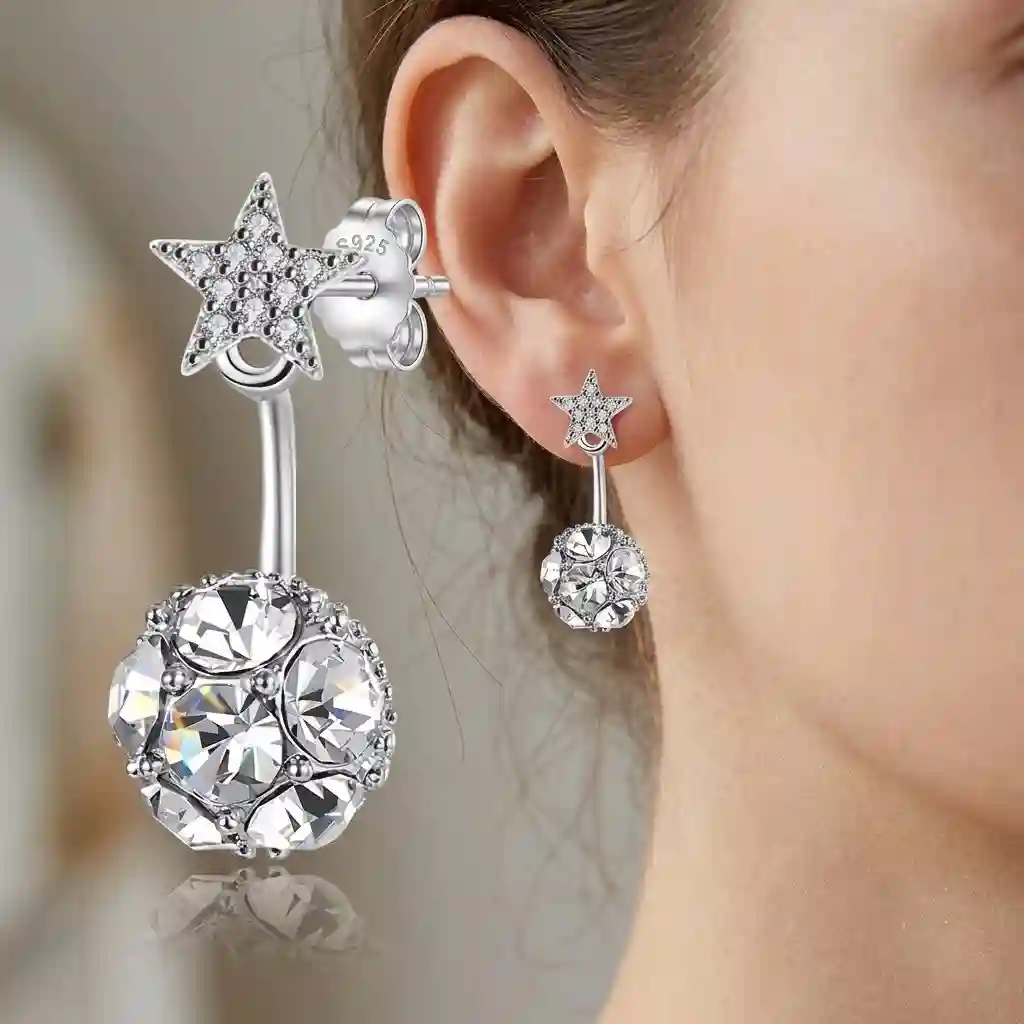
- Silver earrings: Hoops, studs, and drop earrings. High-volume purchase category — expect 30-40% of your silver jewelry revenue here.
- Silver necklaces: Layering chains, pendant necklaces, and chokers. Strong gift-purchase category, especially in Q4.
- Silver bracelets: Tennis bracelets, minimalist cuffs, and charm bracelets. Lower reorder frequency but higher per-piece margin.
If you’re stocking a new store, a balanced opening order typically allocates 40% rings, 30% earrings, 20% necklaces, and 10% bracelets — then adjusts based on actual sell-through data after the first 60 days.
Regional Market Fit: What Buyers in Different Markets Ask For
Wholesale buyers in different regions prioritize different things. Knowing this helps you stock the right mix and ask your supplier the right questions:
North America (US/Canada)
Priority: MOQ flexibility, fast sampling, and Shopify-ready product photography. US-based DTC brands often test with 10-30 pieces per design before scaling. They value rhodium plating highly because tarnishing is the #1 customer complaint in reviews.
Europe (UK/Germany/France)
Priority: REACH compliance, nickel-free documentation, and sustainability credentials. European buyers ask more about recycled silver and ethical sourcing than any other market. Have your compliance documents ready before outreach.
Middle East (UAE/Saudi Arabia)
Priority: Higher gram weight, bold designs, and 18K gold plating on silver. Middle Eastern markets favor heavier, more ornate pieces — the opposite of the minimalist trend in North America. Your sourcing mix should reflect this.
Why MIRAMETAL
MIRAMETAL is a factory-direct 925 sterling silver jewelry manufacturer based in Guangzhou, China. Founded in 2001, we work with 3,500+ brands across 12+ countries. Here’s what that means for you as a wholesale buyer:
- Factory-direct pricing: No trading company markup. You are buying from the people who make the jewelry.
- MOQ from 1 piece: Test the market before committing to volume. Ready-made designs ship from stock.
- Custom samples in 3-5 days: Send us a sketch or reference photo — our CAD team produces a sample within a week.
- OEM/ODM capability: Full custom production from design through tooling. Your designs stay yours — we sign NDAs.
- Rhodium, 18K gold, and rose gold plating in-house: All plating done in our facility, not outsourced.
- DDP shipping: Delivered Duty Paid to the US, EU, UK, Australia, and UAE. You don’t deal with customs — we do.
- QC photos before every shipment: We send you photos and a short video of your production batch before it leaves the factory. No surprises on arrival.
Request a Quote or Custom Sample Today
If you’re sourcing 925 sterling silver jewelry in 2026, skip the trading companies and the guessing. Send us your designs, your target price, or your product category — we’ll come back with a quote, MOQ options, and a sample timeline within 24 hours.
Reply within 24 hours — custom samples ship in 3-5 days.
Contact MIRAMETAL | WhatsApp Direct: +86 134 2888 0343
MOQ from 1 piece. Factory-direct. three decades in Guangzhou.
Frequently Asked Questions
Is 925 sterling silver real silver?
Yes. 925 sterling silver contains 92.5% pure silver — the international standard. The remaining 7.5% is typically copper, added for hardness and durability. Pure 999 silver is too soft for jewelry that gets worn daily.
Does sterling silver turn black?
Sterling silver tarnishes over time due to a natural reaction with sulfur in the air. This is normal and removable — use a microfiber polishing cloth or silver cleaning solution. Rhodium plating delays tarnishing for 6-18 months. Store pieces in anti-tarnish pouches to extend the period between cleanings.
What is the difference between sterling silver and silver-plated jewelry?
Sterling silver is a solid alloy — 92.5% silver all the way through. Silver-plated jewelry is a thin layer of silver over a base metal (brass, copper, nickel). The plating wears off in weeks to months, exposing the base metal underneath. Sterling silver costs more but lasts years; silver-plated costs less but has no resale value.
What MOQ do you require for wholesale orders?
MIRAMETAL offers MOQ from 1 piece for ready-made designs and 30 pieces for custom designs. For OEM with custom tooling (your own mold), the minimum is typically 100 pieces. We built our business around small brands — we’d rather you test with 10 pieces and reorder for 500 than force you into a 300-piece minimum on an untested design.
How long does custom production take?
Custom samples: 3-5 days. Bulk production runs of 100-500 pieces: 10-18 days. Larger OEM batches of 1,000+ pieces: 20-35 days. Lead times depend on design complexity and stone-setting requirements. We commit to timelines in writing before you place a deposit — no vague “2-4 weeks” quotes.
Can you produce from my designs?
Yes. Send us a sketch, a reference photo, or a CAD file. Our in-house design team produces a 3D rendering for your approval, then a physical sample within 3-5 days. We sign NDAs before you share any original designs — your designs remain yours.
What plating options do you offer?
Rhodium (anti-tarnish, bright white finish), 18K gold (two-tone designs), rose gold (trendy pieces), and antique/oxidized finishes for vintage styles. All plating is done in-house — we do not outsource this step.
Do you ship DDP (Delivered Duty Paid)?
Yes. We offer DDP shipping to the US, EU, UK, Australia, and UAE. You receive the goods at your door — we handle customs, duties, and logistics. For first-time orders, we recommend DDP to avoid surprise customs charges that can wipe out your margin.
Sourcing silver jewelry shouldn’t be a gamble. Send us your product list or designs — get a quote, MOQ options, and a sample timeline within 24 hours.
Get Your Custom Quote | WhatsApp: +86 134 2888 0343
MIRAMETAL — Factory-direct 925 sterling silver. Guangzhou, China. Since 2001.
Elevate Your Collection with 925 Sterling Silver Jewelry
Factory-direct 925 sterling silver jewelry, handcrafted for brands and boutiques worldwide.