Silver Star Ring Meaning, Symbolism & Buying Guide (2026) | MIRAMETAL
Quick Answer: What Is a Silver Star Ring?
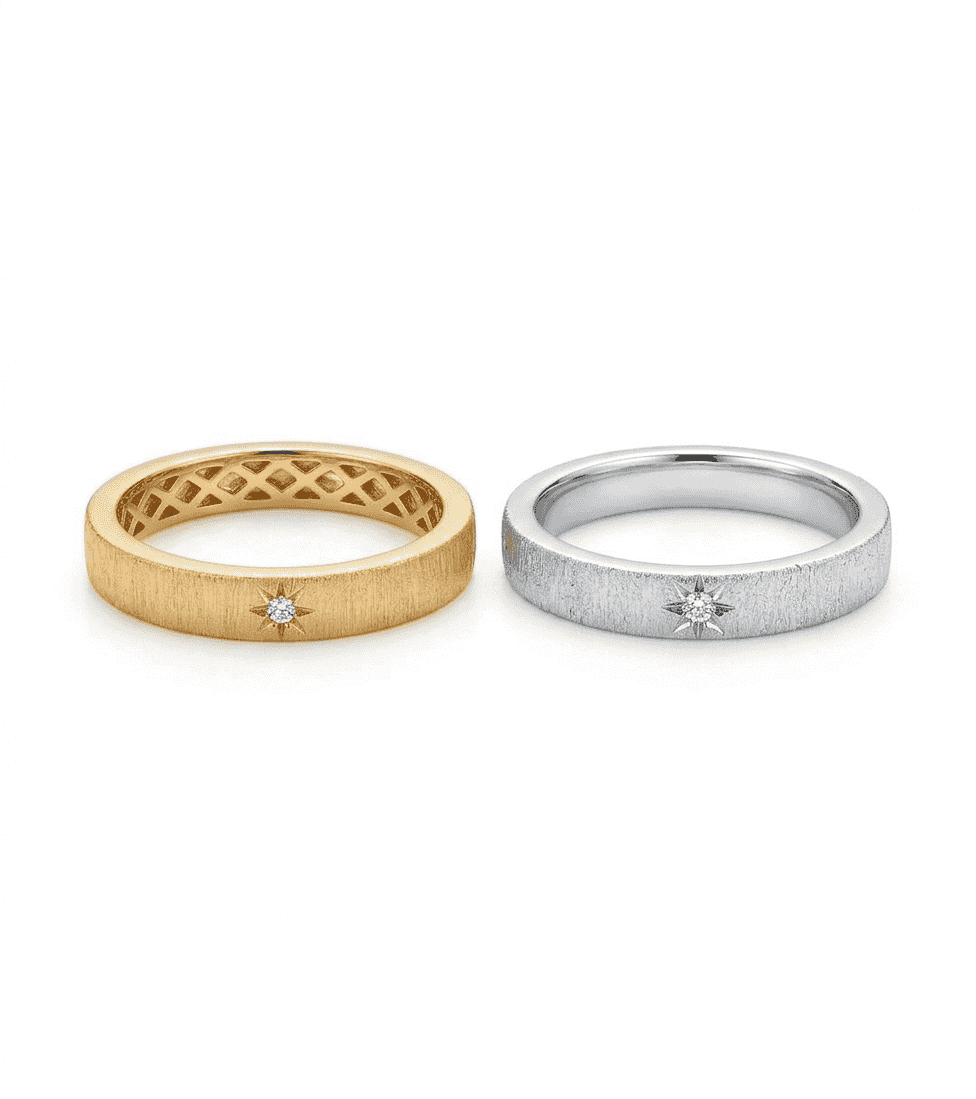
A silver star ring is a ring made from 925 sterling silver with a star-shaped motif — engraved, cast, or set with cubic zirconia — that symbolizes guidance, hope, and ambition. In 2026, star and celestial motifs are one of the fastest-growing themes in fine jewelry, and stackable silver star rings are the entry point for most buyers. MIRAMETAL’s silver star ring is a brushed, rhodium-plated 925 sterling silver band with a brilliant-cut CZ star accent — nickel-free, hypoallergenic, and wholesale-ready from 10 pieces.
Silver Star Ring Meaning & Symbolism
Why do people wear a silver star ring? Because a star is one of the most emotionally loaded symbols in jewelry. Across cultures and centuries, the star represents guidance, hope, ambition, and the belief that anything is possible. The five points of a classic star are traditionally read as the five elements — earth, air, fire, water, and spirit — which is why star rings are given as reminders of balance and direction.
- The North Star — guidance and “finding your way home”; a popular meaning for travel gifts and graduation rings.
- A shooting star — wishes, dreams, and fleeting moments worth capturing.
- Stars in clusters — connection, constellation-like bonds between people.
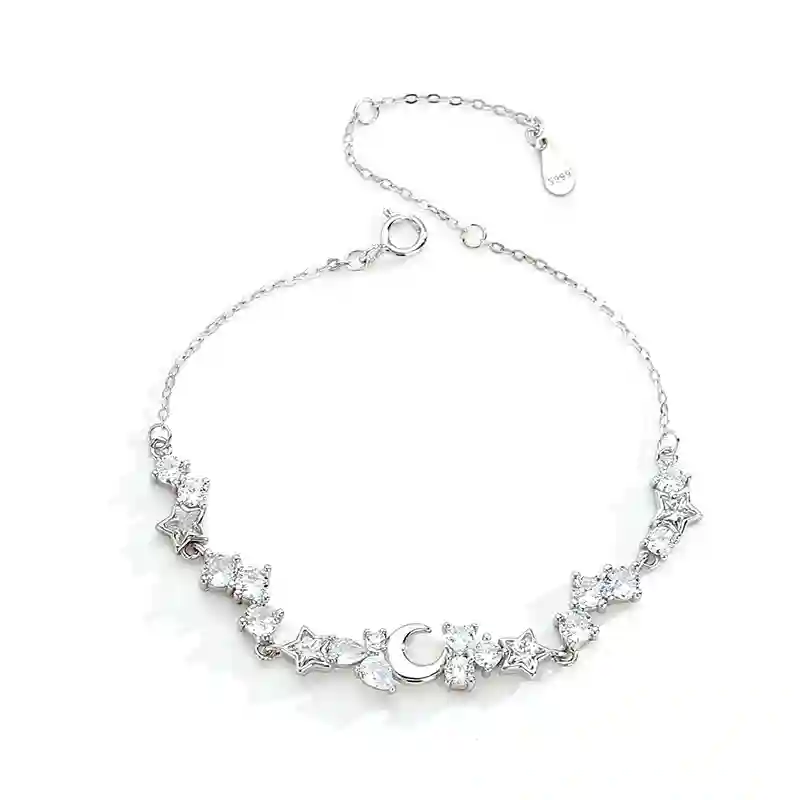
- Star and moon together — the balance of light and intuition, one of the most requested celestial pairings in 2026.
This is why the silver star ring has become a default meaningful gift: it says “keep reaching,” “you are my guiding light,” or “dream big” without a single engraved word. If you sell jewelry, the story sells the ring.
A symbol older than the ring itself. The five-pointed star appears in artifacts from ancient Babylon and Egypt, was used as a talisman across Mediterranean and Middle Eastern craft traditions, and was carried into European jewelry by artisans who read the star as protection and destiny. In Islamic and Moroccan jewelry, stars and star-shaped pendants are among the most common protective motifs; in Eastern European folk jewelry, a star stitched or stamped on silver was a wish for a safe journey. What 2026 buyers feel when they put on a silver star ring — protection, direction, a little magic — is the same thing their great-grandparents felt. The motif is meaningful precisely because it has never stopped being meaningful.
Stars and the zodiac. Celestial jewelry overlaps heavily with zodiac and astrology buyers. A star ring is the easiest way to nod to a birth sign without wearing a literal zodiac symbol, which is why astrologically-inclined buyers, and the retailers who serve them, treat star rings as a year-round staple rather than a seasonal novelty.
Why Silver Star Rings Are Trending in 2026
Celestial jewelry is not a one-season fad. The Financial Times reported in early 2026 that stars, moons, and zodiac motifs were resurfacing across fine and high-jewelry collections, with three major launches in the opening weeks of the year alone. Fashion-trend trackers note that star and celestial motifs have now held relevance for three consecutive years — unusually long for fashion jewelry.
Three forces are driving demand:
1. The layering / stacking movement. Stackable rings are the most searched silver jewelry category in 2025–2026, and a star ring is the natural “hero” piece of a stack.
2. Personalized, symbolic jewelry. Buyers want pieces that mean something. Our own GSC data shows “symbolic sterling silver jewelry” queries climbing, and a star ring is one of the most versatile symbols.
3. Silver’s comeback. Sterling silver is having a pricing and fashion moment — the Silver Institute tracks the demand shift — and buyers who cannot justify gold price points are trading into 925 silver with premium finishes like rhodium plating.
For retailers and wholesalers, the takeaway is concrete: stock star rings in sizes 6, 7, and 8 with a stackable band profile, because that is exactly what end consumers are searching for.
The data behind the trend. Beyond the Financial Times report, three concrete signals tell retailers the silver star ring is a buy-now category:
- Search behavior. “Silver star ring” and its variants are already pulling impressions on Google for this site without a dedicated guide page — a sign of demand that no current page fully satisfies.
- Men’s jewelry. Star rings in wider, brushed bands are one of the fastest-growing men’s ring categories in 2025–2026, riding the same masculine-signet wave that made signet rings popular again.
- Social proof. Celestial and star content consistently over-indexes on TikTok and Pinterest; star rings photograph well and stack well, which is exactly the kind of visual content social algorithms reward.
What Makes a Quality Silver Star Ring: 925 Sterling Silver Explained
Not every “silver star ring” is sterling silver. Here is the factory standard, straight from our production floor:
- 925 sterling silver means 92.5% pure silver mixed with 7.5% alloy (usually copper) for strength. Look for the “925” hallmark or “S925” — if it is missing, treat the ring as suspect.
- Rhodium plating is the anti-tarnish layer applied over the silver. A rhodium-plated silver star ring resists tarnishing for months of daily wear and gives the bright, white-metal finish that makes CZ sparkle.
- Nickel-free matters for sensitive skin. Nickel allergy is one of the most common metal allergies; a genuine nickel-free 925 silver ring should not cause green skin or itching.
- Cubic zirconia (CZ) is the accent stone most star rings use. A brilliant-cut CZ ranks 8–8.5 on the Mohs scale — hard enough for daily wear, with diamond-like fire at a fraction of the cost. At MIRAMETAL, every CZ is hand-set and inspected under 10x magnification.
- Finish — brushed matte, polished, or oxidized. A brushed star ring catches light softly and hides micro-scratches better than a mirror polish, which is why most everyday stackable star rings use it.
The MIRAMETAL silver star ring is 925 sterling silver, rhodium plated, nickel-free, with a brilliant-cut CZ star accent and a brushed matte finish — the same spec we recommend when buyers ask what to stock.
Silver Star Ring vs Other Metals: What You Are Actually Buying
| Metal | Silver content | Tarnish risk | Nickel risk | Best for | Wholesale verdict |
|---|---|---|---|---|---|
| 925 sterling silver | 92.5% | Low when rhodium-plated | Low when nickel-free | Everyday star rings | Best value-per-piece |
| 999 fine silver | 99.9% | High | None | Pure-silver collectors | Too soft for daily wear |
| Silver-plated base metal | 0% | High (plating wears off) | High | Costume looks | Avoid for “silver” claims |
| Gold vermeil | 92.5% core + gold plate | Low | Low | Luxury gifting | Higher price point |
| Stainless steel | 0% | None | Low | Budget durability | Different market |
The conclusion is simple: if the product is marketed as a silver star ring, it should be 925 sterling silver. Everything else is a substitute with a shorter lifespan and a compliance risk when you sell to US or EU customers who check labels.
7 Silver Star Ring Styles to Know Before You Buy
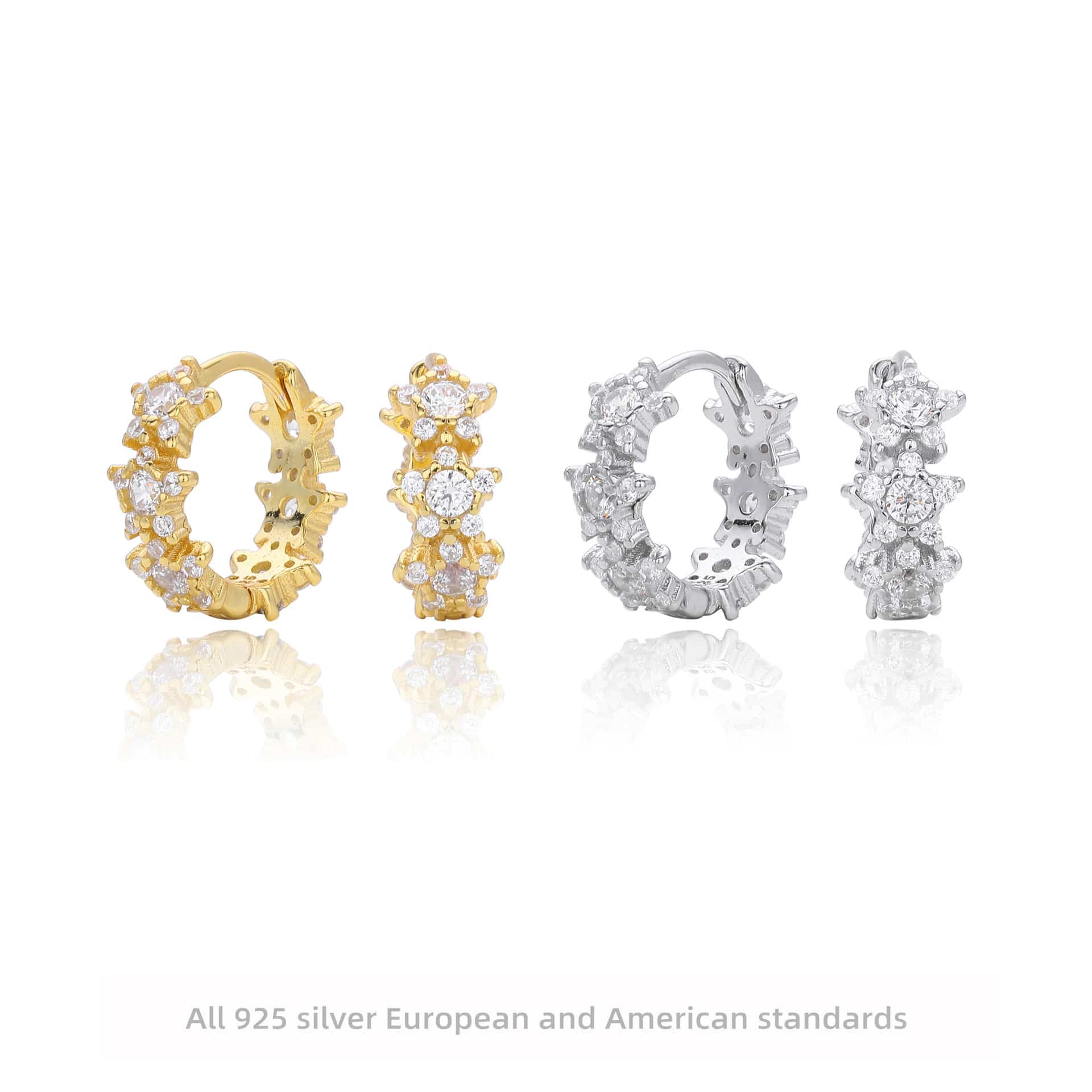
1. Minimalist engraved star ring — a thin band with a tiny star; the everyday, dainty best-seller.
2. Stackable star ring — a flat-profile band designed to sit flush with other rings; the 2026 format.
3. CZ star ring — a star set with cubic zirconia; maximum sparkle for gifting.
4. Moon and star ring — celestial pairing; strong wedding and anniversary angle.
5. Constellation ring — dots connected like a star chart; personal and zodiac-linked.
6. Statement star ring — bold, sculptural star for evening wear.
7. Unisex / signet star ring — wider band, brushed or oxidized; popular with men’s jewelry buyers.
How to Choose a Silver Star Ring: 9-Point Factory Checklist
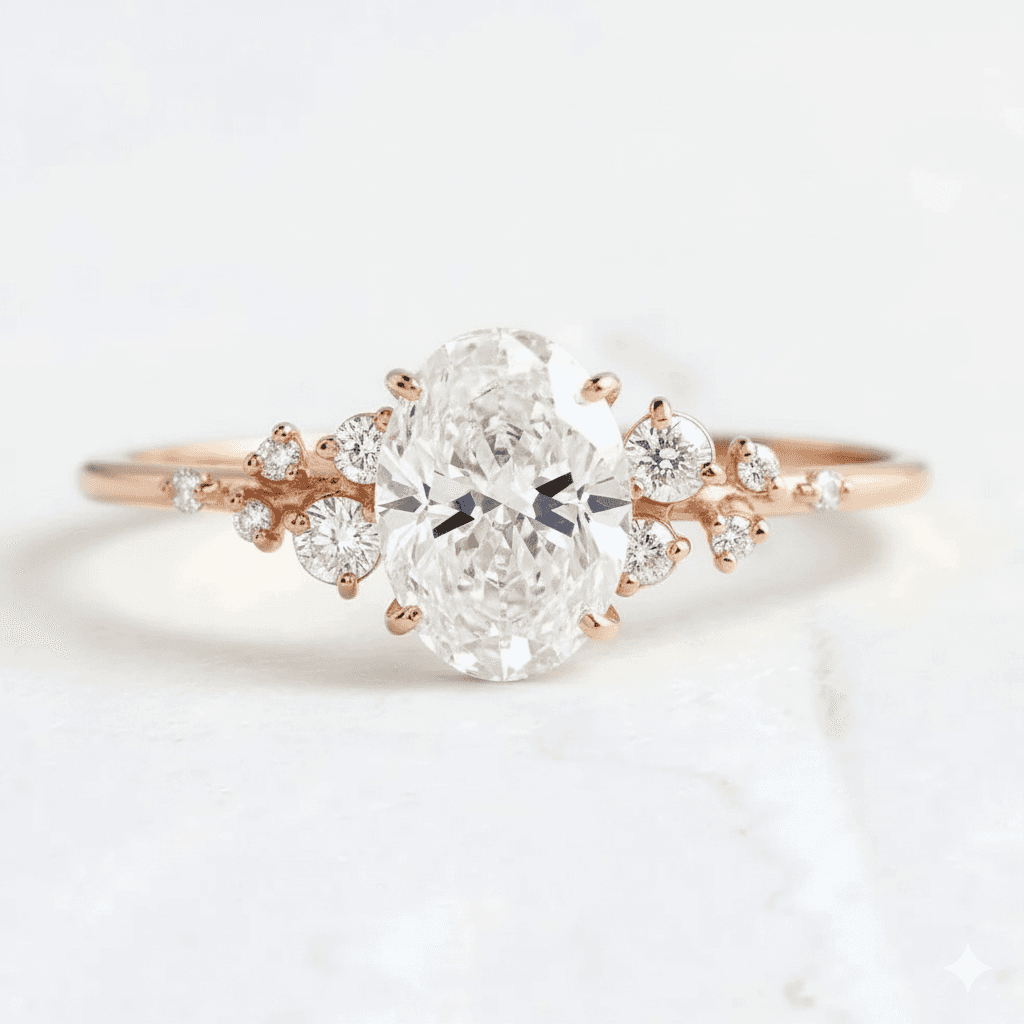
Use this checklist whether you are buying one ring or a thousand:
1. Check the hallmark. 925 or S925 stamped on the inner band.
2. Confirm rhodium plating. Ask the supplier directly; this determines tarnish resistance.
3. Verify nickel-free certification. Essential for sensitive-skin buyers and US/EU retail compliance.
4. Inspect CZ quality. Brilliant-cut, hand-set, no loose stones; ask about 10x inspection.
5. Check band width and profile. A stackable star ring should be flat on the inside edges to sit flush.
6. Weigh it. A quality 925 ring has reassuring weight; feather-light rings are often hollow or plated.
7. Match ring size. US sizes 5–8 cover most demand; wholesalers should stock 6, 7, 8.
8. Ask about plating consistency. Rhodium should cover the whole band, not just the top.
9. Test the finish. Brushed matte should be uniform; polished should be mirror-clean.
Read our how to identify real silver guide for the field tests, and our sterling silver vs silver plating comparison for why solid 925 beats plated base metal.
Silver Star Ring Size Guide (US)
Getting the size right is the difference between a ring that is worn daily and one that stays in a drawer. US ring sizes run roughly 3–13, with 5, 6, 7, and 8 covering the majority of female buyers and 9–11 covering most men. Because a stackable silver star ring sits flush against other bands, it should fit slightly snugger than a standalone ring — about half a size down if you plan to stack three or more.
- Size 5 — petite fingers, teen and small-hand buyers.
- Size 6–7 — the most common female sizes; stock these deepest.
- Size 8 — between sizes and ring-finger buyers who stack.
- Size 9–11 — men’s and large-hand demand; the fastest-growing wholesale bracket.
- Adjustable / open-band star rings — a low-risk option for gift buyers who do not know their size, at a slightly lower price point.
Wholesale tip: order sizes 6, 7, and 8 in a 3:3:2 ratio for a first test order, then rebalance from sell-through data.
How to Stack and Wear a Silver Star Ring
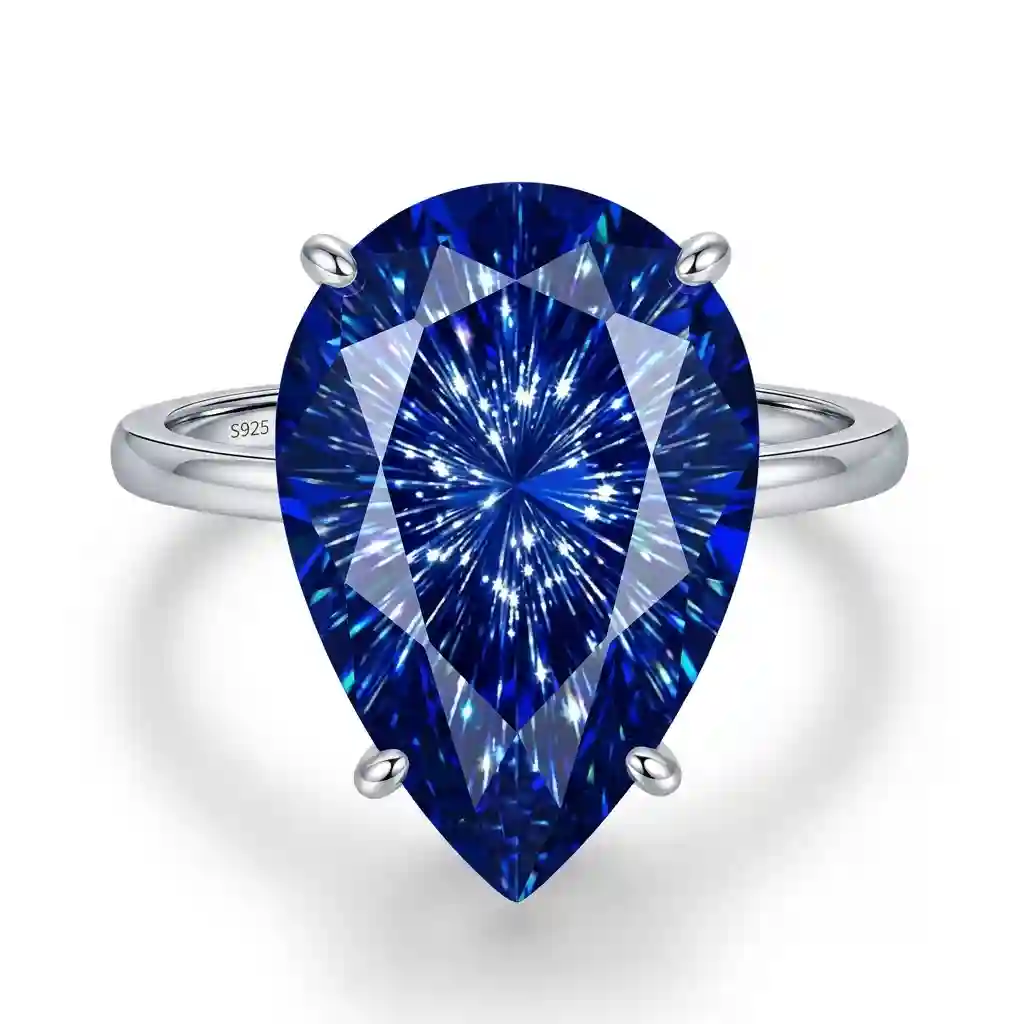
A silver star ring is designed to be layered. The 2026 rule of thumb: two to three rings per hand is elegant, up to five per finger is maximalist. Build the stack around the star ring as the anchor:
- Wear the silver star ring on your middle finger for a modern focal point, or the ring finger for a delicate statement.
- Pair it with plain polished bands — the contrast of brushed star vs. polished band is the signature look.
- Mix silver with a thin gold-plated band deliberately; mixed metal is a 2026 styling trend, not a mistake.
- Keep 1–2 mm of breathing space between rings to avoid scratching.
For a coordinated set, the star moon bracelet and star earrings complete the celestial look, while the crescent moon ring and constellation ring add depth to the same theme.
How to Clean and Care for Your Silver Star Ring
A rhodium-plated silver star ring needs minimal care, but a few habits keep it bright:
- Wipe after wear with a soft, lint-free cloth to remove oils.
- Wash with mild soap and warm water, never toothpaste or abrasive cleaners (they strip rhodium).
- Avoid chlorine and sulfur — pools, hot springs, and some cosmetics cause tarnish.
- Store in an anti-tarnish pouch or sealed bag when not worn.
- Polish sparingly — over-polishing wears the rhodium layer.
Full factory care protocols are in our 925 silver jewelry maintenance guide.
Why silver tarnishes (and why your star ring mostly won’t). Tarnish is silver sulfide — a reaction between silver and sulfur compounds in the air, in sweat, and in everyday products like rubber, eggs, and some cosmetics. Rhodium plating physically blocks that reaction, which is why a rhodium-plated silver star ring stays bright for months while an unplated piece can dull in weeks in humid or polluted air. When the rhodium eventually wears thin on high-contact points (usually after a year or more of daily wear), the silver underneath is easy to re-plate — ask your supplier about re-plating service for wholesale reorders.
Silver Star Ring as a Gift: Occasions That Work
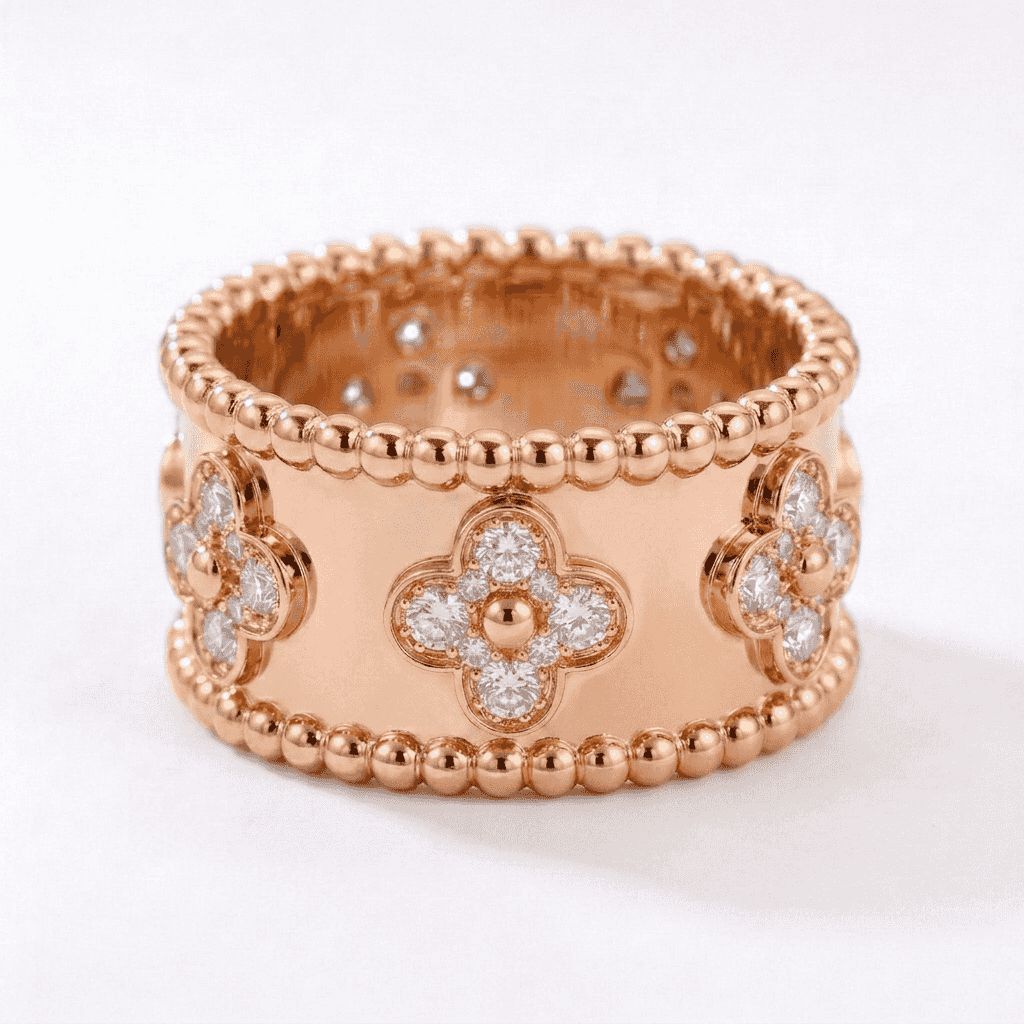
Because the star means “guidance” and “dreams,” the silver star ring fits more occasions than almost any other motif:
- Graduation — “your guiding star” for the next chapter.
- Birthday — personal, symbolic, affordable luxury.
- Anniversary — especially the moon-and-star pairing.
- Mother’s Day — a star for the person who always steered you right.
- New job / new city — a fresh-start talisman.
- Just because — self-gifting is the fastest-growing jewelry segment in 2026.
For gift buyers, a four leaf clover ring adds a luck layer, and the teardrop 925 silver ring is the minimalist alternative. See our gift collection for more.
Silver Star Rings for Retailers: Wholesale & Custom
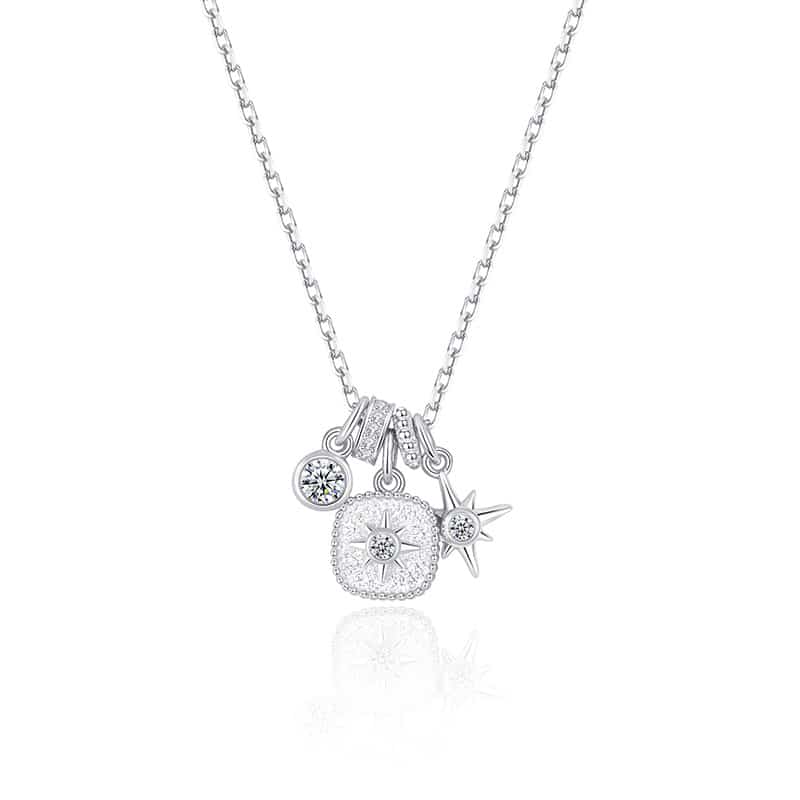
Retailers and boutique owners: the silver star ring is a low-risk, high-velocity SKU. Wholesale data across 2025–2026 shows star rings priced between $18–$28 at wholesale perform best in bundles, with sizes 6, 7, and 8 covering most of the demand curve.
At MIRAMETAL you can:
- Wholesale from 10 pieces with tiered pricing — read our silver jewelry wholesale guide for the factory-direct playbook.
- Customize — private label, custom packaging, engraved brand marks, and bespoke star designs via our custom jewelry manufacturing service.
- Scale assortments — combine the star ring with our celestial collection (star earrings, star moon bracelet, crescent ring, constellation ring) to build a coherent 2026 celestial program.
- MOQ 1 piece for testing, then scale — the same low-risk path used by thousands of brands; see how to start a jewelry business.
Request a catalog, samples, or a factory quote through our wholesale contact page. Every batch is handcrafted by 15-year artisans, inspected under magnification, and shipped with full documentation — because a star ring that tarnishes in a month is not a star ring at all.
FAQ About Silver Star Rings (22 Questions)
Q1: What does a silver star ring symbolize?
A silver star ring symbolizes guidance, hope, ambition, and dreams. The five points of the star are traditionally linked to the five elements (earth, air, fire, water, spirit), and the North Star specifically represents direction and “finding your way.” This makes the silver star ring a popular meaningful gift for graduations, birthdays, and new beginnings.
Q2: Is 925 silver the same as sterling silver?
Yes. 925 sterling silver is 92.5% pure silver mixed with 7.5% alloy for strength, and genuine pieces are stamped “925” or “S925.” A true silver star ring should always carry this hallmark.
Q3: Will my silver star ring tarnish?
All silver can tarnish, but a rhodium-plated 925 silver star ring resists tarnishing far longer. Avoid chlorine, sulfur, and abrasive cleaners; wipe it after wear and store it in an anti-tarnish pouch.
Q4: Is the silver star ring safe for sensitive skin?
If it is nickel-free, yes. Nickel is the most common metal allergen, which is why MIRAMETAL star rings are certified nickel-free and hypoallergenic.
Q5: Can I wear a silver star ring every day?
Absolutely. The brushed matte finish hides micro-scratches, and rhodium plating protects the silver — it is designed as an everyday stackable ring.
Q6: How many rings can I stack with a star ring?
Two to three rings per hand is the elegant 2026 standard; up to five per finger works for a maximalist look. Leave 1–2 mm between rings to avoid scratching.
Q7: Do you offer wholesale or custom silver star rings?
Yes. MIRAMETAL offers wholesale from 10 pieces, MOQ 1 piece for testing, private label, custom packaging, and OEM/ODM star designs. Contact our factory for a quote.
Q8: What is the wholesale price of a silver star ring?
Wholesale prices for a 925 sterling silver star ring range $18–$28 per piece in 2026, depending on the design and CZ count. Retail prices typically run $45–$89.
Q9: Does a silver star ring turn your finger green?
A genuine nickel-free 925 silver star ring should not turn your finger green. Green discoloration indicates silver-plated base metal, not solid 925 sterling silver.
Q10: What is the difference between rhodium-plated and unplated silver?
Rhodium plating is a thin rhodium layer applied over the polished silver. It slows tarnish, brightens the finish, and protects from scratches. Unplated silver is brighter at first but tarnishes within weeks in humid air.
Q11: Can men wear silver star rings?
Yes. Wider-band brushed star rings are one of the fastest-growing men’s jewelry categories in 2025–2026, typically size 9–11 with a 4–6 mm band width.
Q12: How long does rhodium plating last?
For everyday wear, 12–24 months before visible wear on high-contact points. For occasional wear, 3+ years. Re-plating costs $20–$40 at retail.
Q13: Is a silver star ring a good graduation gift?
Yes — one of the most popular graduation gifts in 2026 because the star symbolizes guidance and the next chapter.
Q14: Can a silver star ring be worn in the shower?
Best to remove before showering. Soap residue dulls the rhodium finish, and hard water leaves mineral deposits. Daily shower wear shortens rhodium life by 30–50%.
Q15: How do I clean a silver star ring at home?
Wash in warm water with mild dish soap, dry with a soft lint-free cloth, store in an anti-tarnish pouch. Do not use toothpaste or jewelry dips — they strip rhodium over time.
Q16: Can I resize a silver star ring?
Yes, a jeweler can resize up or down by one full US size without damaging the stone setting. Larger size changes may require re-casting. Cost: $15–$40 at retail.
Q17: Does a silver star ring have a 925 stamp inside?
Yes, every genuine 925 sterling silver star ring carries a “925” or “S925” stamp on the inner band. Counterfeit pieces may use a sticker or laser etching that wipes off with acetone.
Q18: What is the lead time for a wholesale order?
In-stock designs ship in 3–5 business days. Custom designs take 14–21 days for samples, then 21–35 days for bulk. Shipping via DHL, FedEx, or sea freight.
Q19: Can I customize the star design for my brand?
Yes. MIRAMETAL offers full OEM/ODM: send your sketch, CAD, or reference, and we produce a 3D render, sample, and bulk run. MOQ 50 pieces per design, 14–21 day lead time.
Q20: Is a silver star ring better than a gold one?
Depends on your goal. Silver star rings are accessible, versatile, hypoallergenic, and trend-aligned for 2026. Solid gold carries higher perceived value and resists tarnish but costs 10–20x more.
Q21: Can I wear a silver star ring with other metals?
Yes — mixed-metal stacking (silver + thin gold band) is a deliberate 2026 trend. Avoid mixing silver with copper or brass, which accelerates tarnish on silver.
Q22: What is the difference between a star ring and a celestial ring?
A star ring features a star as the central motif. A celestial ring is the broader category that includes stars, moons, suns, constellations, zodiac symbols, planets, and comets.
Final Verdict
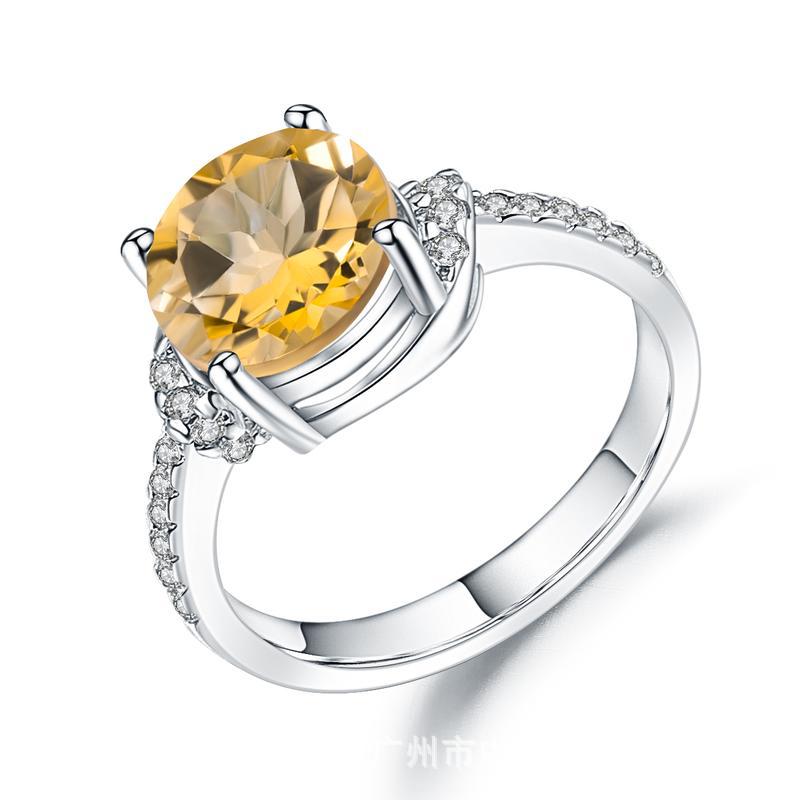
The silver star ring is a symbol with 5,000 years of meaning and a 2026 trend curve that is still climbing. Whether you are buying one meaningful ring or planning a wholesale celestial collection, the formula is the same: genuine 925 sterling silver, rhodium-plated, nickel-free, with a CZ star accent that actually sparkles. That is the spec our factory has built for 15 years — and it is the spec that keeps star rings selling.
Shop the silver star ring — Silver Star Ring — Stackable 925 Silver
Wholesale inquiry — Contact MIRAMETAL