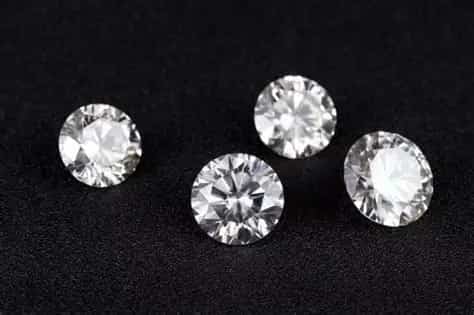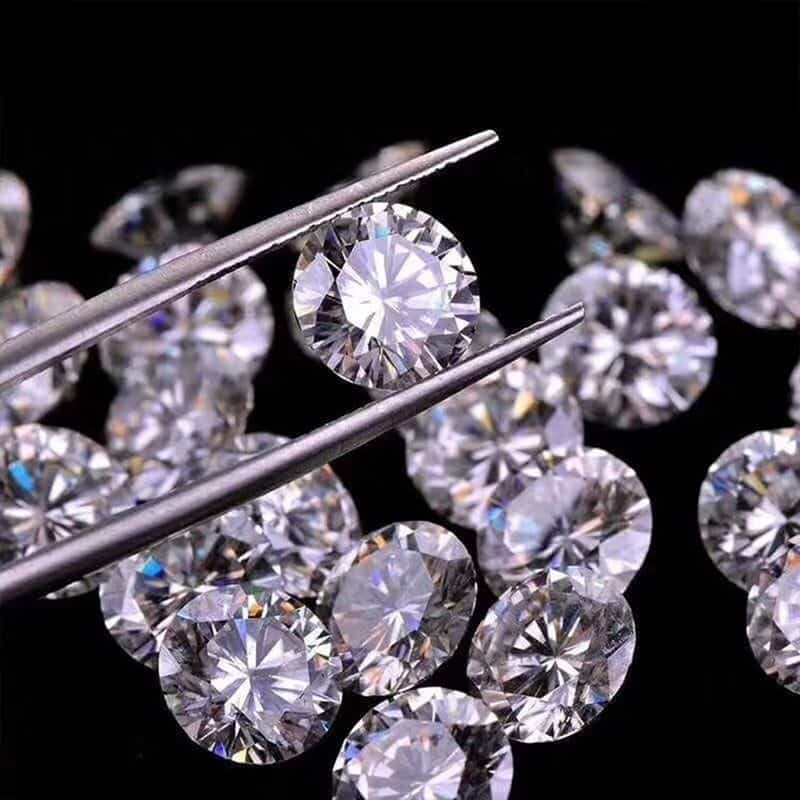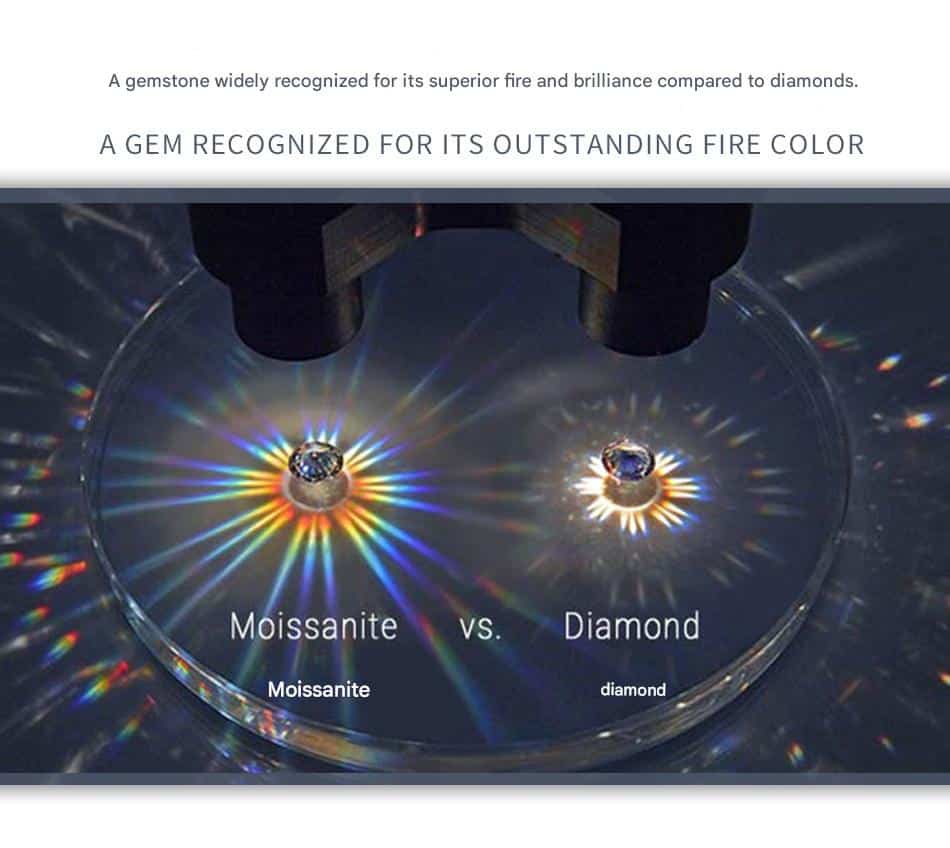

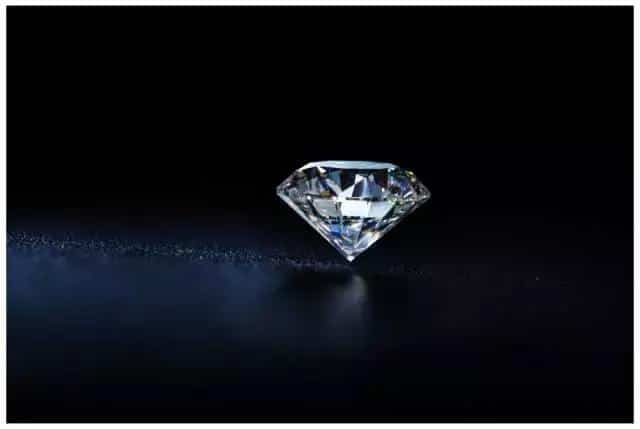
Moissanite is silicon carbide (SiC), first identified in 1893 by Nobel Prize-winning chemist Henri Moissan while examining meteorite fragments from Canyon Diablo. This extraterrestrial origin earned it the poetic nickname 'star stone.' Natural Moissanite crystals are exceedingly rare in terrestrial deposits and far too small for jewelry applications, making commercial use impossible without laboratory synthesis.
Today's Moissanite is 100% lab-created using advanced high-pressure, high-temperature (HPHT) or chemical vapor deposition (CVD) methods that mimic natural conditions over extended growth periods—often six months or longer. These processes require sophisticated equipment, precise control of temperature, pressure, and gas mixtures to produce flawless crystals with exceptional optical properties. Unlike mined diamonds, which involve extensive environmental disruption, heavy machinery, and potential ethical issues in supply chains, Moissanite production is clean, controlled, and conflict-free. 2026 industry reports emphasize that consumer demand for sustainable alternatives has accelerated adoption, with lab-grown gems like Moissanite leading the charge toward ethical luxury. No habitat destruction, no water pollution, no carbon-intensive extraction—simply science delivering superior sparkle.