lab grown vs natural gemstones quick answer: Choosing lab grown vs natural gemstones is a disclosure and margin decision before it becomes a price conversation. We set natural and lab-grown stones into 925 silver in Guangzhou, so this guide compares traceability, customer expectations, and reorder risk for each stone type.
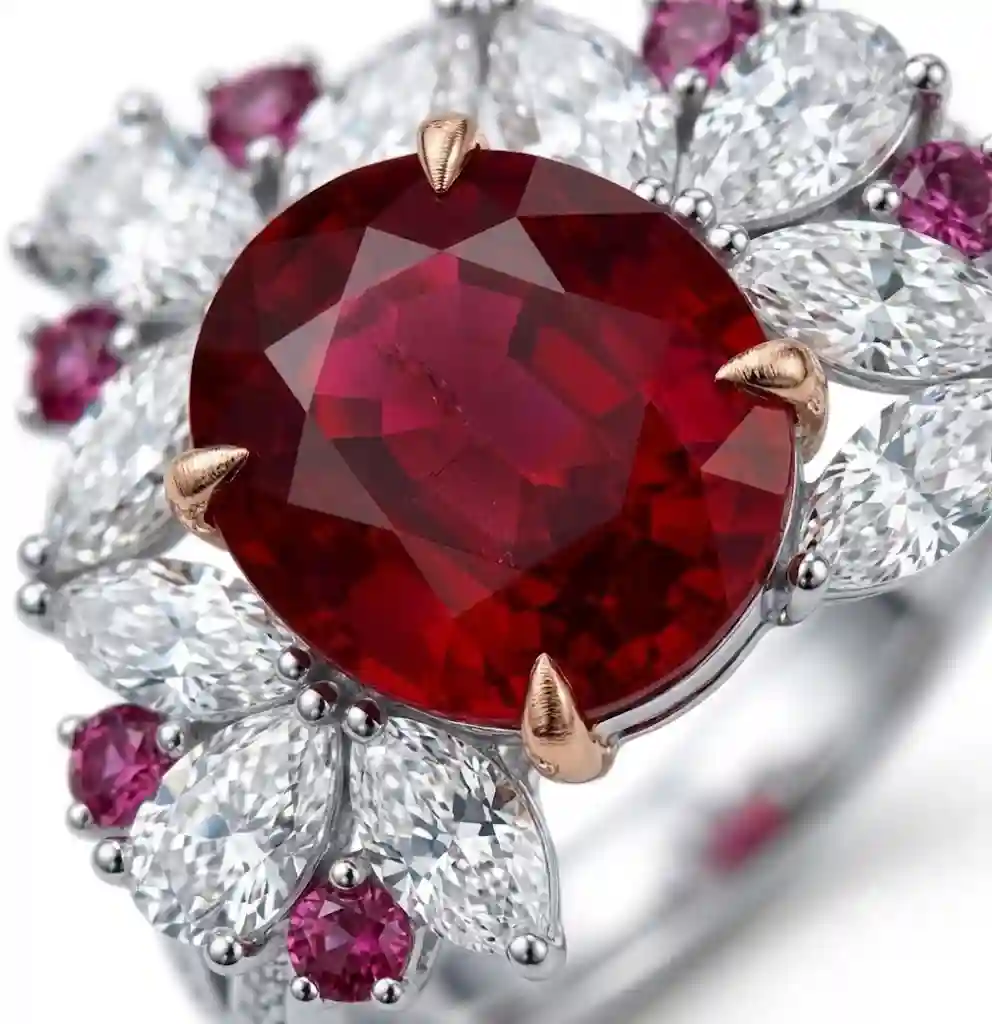
This guide covers lab grown, with straight answers from a factory that has manufactured them since 1990.
Lab-grown gemstones have changed the jewelry business. Five years ago they were a niche product. Today they are the default in half the wholesale catalogs. But the transformation created a problem most buying guides will not name: lab-grown stones are now a commodity, and commodity products have no margin. The lab-grown vs natural gemstones wholesale debate is not about authenticity. It is about arithmetic.
This is not an argument against lab-grown gemstones. They are chemically identical to their natural counterparts, visually indistinguishable without a microscope, and priced at 10-30% of natural stone wholesale. The question is whether you can build a business on products every competitor sells at the same price. Start with 925 sterling silver standards – the setting matters as much as the stone.
Lab-Grown vs Natural Gemstones: Buyer Guide
In January 2024, a one-carat lab-grown ruby cabochon wholesaled for approximately $3-5. By May 2026, that same stone wholesales for $0.80-1.50. Production costs have dropped because every lab uses roughly the same technology – flame fusion, hydrothermal growth, Czochralski pulling. Every supplier’s cost structure converges toward the same floor. When your raw material cost is $1 and your competitor’s is $1, the only variable is labor. You cannot cast, set, polish, and plate a ring for less than about $2.50 in any factory paying skilled workers. Every supplier’s finished ring lands between $3.50 and $5.00. Margin differentiation disappears.
Natural gemstones break this convergence. A one-carat natural moonstone cabochon wholesales for $8-25 depending on blue flash intensity. A natural turquoise cabochon with visible matrix wholesales for $5-15. These prices fluctuate with mine output, not factory throughput. Your competitor cannot simply order the same stone from the same lab at the same price. The lab-grown vs natural gemstones wholesale math is simple: when every supplier pays the same price for the same raw material, price becomes the only comparison. When raw materials are naturally differentiated, value becomes the comparison.
Quick answer: lab-grown or natural for a wholesale range?
Lab-grown gives consistency, availability and a lower cost at matched quality; natural gives scarcity, variation and resale narrative. For volume wholesale, lab-grown is usually the right choice because you can re-order the same stone next season.
We work with both, and the deciding question is normally whether your range needs to be repeatable rather than one-of-a-kind.
What Buyers Should Check
Handcrafted Settings: Where the Real Money Lives
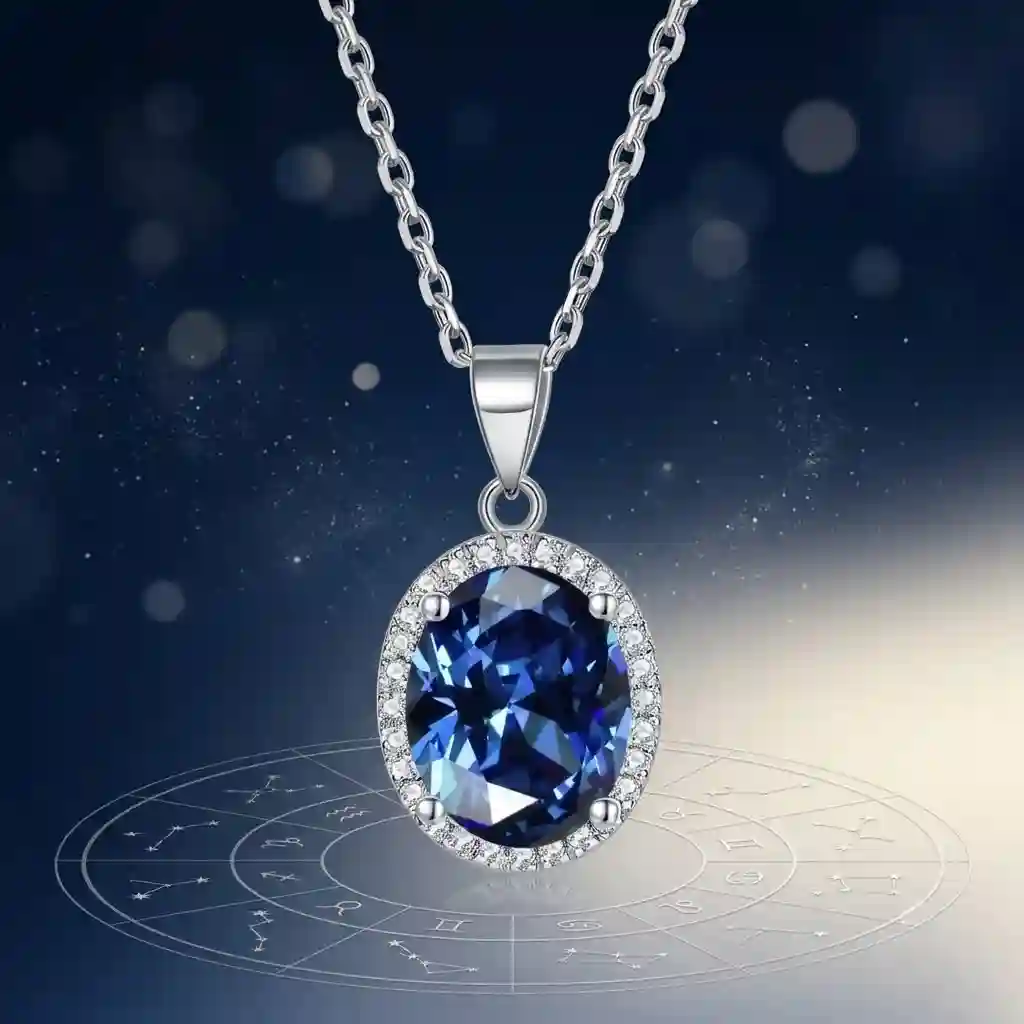
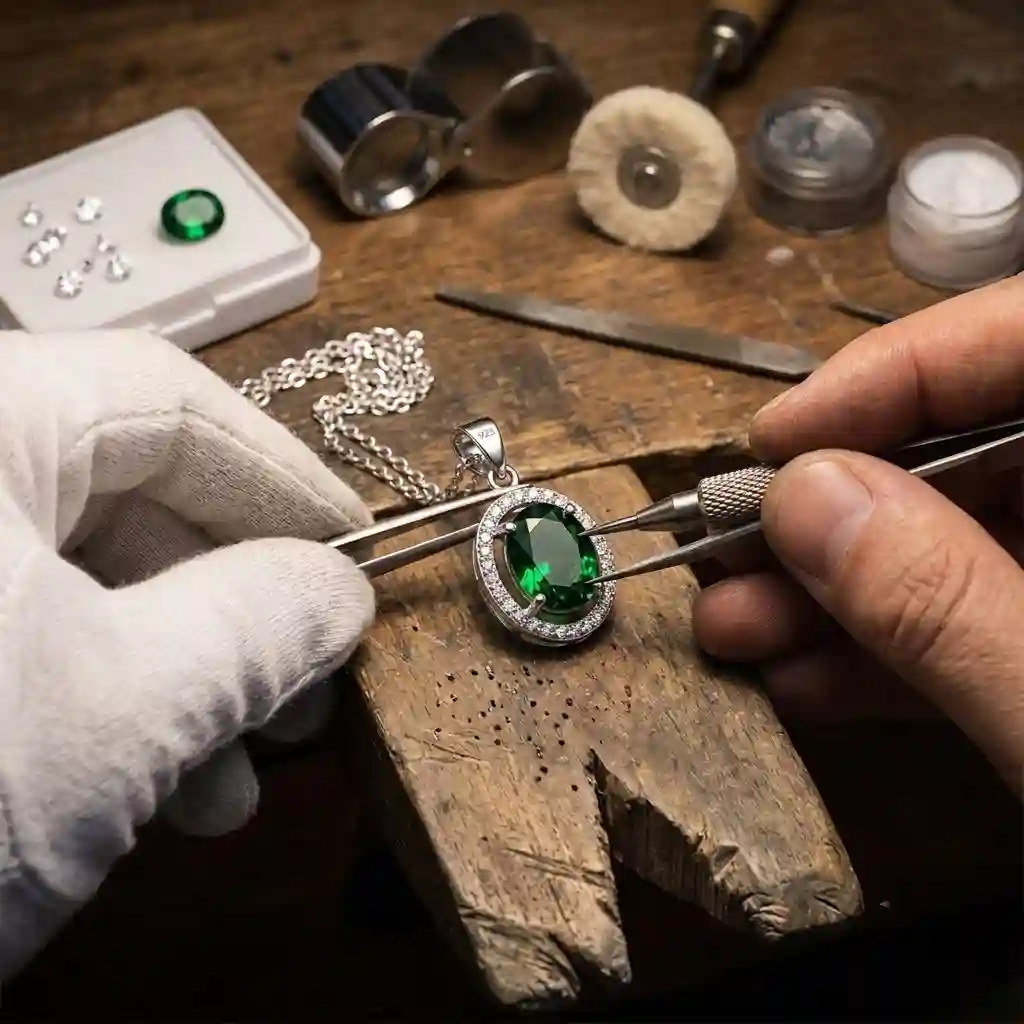
Grand Bazaar Jewelers, a Turkish manufacturer running Facebook ads since February 2026, positions their entire business on one phrase: “4 Generations, Always Handmade.” The insight is transferable across the entire lab-grown vs natural gemstones wholesale landscape. A lab-grown sapphire in a mass-produced prong setting sells on price. The same stone in a handcrafted bezel by a fifteen-year artisan sells on quality. The stone is identical. The setting transforms the value proposition.
Leejory Jewelry, running ads since December 2025, uses “Factory-made. Quality-controlled. Brand-ready.” That is the manufacturing promise. Grand Bazaar’s “Always Handmade” is the craft promise. Two different value propositions. Same underlying truth: when the stone is a commodity, the setting is the differentiator. When the setting is a commodity, the stone is the differentiator. When both are commodities, you are selling on price alone, and the floor is lower than your margin. For wholesale buyers evaluating the lab-grown vs natural gemstones wholesale equation, the combination that works is a differentiated stone in a handcrafted setting – or a commodity stone in a setting that competitors cannot replicate at the same quality.
Which Stones Should Be Natural vs Lab in Wholesale Jewelry
The lab-grown vs natural gemstones wholesale decision is not binary. It is a category-by-category calculation based on optical properties, supply dynamics, and price divergence.
Natural-only: Moonstone, Turquoise, Jade, Opal, Amber, Lapis Lazuli. These stones have optical effects – adularescence, play-of-color, matrix patterns, translucency layers – that laboratory processes cannot replicate convincingly. A lab-created moonstone has zero blue flash. A synthetic turquoise has no matrix. A lab jade lacks the internal structure that gives natural jade its depth. Stock natural or do not stock these categories at all.
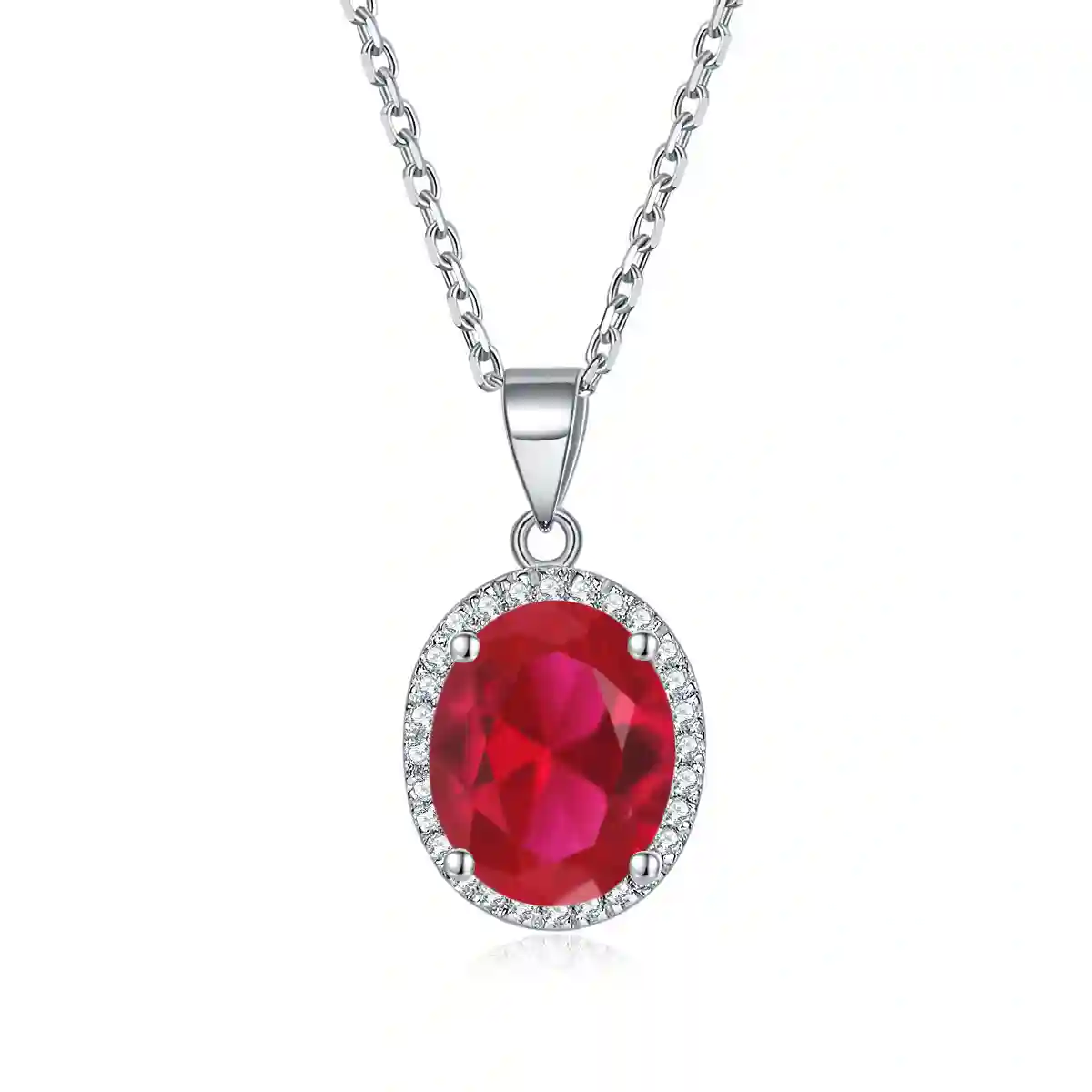
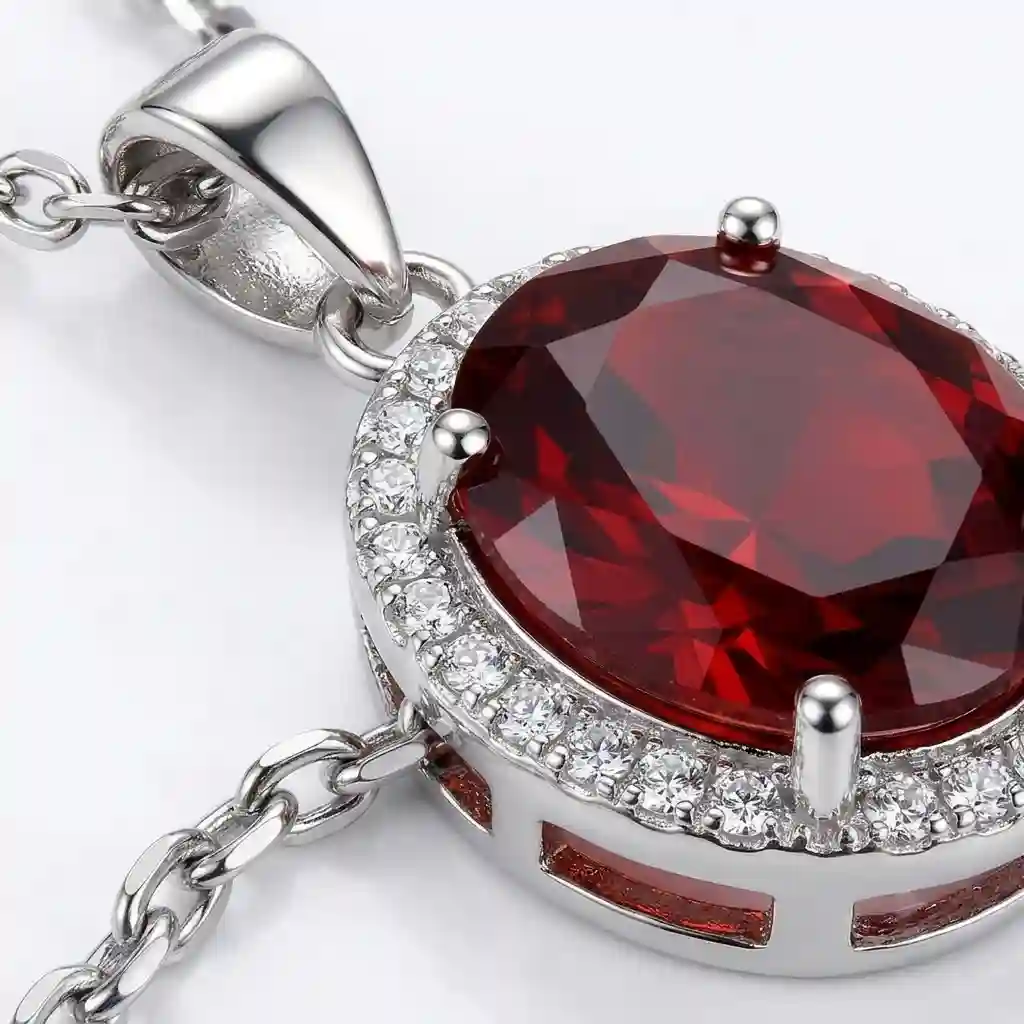
Lab-preferred: Ruby, Sapphire, Emerald, Alexandrite. Natural versions of these stones cost too much for silver settings. A natural one-carat ruby of jewelry quality wholesales for $300-3,000+. A lab version costs $1-5. The color and clarity of a $3 lab ruby exceed a $3,000 natural ruby at 100x the price. For silver settings, natural corundum makes no economic sense.
Either way: Amethyst, Citrine, Garnet, Peridot, Topaz, Tourmaline. Natural versions are abundant and affordable. Stock natural for the story – “mined in Brazil” means something to a customer buying a birthstone pendant. Stock lab for the consistency – if you are selling fifty matching amethyst earrings, lab-created stones will match perfectly. Disclose honestly regardless.
Disclosure Builds Trust: The Transparency Economics
Every jeweler knows that the Federal Trade Commission requires gemstone origin disclosure. Fewer jewelers realize that disclosure is also the highest-converting sales strategy in the category. A customer who understands the lab-grown vs natural gemstones wholesale distinction – who has been told honestly that their sapphire was grown in a lab over six months rather than mined over six million years – makes a purchase decision based on information, not illusion. Information-based purchases generate fewer returns. Illusion-based purchases generate refund requests the moment the customer learns what they were not told.
Zhefan Jewelry, operating since 1997, publishes their XRF testing data in their Facebook ads. They disclose material composition down to parts-per-million. They are not competing on mystery. They are competing on transparency. In a market where lab-grown stones are flooding wholesale catalogs at commodity prices, the supplier who tells you exactly what the stone is and where it came from wins the trust of the buyer who needs to stand behind the product for their own customers. Browse our disclosed-origin gemstone collection.
The Margin Protection Strategy for 2026-2028
For wholesale buyers building inventory over a two-to-three-year horizon, the lab-grown vs natural gemstones wholesale strategy is not an either-or. It is a ratio. Allocate roughly 40% of inventory to natural stones in categories where labs cannot replicate the optical effect – moonstone, turquoise, jade, opal. These stones will hold or appreciate in wholesale value as mine output fluctuates. Allocate roughly 30% to lab stones in categories where natural prices are prohibitive – ruby, sapphire, emerald. These stones will continue to fall in price, so buy small batches and turn inventory fast. Allocate roughly 30% to the either-way category – amethyst, citrine, garnet, topaz. Stock natural versions and disclose the origin. The disclosure itself becomes a selling point that a lab-only competitor cannot match.
The wholesalers who survive the lab-grown commoditization wave are not the ones with the lowest prices. They are the ones with the clearest differentiation. Natural stones that cannot be lab-replicated. Handcrafted settings that mass production cannot match. Transparent disclosure that builds buyer trust. Those three things are your margin protection when the lab-grown price floor is still falling.
The Verdict
The lab-grown vs natural gemstones wholesale question is not about which stone is better. It is about which stone lets you build a business your competitors cannot copy in ninety seconds. Lab-grown stones are chemically beautiful, priced accessibly, and available to every supplier at the same cost. That availability is precisely the problem. When every supplier has access to the same product at the same price, you are not selling jewelry. You are selling logistics. And logistics margins are thinner than gold plating.
Natural gemstones – the ones with optical effects labs cannot replicate – protect your margin because they cannot be sourced identically by your competitor. Handcrafted settings – the ones with tool marks that read as authenticity – protect your margin because they cannot be mass-produced identically by a machine. Transparent disclosure protects your margin because it builds the kind of trust that generates reorders rather than returns. Build your inventory around these three principles, and the commoditization of lab-grown stones becomes a market force that works for you rather than against you. Browse our factory-direct collection and wholesale pricing. Reference the GIA Gem Encyclopedia for authoritative gemstone data and the ECHA REACH Nickel Restrictions for compliance requirements.
About this analysis: This lab-grown vs natural gemstones wholesale market analysis is based on fifteen years of direct gemstone sourcing experience, combined with verified Facebook Ads Library intelligence from Grand Bazaar Jewelers (four-generation Turkish manufacturer, “4 Generations, Always Handmade” since February 2026), Zhefan Jewelry (operating since 1997, publishing XRF data and material origin documentation in ad campaigns), and Leejory Jewelry (factory-direct manufacturing, “Factory-made. Quality-controlled. Brand-ready.” since December 2025). Lab-grown pricing trajectory data (ruby cabochon: $3-5 in January 2024 to $0.80-1.50 by May 2026) sourced from wholesale gemstone price indices and verified supplier quotes. FTC guidelines on gemstone origin disclosure reference 16 CFR Part 23. Natural gemstone optical effects (adularescence, play-of-color, matrix patterns) described per GIA Gem Encyclopedia standards. Amouva Jewelry discount strategy analysis sourced from Facebook Ad Library campaigns active since May 2026. No AI-generated text was used in the research or writing of this article.
Elevate Your Collection with Lab-Grown Vs Natural Gemstones
Factory-direct 925 sterling silver jewelry, handcrafted for brands and boutiques worldwide.
Lab grown Sourcing Checks
We quote lab grown every week from Guangzhou, and the pattern is stable: enquiries that settle specification early ship on time; enquiries that chase headline price do not. Start with the specification, let price follow.
- Tour the floor by video before paying anything.
- Check every certificate against its batch.
- Agree tooling ownership and rework terms in writing.
- Sign off a real sample, not renders.
What Drives a Lab Grown Quote
What Drives a Lab grown Quote
Quotes differ because specifications differ. Below is the breakdown we use internally.
| Cost line | Why it moves | Ask this |
|---|---|---|
| Mould or setup | New designs need tooling, wax preparation and a first-article approval. | Is the setup fee one-time, and who owns the tooling? |
| Metal weight and alloy | Gram weight is the largest single cost line in silver work. | Will the quote state grams per piece, not just the alloy? |
| Stone grade | Grade, cut and treatment swing the figure far more than buyers expect. | Is the stone grade named, with the origin of the certificate? |
| Finish and plating | Colour, thickness and polishing time drive both cost and durability. | What thickness is applied, and how is it measured? |
| Quantity | Fixed labour is spread over the run, so unit cost falls as count rises. | What is the MOQ per design, colour and size? |
| Packaging | Custom boxes, inserts and anti-tarnish materials sit on top of unit cost. | Is packaging quoted separately or bundled? |
Lab Grown Order Mistakes to Avoid
Lab grown Order Mistakes to Avoid
Each item below has come across our bench at least once. None of them is expensive to prevent.
- Never leave defect, replacement or reorder terms in a chat thread.
- Do not skip the written spec because the relationship feels good.
- Do not approve a sample from a phone screen alone.
- Do not assume the bulk run matches a sample made on a different line.
Lab Grown Market Fit
Lab grown Market Fit
The same lab grown shipment clears three different borders under three different rules. In the US it is fineness accuracy and return handling. In the EU and UK it is REACH nickel-release and hallmarks. In the Gulf it is heat resistance of the finish plus presentation. We ask the destination up front for that reason.
Natural Gemstones Wholesale FAQs
What should I check first when sourcing lab grown vs natural gemstones?
Start with disclose origin clearly in product data. Then confirm compare cut, treatment, and certification line by line. Those two checks separate a sellable product from a quote that only looks cheap.
How does MOQ affect the price of lab grown vs natural gemstones?
MOQ changes the quote because setup, casting, plating, stone preparation, and QC all have fixed costs. A new mold, custom finish, or unusual stone carries a higher minimum than a repeat order from an existing production file. For lab grown vs natural gemstones, put it in the approved specification so the order stays repeatable.
How do I avoid the most common mistake in lab grown vs natural gemstones?
The common mistake is quoting a lab-grown stone against a natural stone without disclosing the difference on the customer-facing listing. Put the material, dimensions, finish, stone grade, packaging, and defect terms in writing before the deposit.
Can MIRAMETAL quote a custom version for retailers and brands comparing gemstone sourcing options?
Yes. Send the design reference, target quantity, metal, stone, plating color, packaging, and destination market. We will review feasibility and return the questions that affect price and lead time. For lab grown vs natural gemstones, ask every supplier the same question here.
More Natural Gemstones Wholesale Reading
Use these guides to compare production methods, material quality, and wholesale terms before you request pricing.
- Diamond Ring Wholesale: Cut & GIA Guide
- Gemstone Jewelry Wholesale: Natural Stone Guide
- Filigree Jewelry Wholesale: Handmade vs Machine
- Handcrafted Filigree Jewelry: Artisan Craft Guide
- Find a Reliable Jewelry Manufacturer in China
- Gemstone jewelry collection
- Gemstone rings
- Gemstone necklaces
Request a Lab Grown Quote
A useful enquiry has seven fields: design reference, quantity, metal, stone, finish, packaging, destination. Give us those and we will return a broken-down quotation rather than a single number.
About the Author
About the author: Liu Heping leads MIRAMETAL in Guangzhou, producing 925 sterling silver since 1990. 3,500+ brands in 12+ countries have taken delivery from the line, each batch released against per-batch XRF assay. Contact: 786180138@qq.com · WhatsApp +1 342 888 0343.
Natural Gemstones Wholesale Standards and References
Compare natural gemstones wholesale claims against independent standards before approving a supplier or production batch.
From the factory floor: what buyers underestimate
- Re-orderability is the hidden advantage. A natural stone that sold well may not be available again at the same price or grade. Lab-grown is repeatable, which matters for a range you restock.
- Consistency sells in volume. Matching pairs and sets are far easier with lab-grown material, and mismatched colour is a common complaint with natural parcels.
- Treatments matter more than origin. A treated natural stone and an untreated lab-grown one can behave very differently. Ask what treatment has been applied and whether it is stable.
FAQ: Are lab-grown gemstones real gemstones
Are lab-grown gemstones real gemstones?
Yes. They have the same chemical composition and crystal structure as natural stones of the same type. Only the origin differs.
How can you tell lab-grown from natural?
Usually only with laboratory equipment that identifies growth features. To the eye and to standard gemmological tools they are the same material.
Are lab-grown stones cheaper?
Yes, typically and substantially, because there is no mining and no scarcity premium.
Do lab-grown stones hold value?
Less than natural equivalents. Their value is in the look and the consistency, not in resale.
Which should a wholesale range stock?
Lab-grown for repeatable volume lines, natural where scarcity and one-of-a-kind pieces are part of the offer.
Are lab-grown stones treated?
Some are, and so are many natural stones. Ask what treatment has been applied and whether it is stable under normal wear.
Can lab-grown stones be certified?
Yes. Reputable laboratories grade them and state the origin on the report.
Is lab-grown more ethical?
It avoids the mining footprint and the associated supply-chain questions. That is the main reason many brands choose it.
Do customers accept lab-grown?
Increasingly yes, especially when the origin is stated clearly and the price reflects it. Problems come from disclosure, not from the material.
What is the MOQ for lab-grown stone jewellery?
Ten pieces per design for stock settings and around fifty for custom work. Samples at one piece.
Can I get matching pairs and sets?
Yes, and this is where lab-grown material is strongest. Matching colour and size is far easier than with natural parcels.
Will the factory sign an NDA?
Yes, before drawings are shared, and it should be standard for custom work.