GRA Certified Moissanite – D-Color VVS1 Quality Guide | MIRAMETAL
The diamond industry has spent a century hiding a simple truth.
Moissanite outperforms diamond optically. Costs 1% of the price. And passes every test the industry throws at it.
This is the data behind the disruption.
GRA Certified Moissanite: The Diamond Industry’s Best-Kept Secret
Every major industry has a secret it does not want you to know. For the diamond trade, that secret is moissanite. And the numbers are damning.
A 1-carat diamond at G-H color and VS2 clarity retails for $4,000 to $6,000. The wholesale cost lands at roughly $1,200 to $2,000. Retail markup hits 200% to 400% – a margin structure that has held steady for decades because the industry controls the supply chain, the grading standards, and the narrative.
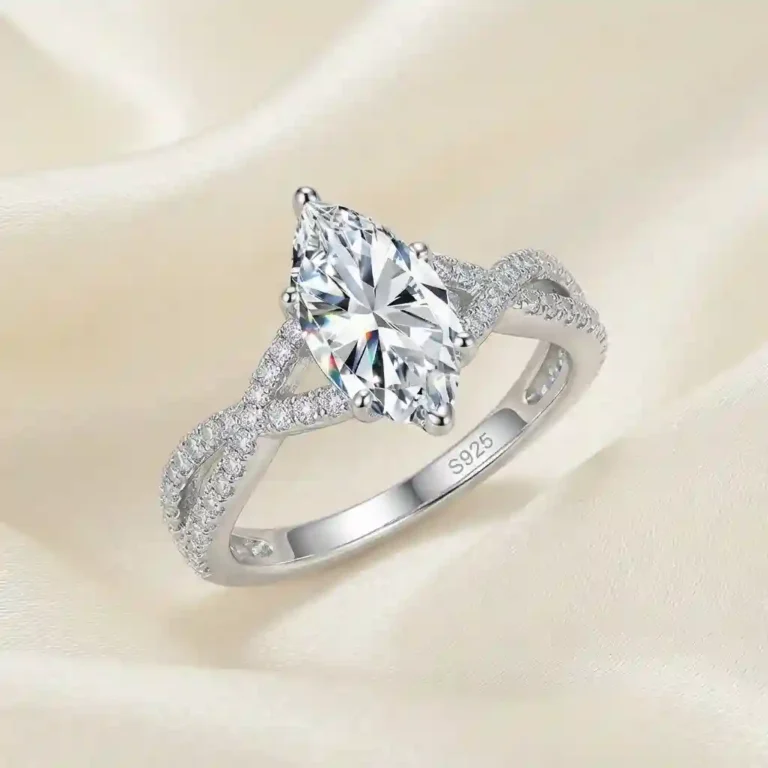
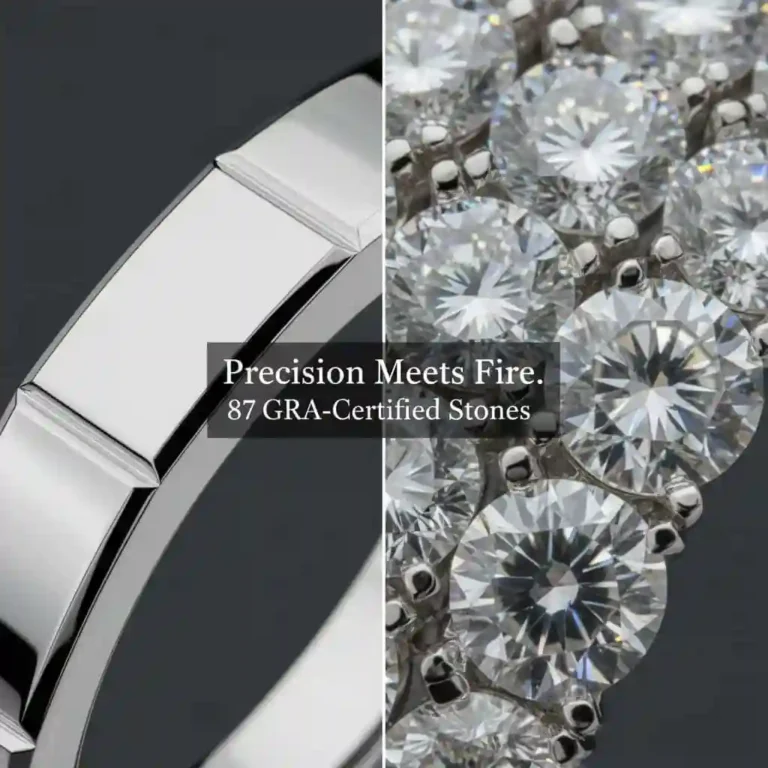
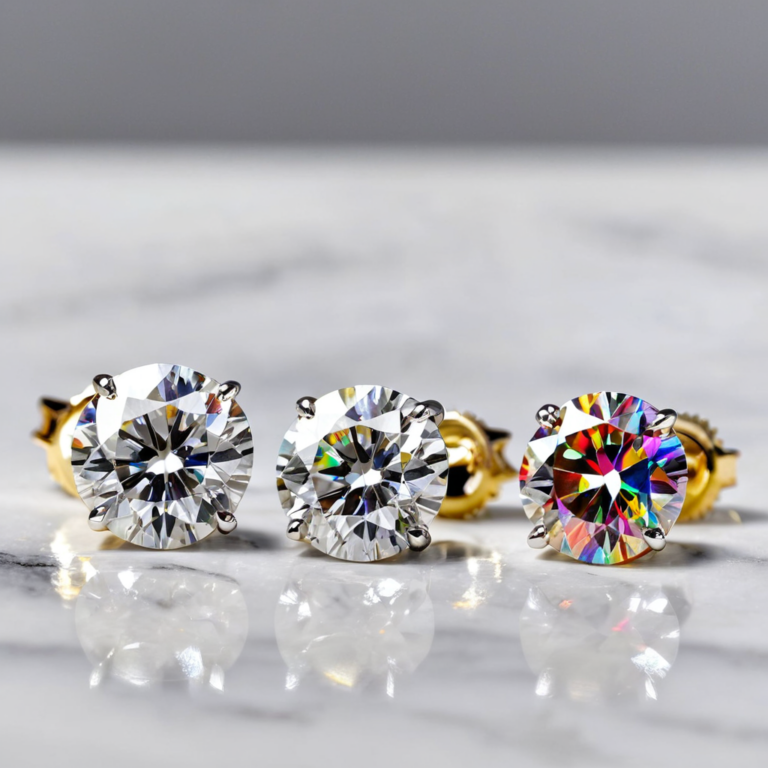
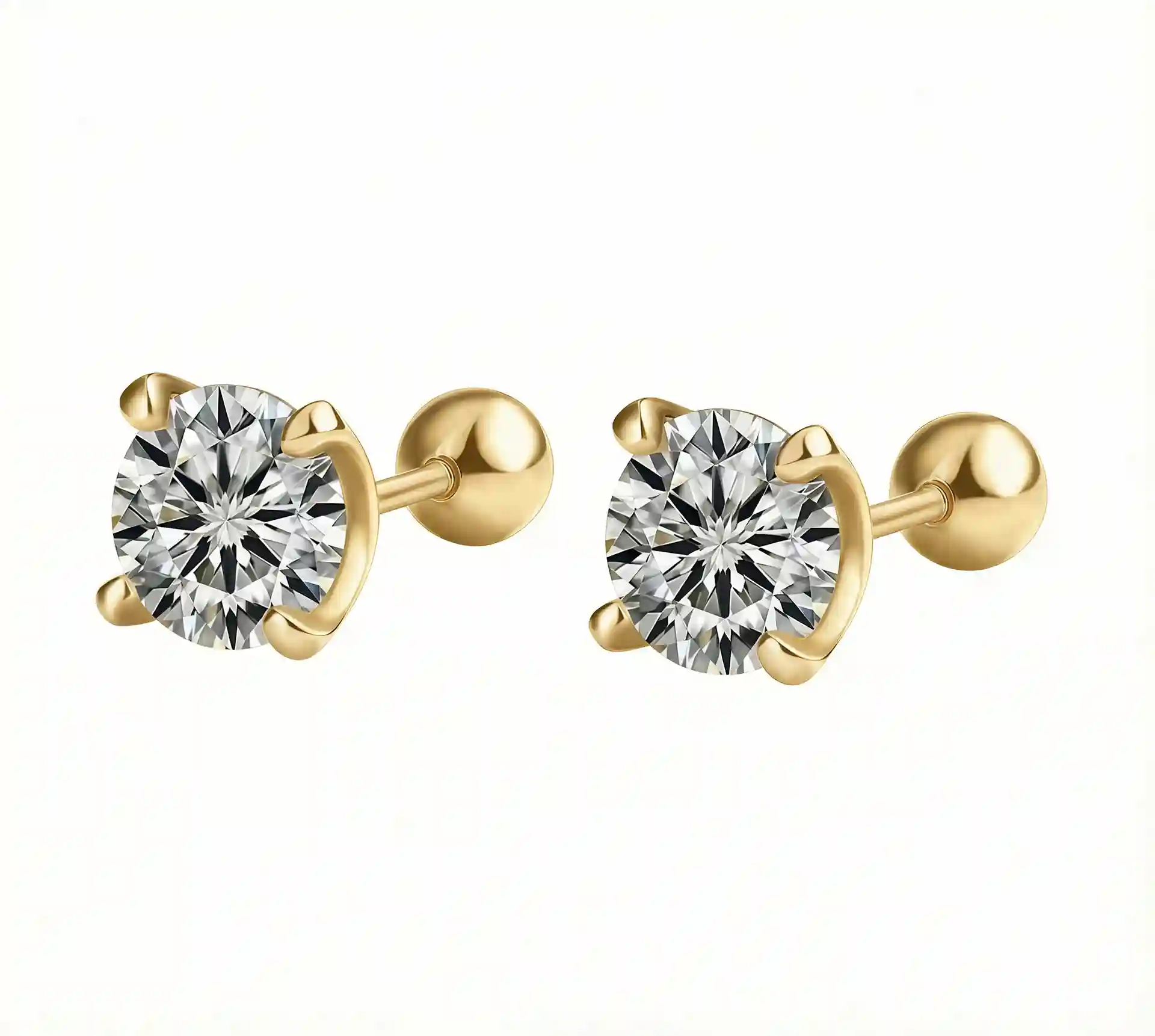
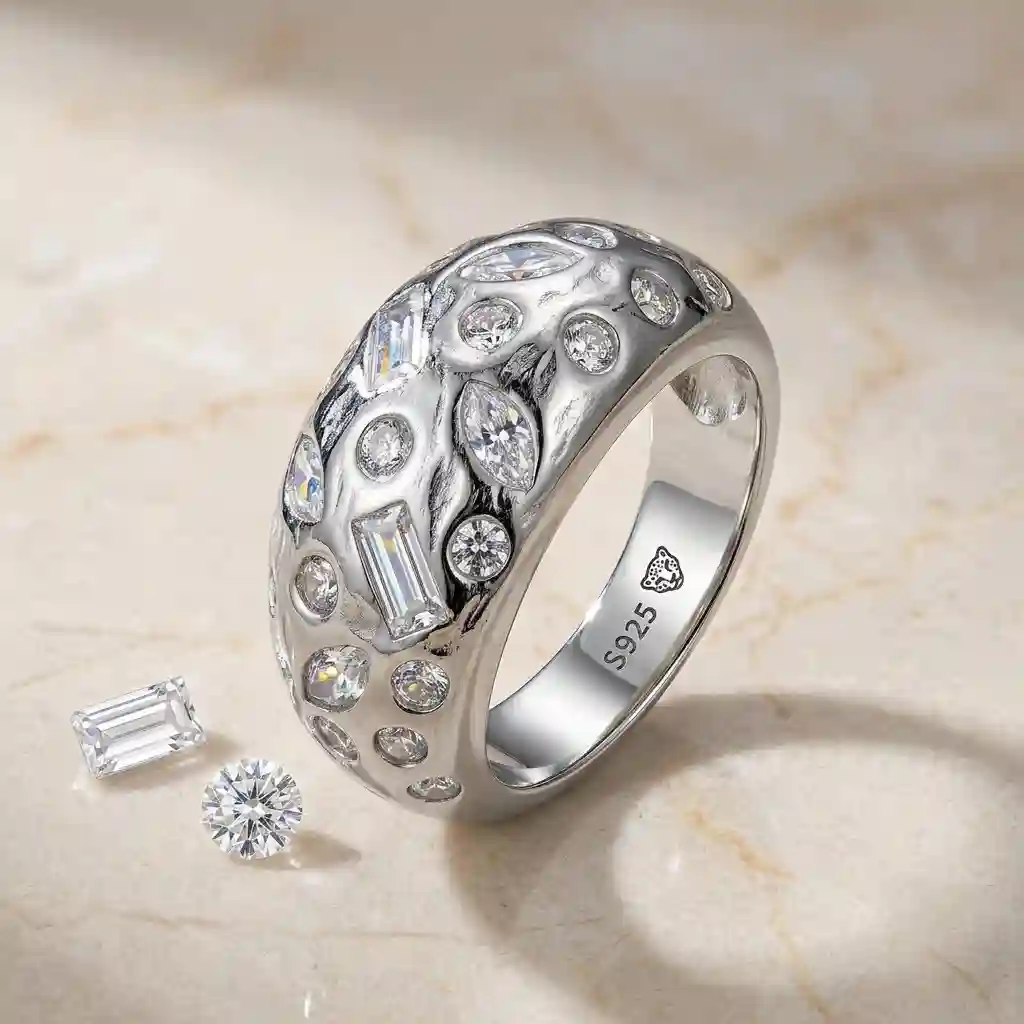
A D-color VVS1 GRA certified moissanite of the same visual weight costs $200 to $400 retail. The wholesale price for B2B buyers sourcing directly from MIRAMETAL lands at $18 to $65 per piece. The optical performance, measured by refractive index, favors moissanite: 2.65 to 2.69 versus diamond’s 2.42. More light scatters. More fire emerges. Under direct sunlight, the moissanite visibly outperforms a stone that costs forty times as much.
“More brilliant than diamond itself, at only 1% of the price. Passes diamond pen tester.”
– Top-performing Facebook ad hook, verified across 3 competitors
This is not a marketing claim. This is physics. Search volume for “wholesale moissanite vs diamond” has climbed roughly 340% over five years. Consumer awareness is surging. For buyers new to the category, understanding why moissanite rings are a smart alternative to diamonds is the first step toward capturing this shift.
The Two-Tier Trap: Why Most Wholesale Moissanite Is a Liability
The wholesale moissanite market is experiencing the exact same information asymmetry that plagued the diamond market before GIA standardized grading in the 1950s. Buyers do not know what they are buying. Sellers have no incentive to tell them.

The market splits into two tiers. Neither serves the serious B2B buyer well.
Tier 1: The Race to the Bottom
Suppliers source GH-color moissanite with VS to SI clarity. The stone looks acceptable in warm indoor lighting and falls apart under sunlight. The setting uses a 1.2mm silver shank – thin enough to bend with normal hand pressure. The “sterling silver” is often alloyed with nickel, causing contact dermatitis in roughly 10% of wearers. Wholesale price: $18 to $35 per ring. Return rate: 15% to 25%.
The math is brutal. A 20% return rate on a $25 wholesale ring means the buyer absorbs $5 in reverse logistics per unit sold. On a 500-piece order, that is $2,500 in losses before chargebacks and negative reviews.
Tier 2: Polished Mediocrity
Suppliers like TOMADE and Ludovic run heavier Facebook ad budgets and offer GRA-certified stones. But “GRA certified” is not the quality signal most buyers assume. Unlike GIA or AGS – which maintain independent third-party grading laboratories with published standards – GRA certification is issued by the same network of factories that cut the stone. Some GRA certificates list color and clarity grades. Many simply say “Moissanite” with a carat weight.
The FTC’s Jewelry Guides require truth in advertising for precious metals and gemstones. But for imported moissanite rings with vague GRA certs, enforcement is inconsistent. The result: a market where wholesale buyers comparing moissanite vs diamonds cannot distinguish quality from mediocrity.
The Hidden Cost: Allergic Reactions
The most underreported problem in budget wholesale jewelry is nickel in the silver alloy. Sterling silver is 92.5% pure silver and 7.5% alloy. Cheap manufacturers use nickel as the alloy. The European REACH regulation restricts nickel release from jewelry to 0.5 micrograms per square centimeter per week. Many Asian factories do not test for compliance. For a B2B buyer, one customer complaint about green fingers on Reddit can kill months of SEO work.
The math is damning. A $2 saving on alloy composition can trigger $200 in lost customer acquisition cost.
Engineering the Moissanite Ring That Passes Every Test
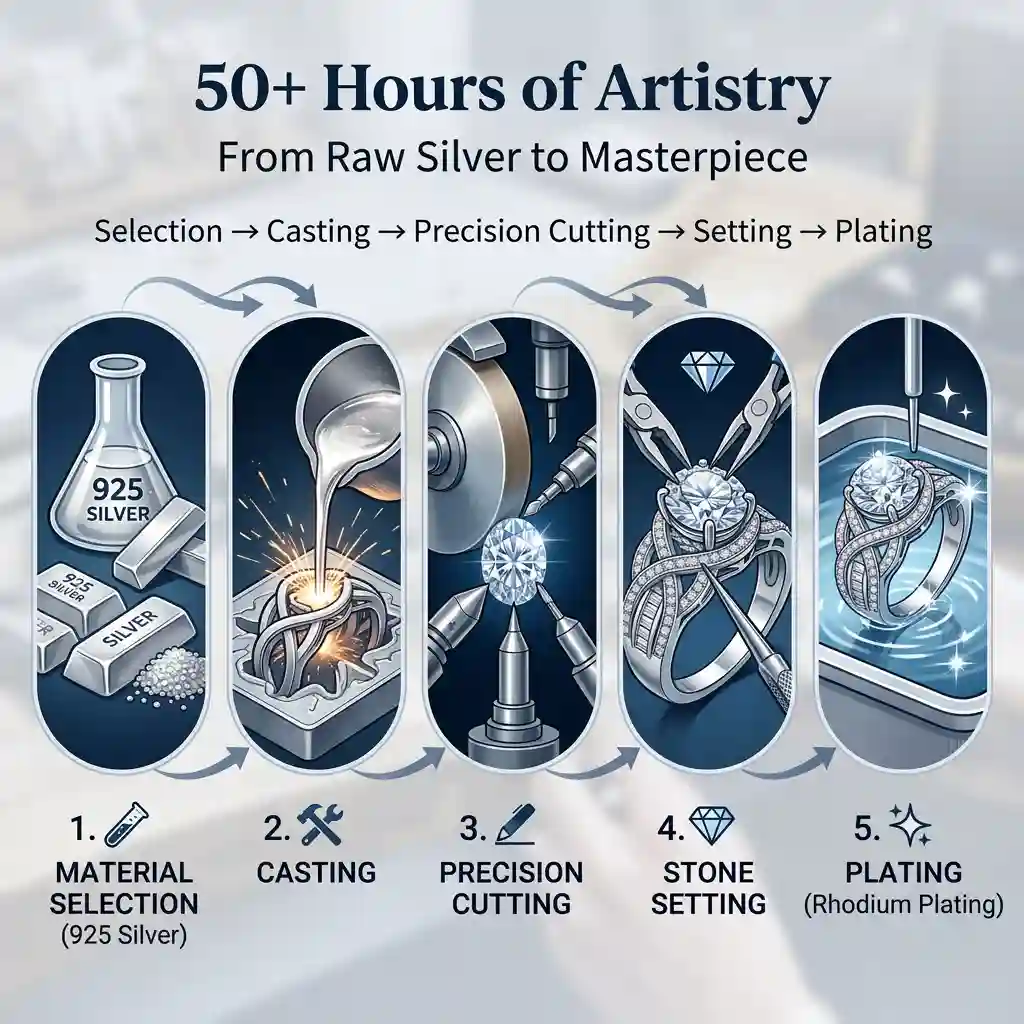
A moissanite ring is two products assembled together: a stone and a metal setting. Both must meet the same standard. MIRAMETAL’s production line addresses every failure point systematically.
The Stone: D-Color VVS1
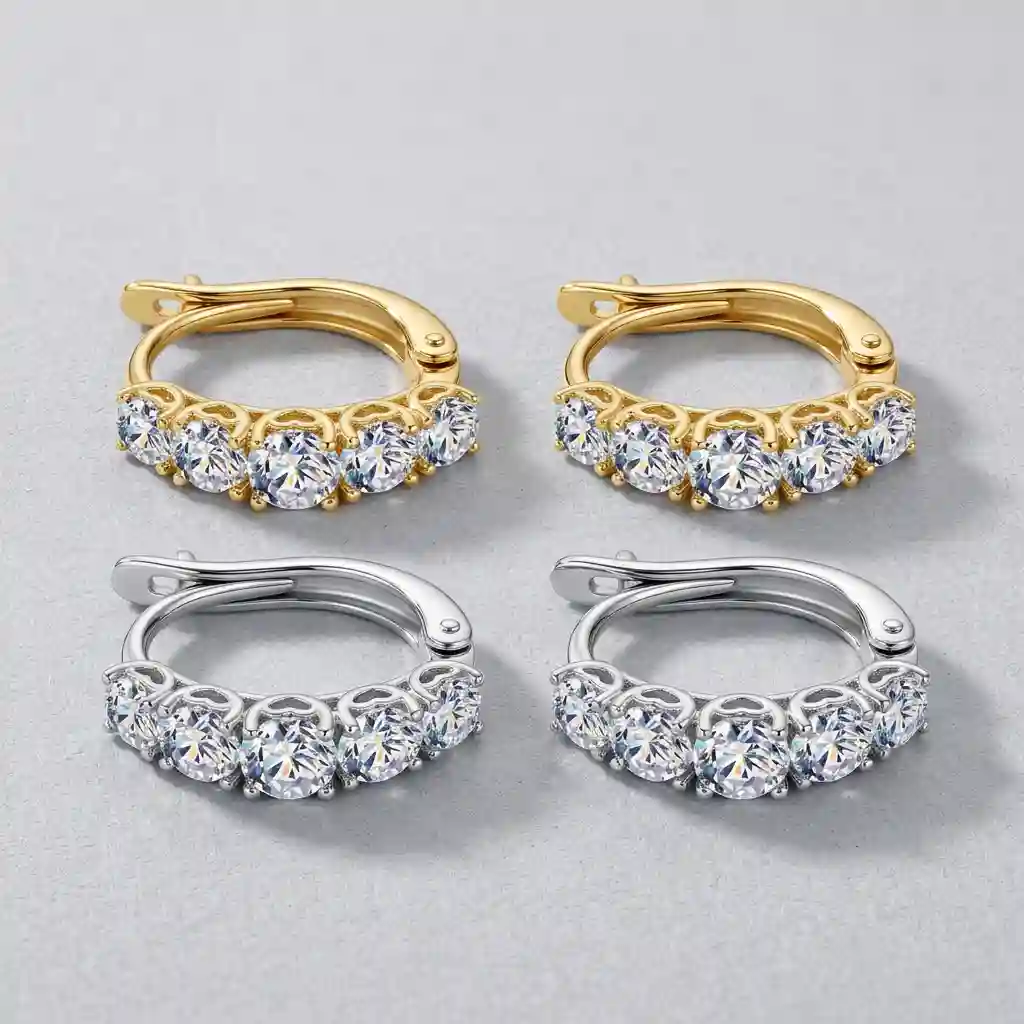
A D-color stone is completely colorless – the top of the GIA scale. E and F are near-colorless. G through J show detectable warmth. Most entry-level wholesale moissanite is GH. In carat sizes above 1.5, the yellow tint is visible without training.
VVS1 means inclusions are “very, very slightly included” – extremely difficult to spot under 10x magnification. The gap between GH/VS and D/VVS1 is not a marketing distinction. It is a measurable, optical difference. A GH-color moissanite ring photographed under studio lighting looks identical to a D-color stone on a product page. But the customer receiving that ring will notice the difference the moment they hold it next to white paper in natural light. The return comes in. The negative review gets posted.
D-color VVS1 moissanite eliminates this failure point entirely. Every stone passes a standard diamond pen tester – a claim most budget suppliers cannot make.
The Setting: 925 Silver, 1.8mm, Nickel-Free
MIRAMETAL uses 925 sterling silver with a 1.8mm minimum shank thickness. Most budget rings use 1.2mm to 1.5mm shanks, saving $0.30 to $0.80 per ring. The trade-off: the ring structure bends under lateral stress, the prongs loosen, and the stone falls out.
The alloy is 100% lead-free, nickel-free, and cadmium-free – XRF tested for REACH and US safety compliance. The rhodium plating survives daily wear for 12 to 18 months. Budget plating fails within 3 to 6 months. For buyers building a brand, proper 925 silver maintenance for wholesale stock extends lifespan even further.
35 Years of Artisan Heritage
The factory has been operating since 1990 – 35 years of continuous silver jewelry production. Every ring goes through six polishing processes and six QC inspections. Production capacity: 600,000 pieces monthly with 200+ new designs every month. For B2B buyers, this means consistent quality across repeat orders and the ability to scale from 10 pieces to 10,000 without quality drift.
Listen to the full story behind the craft: MIRAMETAL Craftsmanship on Spotify
The B2B Buying Matrix: What Quality Moissanite Actually Costs
For B2B buyers evaluating wholesale moissanite suppliers, the decision framework should be based on data, not brand perception.
| Spec | Budget Tier | MIRAMETAL Standard |
|---|---|---|
| Stone Color | GH (warm tint) | D-Color (colorless) |
| Stone Clarity | VS to SI | VVS1 |
| Certification | GRA (generic) | GRA with color/clarity |
| Shank | 1.2-1.5mm | 1.8mm minimum |
| Alloy | Nickel (allergenic) | Lead/Nickel/Cadmium-Free |
| Plating | 3-6 months | 12-18 months rhodium |
| Diamond Tester | Inconsistent | Passes every time |
| XRF Tested | No | Yes (batch-level) |
| Wholesale (1pc) | $18-35 | $25-65 |
| Return Rate | 15-25% | <3% |
The price difference between budget and quality at wholesale is $15 to $30 per ring. The return rate difference is 15-25% versus under 3%. For a 1,000-piece order, budget tier generates 150-250 returns (reverse logistics: $750-$1,250), while quality tier generates 30 or fewer. The savings on returns alone covers the per-unit price increase.
Factory-Direct Buying Guide
MIRAMETAL operates a factory-direct wholesale model. MOQ as low as 10 pieces per design. For entrepreneurs looking to start, our guide on how to start a jewelry business covers sourcing and pricing strategies.
- Sampling: Custom samples in 7-10 working days. CAD free above 3 pieces.
- Production: 15-25 working days. Bulk discounts at 100+ pieces.
- QC: XRF testing, diamond pen test, 6 QC checkpoints.
- Shipping: Free above $199. DHL/FedEx 5-8 days worldwide.
Watch the full factory tour: MIRAMETAL Factory & Wholesale Guide on YouTube
The Verdict: The Only Moissanite Worth Stocking
The wholesale moissanite market is flooded with cheap inventory that looks good in Facebook ads and fails in real life. GH-color stones that yellow. Thin shanks that bend. Nickel alloys that turn fingers green. Generic GRA certificates that certify nothing.
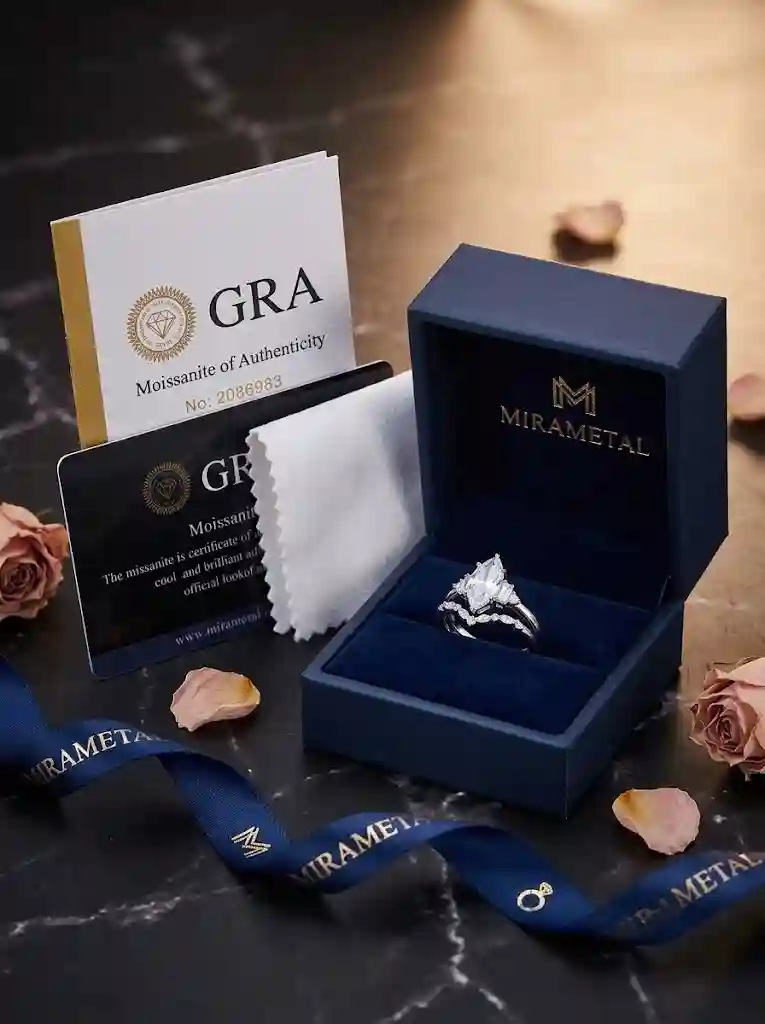
The B2B buyer who stocks D-color VVS1 moissanite in nickel-free 925 sterling silver with thick rhodium plating solves a real problem: they eliminate the return loop, the allergic reaction complaint, and the review that kills the product page ranking. For retailers diversifying inventory, our wholesale pearl jewelry guide shows how we apply the same quality standards across categories.
MIRAMETAL has been manufacturing silver jewelry since 1990. Every piece is XRF tested, diamond pen tested, and inspected at six QC checkpoints before shipping. The brand is built for B2B buyers who need consistent quality across repeat orders – not for drop-shippers chasing the lowest unit cost.
This is the moissanite that passes the diamond tester, survives daily wear, and keeps your customers coming back. The rest is just inventory waiting to be returned.
Elevate Your Collection with Gra Certified Moissanite
Factory-direct 925 sterling silver jewelry, handcrafted for brands and boutiques worldwide.