The evolution of a rare geological miracle into the pillar of global wealth stability.
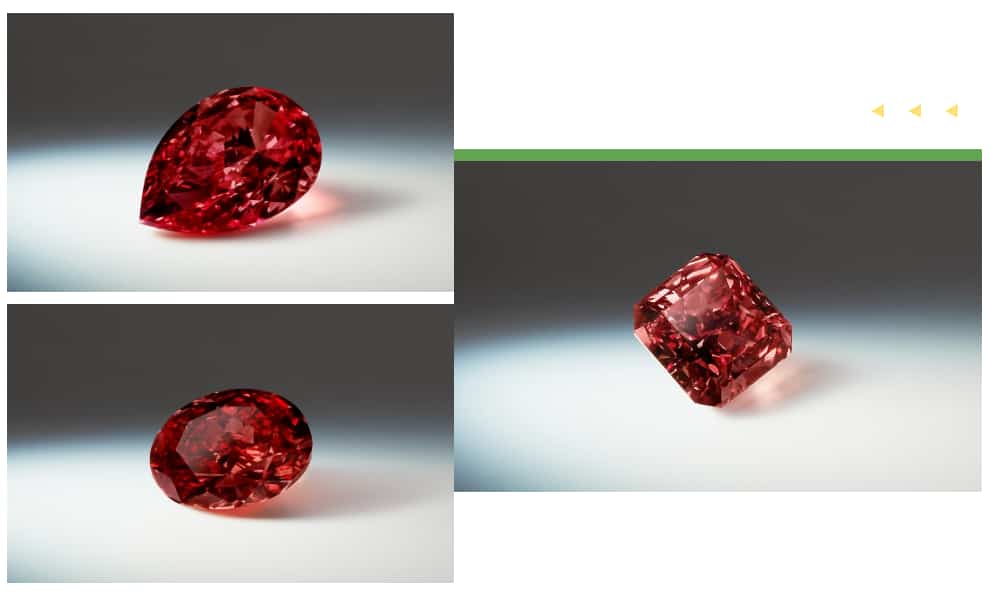
Against the backdrop of today's global economic volatility, rare pink diamonds are quietly becoming the ultimate target for top-tier capital allocation. Unlike traditional assets, these "structural flaws" of nature offer a unique blend of scarcity and aesthetic power.
In 2025, the jewelry market witnessed a landmark event: the 10.38-carat purplish-pink diamond "Marie-Thérèse" fetched $13.98 million at Christie's. This underscores a critical wealth code: the intersection of historical provenance and geological rarity creates an asset that transcends currency fluctuations.
The premium price of "Marie-Thérèse" stems from its "blue-blood" lineage, tracing back to the 1868 era of European royalty. In the world of high-end jewelry investment, buying such a stone is synonymous with owning "irreplaceable historical time."
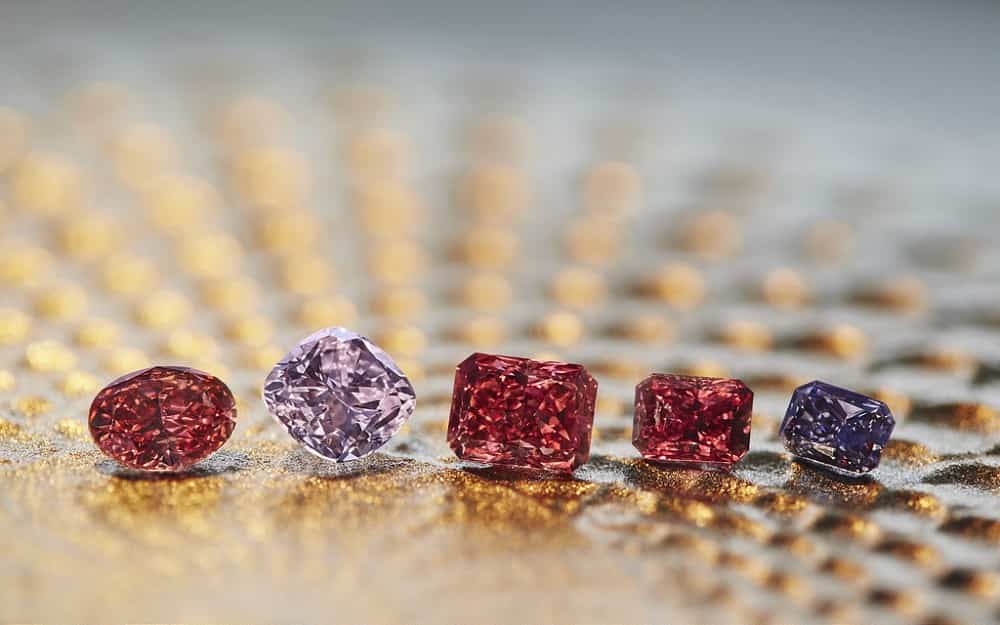
The 1868 Legacy
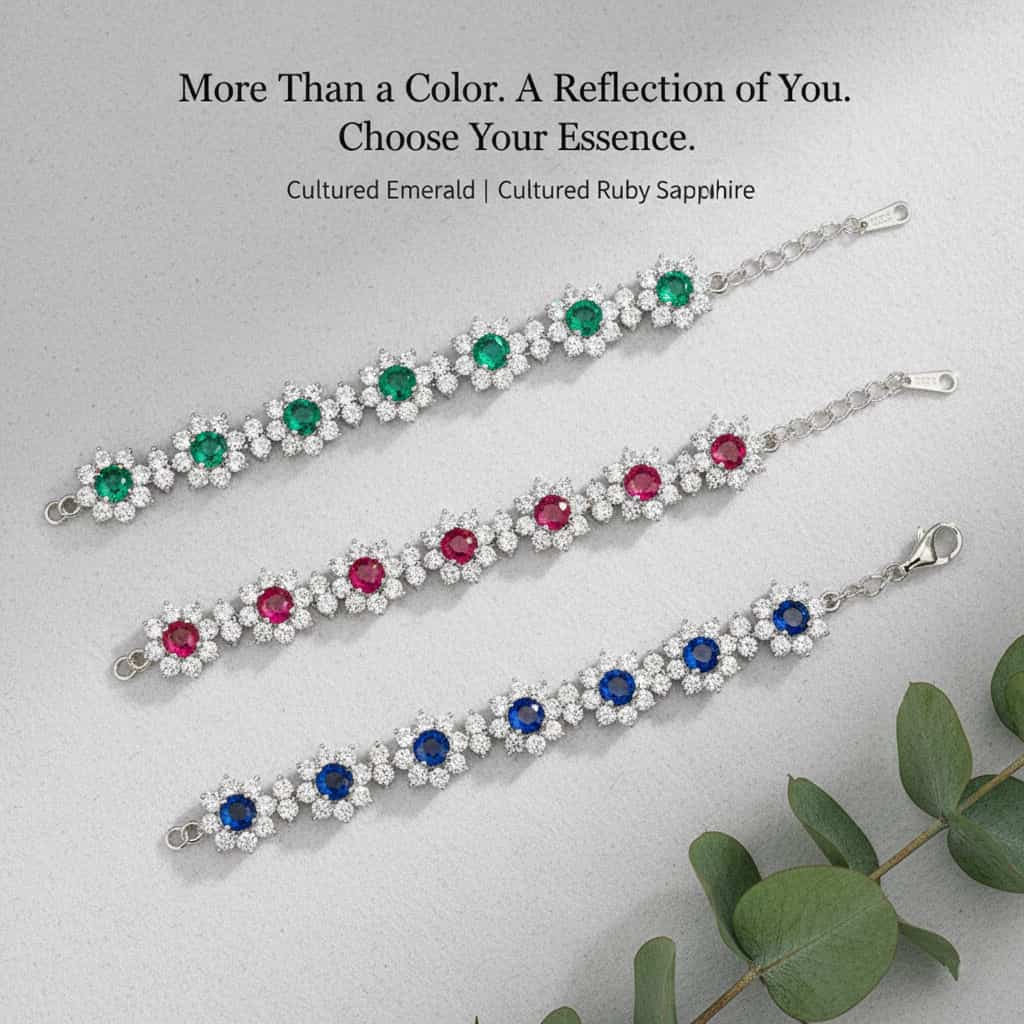
The color of pink diamonds is a result of plastic deformation within the carbon atom lattice. This rare physical phenomenon makes natural pink diamonds significantly more valuable than other colored gems.
The Argyle diamond mine in Western Australia formerly supplied 90% of the world's Argyle pink diamonds. Since its closure in November 2020, these gems have transitioned from "rare" to "non-renewable."