How to Identify Real Silver – Factory-Tested Methods 2026 | MIRAMETAL
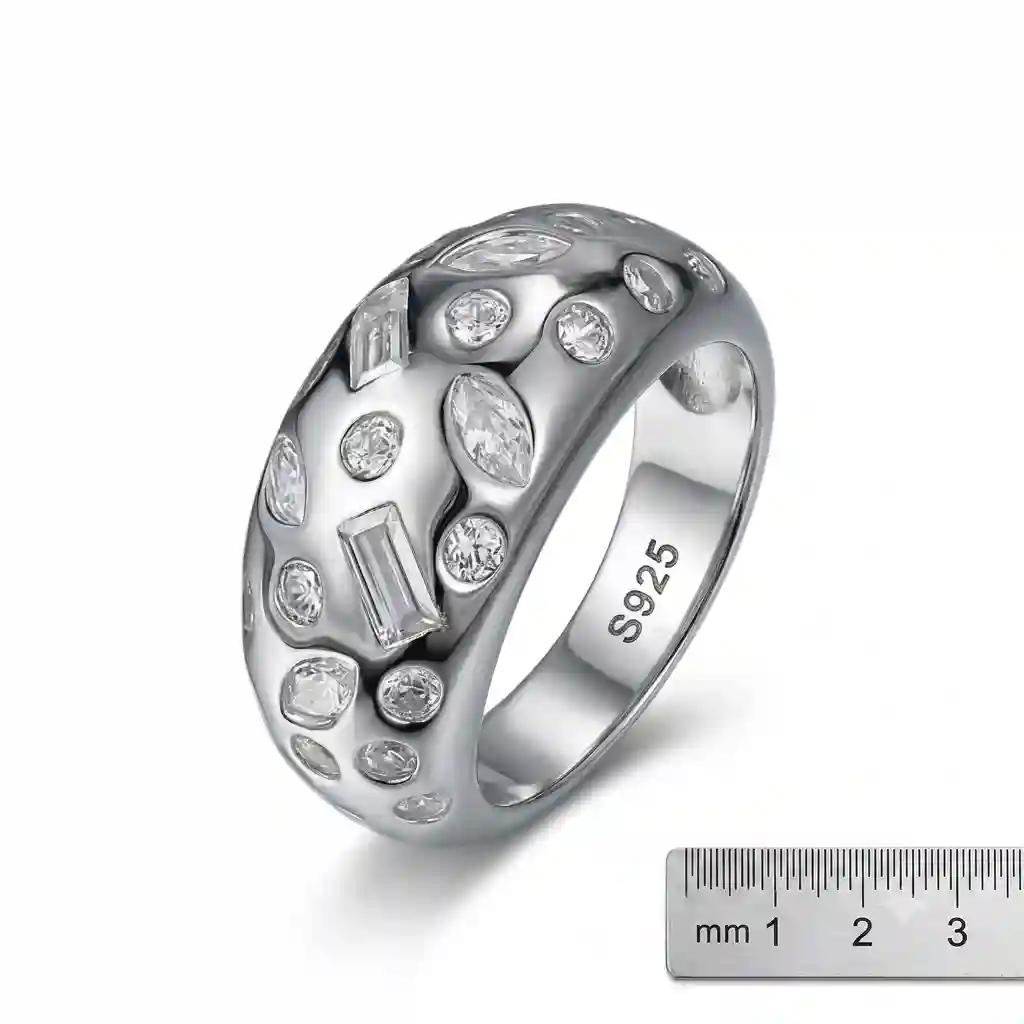
Quick Summary: To identify real silver, check the hallmark first (925, 999, or regional stamps), then combine the magnet test, ice test, sound test, and a 40x magnification inspection. For wholesale orders, XRF analysis is the only method that proves metal content beyond doubt. Factory-direct suppliers such as MIRAMETAL test every batch of 925 sterling silver before shipping, so buyers can identify real silver from documentation, not guesswork.
Why You Need to Identify Real Silver Before Buying Wholesale
Every wholesale buyer eventually faces the same problem: a listing that looks identical to solid sterling silver but is actually copper, brass, or silver-plated base metal. When you identify real silver before you commit, you protect three things: product margin, brand reputation, and customer trust. A single counterfeit batch can trigger chargebacks, returns, and marketplace penalties that cost far more than the original order.
The stakes are higher in 2026 because plating technology has improved. Modern silver-plated pieces can pass the weight check and even fool basic tests. That is why serious importers treat verification as a standard operating procedure, not an afterthought. The steps below take about five minutes per sample and require no expensive equipment until the final XRF stage.
The Hallmark Test: Read 925, 999, and the “S” Stamp Correctly
The fastest way to identify real silver is to read the stamp. International hallmarking uses standard marks: 925 (92.5% silver, sterling), 999 (99.9% fine silver), Sterling, and regional equivalents such as the British lion passant. A genuine mark is crisp, even, and consistent in depth because it is pressed into solid metal.
- 925 — sterling silver, the global standard for jewelry (reference: ASTM B413).
- 999 / S999 — fine silver, softer and used for bars and select jewelry.
- 800 / 850 — lower-purity silver alloys common in vintage European pieces.
- “Silver” with no number — usually plated or vague; verify separately.
Counterfeiters copy stamps too, so a hallmark alone is not proof. Use it as the first filter, then confirm with physical tests. In many markets, hallmarking is regulated by national assay offices; when in doubt, check the local standard or request the supplier’s assay certificate.

The Magnet Test: Fast, but Never Enough
Pure silver and 925 sterling silver are not magnetic. A strong neodymium magnet can quickly reveal a steel or iron core hidden under a thin plating. Slide the magnet slowly over the piece: if it sticks, the item contains ferrous metal and is not solid silver.
However, the magnet test has a critical blind spot — it cannot detect copper, brass, or zinc alloys, which are also non-magnetic. Many fakes are copper-based, so a “passed” magnet test means nothing by itself. Use it as a fast screen, and never rely on it as the final answer when you need to identify real silver in bulk.
The Ice Test, Sound Test, and Acid Test Explained
Silver has the highest thermal conductivity of any common metal, which is the basis of the ice test. Place an ice cube on the piece and a control surface: on genuine silver, the ice melts noticeably faster. The sound test is simpler: drop the piece on a hard surface and listen. Real silver rings with a bright, sustained tone; plated base metal sounds dull. The acid test applies a small drop of testing acid (available as commercial kits) to an inconspicuous spot — genuine 925 silver shows a specific reaction while base metal changes color.
Each of these tests is directional, not definitive. That is why professional wholesalers combine at least three tests on every sample before they identify real silver as genuine.

The 40x Magnification Check for Machine-Made Fakes
A jeweler’s loupe at 40x magnification exposes what the naked eye cannot see. On genuine handcrafted silver, you will see natural tool marks, consistent metal grain, and crisp detail edges. On plated or cast fakes, look for: flaking or peeling at edges, a dull gray base color showing through scratches, and porous, bubbly surfaces from low-quality casting.
Plating wear concentrates on high points — clasps, chain links, and bezel edges. If you see a different color metal beneath the surface, the item is plated. This inspection takes seconds per piece and is the single best low-cost method to identify real silver versus silver-plated jewelry.

XRF Analysis: The Only Real Guarantee for Wholesale
For wholesale orders, the definitive way to identify real silver is X-ray fluorescence (XRF) analysis. A handheld XRF analyzer measures the exact percentage of silver, copper, and trace metals in seconds without damaging the piece. This is the same technology used by assay offices and major refineries.
When you evaluate a factory, ask for an XRF report on the specific batch you plan to buy, not a generic certificate. A reliable supplier will provide batch-level documentation showing 92.5% silver content for 925 products. MIRAMETAL runs material inspection and batch-level testing on every production run, and certificates are available for material and craftsmanship. If a supplier refuses batch documentation, treat that as a red flag and verify elsewhere before you commit.

Quick Reference: Real Silver vs Fake Silver Comparison
| Test | Real 925 Silver | Fake / Plated |
|---|---|---|
| Hallmark | Crisp, even 925 / Sterling stamp | Blurry, shallow, or no stamp |
| Magnet | No attraction | Sticks if steel-cored |
| Ice melt | Melts ice quickly | Slower thermal transfer |
| Sound | Bright, sustained ring | Dull thud |
| 40x loupe | Clean grain, no peeling | Flaking, base metal showing |
| XRF | 92.5%+ silver | Low or zero silver content |
Use this table as your field checklist. Any single “pass” is useful, but only a combination of hallmark, physical tests, and batch documentation lets you identify real silver with confidence at wholesale scale.
Common Counterfeit Tactics Every Buyer Should Know
The most common counterfeit is silver-plated copper, which looks convincing under studio lighting and passes a quick weight check. The second is nickel-silver (a copper-nickel-zinc alloy with no silver at all) sold with misleading names. The third is stamped-but-undersized silver, where the alloy contains less than 92.5% silver despite the 925 mark. Always ask about the plating process and alloy composition in writing; a factory that cannot answer is usually not the factory.
Plating itself is a legitimate finishing technique — MIRAMETAL rhodium-plates 925 silver for tarnish resistance and color options. The problem is plating used to disguise a base metal core. Understanding the difference between solid sterling silver and silver plating is essential before you identify real silver in a catalog.

Frequently Asked Questions
Can I identify real silver with a magnet alone? No. The magnet test only detects ferrous cores; copper and brass fakes pass it. Combine it with hallmark, ice, sound, and loupe checks.
Is 925 always real silver? A genuine 925 stamp means the alloy should contain 92.5% silver, but counterfeiters copy stamps. Verify with physical tests and batch documentation.
Does real silver turn black? Yes — sterling silver tarnishes when exposed to sulfur in the air. Tarnish is actually a sign of silver content, not a defect. See our silver maintenance guide for care protocols.
What is the difference between 925 and 999 silver? 925 contains 92.5% silver and 7.5% alloy for durability; 999 is 99.9% fine silver and is softer for daily wear.
How do I verify a wholesale supplier’s silver quality? Request batch-level XRF reports, visit the factory verification guide, and test samples with the checklist above before placing bulk orders.
The Verdict: How to Identify Real Silver and Buy With Confidence
Learning to identify real silver is a five-minute skill that saves wholesale buyers from expensive mistakes. Start with the hallmark, run the magnet and ice tests, inspect under 40x magnification, and require XRF batch documentation for every order. Combined with a supplier that tests materials at every stage, you can stock sterling silver with complete confidence.
MIRAMETAL is a factory-direct 925 sterling silver manufacturer in Guangzhou with 15+ years of production experience. Every piece is tested for material purity and is nickel-free and hypoallergenic. Browse the collection, review our wholesale pricing, or contact us to start with a certified batch today.
Elevate Your Collection with Identify Real Silver
Factory-direct 925 sterling silver jewelry, handcrafted for brands and boutiques worldwide.