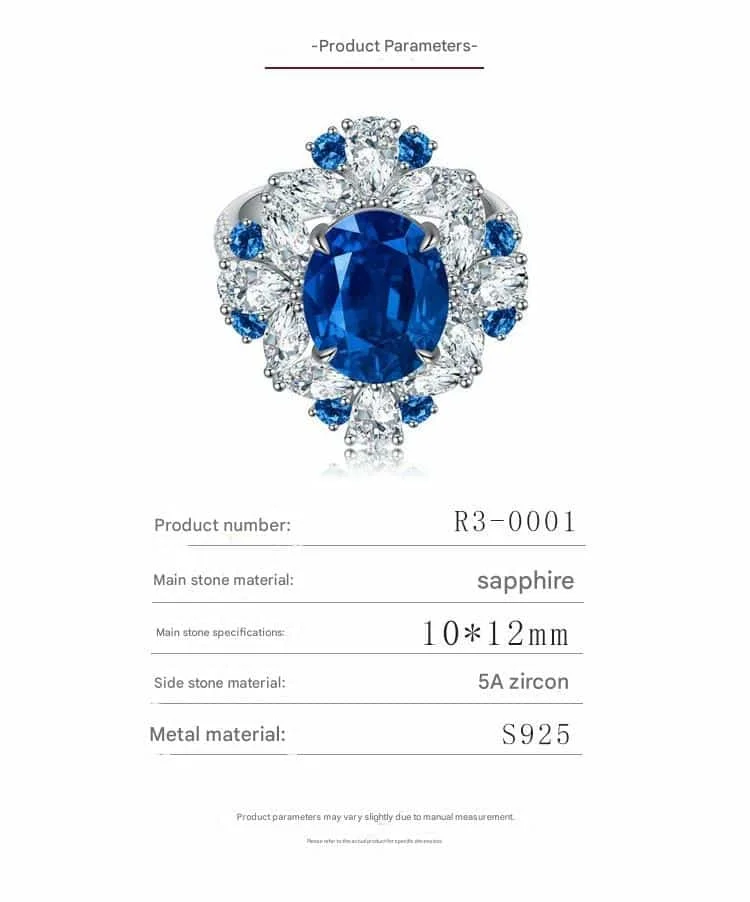
Every wholesale buyer asks it: moissanite or diamond? The wrong answer is “one or the other.” The right answer is a stocking plan built on margin, segment and honesty. Here is the wholesale lens — not the proposal one.
The Price Gap That Rewrote the Market
At wholesale, a melee/mid moissanite runs roughly 1% of the equivalent diamond cost. The math is why moissanite now anchors fashion and entry-bridal: a $40 stone lets a brand retail a “bridal” piece at a price diamond can’t touch, with margin intact. Wholesale takeaway: moissanite is your volume and margin engine; diamond is your high-ticket, low-volume prestige line. Carry both; price them for different buyers.
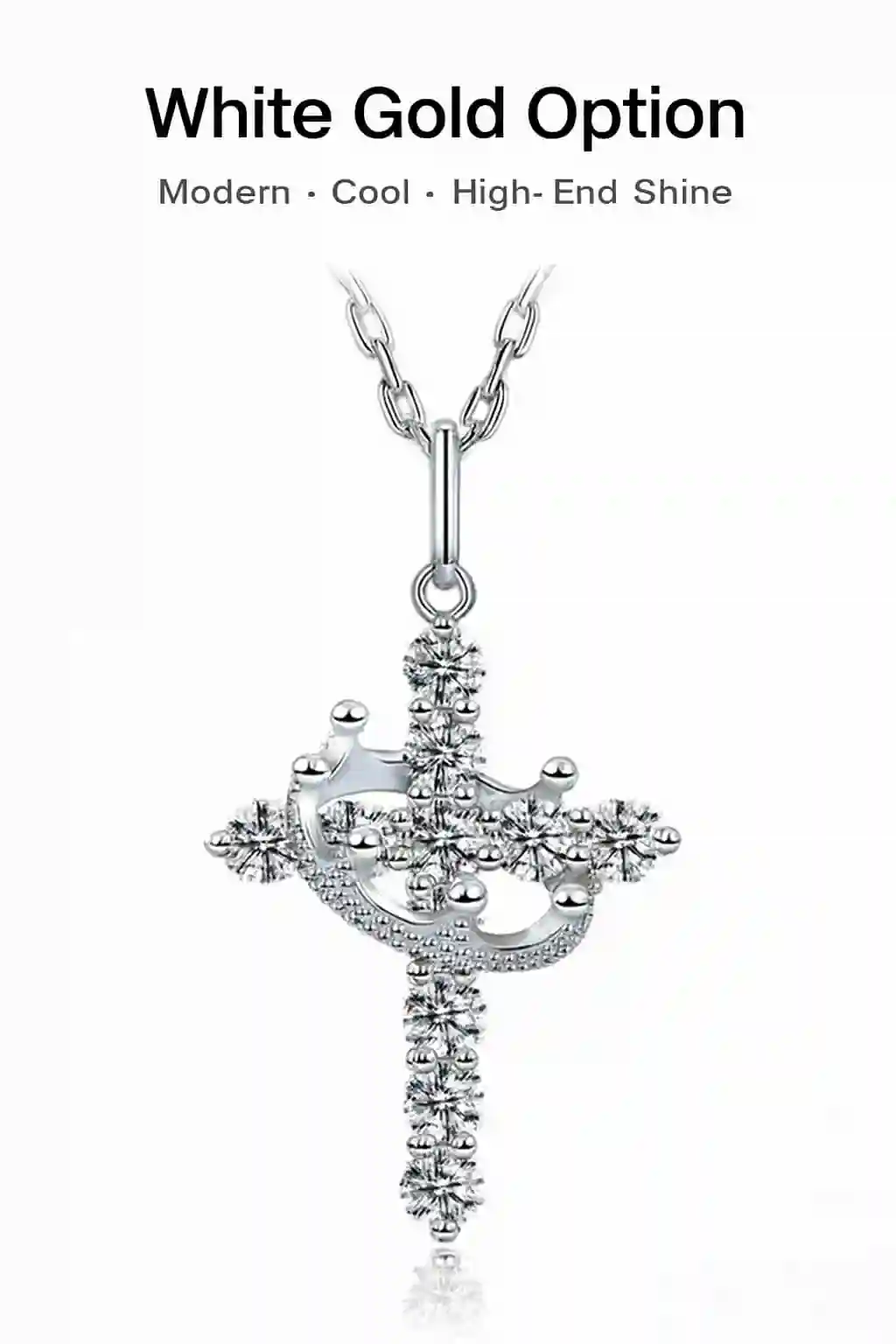
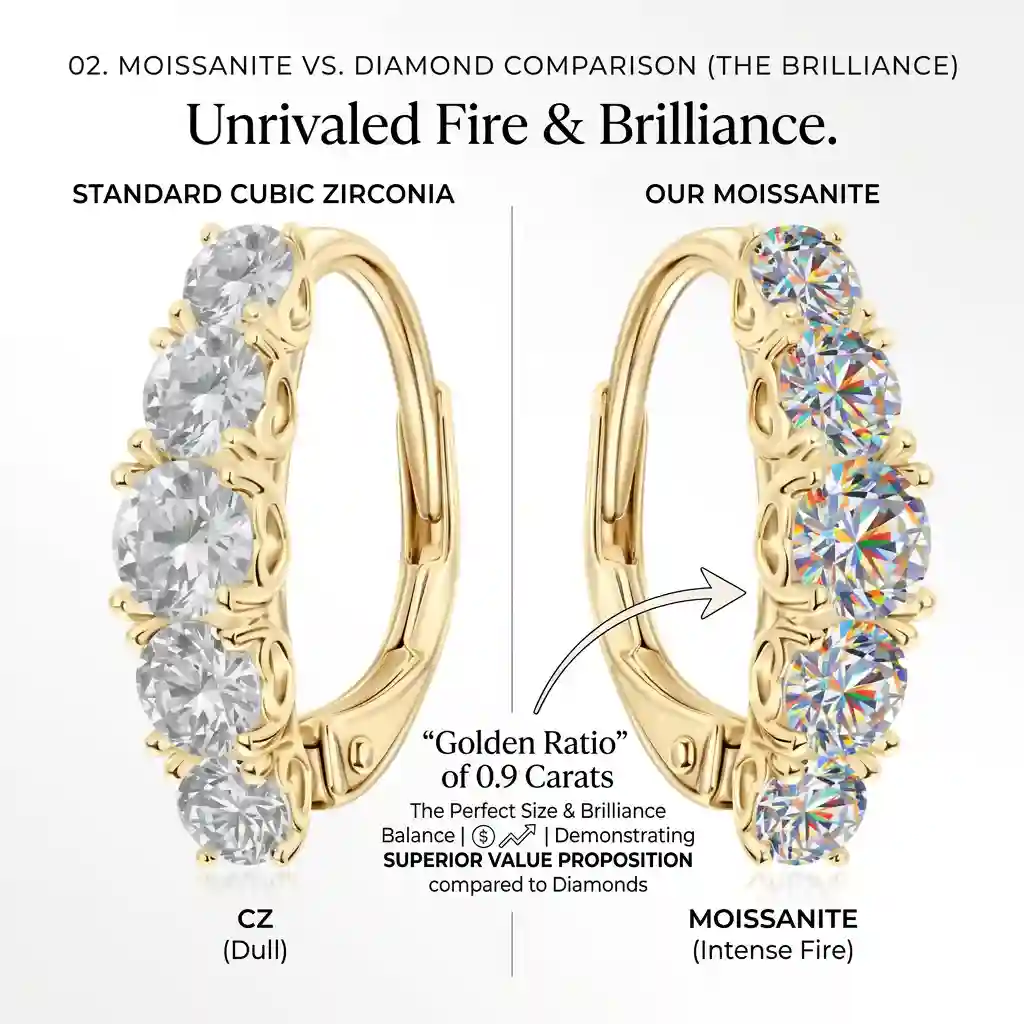
Appearance — Why It Depends on Lighting
- Fire: moissanite’s dispersion (0.104) is ~2.4× diamond’s (0.044) — stronger rainbow flash, especially in bright/sunlight.
- Double refraction: moissanite is doubly refractive; face-up under 10× you may see faint facet-edge doubling. Diamond is singly refractive — cleaner, “calmer” sparkle.
- Lighting: in sunlight moissanite’s fire is obvious; indoors both read white and brilliant. If your customer wants “obvious sparkle,” moissanite wins; if they want “quiet luxury,” diamond.
Set expectations in the listing so returns don’t come from surprise, not disappointment.
Durability — What the Mohs Scale Means for Wholesale
| Stone | Mohs | Daily wear? | Note |
|---|---|---|---|
| Moissanite | 9.25 | Yes | Hard, but brittle at the girdle — prongs must protect the edge |
| Diamond | 10 | Yes | Hardest; safest for一辈子 wear |
Both survive daily wear. The wholesale risk is the setting, not the stone: thin 925 prongs or base-metal settings fail either. We set both in nickel-free 925 with controlled prong pressure and XRF-confirm the metal.
Certification and the Diamond Tester Question
This is the trap that burns resellers:
- Thermal diamond testers measure heat flow; moissanite conducts heat like diamond, so they often beep “diamond.” False positive.
- Electrical/moissanite testers separate them — every serious buyer should own one.
- Certs: moissanite is graded by GRA/IGI (serial-matched card); diamond by GIA/IGI. Verify the serial; fake GRA cards exist.
- Never resell moissanite as diamond. It is fraud, kills trust, and triggers chargebacks and legal exposure.
Ethics & Resale — The Honest Picture
Moissanite is lab-created, conflict-free and consistent — an easy ethics story. Diamond’s ethics depend on source (many now traceable, some not). On resale, be honest: neither moissanite nor most diamond jewelry resells near retail; diamond holds comparatively better but still poorly versus purchase price. Sell both on look and margin, not as investments.
Head-to-Head Comparison
| Factor | Moissanite | Diamond |
|---|---|---|
| Material | Lab SiC | Natural carbon |
| Wholesale price | ~1% of diamond | Reference high |
| Fire / dispersion | 0.104 (higher) | 0.044 |
| Hardness | 9.25 | 10 |
| Ethics | Lab, conflict-free | Source-dependent |
| Resale | Low | Low–moderate vs retail |
| Best for | Value, bridal, fashion | Luxury, resale narrative |
Which to Stock (Segment Map)
- Value / fashion / entry-bridal: moissanite in nickel-free 925 — your margin engine.
- Mid bridal / gifting: Tier 3 (D–F) moissanite; reads icy white, photographs rich.
- Luxury / heritage / resale buyers: diamond (natural, GIA-graded) for the prestige line.
- Everything: nickel-free 925 settings, GRA/DIA certs on hand, transparent listings.
Most wholesalers should run ~80% moissanite / 20% diamond by unit volume, inverse by value — adjust to your customer mix.
Common Mistakes
- Reselling moissanite as diamond (fraud).
- Trusting a thermal tester’s “diamond” beep on moissanite.
- Skipping nickel-free settings on either stone.
- Carrying only one and missing a segment.
- Overselling resale on either stone.
Frequently Asked Questions
Is moissanite better than diamond?
For value, fire and ethics, yes. For hardness, resale narrative and “quiet luxury,” diamond leads. They serve different buyers; stock both.
Does moissanite pass a diamond tester?
Thermal testers often say “diamond” (both conduct heat); electrical/moissanite testers separate them. Use the right tester and a GRA cert.
Can you tell moissanite from diamond by eye?
Most people can’t face-up; close 10× inspection may show moissanite’s faint double refraction. Certification is the reliable separator.
Which lasts longer, moissanite or diamond?
Both last generations with care. Diamond is harder (10 vs 9.25); moissanite is hard but girdle-brittle, so protect the edge with good prongs.
Why is moissanite so much cheaper?
Lab-created and abundant, so wholesale is ~1% of diamond. Low resale is normal — buy for margin and look.
Is moissanite a good diamond substitute for my store?
Yes for value/bridal/fashion lines; pair with a small diamond prestige line for luxury buyers. Disclose clearly.
Does moissanite look like diamond in sunlight?
Very close and brighter in fire; the extra rainbow flash is the giveaway to a trained eye, not a flaw.
Can I resell moissanite as diamond?
No — it is fraud, causes chargebacks and legal risk. Always disclose moissanite and provide the GRA cert.
Stock Both — Done Right
Request moissanite & diamond wholesale pricing · Browse moissanite · Get a quote. Nickel-free 925, GRA-certified moissanite, XRF on every lot.
MIRAMETALElevate Your Collection with Moissanite Vs Diamonds Wholesale
Factory-direct 925 sterling silver jewelry, handcrafted for brands and boutiques worldwide.
Elevate Your Collection with Moissanite Vs Diamonds Wholesale
Factory-direct 925 sterling silver jewelry, handcrafted for brands and boutiques worldwide.