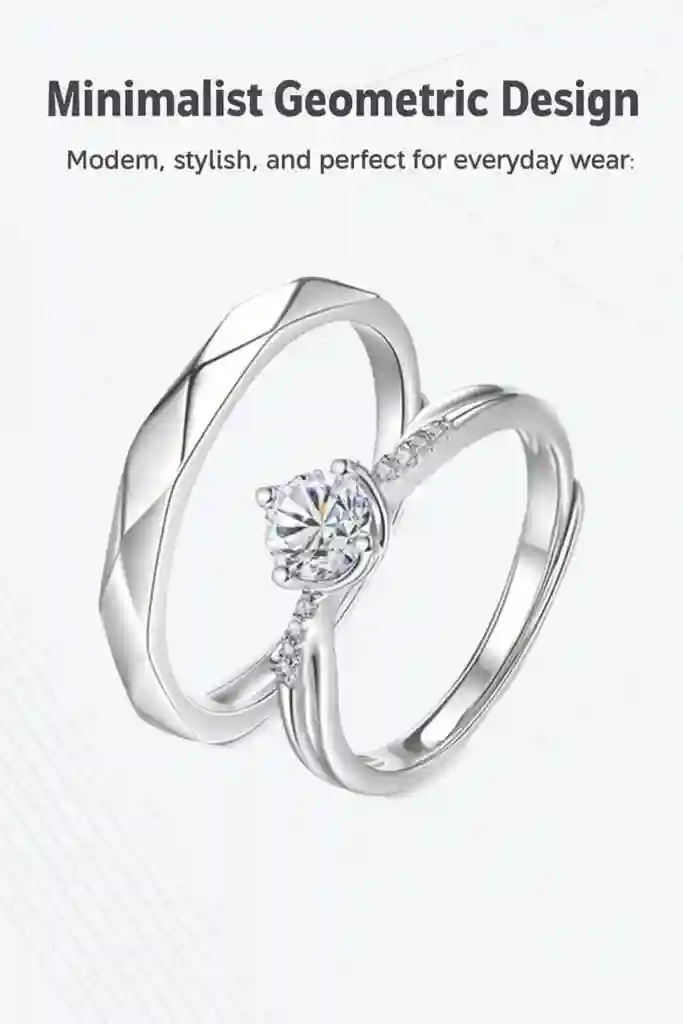
Ninety-five percent of the questions wholesale buyers ask about silver jewelry wholesale have answers. The problem is that Google’s top ten results, on all of them, were written by content farms that have never held a piece of 925 silver in their hands.
This guide answers the real questions – the ones that surface on Reddit’s r/jewelry at 2am, the ones whispered across WhatsApp groups between boutique owners, the ones nobody writes down because the answers live inside factories and do not travel well. Fifteen years on a Guangzhou production floor. Here is what the search results will not tell you.
Where to Source Silver Jewelry Wholesale: Geography vs. Verification
Bangkok: Charoen Krung Road, a two-kilometer stretch of silver workshops stacked five floors high. Mumbai: Zaveri Bazaar, where three centuries of trading mean every third storefront knows someone who knows your supplier. Guangzhou: Liwan Plaza, the physical manifestation of what Alibaba claims to be but is not – actual factories with actual production lines on the floors above the showrooms.
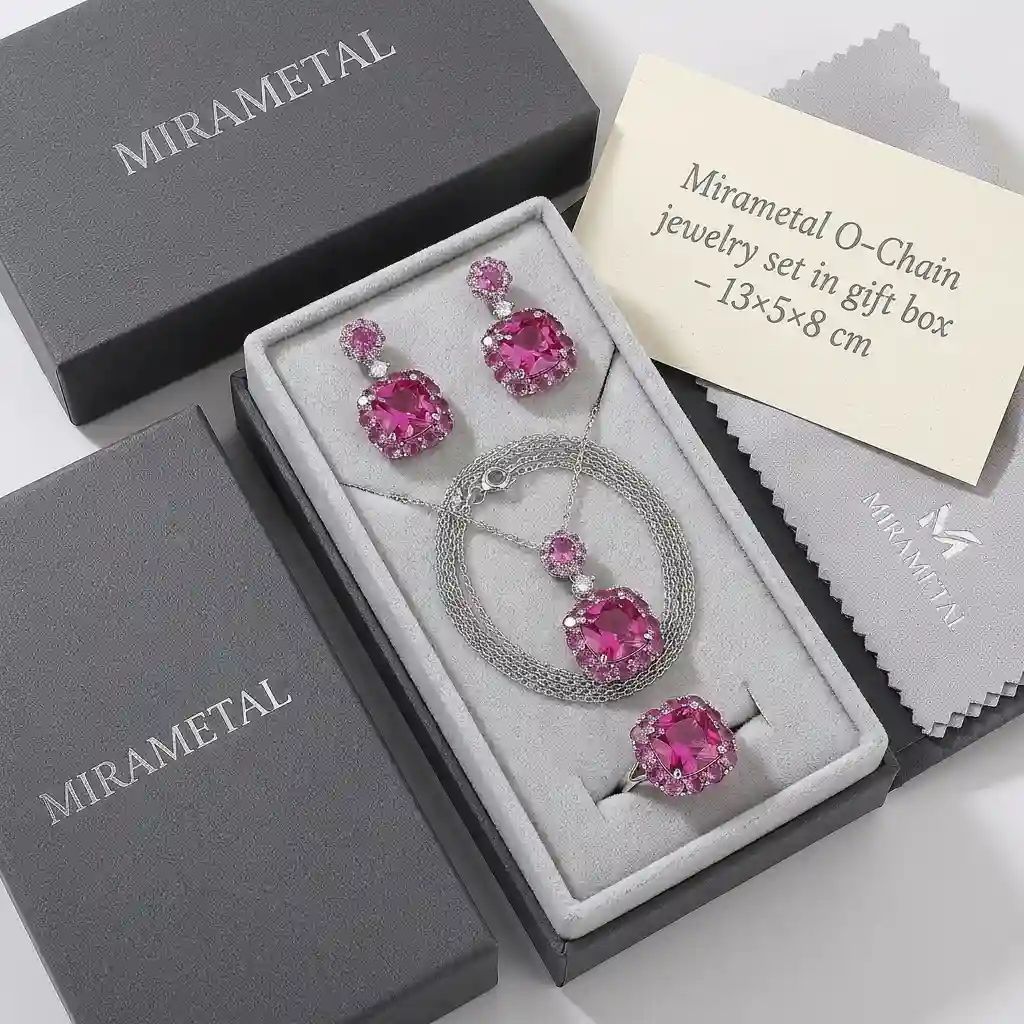
Guangzhou produces approximately 60-70% of the world’s silver jewelry by volume. The quality range inside a single building spans from nickel-free, copper-alloyed sterling silver to nickel-heavy budget alloy that will trigger contact dermatitis within hours. The building is the same. The prices are different. The difference is verification.
A factory with on-site XRF testing and batch documentation beats a trading company in any district in any city on any continent. Location is an indicator. Paperwork is proof. Trading companies – and there are thousands of them in Liwan alone – source from whichever workshop offers the lowest quote that week. Your batch consistency evaporates the moment someone undercuts by twelve cents per gram. Ask for the factory address, not the office address. Ask to see the production floor, not the showroom. If the answer is “we have many partner workshops,” you are talking to a middleman. See where we manufacture and what a real factory looks like.
How to Verify Silver Jewelry Wholesale Authenticity in Under Thirty Seconds
Forget the stamp. The stamp is the cheapest thing on the piece. A “925” punch costs roughly four cents to apply in Guangzhou. Every silver jewelry wholesale buyer should internalize this: the stamp means nothing about what is underneath.
Test the metal.
Silver’s thermal conductivity – 429 W/(m·K), the highest of any metal on the periodic table – means a genuine silver piece dropped onto an ice cube will cut through it like a hot blade through butter. Try it. It is the single most reliable field test and it costs nothing.
A neodymium magnet dragged lightly across a silver chain will not stick to the links. It will stick to the clasp spring – that is normal and tells you nothing. What tells you something: a magnet that grabs the chain body itself. That is not silver. That is nickel-plated steel wearing a silver-colored costume.
The definitive test is an XRF spectrometer. It reads elemental composition in under ten seconds, penetrating through plating to the base metal beneath. It cannot be fooled. A handheld XRF gun costs about $15,000 – every legitimate silver jewelry wholesale factory in Guangzhou owns one. Ask your supplier for a photo of the XRF reading for your specific batch. Not a catalog photo. Not a “typical” reading. Your batch. If they hesitate, you have your answer. Zhefan Jewelry, a Guangzhou manufacturer operating since 1997, built their wholesale reputation by providing XRF documentation showing exact parts-per-million readings for lead, nickel, and cadmium in every shipment. That paper trail is worth more than any stamp. For technical standards on what constitutes genuine sterling, reference the GIA’s silver classification guidelines.
Silver Jewelry Wholesale Purity: What 925, 999, and Regional Names Actually Mean
The numbers are simple. The names are designed to confuse you. For anyone sourcing silver jewelry wholesale, knowing the difference between real sterling and regional marketing labels is the difference between a profitable inventory and a returns disaster.
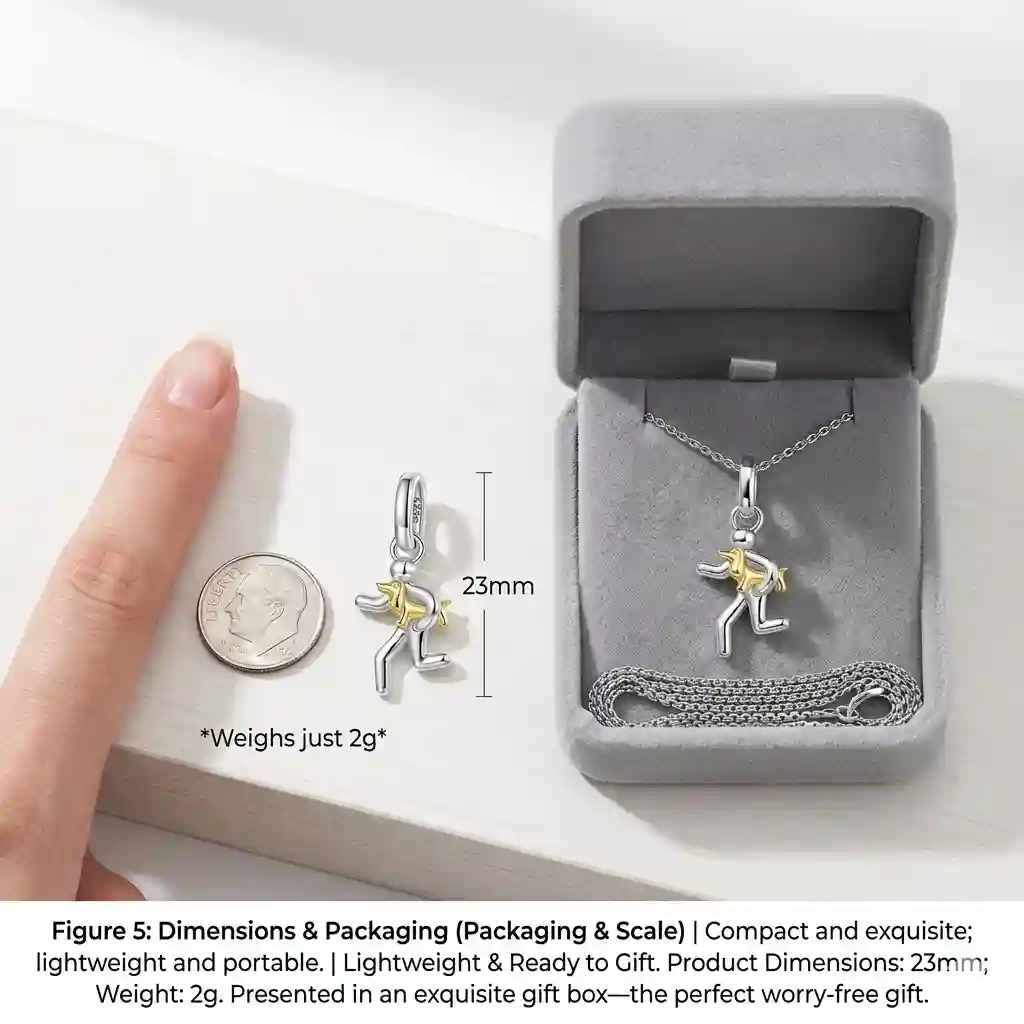
925 = 92.5% silver, 7.5% copper. This is sterling. The copper adds work-hardening capacity – essential for jewelry that gets worn, not displayed. Pure silver is too soft to hold a prong setting or survive daily wear.
999 = 99.9% fine silver. Beautiful, lustrous, and functionally useless for anything except bullion bars and earring posts. A 999 ring will deform on the first door handle it meets.
“Tibetan silver” = a marketing term with zero legal definition. In practice: copper-nickel-zinc alloy with precisely 0% silver content. It sells in tourist markets from Lhasa to Kathmandu. It is not silver. It has never been silver. It will turn green on skin within hours.
“Thai silver” from Chiang Mai = typically 95-98% pure. The hill tribe silversmiths of northern Thailand are among the most skilled in Southeast Asia, and their material purity is genuine – but only when bought from the artisans themselves. Bangkok middlemen dilute it. Buy at the source or verify.
“Miao silver” from Guizhou = high-purity from authentic Miao artisans whose metalworking tradition spans centuries. Tourist-market versions sold in Yangshuo and Lijiang are nickel alloy. The difference in price between authentic Miao silver and the tourist copy is roughly 8-10x. The difference in appearance is undetectable in a photograph.
Rule of thumb: if the name of the silver sounds like it belongs in a travel brochure, test it before you buy it. In silver jewelry wholesale, the only language that matters is the XRF reading. Browse our 925 sterling silver standards to see what actual hallmarked material looks like under magnification.
Silver Jewelry Wholesale Economics: Factory Direct vs. Platform Resellers
Buying silver jewelry wholesale on eBay, Amazon, Etsy, or Shopee is not wrong. It is indirect, and indirect costs money.
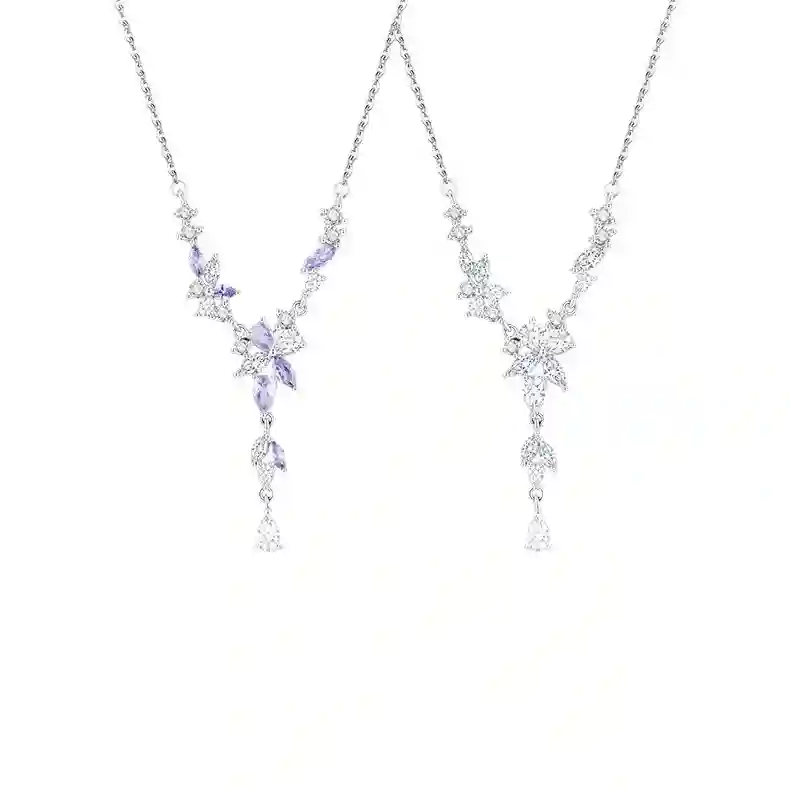
A factory-direct 925 silver ring costs approximately $3-8 at wholesale from a Guangzhou manufacturer, depending on gram weight and stone complexity. That same ring, listed on a marketplace by a reseller who bought it from a trading company that bought it from a workshop, lands at $15-30. The price has tripled. The ring has not changed.
The economics of each platform work differently. eBay: seller feedback is the only real verification; return policies vary wildly. Amazon: “ships from and sold by” tells you everything you need to know about whether you are buying from the brand or a dropshipper. Etsy: the seller’s listed location should match the ship-from address; mismatches are a red flag for reseller activity. Shopee: dominant in Southeast Asia, but silver claims are essentially unverified – independent testing is mandatory. Reddit’s r/jewelry and r/silverbugs offer crowd-sourced pattern recognition. Individual recommendations are noise. Aggregate sentiment across hundreds of threads is signal.
Leejory Jewelry, a silver jewelry wholesale manufacturer running Facebook ads since December 2025, built their entire value proposition on three words: “Factory-made. Quality-controlled. Brand-ready.” They do not sell on marketplaces. They sell direct through WhatsApp. The message is clear: if you want wholesale prices, you go to the source. Intermediaries inflate the price without adding value. That is not an opinion. That is arithmetic.
For the serious wholesale buyer, factory-direct sourcing removes at least two margin-eating layers from the supply chain. The question is not whether to buy factory-direct. The question is whether your supplier is actually a factory. Ask for the production floor photo. Not the showroom. Not the office. The floor with the polishing wheels and the micro-torches and the XRF gun mounted on the wall. If you get a photo of a desk with a laptop on it, you have a trading company. See our craftsmanship documentation for what a real production line looks like.
The Nickel Problem in Silver Jewelry Wholesale No Listing Addresses
Every silver jewelry wholesale listing describes the design. Almost none describe the alloy. That silence is where the money is hidden.
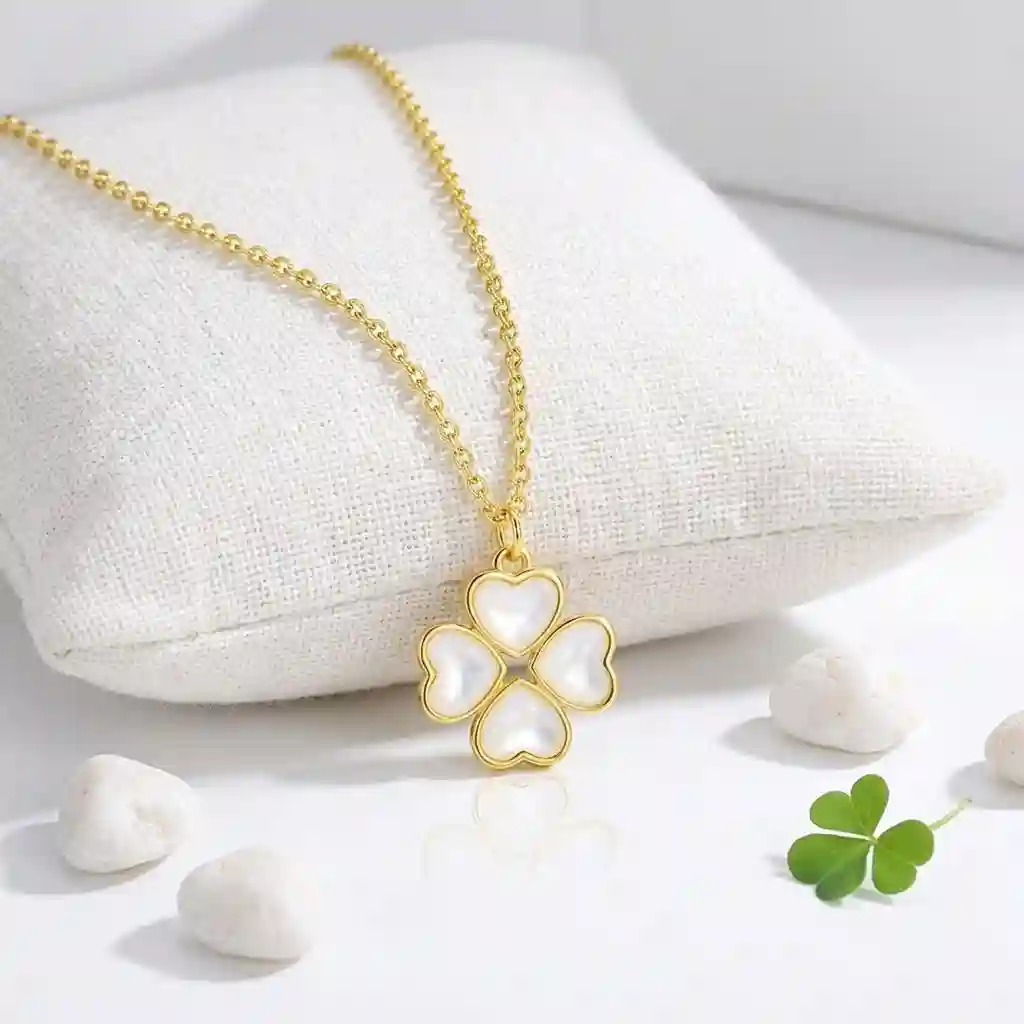
Copper is the traditional hardening metal in 925 sterling. It costs more than nickel. It requires slightly more precise temperature control during annealing. It is also biologically benign – copper-alloyed silver does not trigger contact dermatitis in nickel-sensitive individuals, a population estimated by the European Chemicals Agency at 10-15% of women and 1-3% of men in Western markets.
Budget manufacturers swap copper for nickel. The cost savings are measurable: nickel-alloyed silver wire runs roughly 15-20% cheaper per kilogram than copper-alloyed sterling. A factory producing 100,000 units per month saves approximately $12,000-18,000 annually. In silver jewelry wholesale, this substitution is the single most common cause of returns. The buyer saves nothing. The buyer inherits the refunds, the lost customers, the reviews that mention “rash” and “green skin” and “never again.”
The EU REACH regulation is unambiguous on this point. Nickel migration from articles intended to come into direct and prolonged contact with skin must not exceed 0.5 μg/cm²/week. For post assemblies inserted into pierced parts – earring posts, essentially – the limit is even stricter. ECHA REACH Nickel Restrictions are not optional for retailers selling into European markets. They are customs requirements with legal enforcement. Wholesale buyers need test reports, not promises, and the supplier who cannot produce an XRF reading showing nickel below detectable limits is a supplier who has something to hide. For nickel-free options and pricing, see our wholesale guide.
The Verdict
Silver jewelry wholesale is not complicated. The supply chain has simply been optimized to make it seem that way.
Three things separate a profitable wholesale relationship from an expensive one: verify the metal before you trust the stamp, verify the factory before you trust the catalog, and verify the alloy before you trust the price. These three checks take less than five minutes per supplier and they catch approximately ninety percent of problems before a single dollar changes hands.
The answers to these questions exist. They are not in the Google search results – the search results are written by people who have never held a piece of 925 silver in their hands. The answers are in the factories. They are in the XRF readings. They are in the workshop photos and the batch documentation and the artisan-tenure numbers. They are in the questions you ask before you pay, not the complaints you file after the shipment arrives.
Buy from a factory, not a catalog. Demand the test results, not the stamp. If a supplier cannot tell you what metal is in their metal, they are not a supplier – they are a problem you have not paid for yet. The entire silver jewelry wholesale industry runs on trust. Trust costs nothing to ask for and everything to lose. Verify before you buy. Browse our factory-direct collection to see what verified 925 sterling silver looks like when every piece comes with the paperwork to prove it.
About this analysis: This silver jewelry wholesale guide is based on fifteen years of direct production experience on a Guangzhou factory floor, combined with verified Facebook Ads Library intelligence from Leejory Jew
Elevate Your Collection with Silver Jewelry Wholesale
Factory-direct 925 sterling silver jewelry, handcrafted for brands and boutiques worldwide.