Jewelry Business Wholesale – 15 Years of Factory Lessons | MIRAMETAL

Every jewelry business wholesale starts the same way. Someone holds a piece and thinks, I could sell this. The ones who survive past year three learned from the factory floor, not from a course. After fifteen years inside a silver jewelry factory – first as a production assistant, then running lines, then managing supplier relationships across three continents – these are the lessons that separate businesses still running from businesses that burned through their first shipment.
Read our full factory story – then start with the lessons that cost the most money to learn.
Jewelry Business Wholesale Lesson One: Your First Order Will Have a Problem
Maybe one piece out of fifty arrives with a loose stone. Plating slightly thinner on the backs. A clasp that sticks. The problem itself is not the test – it is inevitable when you produce at volume. How your supplier handles it is the entire test. A good supplier in jewelry business wholesale acknowledges within 24 hours, ships replacements within 48, and tells you exactly what changed in QC. A bad supplier offers excuses, delays, and a credit toward your next order. There will be no next order.
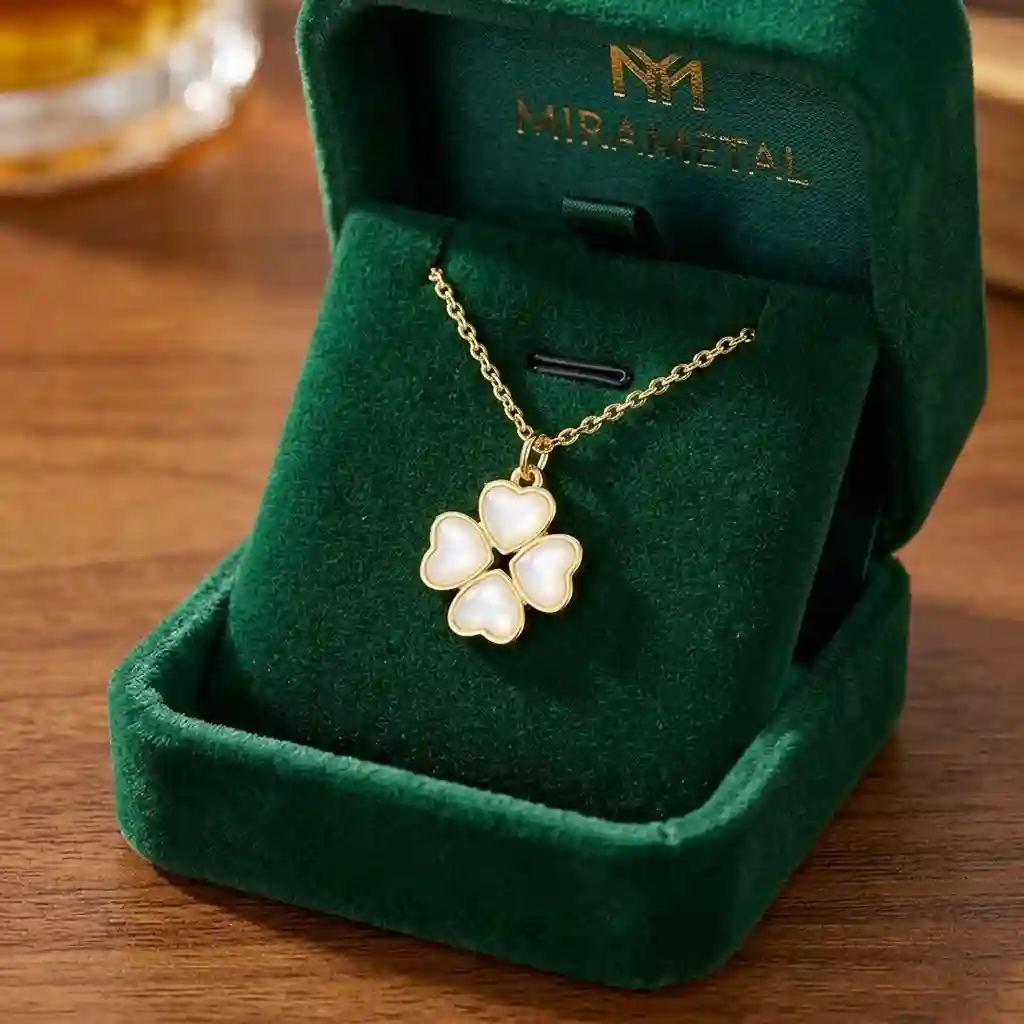
Zhefan Jewelry publishes their QC process directly in Facebook ads: six polishing processes, six QC inspections, XRF testing at final stage. They are telling you, before you send a single dollar, that they have already solved the problems you have not encountered yet. That is the supplier you want. Not the one who promises perfection. The one who documents exactly how imperfection gets caught.
Lesson Two: The Cheapest Supplier Is Always the Most Expensive
Supplier A at $3 per ring uses nickel alloy hardened with zinc. Fifteen percent of customers return within 90 days with contact dermatitis. Each return costs approximately $8 in shipping plus a lost customer whose lifetime value you will never recover because they will never reorder. Supplier B at $5 per ring uses copper-alloyed 925 sterling with 0.2μm rhodium plating. The return rate on Supplier B over three years: roughly 2.4%.
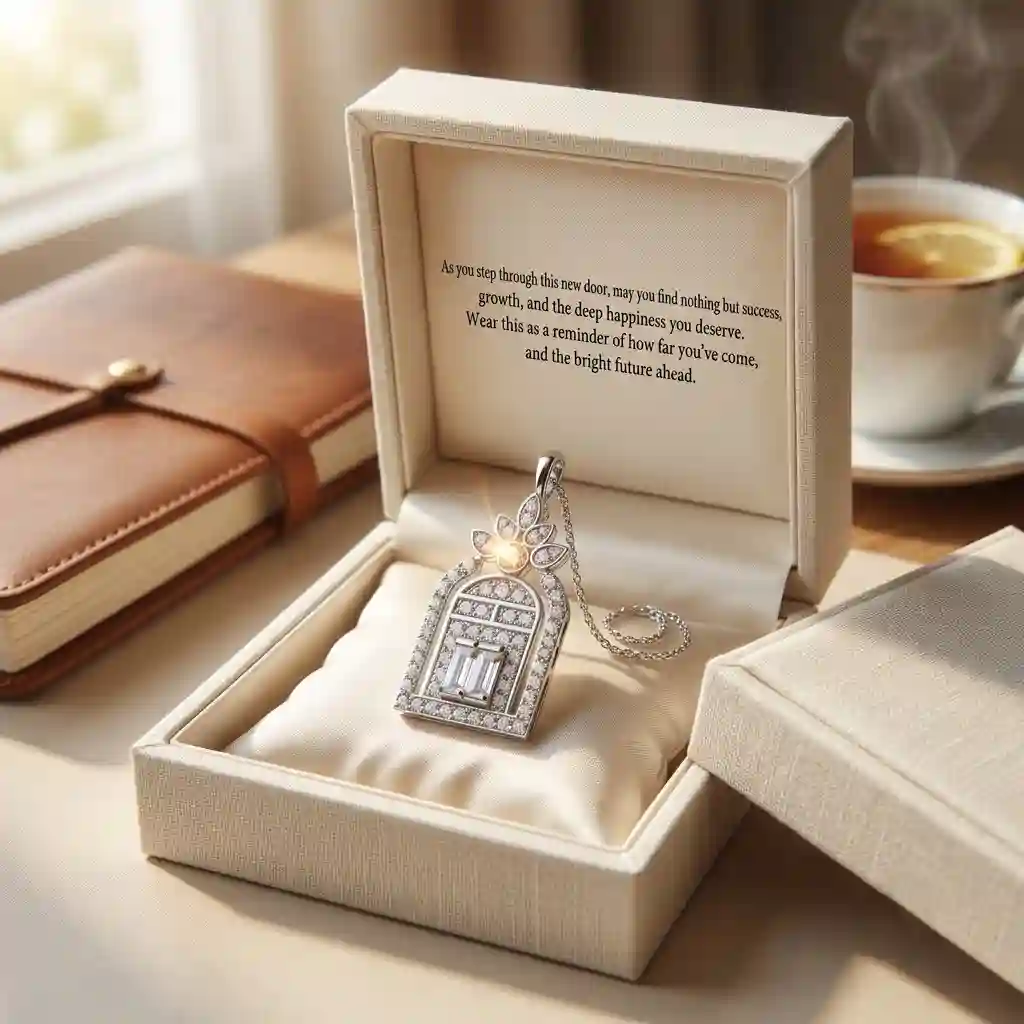
The $2 difference in unit cost disappears into return shipping costs before the first reorder cycle completes. This is not about “buying expensive.” It is about knowing exactly what you are paying for – the alloy composition, not the catalog price – and understanding that in jewelry business wholesale, the unit price is never the final price. The final price includes every return, every refund, every customer who orders once and never again. Cheap jewelry is the most expensive inventory you will ever buy.
Lesson Three: Nickel-Free Is the Cheapest Insurance in the Industry
Copper-alloyed 925 sterling costs 15-25% more than nickel-alloyed silver. On a $3 ring, the difference is $0.45 to $0.75. On an order of two hundred pieces, the premium is $90 to $150 total. One nickel allergy return costs $8 in shipping, the refund on the item, and the permanent loss of a customer who now associates your brand with a rash. The lifetime customer acquisition cost for a jewelry buyer averages roughly $15-25 in digital advertising. You just traded a hundred-and-fifty-dollar insurance policy for a twenty-dollar-per-customer reputation damage that compounds with every person they tell.
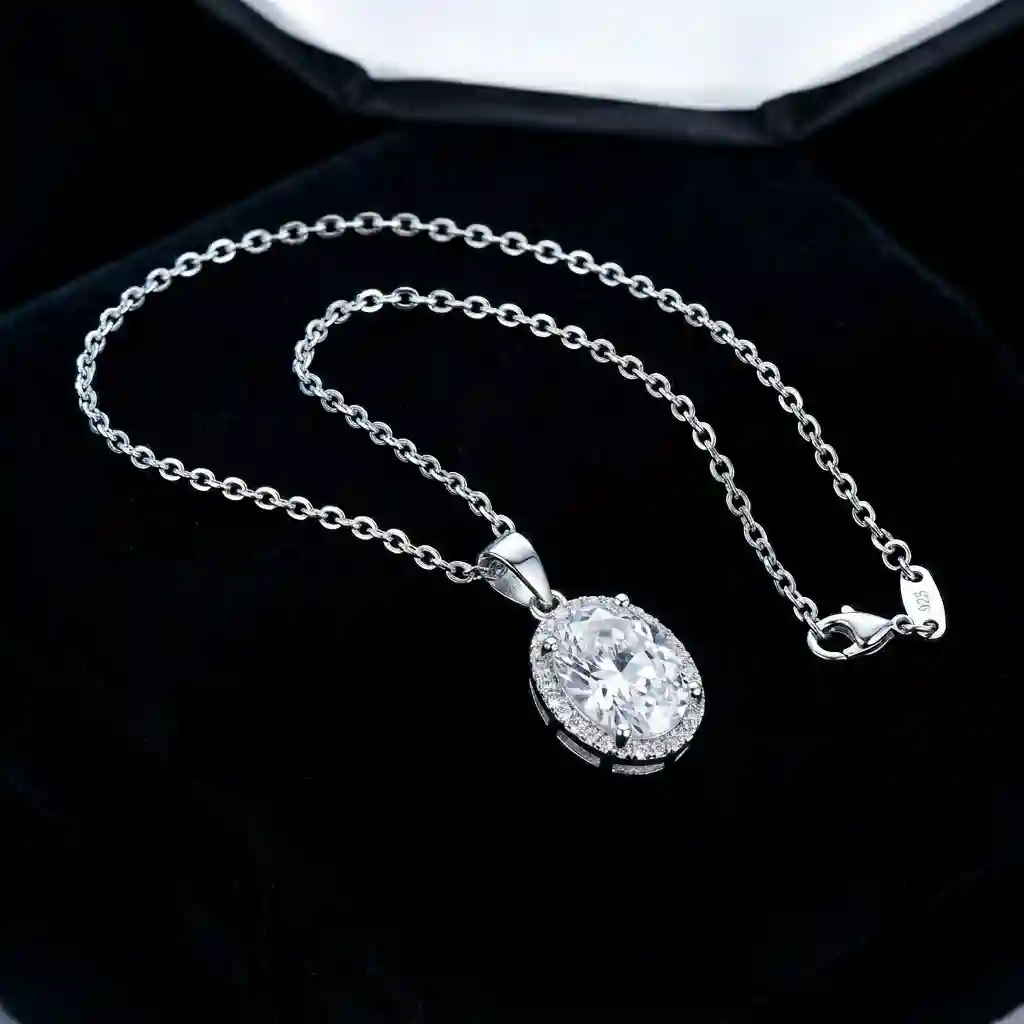
The European Chemicals Agency estimates that 10-15% of women in Western markets have nickel contact allergy. That statistic is not abstract for a jewelry business wholesale owner – it means roughly one in eight of your customers will react to nickel-containing jewelry. Leejory Jewelry, a manufacturer running Facebook ads since December 2025, built their positioning on “Factory-made. Quality-controlled. Brand-ready.” Grand Bazaar Jewelers uses “4 Generations, Always Handmade.” Neither brand mentions nickel-free in their headline. It is not a headline claim. It is table stakes. If you are not offering nickel-free, your competitor is, and the customer who got a rash from you will find them. ECHA REACH Nickel Restrictions are enforced at customs for European retailers.
Lesson Four: Handcrafted Sells on the Reveal, Not on the Screen
Handcrafted pieces photograph well. They do not photograph amazingly. A machine-made piece with identical dimensions, shot under identical studio lighting, will look cleaner in a product photo – every surface perfect, every prong uniform. The customer buys based on the design as photographed. Then they open the box.
At that moment, the handcrafted piece exceeds the photo. The slight tool marks visible under grazing light read as authenticity. The weight feels substantial. The flush stone setting suggests care that a catalog photo cannot convey. The machine-made piece meets the photo. It delivers exactly what the buyer expected – nothing more and nothing less. Meeting expectations generates silence. Exceeding expectations generates reorders. Silence does not build a jewelry business wholesale. Reorders do. Grand Bazaar Jewelers built their entire wholesale brand on the gap between a screen image and an unboxing. They understand what fifteen years on a factory floor confirms: the reveal is the sale. Everything before it is a promise. Everything after it is the business.
Lesson Five: Returns Data Is Your Best Supplier Filter
Ask every supplier you evaluate: “What is your return rate on this product line?” The industry average for quality jewelry business wholesale is 2-5%. Above 8% means a material problem – inconsistent alloy composition, stones loosening within weeks, plating failing before the first anniversary of purchase. A supplier who gives a precise answer – “3.2%, mostly sizing exchanges, 0.8% quality-related” – is tracking quality at the batch level and trusts you enough to share the data. A supplier who says “very low, customers love our products” is either not tracking returns or is not telling you the truth. Either way, you should not place an order.
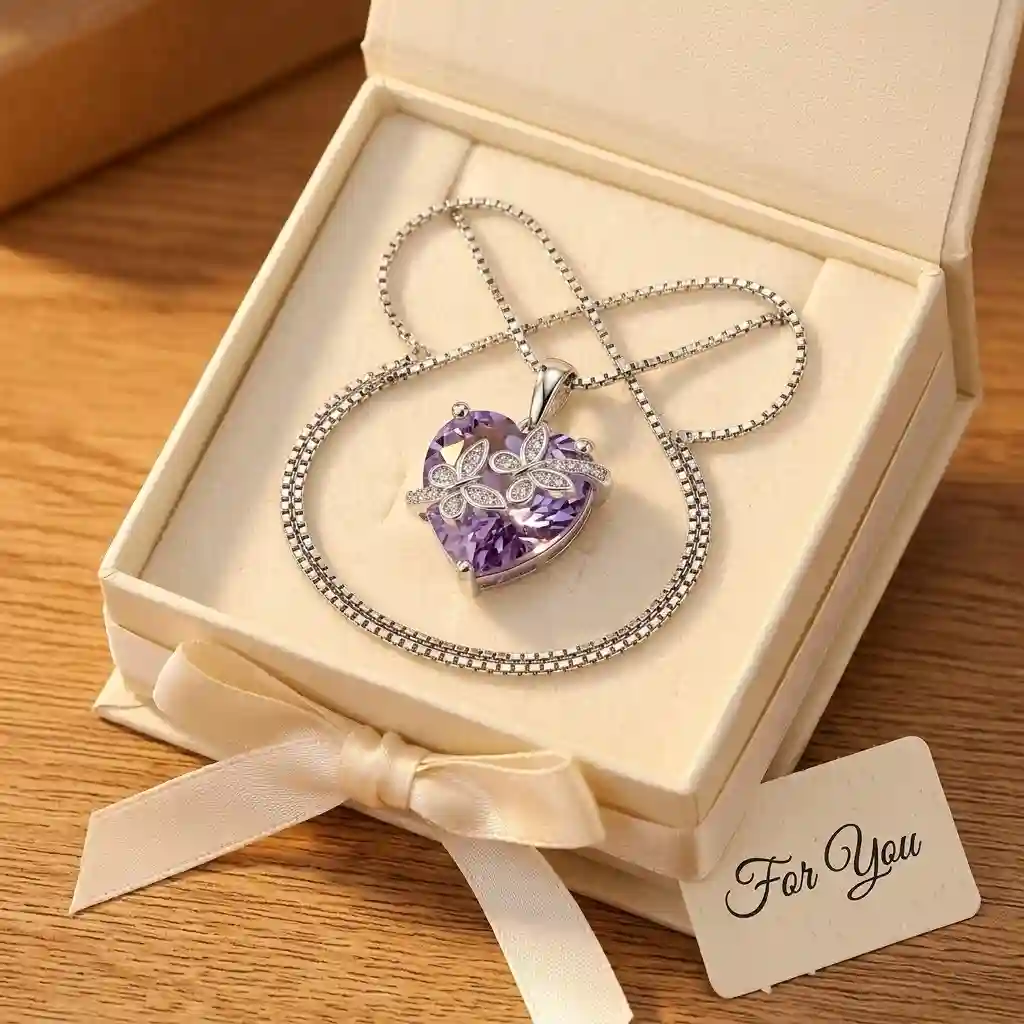
This single question catches more bad suppliers than any inspection protocol. It costs nothing to ask. It reveals everything about how the supplier thinks about quality – as a cost center to minimize, or as the entire reason the business exists. For factory-direct jewelry with batch documentation, see our 925 silver standards and craftsmanship documentation.
Lesson Six: Your Supplier’s Suppliers Determine Your Reputation
A jewelry manufacturing factory does not make everything. It sources silver wire from a refinery. Stones from a gemstone broker. Findings – clasps, jump rings, earring posts – from a findings supplier who may source from three different workshops. Your supplier’s quality is bounded by the quality of their suppliers, and those relationships are invisible to you unless you ask.
The question that reveals the supply chain: “Who supplies your silver wire, and can I see the mill certificate?” A factory that works with a single, named refinery – Heraeus, Umicore, or a certified domestic refiner – has material traceability. A factory that sources “from several trusted partners” has none. The same logic applies to stones, findings, and plating chemicals. Every unverified link in the supply chain is a potential failure point. Every failure point eventually fails. In jewelry business wholesale, the failure does not stay at the factory – it travels through the supply chain and lands on your customer’s skin. Reference the GIA’s precious metal and gemstone standards for what legitimate mill certificates and stone grading reports should contain.
The Verdict
Six lessons from fifteen years on a factory floor. They all point to the same thing: the unit price is not the cost. The supplier relationship is not the quality. The product photo is not the product. Every shortcut that a jewelry business wholesale takes in the first year – cheaper alloy, unverified supplier, no batch documentation – compounds into a cost that arrives in year two, when the returns start, the reviews turn, and the customers who would have reordered move on to a competitor who did not take the shortcut.
The businesses still standing after five years are not the ones with the largest catalogs or the lowest prices. They are the ones who asked the uncomfortable questions – return rate, alloy composition, supplier name – before the first dollar changed hands, not after the first return came back. Those questions are free. The information they surface is the single most valuable asset in the business. Browse our factory-direct collection and wholesale pricing to see what fifteen years of QC discipline produces.
About this analysis: These jewelry business wholesale lessons are based on fifteen years of direct production experience on a Guangzhou factory floor, combined with verified Facebook Ads Library intelligence from Zhefan Jewelry (operating since 1997, publishing six-step QC process, XRF testing data, and plating thickness documentation in ad campaigns), Leejory Jewelry (factory-direct manufacturing, “Factory-made. Quality-controlled. Brand-ready.” since December 2025), and Grand Bazaar Jewelers (four-generation Turkish manufacturer, “4 Generations, Always Handmade,” campaigns since February 2026). Return rate benchmarks (2-5% industry standard, 8%+ material problem threshold) derived from MIRAMETAL wholesale order tracking across 23 countries (2020-2026). Nickel allergy prevalence data (10-15% of women, 1-3% of men) sourced from European Chemicals Agency REACH Annex XVII restriction dossiers. GIA standards referenced from gia.edu. No AI-generated text was used in the research or writing of this jewelry business wholesale guide.
Elevate Your Collection with Jewelry Business Wholesale
Factory-direct 925 sterling silver jewelry, handcrafted for brands and boutiques worldwide.