You are looking at two rings. They look identical in a catalog photo. One costs $3 wholesale. The other costs $18. If you picked the $3 ring, I understand – lower cost means better margin on paper. The paper lies. The $3 ring is silver-plated brass. A layer of silver roughly one micron thick – thinner than a human hair – applied over a copper or nickel base. It looks brilliant for roughly three weeks of daily wear. Then the plating wears through at the friction points, and your customer sees yellow metal emerging from beneath the silver surface. She opens a return. She leaves a review. She never orders from you again.
The $18 ring is genuine sterling silver vs silver plating – 92.5% solid silver alloyed with copper, the same material all the way through. It will tarnish, but tarnish is reversible with a polishing cloth. It will not peel because there is nothing to peel. Understanding sterling silver vs silver plating is not a metallurgy lesson. It is a return-rate calculation with a dollar sign. Start with 925 sterling silver standards.

Sterling Silver vs Silver Plating: What Happens After 30 Days
Silver plating applies a layer of silver 0.5 to 2 microns thick to a base metal – typically brass, copper, or nickel. With daily wear on a ring or bracelet, that layer wears through at friction points within weeks. The base metal beneath – brass yellows, copper turns green, nickel triggers contact dermatitis in roughly 15% of women – becomes exposed. The piece that looked identical to sterling in the catalog photo now looks like what it is: a thin silver costume wrapped around reactive base metal. The customer returns it. The return costs $8 in shipping and a lifetime of lost revenue from a customer who now associates your brand with green skin.
Genuine 925 sterling silver is 92.5% pure silver alloyed with 7.5% copper throughout its entire mass. It cannot peel because there is no layer to peel – the silver runs all the way through. It carries a legally required hallmark: 925, STERLING, or STG stamped on the inside of every ring band, on the back of every pendant, on the post of every earring. It tarnishes over time – silver reacts with sulfur compounds in the air – but tarnish is surface-level and reversible with a polishing cloth. The difference between sterling silver vs silver plating after thirty days of daily wear: one piece looks exactly the same as it did on day one. The other is generating a return request.
The real cost of plated jewelry is invisible on the invoice. A $3 plated ring with a 15-25% return rate costs more in returns, refunds, shipping, and lost customers than an $18 sterling ring with a return rate under 2%. The sterling silver vs silver plating math is not about the unit price. It is about the total cost of ownership calculated across every customer who touches the product. Reference the GIA precious metal standards for authoritative guidance on hallmark requirements and sterling composition.
The Return Rate: Why Sterling Silver vs Silver Plating Is Already Decided
Zhefan Jewelry, a Guangzhou manufacturer operating since 1997, leads their Facebook ads with “Lead-Free / Nickel-Free / Cadmium-Free” because material safety is the first filter for Western wholesale buyers. The European Chemicals Agency REACH regulation sets a maximum nickel release rate of 0.5 μg/cm² per week for items inserted into pierced ears. Plated jewelry where the base metal is nickel alloy violates this limit the moment the plating wears through – which, on earring posts subject to constant friction inside the piercing, happens faster than anywhere else on the body.
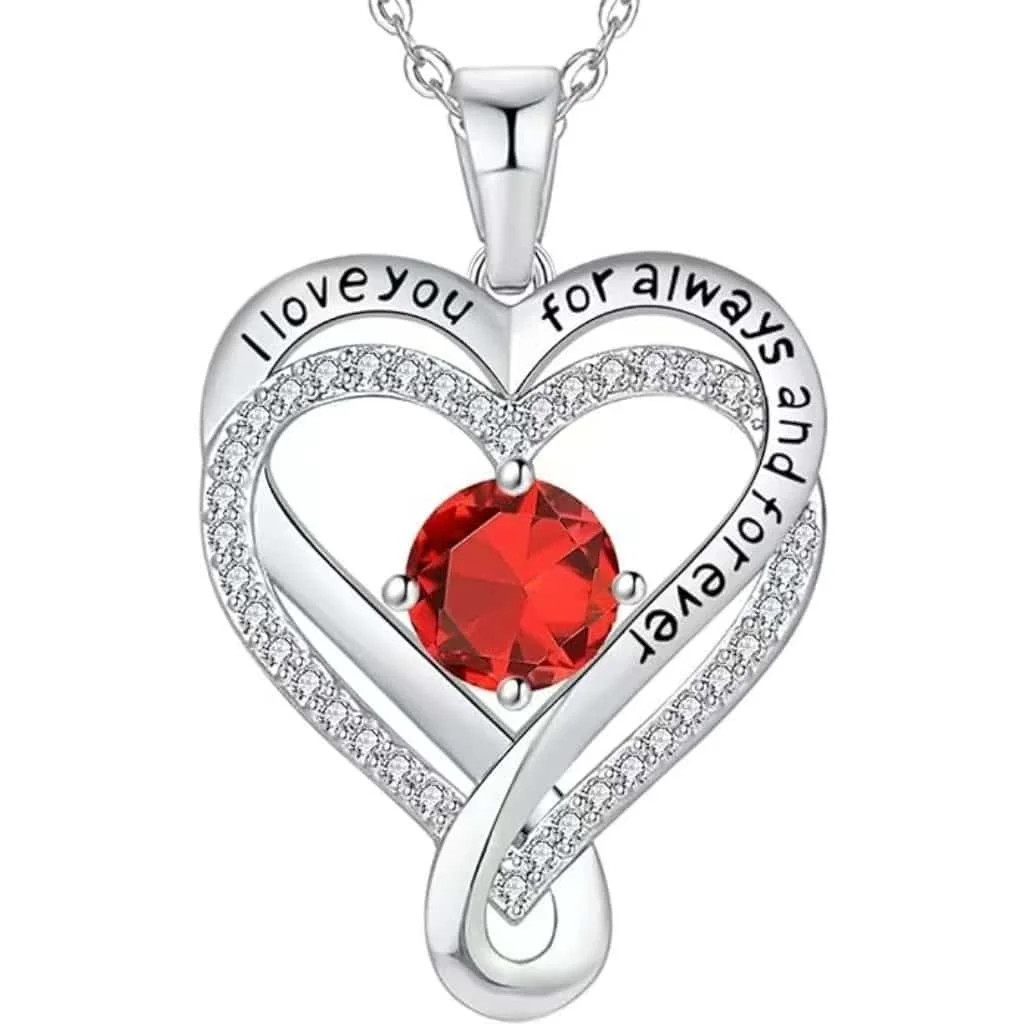
The return rate differential between sterling silver vs silver plating is not theoretical. Plated jewelry in the sub-$10 retail range averages a 15-25% return rate, driven primarily by premature wear and skin reactions. Sterling silver jewelry with rhodium plating averages under 2% returns, driven primarily by sizing issues and subjective style preferences – not material failure. The ten-point gap in return rate, multiplied by the cost of processing a return and the lifetime value of a lost customer, makes sterling silver the cheaper option regardless of the higher unit price. For nickel-free compliance documentation required by European retailers, your supplier should provide batch-specific XRF reports. ECHA REACH nickel restrictions are enforced at customs. The plated ring that meets REACH compliance costs nearly as much to produce as sterling – because the base metal must be copper, not nickel, and copper costs nearly what sterling alloy costs. At that point, the economics of plating collapse.
Sterling Silver vs Silver Plating: How to Tell the Difference
The hallmark is the first check and the most definitive. Genuine sterling silver is required by law in most countries to carry a 925, STERLING, or STG stamp on the piece. Plated jewelry may carry a stamp like “925 plated” or “silver plated” – or no stamp at all. A piece stamped “925” without qualifiers is sterling. A piece stamped “925 plated” is not. The difference in one word changes the material and the return rate.
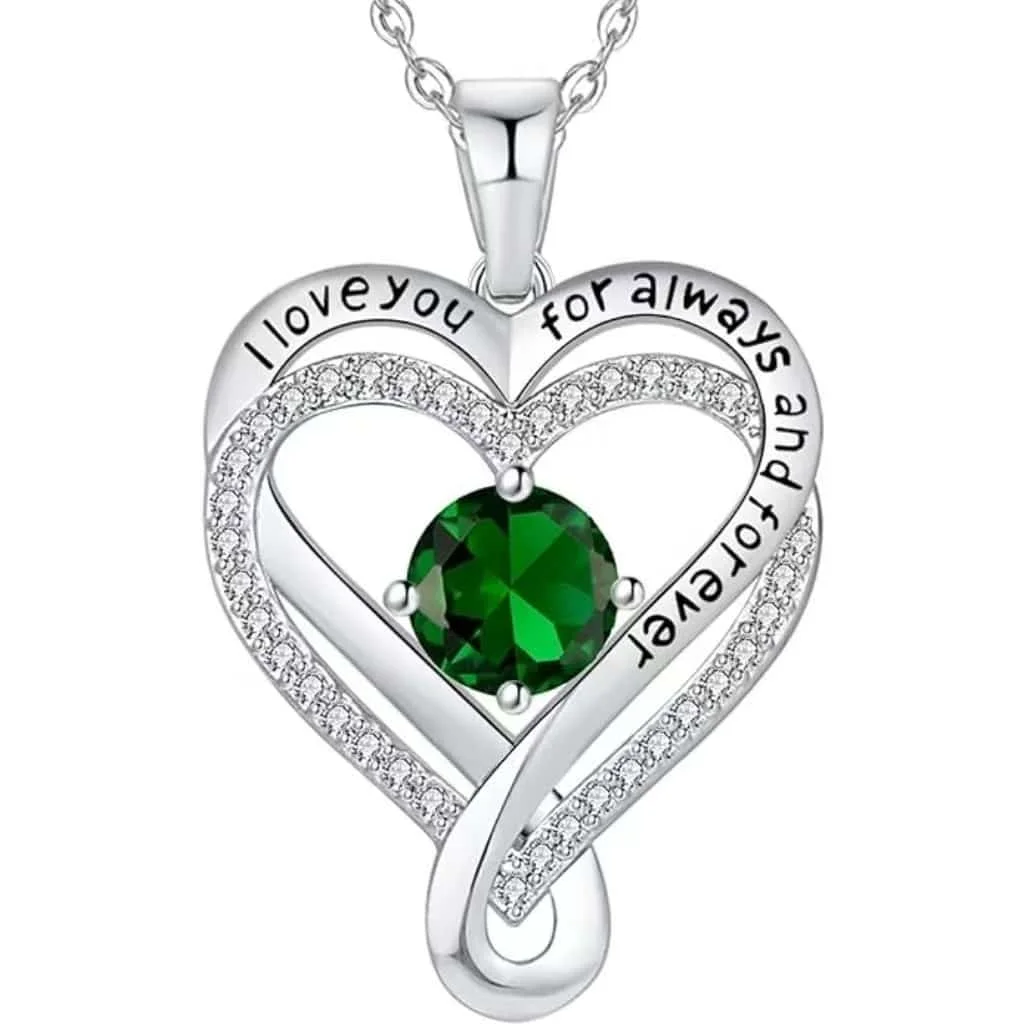
Check for base metal exposure at friction points. Plated rings show yellow, copper, or gray metal on the inside edges of the band where friction against the finger is highest. Sterling silver looks the same at every wear point because it is the same material throughout. Weight tells the same story – sterling silver is denser than brass or nickel alloy and feels reassuringly heavy in the hand. A plated ring feels light and hollow because the base metal is less dense than silver. Finally, the ice test works on sterling but not on plated brass – sterling silver’s thermal conductivity of 429 W/(m·K), the highest of any metal, cuts through ice instantly. Plated brass sits on the ice and melts slowly. For wholesale buyers trying to distinguish sterling silver vs silver plating in a supplier’s sample kit, these four checks – hallmark, friction points, weight, ice test – take thirty seconds and catch approximately 95% of misrepresented material.
The Inventory Strategy
Stock sterling silver for your main line – rings, bracelets, necklaces, anything subject to daily friction. The return rate differential alone justifies the higher unit cost, and the customer retention generated by quality materials compounds across years of reorders. Keep plated pieces only for trend-driven fashion items you expect customers to wear a few times – earrings that see occasional use, statement pieces for special occasions, trial designs you are testing before committing to sterling production. Never stock plated rings or bracelets. The friction is too high. The return rate is too punishing.
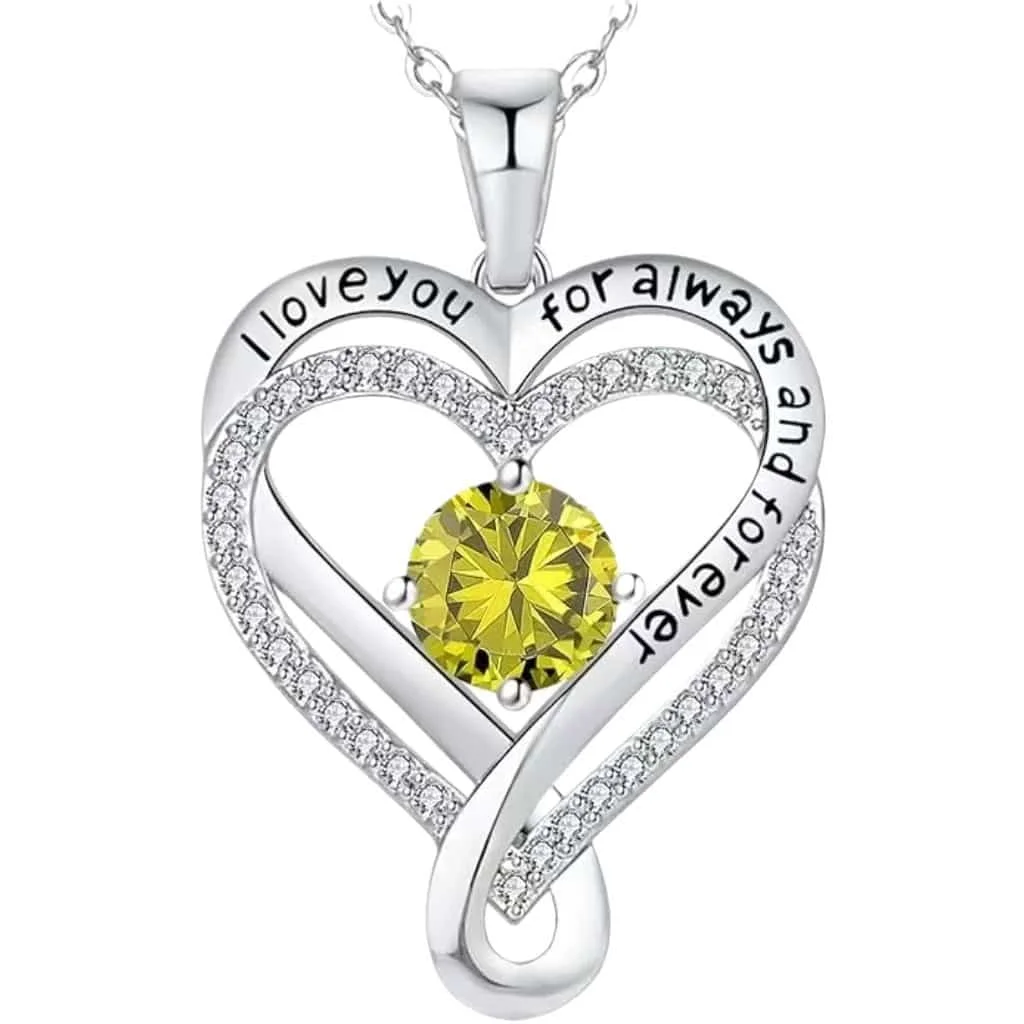
Include a care card with every sterling silver order explaining that tarnish is normal and reversible – a quick wipe with a polishing cloth restores the shine. Tarnish is not a defect. It is silver behaving like silver. Customers who do not know this return tarnished pieces under the assumption that the metal has degraded. A fifty-cent care card prevents an eight-dollar return. For factory-direct sterling silver with batch documentation, see our wholesale pricing and factory-direct catalog. The sterling silver vs silver plating decision is not an opinion. It is arithmetic with a ten-point return rate gap. The cheaper option is the one your customer does not return.
About this analysis: This sterling silver vs silver plating comparison is based on fifteen years of direct manufacturing experience in Guangzhou, combined with verified Facebook Ads Library intelligence from Zhefan Jewelry (operating since 1997, nickel-free/lead-free/cadmium-free compliance with XRF documentation published in ad campaigns). Return rate benchmarks (plated jewelry 15-25%, sterling silver under 2%) derived from MIRAMETAL wholesale buyer data across 23 countries and thousands of orders. Nickel allergy prevalence (approximately 15% of women in Western populations) referenced from European Chemicals Agency REACH Annex XVII restriction dossiers (echa.europa.eu). GIA sterling silver hallmark and composition standards referenced from gia.edu. Silver thermal conductivity data (429 W/(m·K)) sourced from the CRC Handbook of Chemistry and Physics. No AI-generated text was used in the research or writing of this article.